When a homeowner starts to consider a home renovation, it's easy to get overwhelmed because it seems like such a monumental task. Perhaps this comes from the notion that all makeovers have to big, bold, and new. Think shows like “Extreme Makeover” and “House Flippers”. Most think the only allowable ending to a renovation is that you walk into your new living room and start sobbing with joy beholding your stunning, beautiful new life.
Does it really have to be that grand, though? You want to do a good job, sure-- but is it really necessary to spend obscene amounts of money?

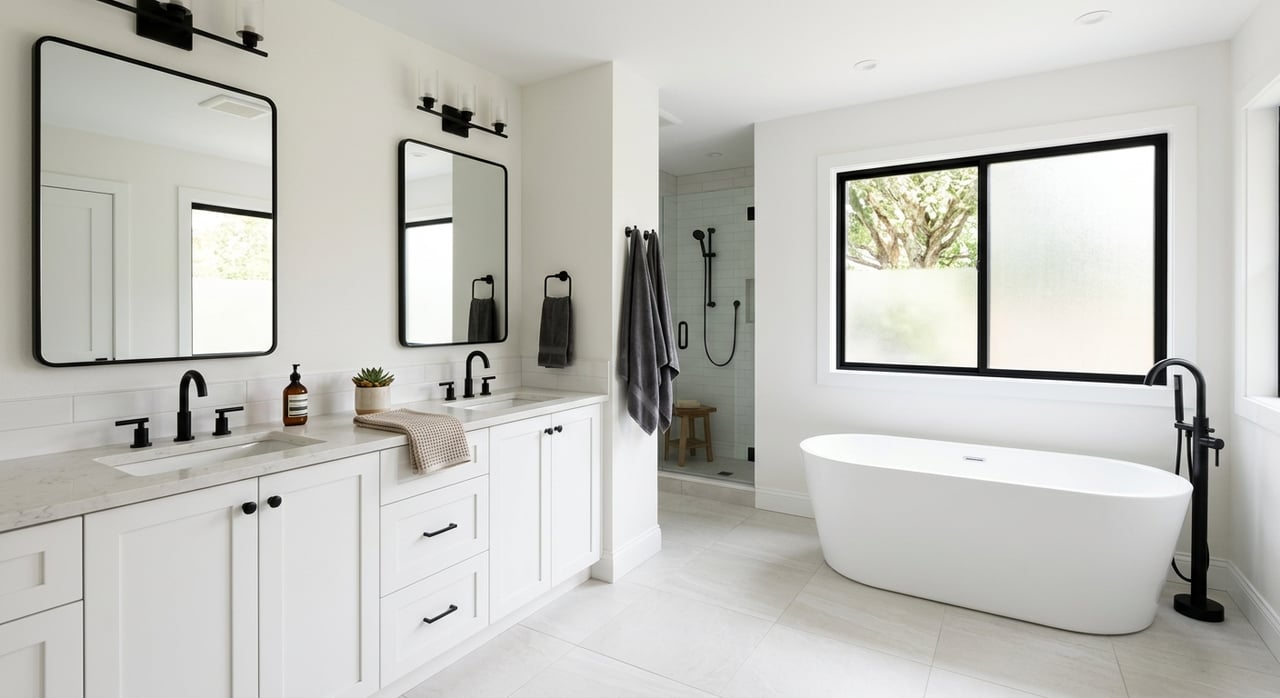
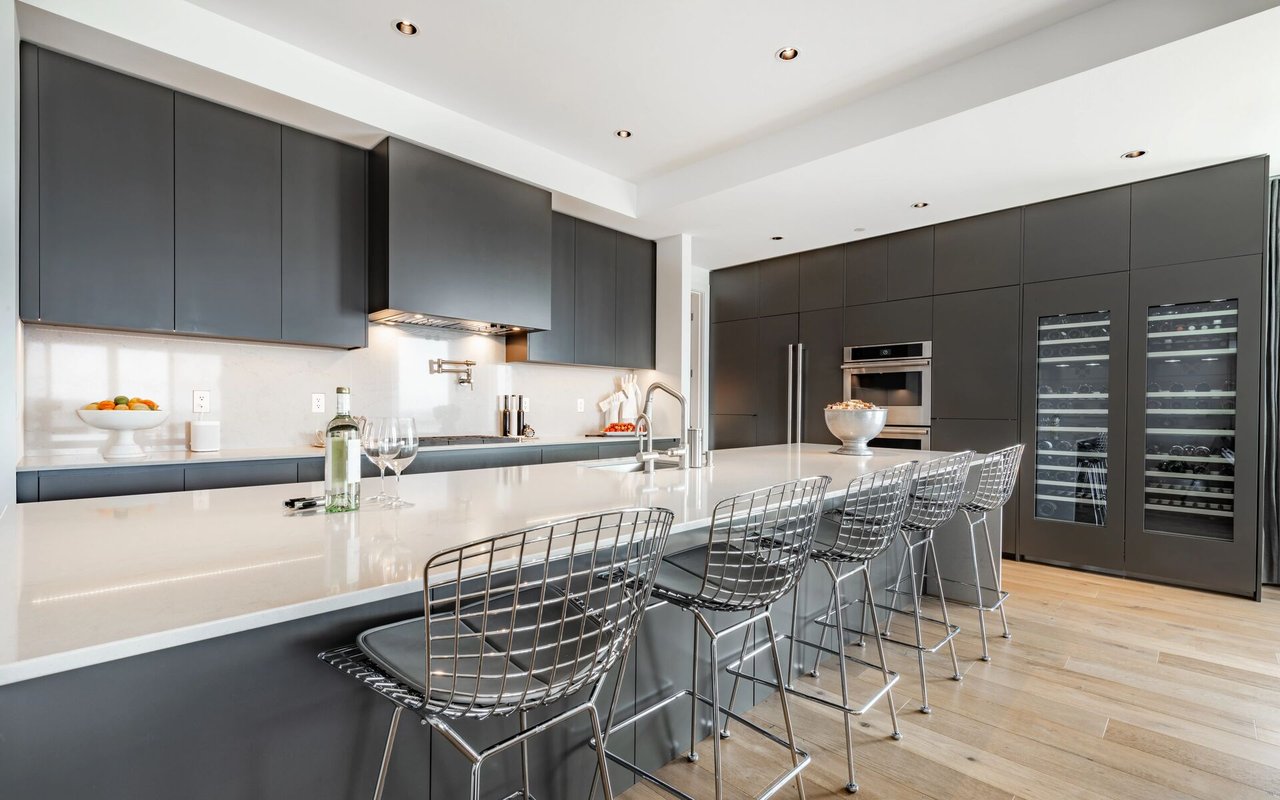
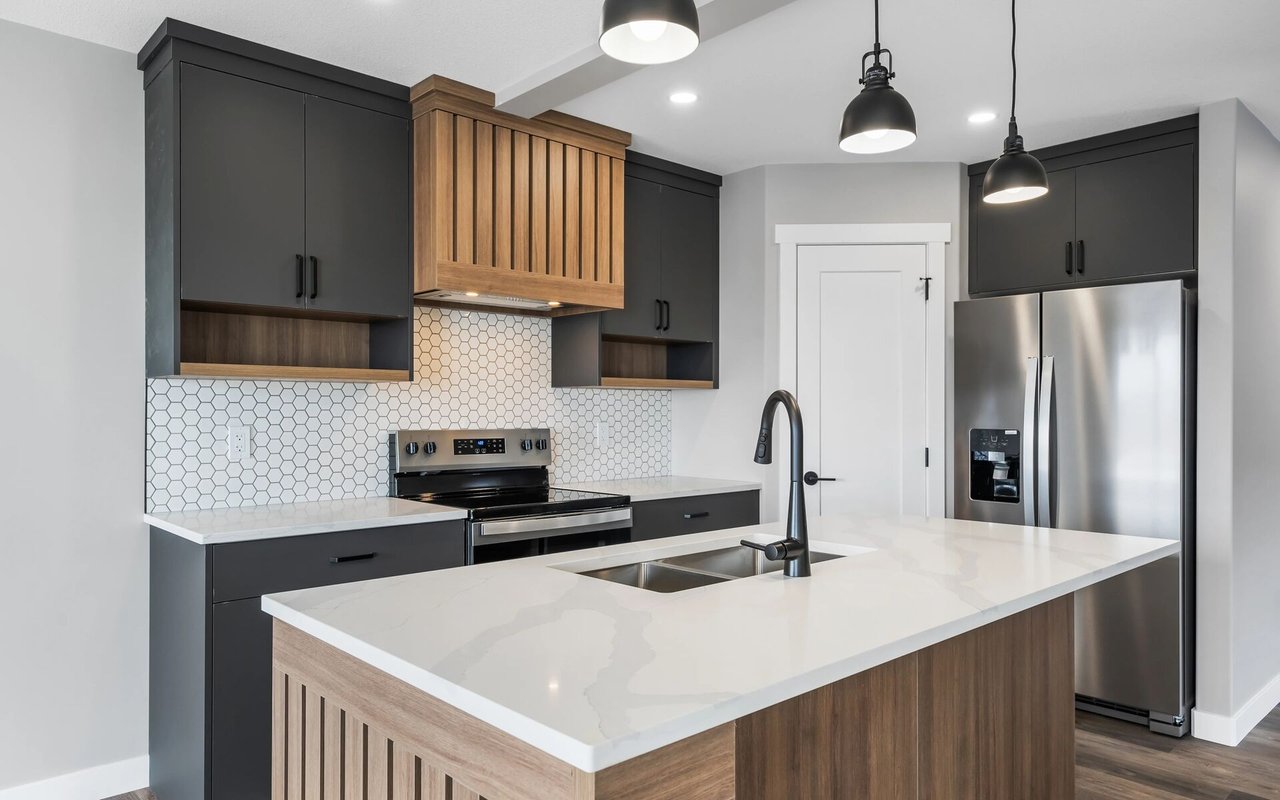
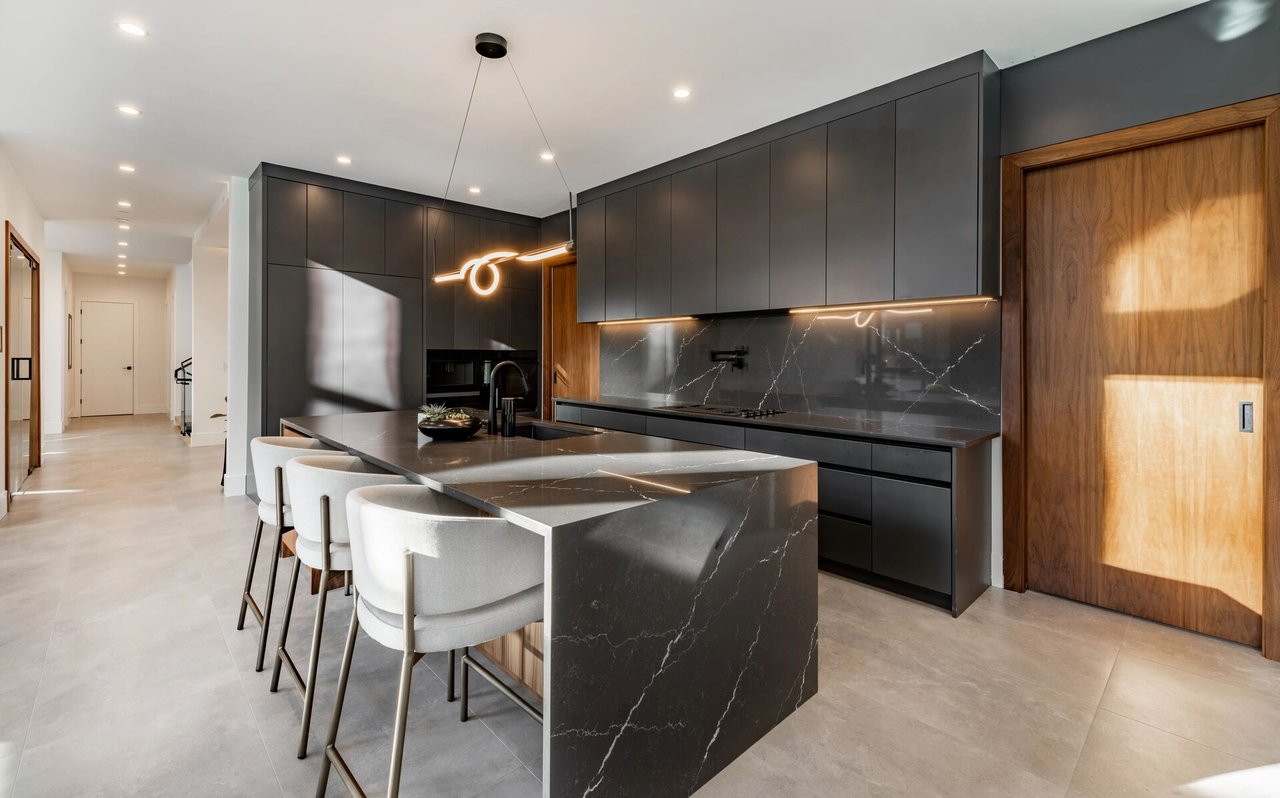
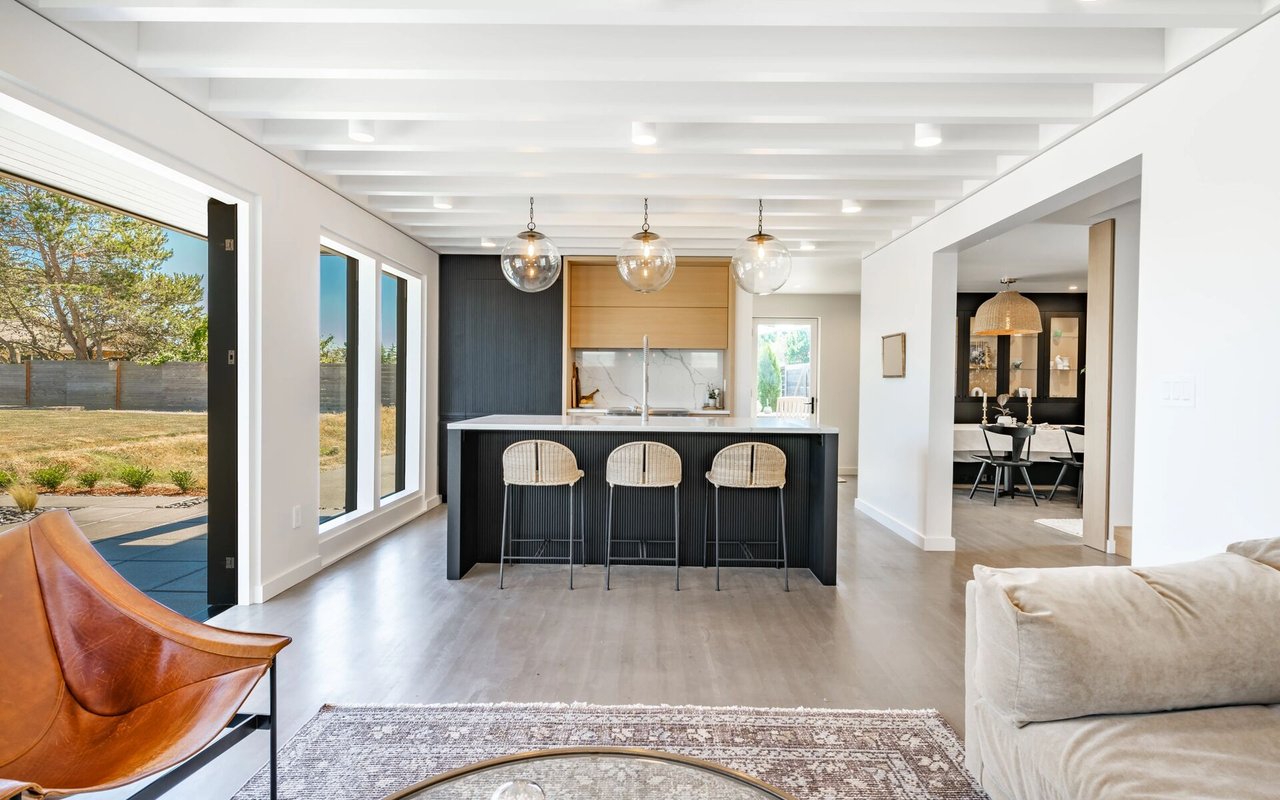
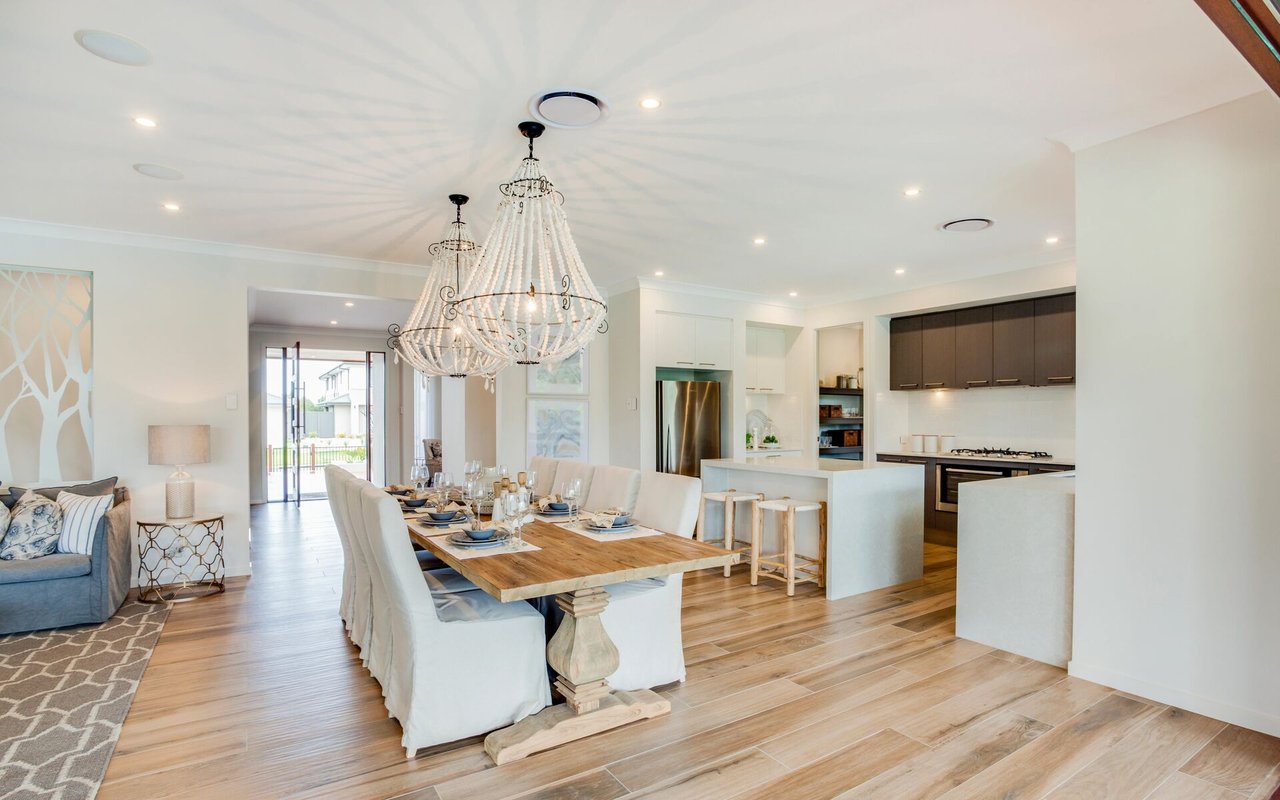
Let's put a realistic budget on your needed and/or wanted home renovation. Whether it’s simply a kitchen revamp, a bathroom remodel, or a complete overhaul of your property, we have the perfect tips to keep you from breaking the bank.
1. Estimate Scientifically.
Even in home renovations, there's a rule of thumb—don’t spend more on the area you’re renovating than its ultimate potential value.
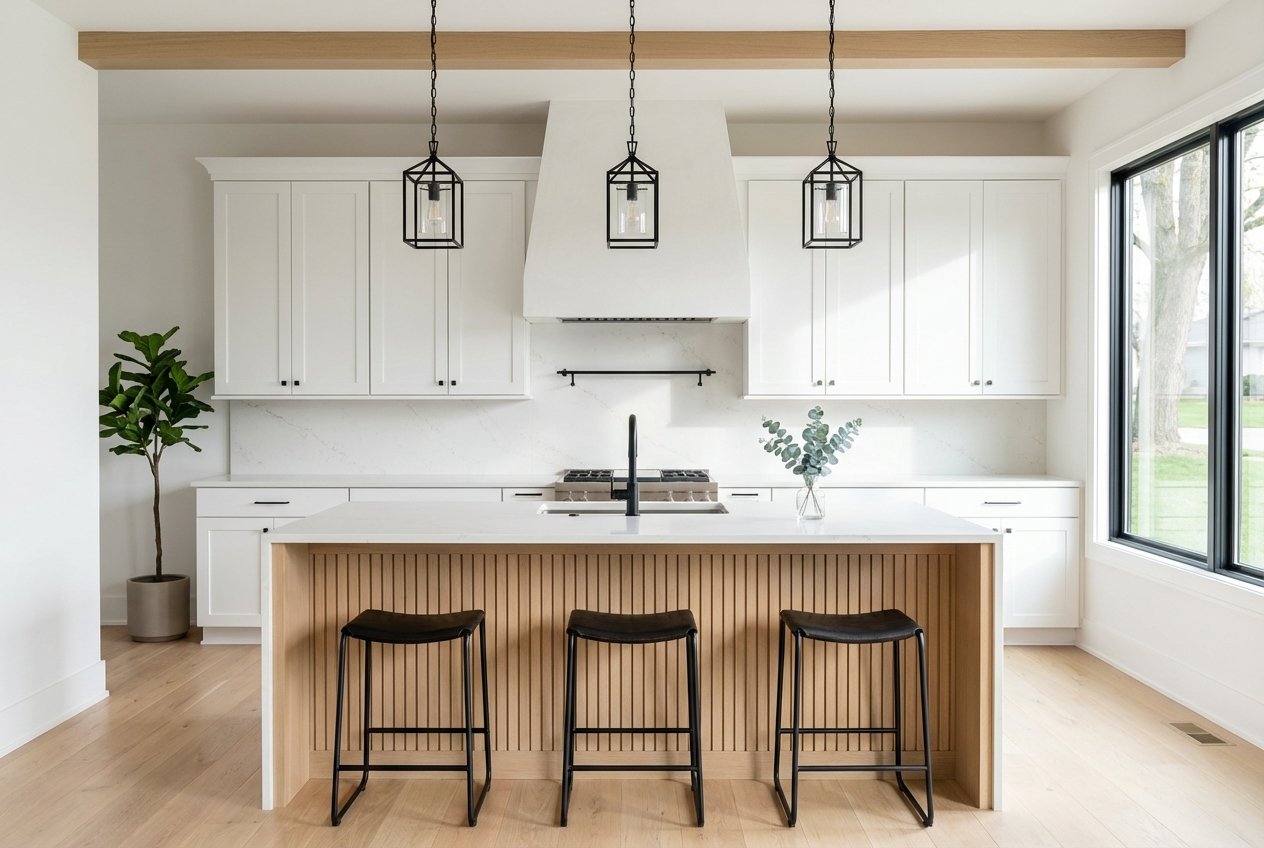
An area in your home accounts for a certain percentage of your entire property. A kitchen, for example, may be considered 10-15% the house’s market value.
Make sure to compute this first, and try to calibrate it with your budget.
2. Reality, not Fantasy.

One of the most common mistakes homeowners make while budgeting for a renovation is underestimating the amount of money needed to finish the job. Ideally, you want to renovate your property at the lowest cost possible, but will that budget fit your list of needs and wants?
Make realistic estimates (which often means purposely adding a bit of a buffer on every expense) to avoid under-budgeting.
3. Get Quotes from Contractors.

Talk to contractors. They do this for a living. Even if you don't intend to actually use one.
Contractors will quote you based on your ideal plan, and how they would make it a reality—from manpower to materials needed. Tell them you’re expected budget and see if they can work with it.
4. Be Specific!

As you gather quotes from contractors, make sure you communicate exactly what you want done. Contractors should know exactly what they're doing, but if the homeowner doesn’t really know what is to be done on the property, your quote will be vague and likely include many purposeful upsells.
5. Stick to the Plan.

To stick to the budget! Make it your priority to stick to your financial plan—your realistic, scientifically estimated, and specific dollar amount. Changing plans mid-renovation has ‘eventually, horribly over-budget' written all over it!
Resist any urge to add a little side project along the way. If there’s a little extra money left over, then do that desired side-project after the initially planned renovation is completed.
6. Start Planning Early On.

As mentioned, any mid-work alteration in the plan inevitably means an instant budget change. Don't leave anything until the last-minute! If you can, plan even the smallest detail with your contractor early in the process.
You can also start lurking through the aisles of hardware stores paying particular mind to the prices of items relevant to your renovation. If you’re renovating your bathroom, for example, you might want to check out new sinks. Mark down some prices. Get a sense of cost. Make a spreadsheet and keep track of everything you find.
7. Plan for the Unexpected.

Account for hidden costs! Make sure you have some wiggle room. If a maintenance issue is uncovered, construction takes a turn because of the weather, or if your vision changes midway, you will avoid undue stress by budgeting flexibly.
Allow a buffer of around 15-20% on top of your budget for emergency circumstances.
8. Consider Home Remodeling Options.

You may be able to get a loan to finally make that dream renovation happen!
There are a few options you can consider—refinancing, cash-out refinance, HELOC (home equity line of credit), and a home equity loan. Make sure to study all your options before you finally take the plunge.
Just be sure to keep your long-term financial health in mind. You don't want to sacrifice your future at the expense of the present.