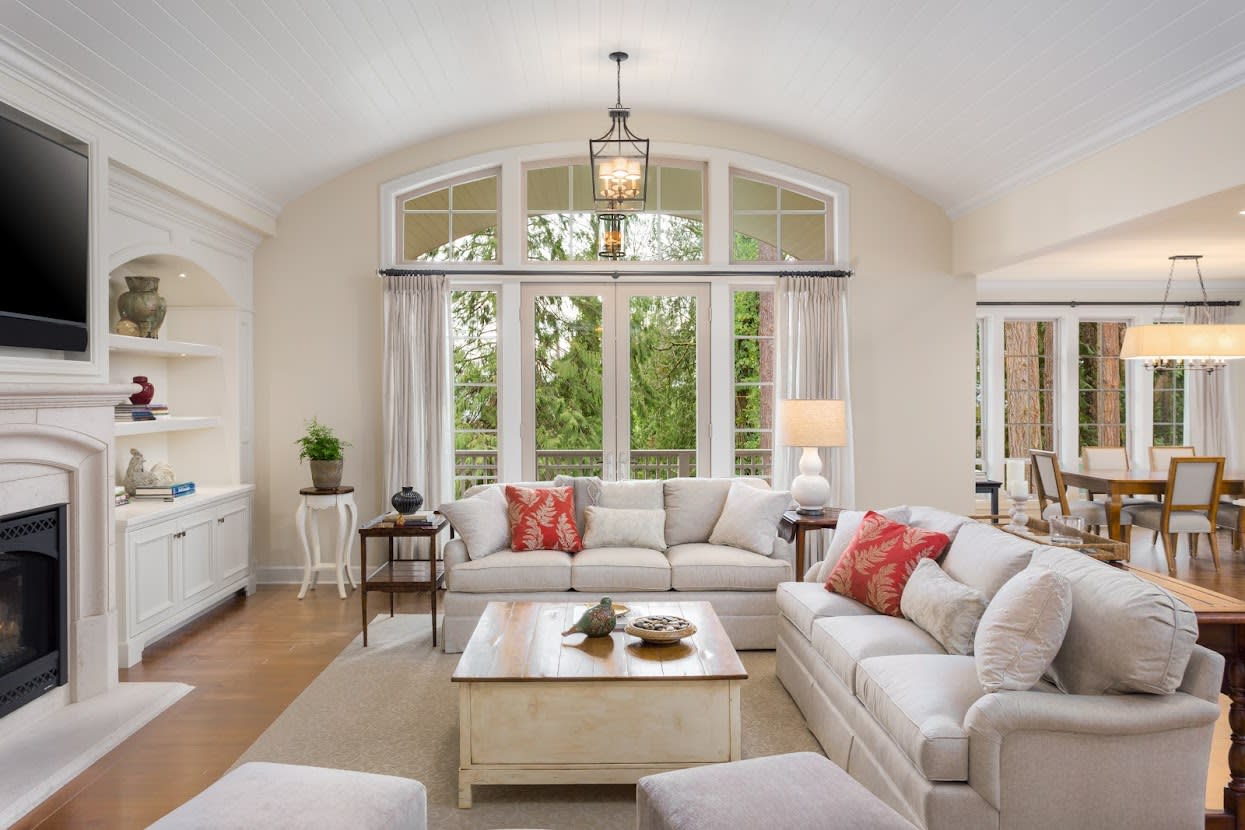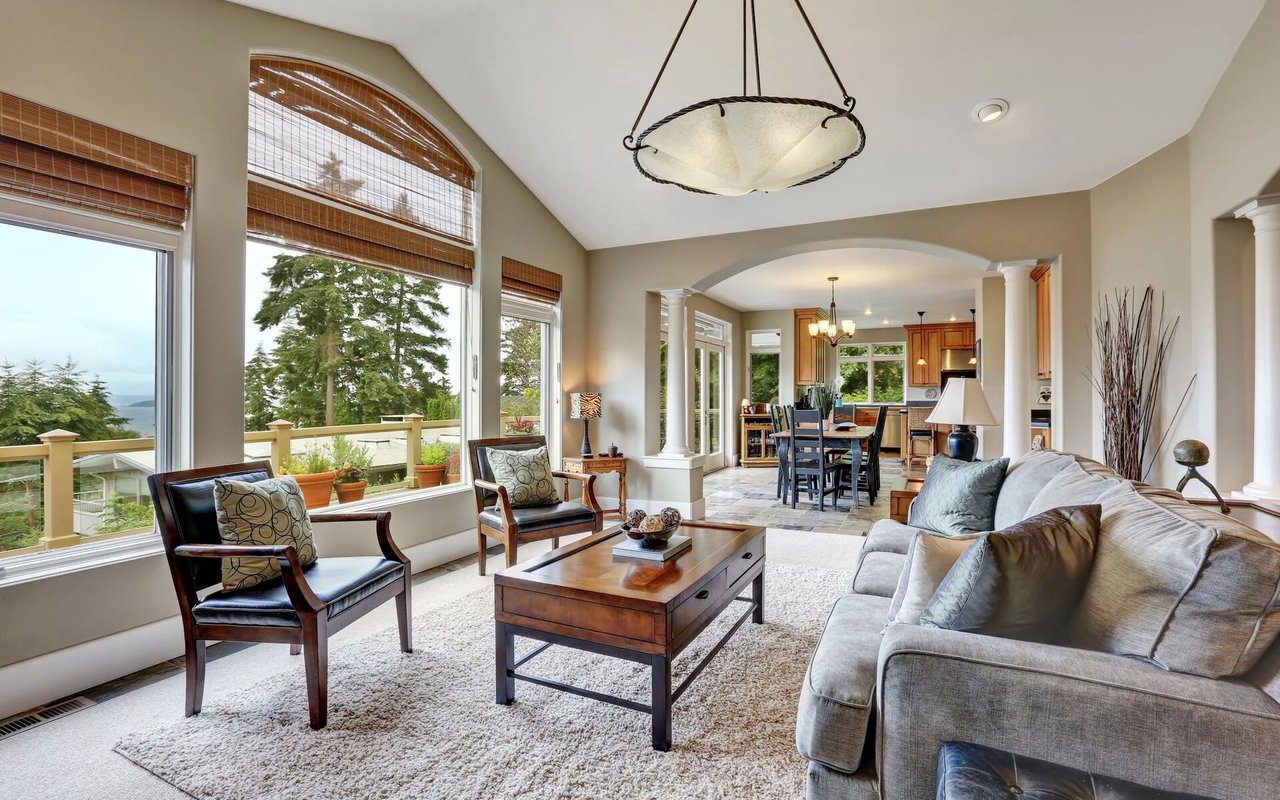
Thinking about buying a historic home in Saint Paul? It is easy to fall for the charm first. From detailed woodwork to one-of-a-kind architecture, these homes can offer a sense of character that newer construction rarely matches. But before you make an offer, it helps to understand how preservation rules, inspections, and long-term maintenance can shape your experience as an owner. Let’s dive in.
Why Saint Paul Stands Out
Saint Paul is one of Minnesota’s strongest historic-home markets. According to the City of Saint Paul Heritage Preservation FAQ, the city has more than 75 individually designated historic properties and 9 locally designated historic districts.
Those districts include Historic Hill, Irvine Park, Dayton’s Bluff, Lowertown, Jackson Street Shops, Jacob Schmidt Brewing Co., Summit Avenue West, University-Raymond Commercial, and the Northern Pacific Railway Co. Como Shops district. That means if you are shopping in Saint Paul, there is a good chance you may come across a home with some level of historic designation or preservation context.
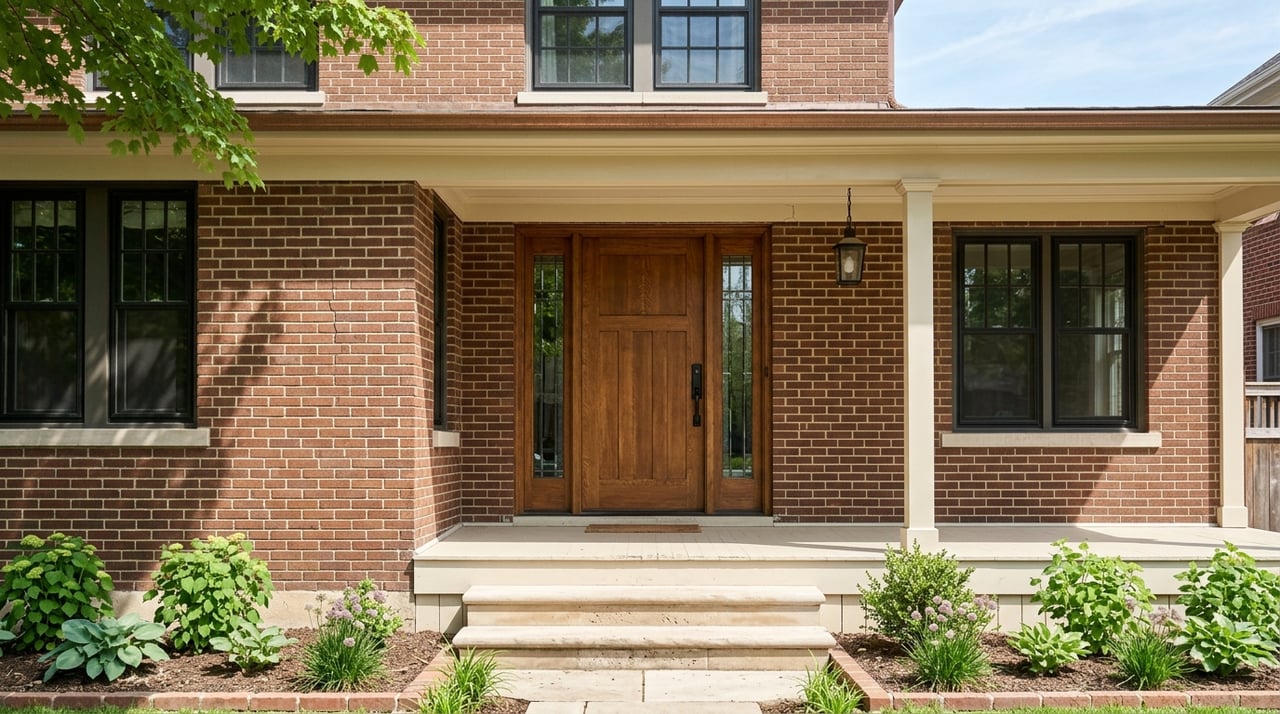
Just as important, Saint Paul’s historic housing stock is diverse. City survey work documents styles such as Queen Anne, Colonial Revival, Craftsman, Tudor Revival, Prairie, Shingle Style, Victorian, Italianate, Foursquare, and Spanish/Mission Revival homes in different parts of the city. In other words, “historic home” in Saint Paul is not one single look or one single maintenance plan.
Know the Home’s Historic Status
One of the first things you should find out is whether the home is simply older, individually designated, or located within a locally designated heritage district. That distinction matters because it can affect what you are allowed to change on the exterior.
The Saint Paul Heritage Preservation Commission reviews exterior changes, new construction, and demolition proposals for protected historic resources. Local designation does not freeze a home in time, but it does guide changes so they stay compatible with the property or district’s historic character.
That matters if you are already dreaming about replacing windows, reworking a porch, changing siding, adding onto the home, or installing visible exterior equipment. The city notes that approval from the Heritage Preservation office is required for exterior projects on designated heritage sites and on structures within locally designated heritage districts.
Understand the Review Process Early
If you may want to update a historic home, timing matters. Saint Paul asks owners to consult district guidelines early and submit permits through PAULIE and the city’s design review process.
The city also makes clear that express permits are not available for historic structures or properties in historic districts. Some compliant applications may be reviewed administratively in about five business days, but that does not mean every project will move that quickly.
The practical takeaway is simple: if your budget depends on exterior changes, ask those questions before you buy. A renovation plan that works on a non-designated home may follow a different path on a historic property.
Expect Style-Specific Maintenance
Historic homes reward careful ownership, but they do ask more from you. The Minnesota Historical Society’s rehabilitation guidance recommends inspecting historic properties at least twice a year.
The main areas to watch include:
- Roofs and gutters
- Windows
- Foundation
- Grading around the home
- Exterior walls and envelope
- Heating systems
- Electrical wiring
- Plumbing
Water is often the biggest issue. MNHS notes that water-related problems cause most preservation issues, so you will want to pay close attention to leaks, missing downspouts, poor grading, and ventilation concerns.
This is especially important in Saint Paul, where winter conditions can add stress to older structures. The University of Minnesota Extension explains that ice dams can force meltwater back under roofing materials and damage ceilings, insulation, and walls. In an older home, that kind of moisture can become both a repair issue and a preservation issue.
Pay Close Attention to the Roof
A roof can be one of the biggest maintenance items on any home, and it becomes even more important on a historic property. Material type affects lifespan in a major way.
According to MNHS, asphalt composition shingles often last about 20 years, wood shingles about 40 years, and slate can last 80 to 100 years. If you are buying a historic home, it is worth knowing not just the roof’s age, but also what material is on the house and whether it fits the home’s overall construction and maintenance needs.
MNHS also recommends retaining original materials where possible. When replacement is needed, the guidance discourages non-breathable materials like metal and vinyl in some preservation contexts and suggests wood-surround storm and screen combinations as a better fit for historic windows.
Review Past Changes Carefully
Not every older home is fully original, and that is not necessarily a problem. Still, it helps to understand what has already been altered.
Saint Paul survey reports document changes such as replacement siding, replacement window sash, enclosed porches, and additions. Those changes may affect a home’s historic integrity and may also influence what future work could require review.
As you evaluate a property, ask for details on:
- Past exterior renovations
- Window replacements
- Porch modifications
- Additions
- Siding changes
- Roof replacement history
This can help you understand both the home’s current condition and your options after closing.
Watch for Lead, Radon, and Asbestos
Older homes often come with health and remodeling issues that need extra care. In Saint Paul, that starts with lead-based paint if the home was built before 1978.
The EPA’s lead disclosure guidance says sellers of pre-1978 homes must disclose known lead-based paint or lead hazards, provide the federal lead pamphlet, include specific warning language in the contract, and give buyers a 10-day opportunity to test for lead. EPA also states that unless testing shows otherwise, paint in homes built before 1978 should be treated as lead-containing.
Radon is another major concern in Minnesota. The Minnesota Department of Health recommends testing every Minnesota home and reports that more than two in five homes have radon levels that pose a significant health risk.
During a real estate transaction, testing should be done under closed-house conditions in the lowest occupiable level of the home. If mitigation is needed, Minnesota requires licensed radon mitigation professionals.
Asbestos can also show up in older materials such as floor and ceiling tiles, insulation, pipe wrap, shingles, and textured paint. The EPA’s asbestos guidance notes that asbestos becomes most dangerous when disturbed, which makes pre-renovation planning especially important.
Ask Better Questions Before You Offer
If you want to buy a historic home with confidence, your due diligence should go beyond a standard checklist. The right questions up front can save you time, money, and stress later.
Here are some of the most useful questions to ask early:
- Is the property individually designated or located in a locally designated historic district?
- What exterior work would require heritage approval?
- Have the roof, plumbing, electrical, or heating systems been updated?
- Are there any available lead, radon, or asbestos reports?
- Have prior exterior changes already been approved, if required?
- Which repairs may cost more because of historic materials or review requirements?
These questions align closely with Saint Paul’s preservation process and with state and federal guidance for older homes. They also help you separate cosmetic appeal from true ownership costs.
Plan for Ownership, Not Just Purchase Price
A historic home can be a smart and rewarding purchase if you go in with clear expectations. The appeal is real: craftsmanship, architectural detail, and a strong sense of place. But the long-term experience is usually best for buyers who plan for maintenance, respect the home’s original materials, and build renovation timelines around review requirements when needed.
That is why patience matters. Verifying preservation status, ordering inspections early, and budgeting for repairs instead of only aesthetic updates can help you make a better decision and avoid surprises after closing.
If you are considering a historic home in Saint Paul, working with a team that understands Twin Cities housing stock, timelines, and due diligence can make the process feel much more manageable. When you are ready to talk through your options, connect with Huerkamp Home Group for practical guidance on buying with confidence.
FAQs
What should you check first when buying a historic home in Saint Paul?
- First, confirm whether the home is individually designated or located in a locally designated historic district, because that can affect exterior changes and permit review.
What exterior projects on historic homes in Saint Paul may need approval?
- Exterior work such as windows, siding, porches, roofs, additions, and visible exterior equipment may need review through Saint Paul’s Heritage Preservation process depending on the property’s designation status.
What inspections matter most for older homes in Saint Paul?
- Buyers should pay close attention to the roof, gutters, foundation, grading, windows, plumbing, electrical, heating systems, and any signs of moisture intrusion.
What health risks should buyers consider in older Saint Paul homes?
- Key issues include possible lead-based paint in pre-1978 homes, radon, and legacy asbestos in older building materials, especially if you plan to remodel.
Why is moisture such a big issue for historic homes in Saint Paul?
- Moisture can lead to roof damage, wall and ceiling problems, and long-term preservation issues, and winter ice dams can make those risks worse in Minnesota’s climate.
Is buying a historic home in Saint Paul worth it?
- For many buyers, yes, if you value architectural character and go in prepared for higher maintenance, careful renovation planning, and more detailed due diligence.