Thinking about trading city living for more space while staying close to work, shopping, and the airport? If you live in Minneapolis or St. Paul, Eagan might give you the quieter blocks and yard you want without feeling far from your routine. In this guide, you’ll see what changes when you relocate to Eagan, from commute options and housing types to costs, parks, and a practical moving checklist. Let’s dive in.
Why Eagan appeals
You get a mature south‑metro suburb with fast regional access and plenty of single‑family neighborhoods. According to Census QuickFacts for Eagan, the city’s population is about 67,240, with an owner‑occupied rate near 69.4%. The mean travel time to work sits around 21.7 minutes, which reflects both strong highway access and a growing share of residents who work from home.
For many urban buyers, the draw is simple: more space, easy errands, and strong parks while staying close to the airport and major employers. If that sounds like you, Eagan is worth a look.
Where Eagan sits
Eagan is in Dakota County, just south of the I‑494 beltline. You are roughly 15 to 20 miles from downtown Minneapolis and about 12 miles from downtown St. Paul, so off‑peak drives commonly run 20 to 30 minutes to Minneapolis and around 17 minutes to St. Paul. During rush hour, plan for extra time.
Major corridors include I‑35E, I‑494, and MN‑77 (Cedar Avenue). These routes shape where retail and park‑and‑ride facilities cluster, which is helpful when you plan your commute.
Housing and neighborhoods
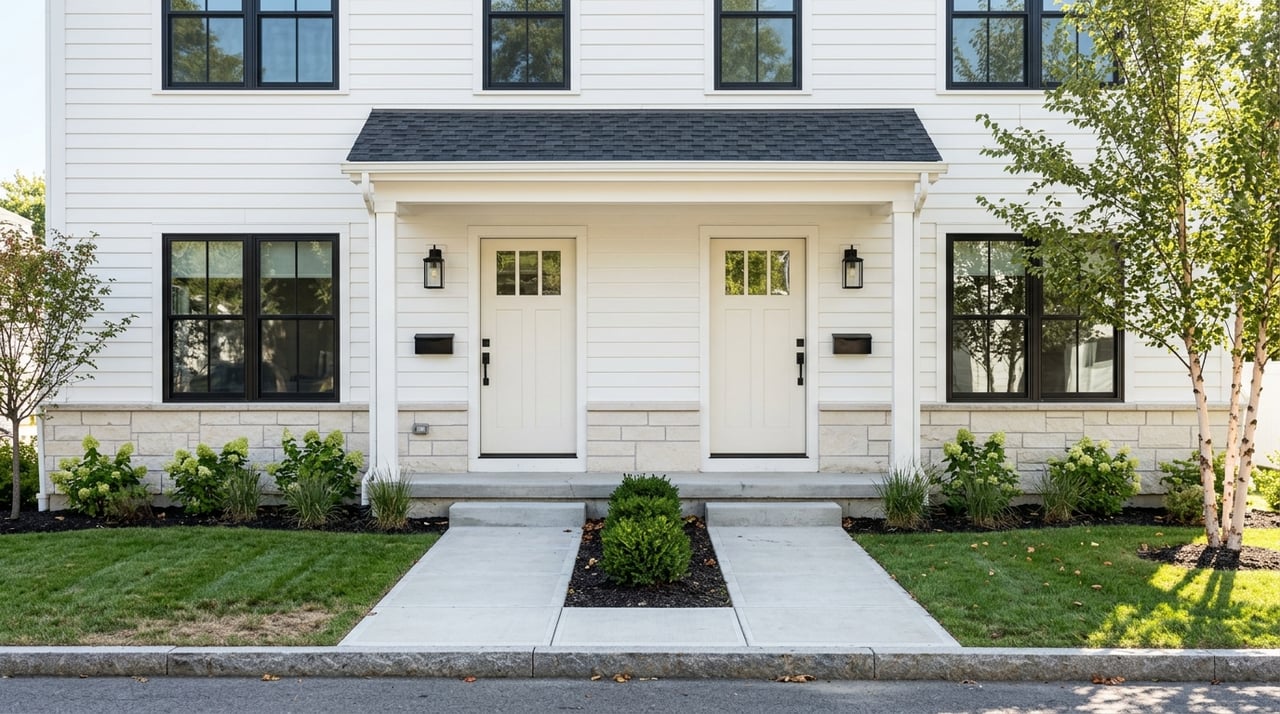
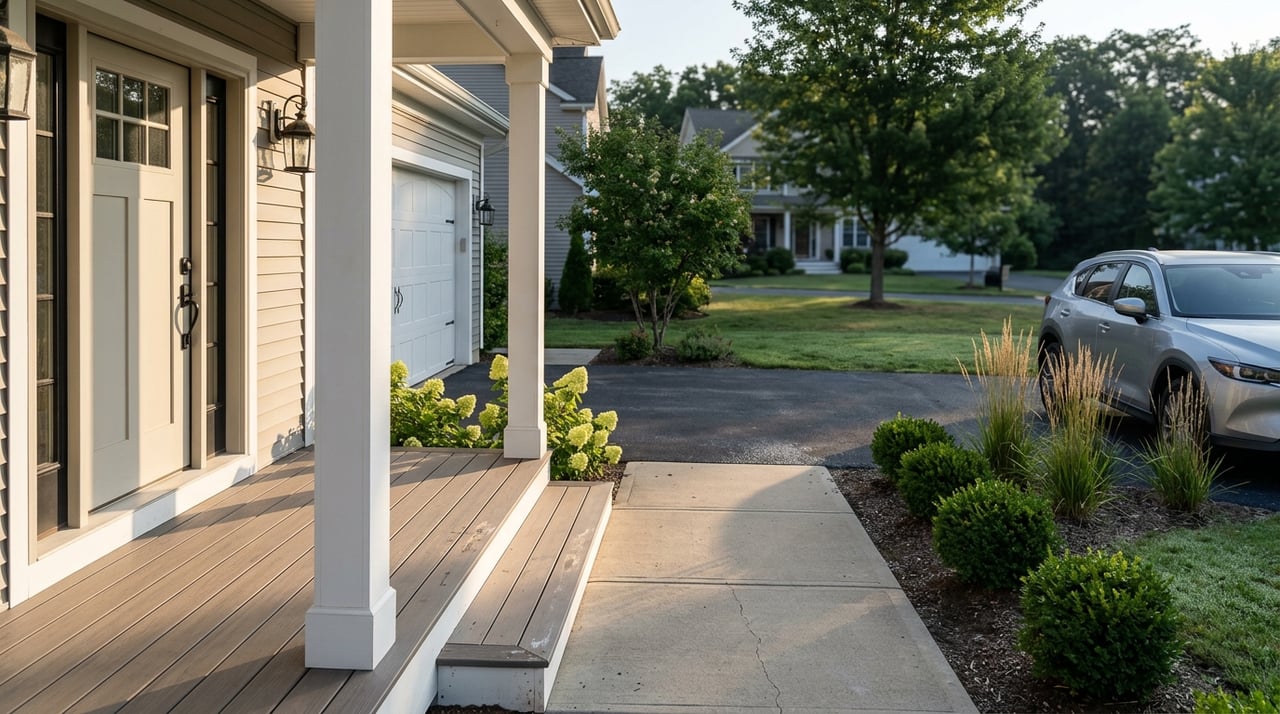
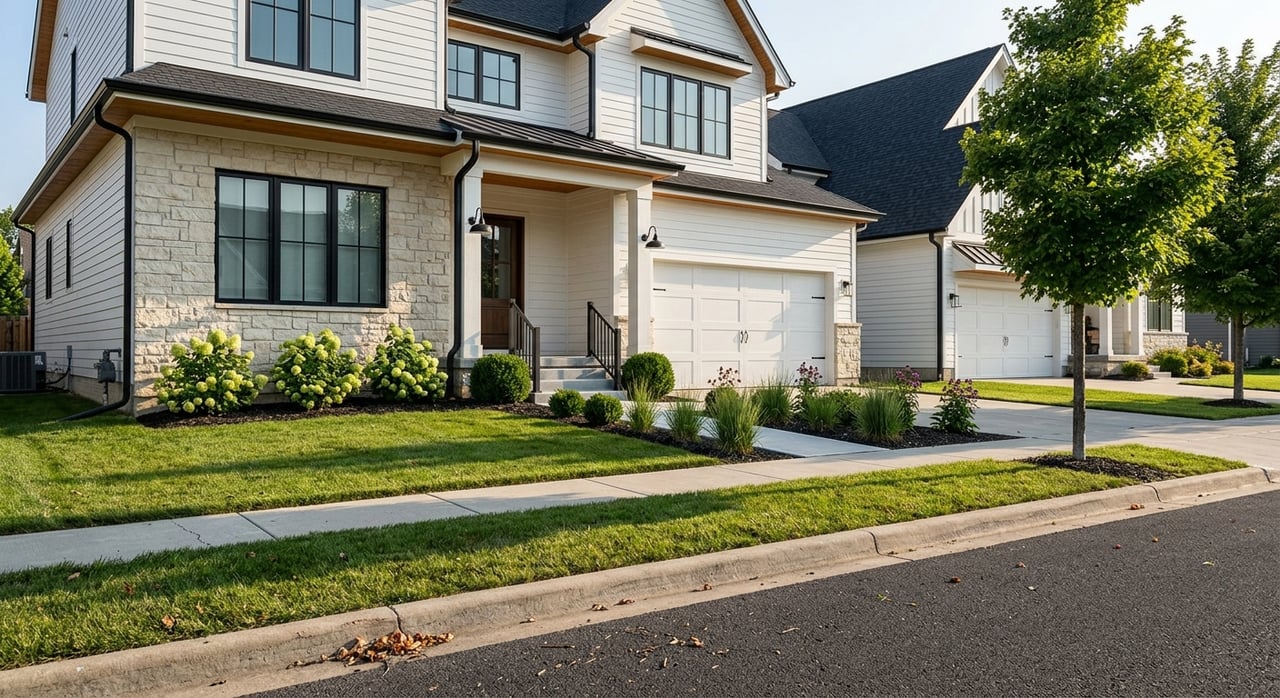
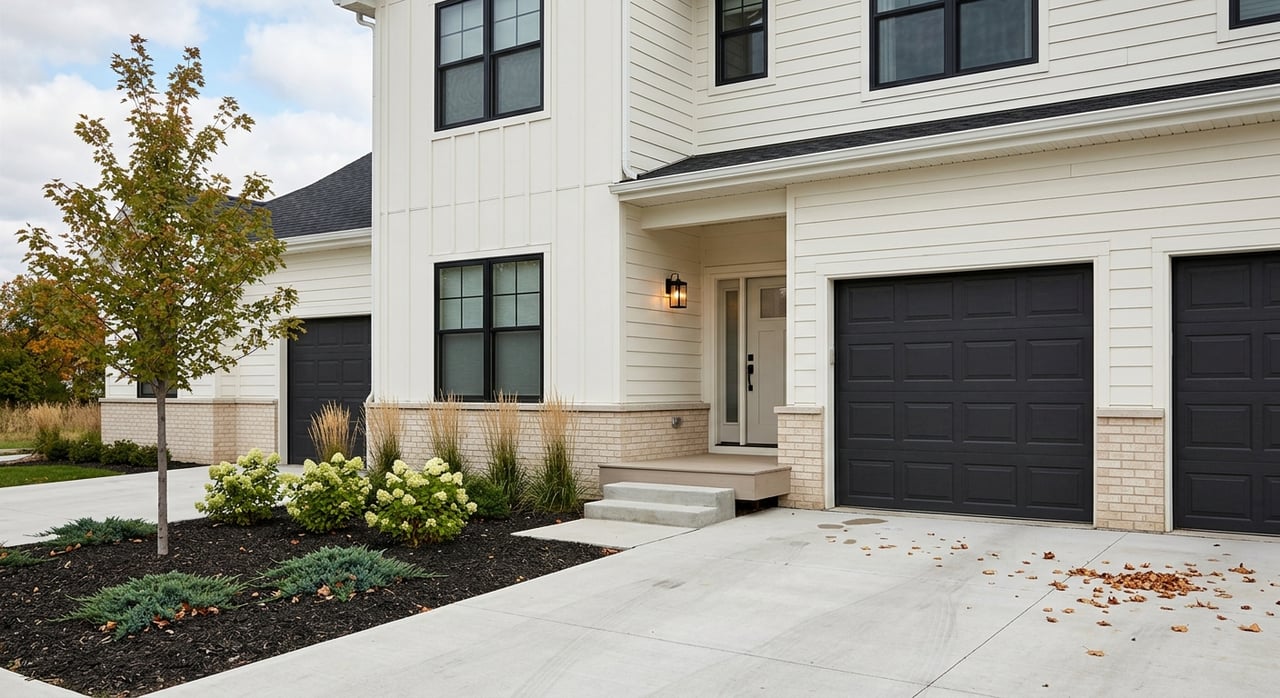
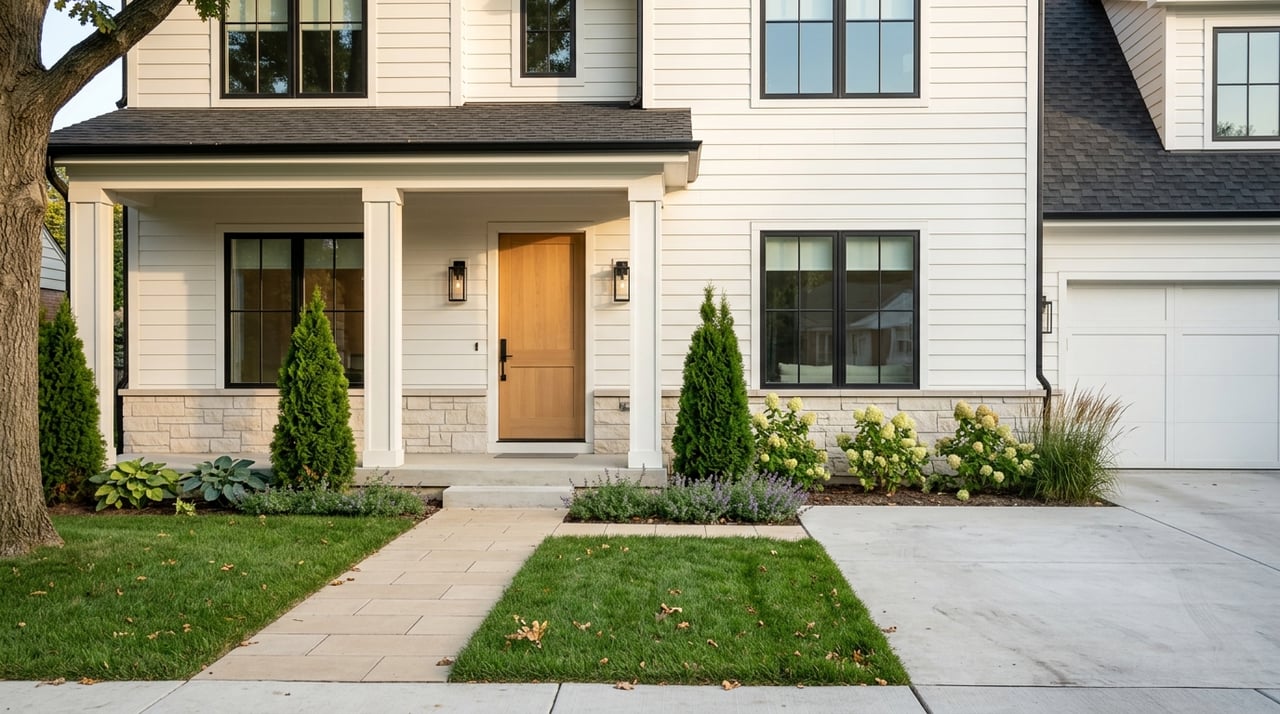
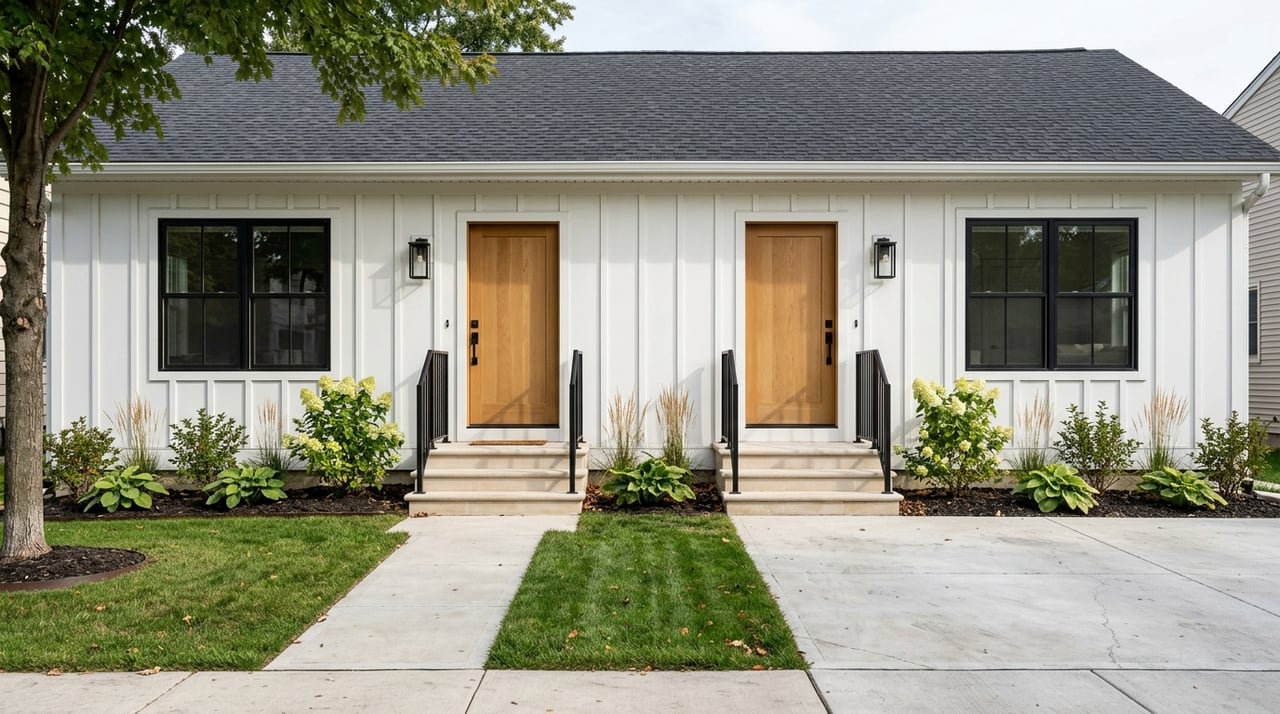
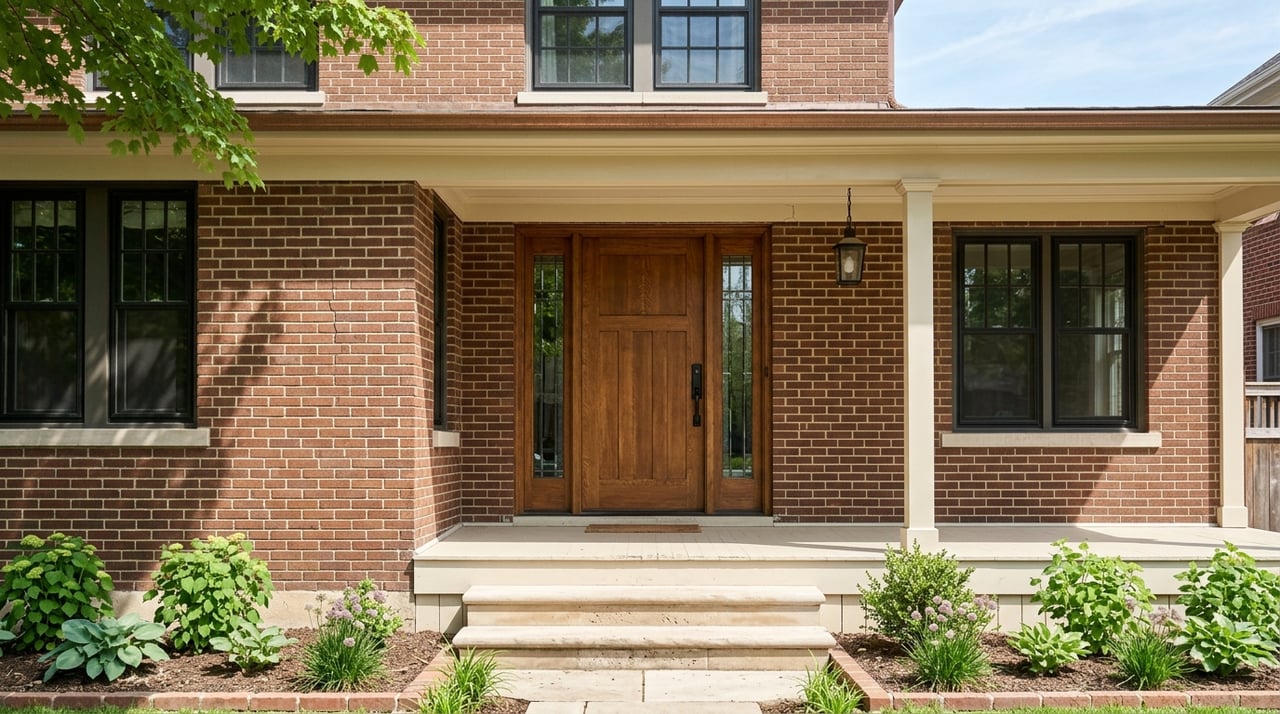
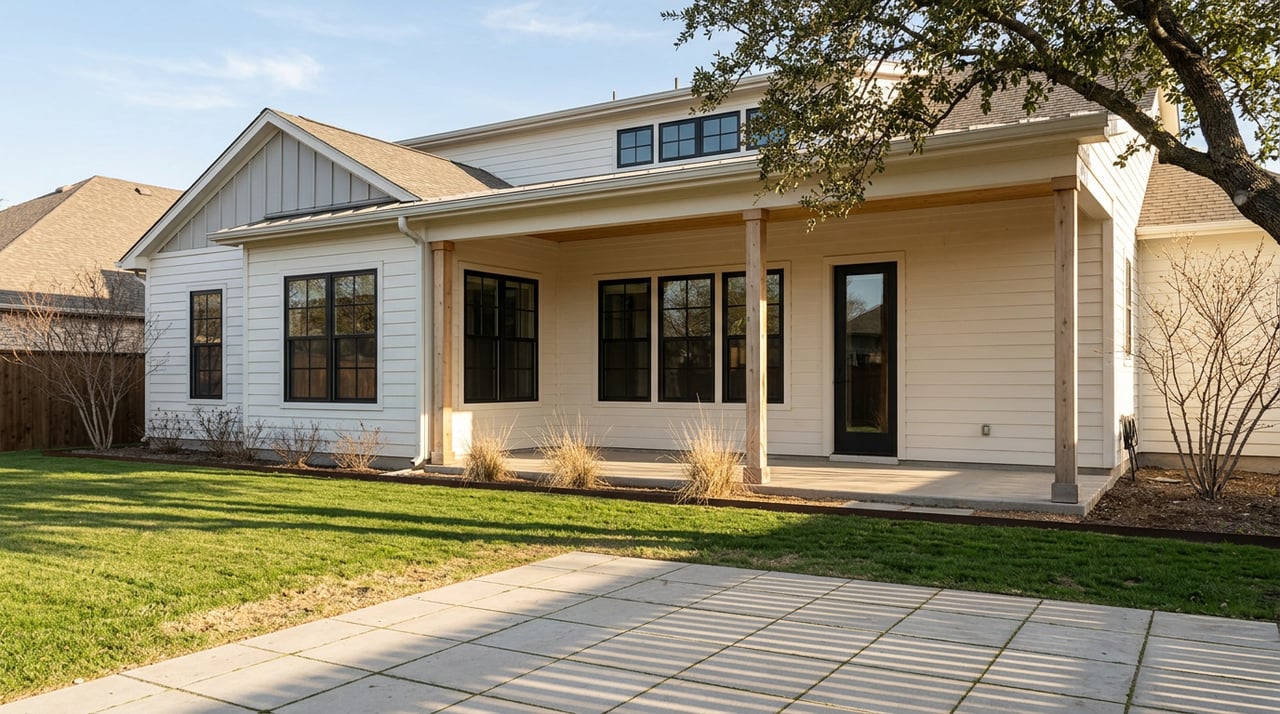
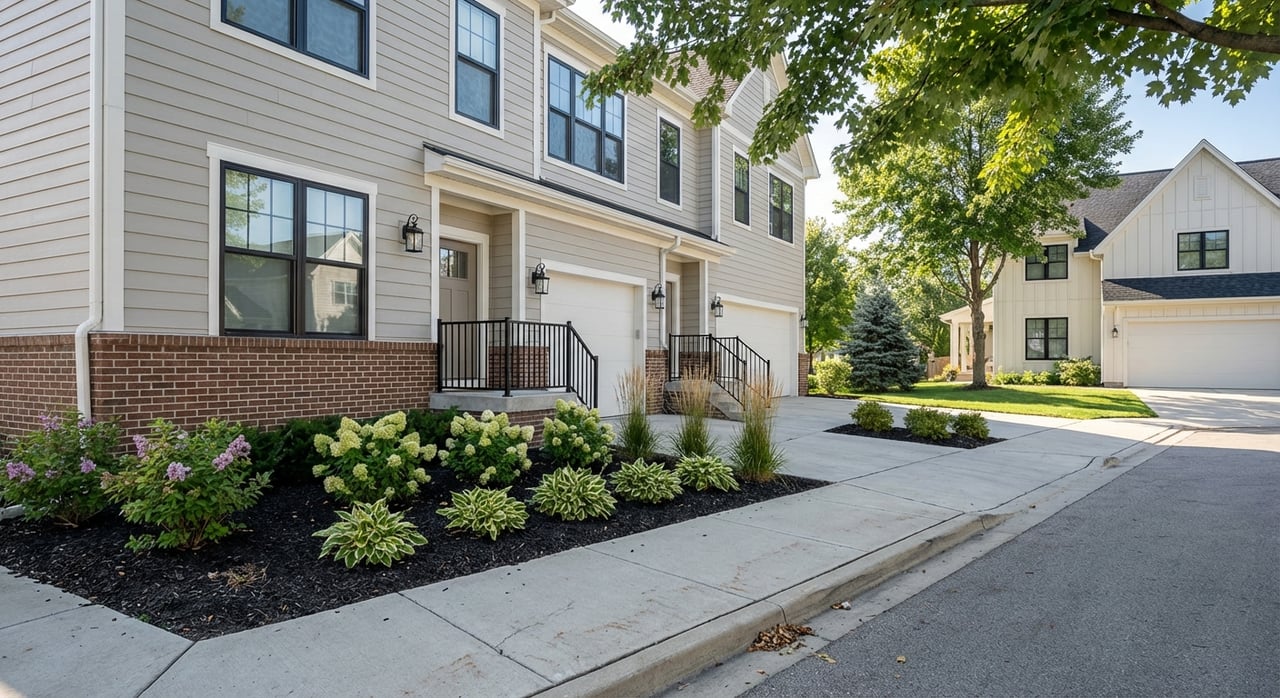
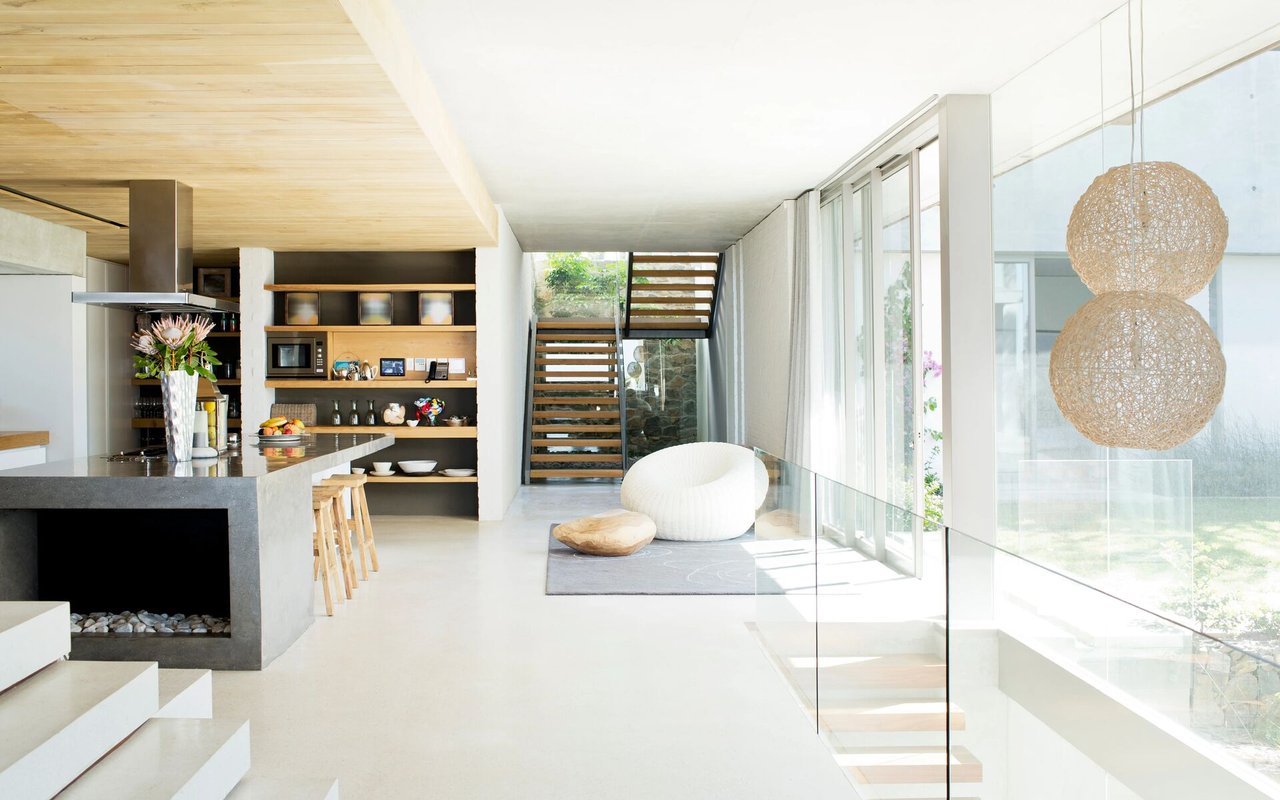
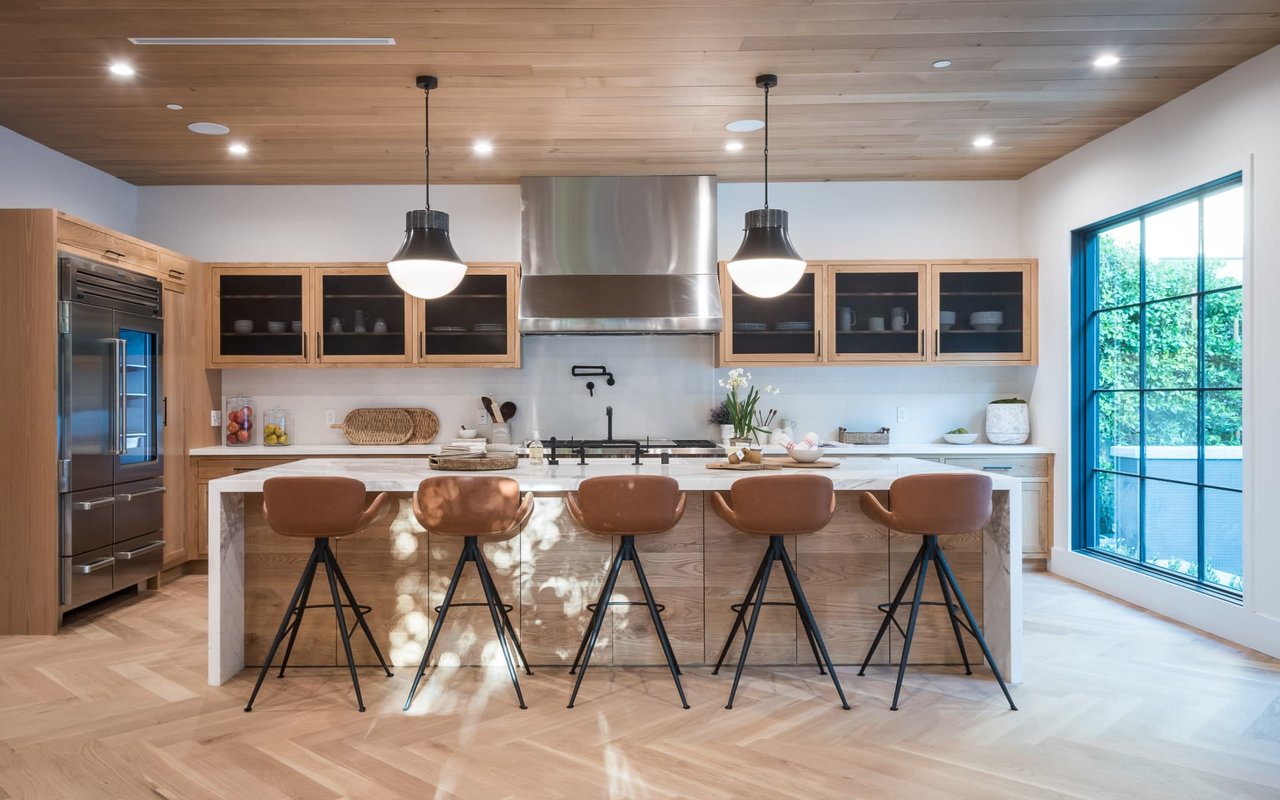
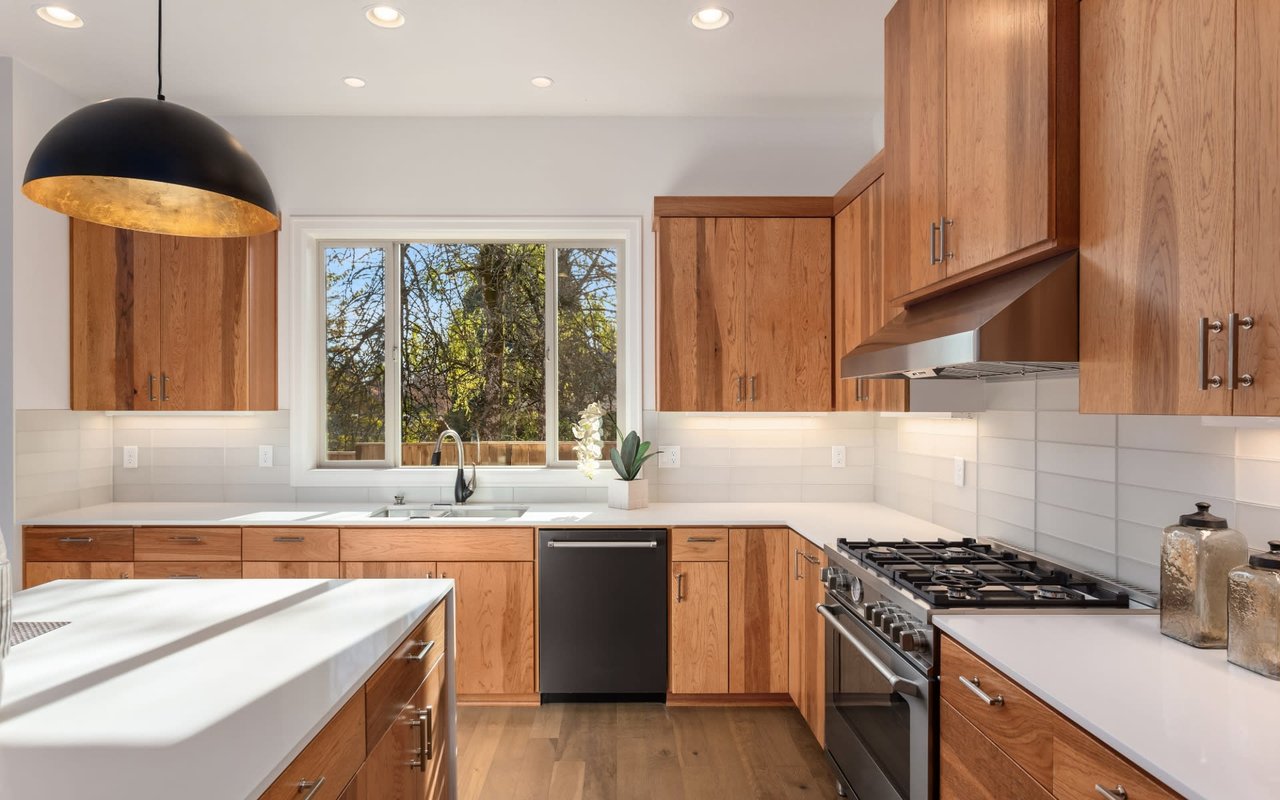
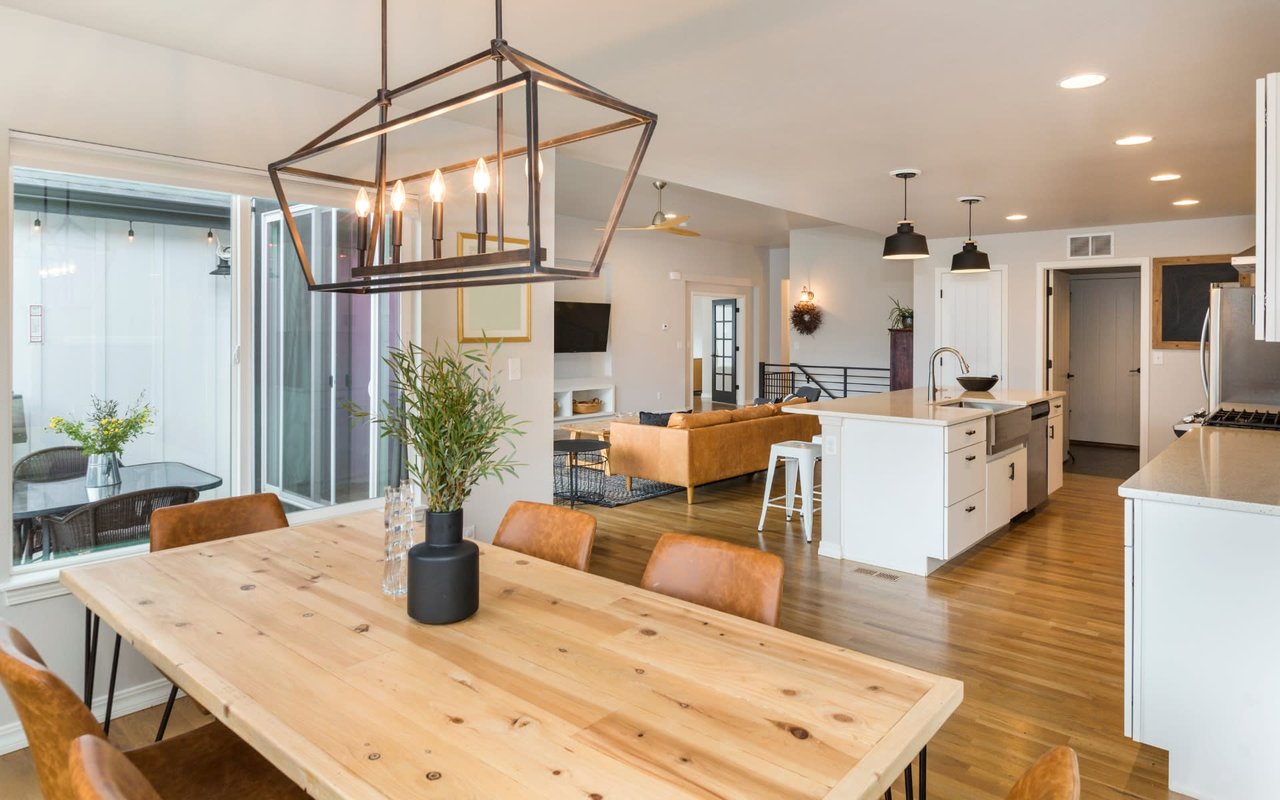
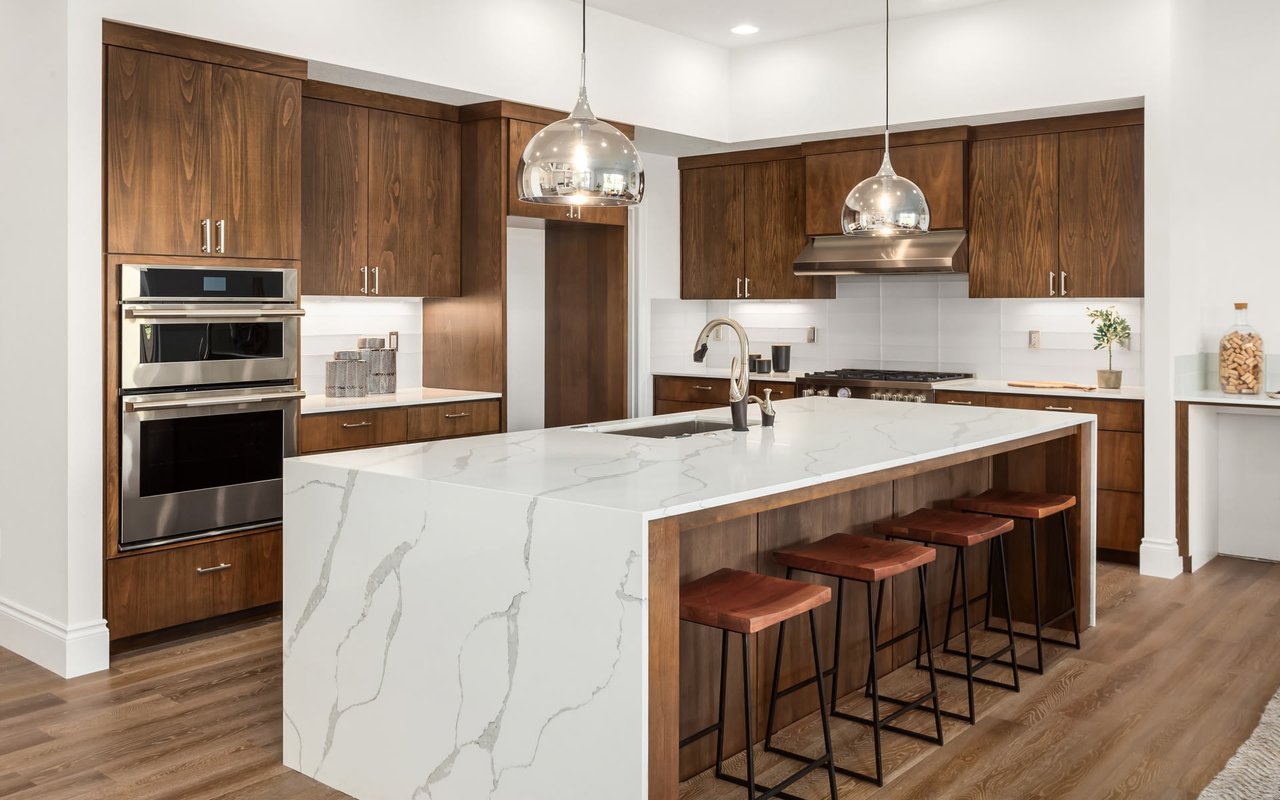
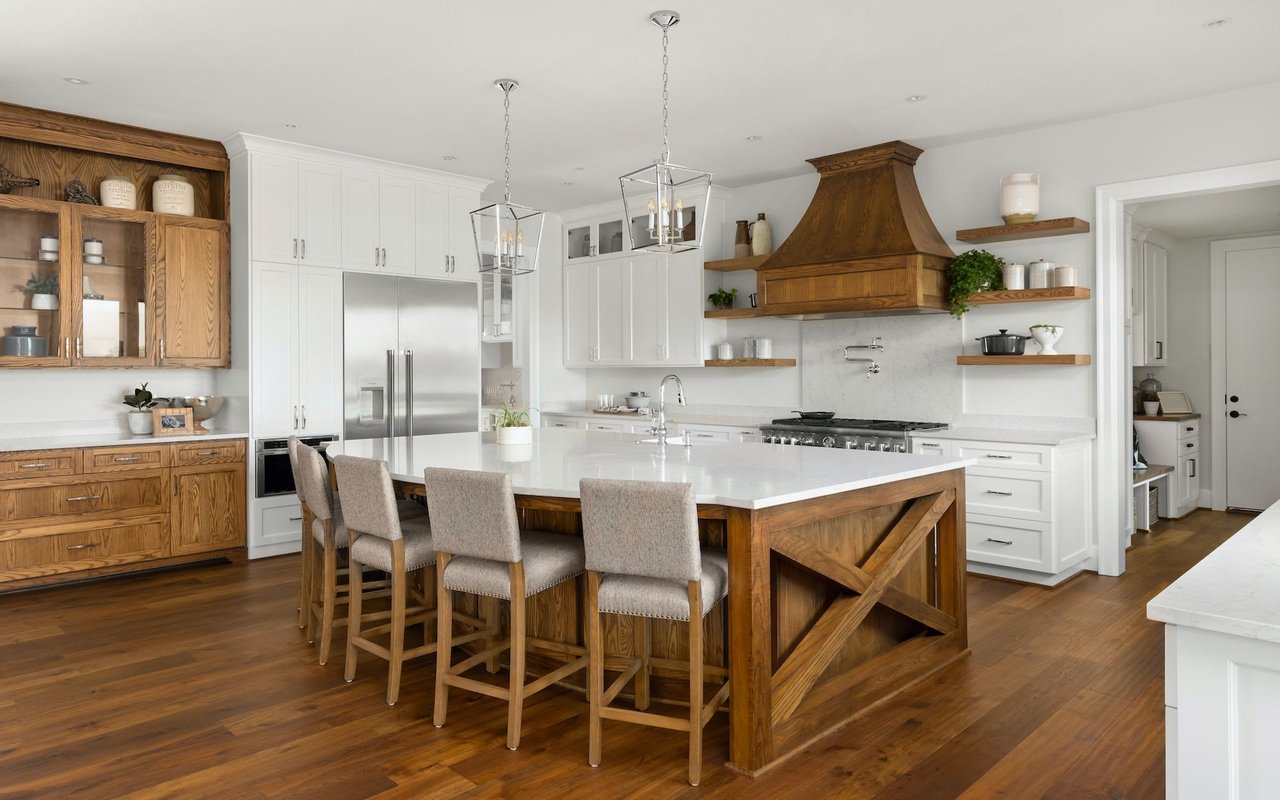
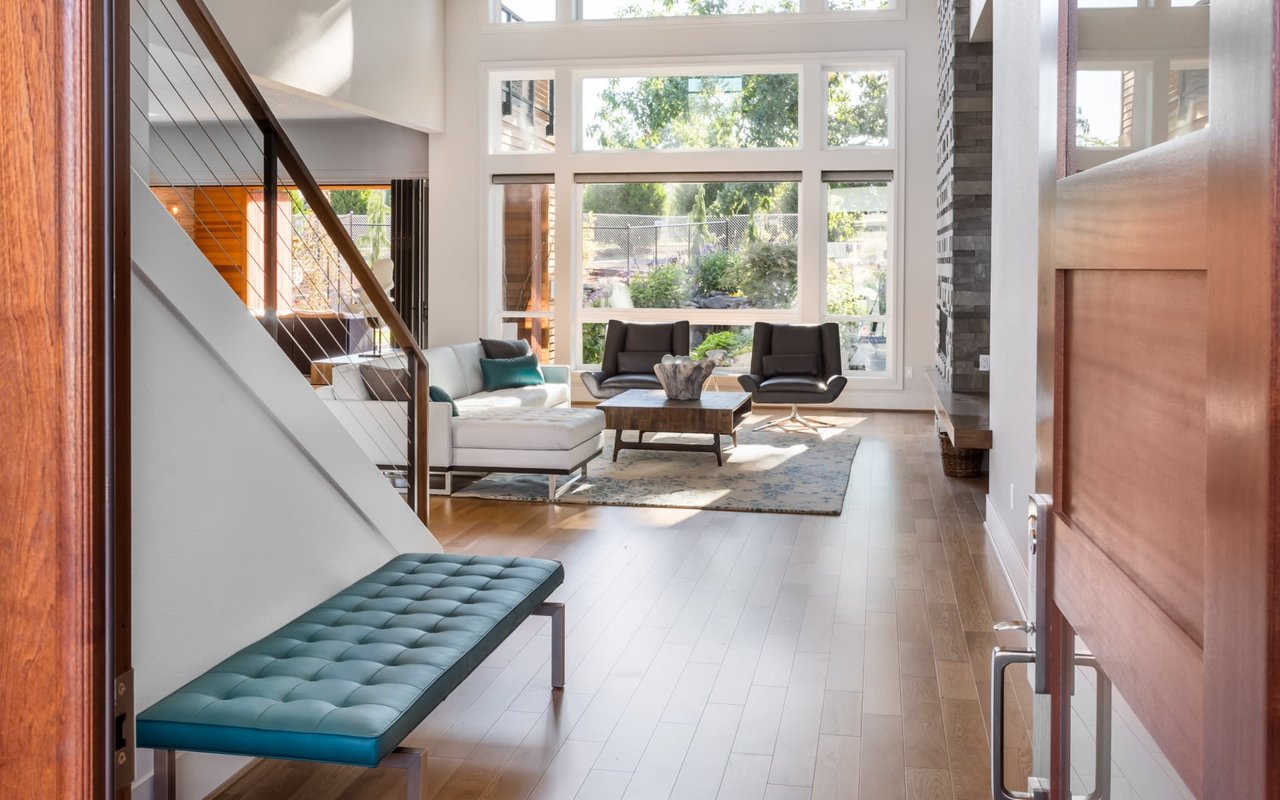
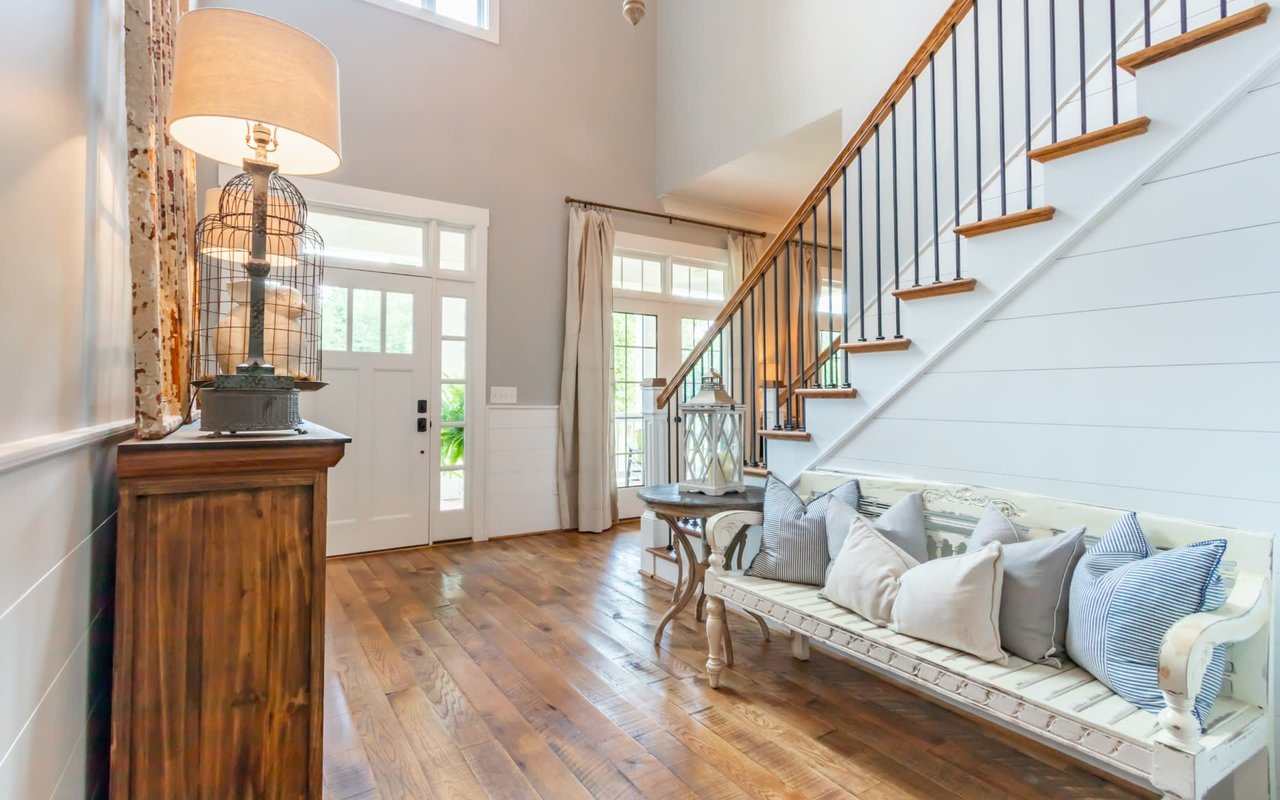
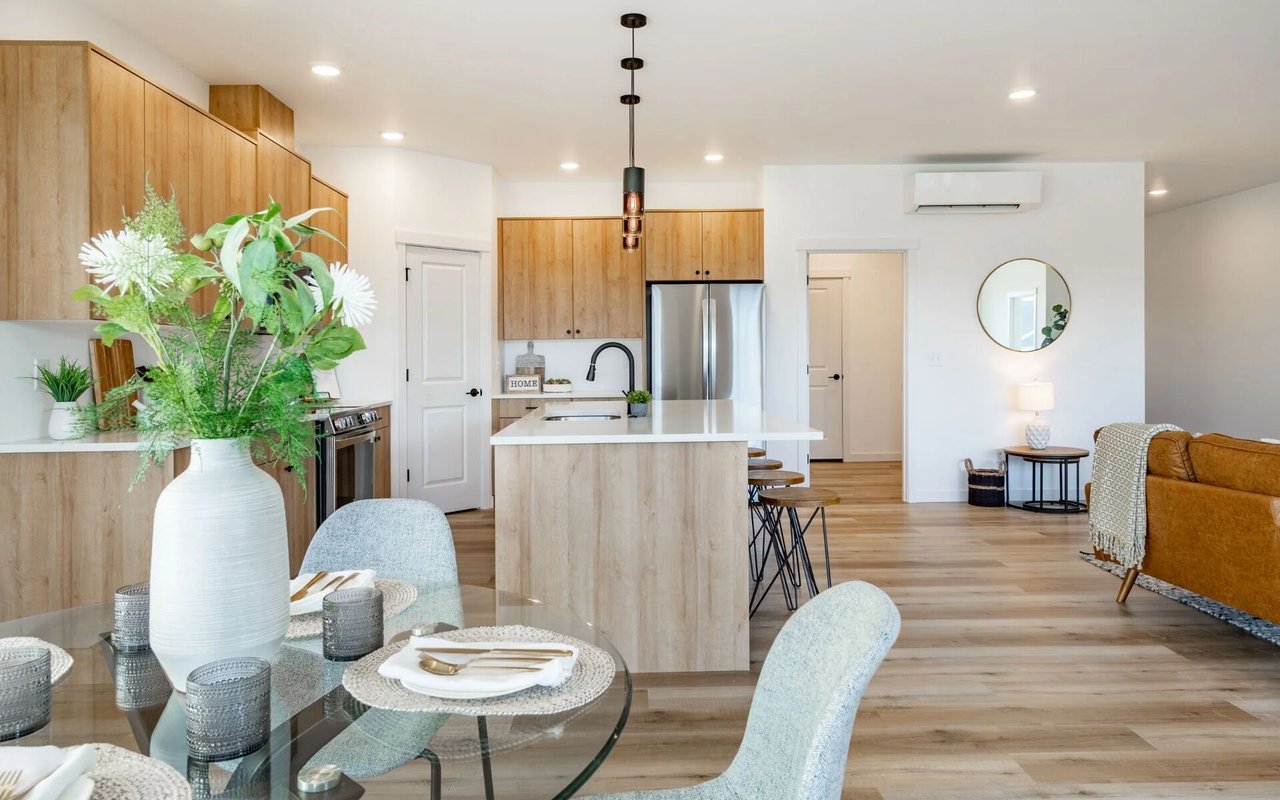
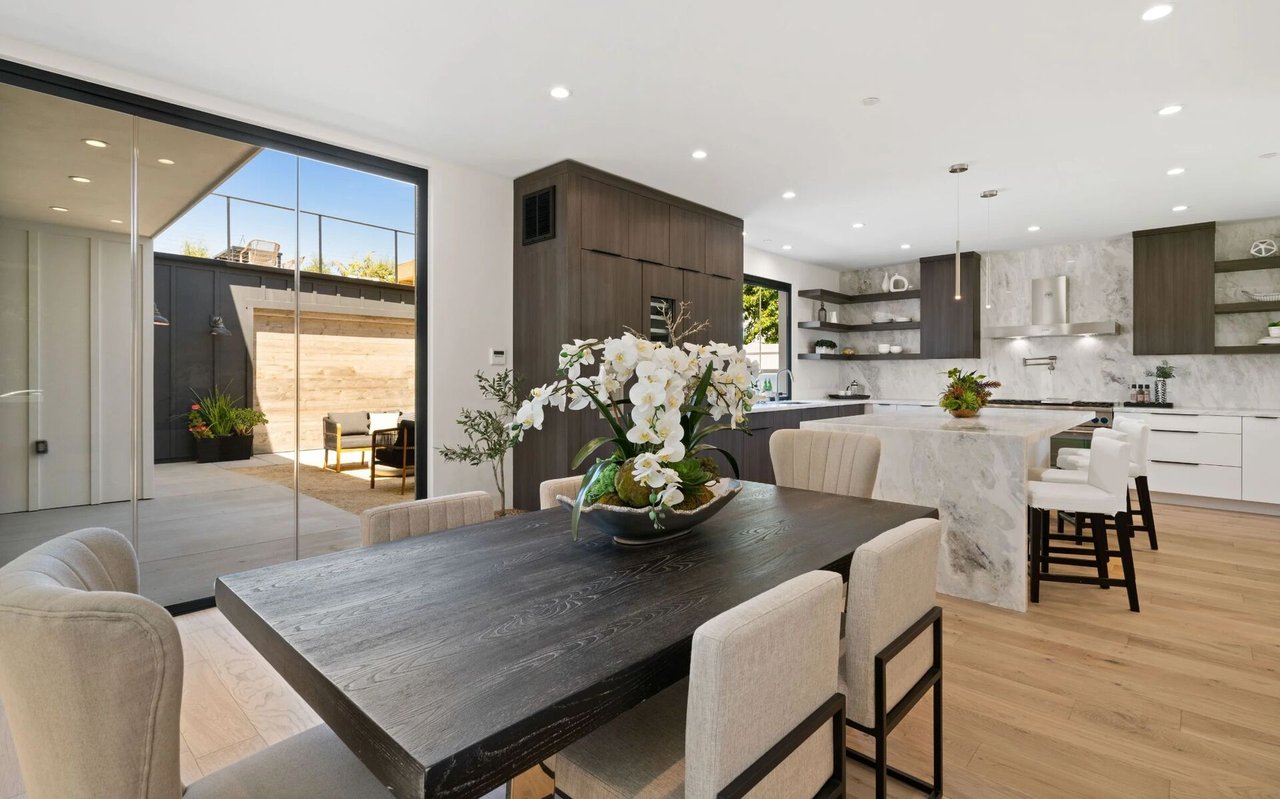
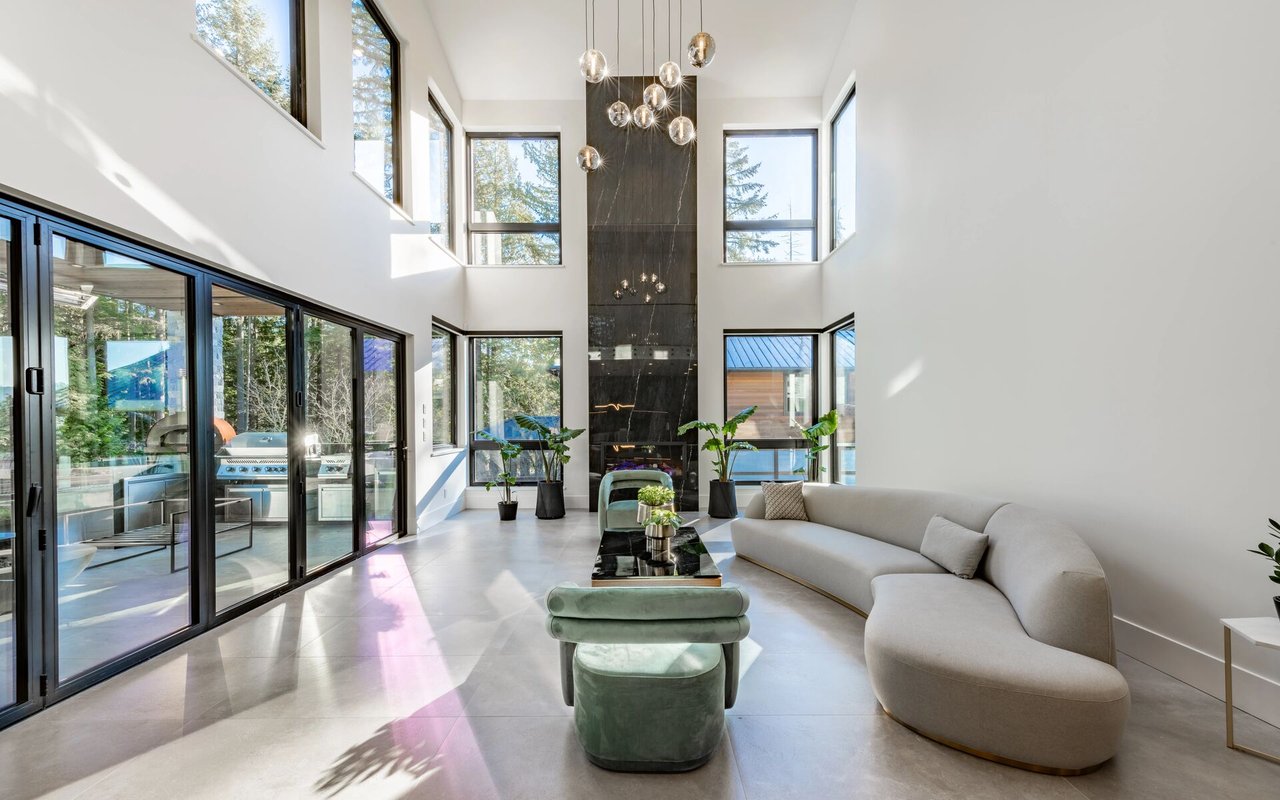
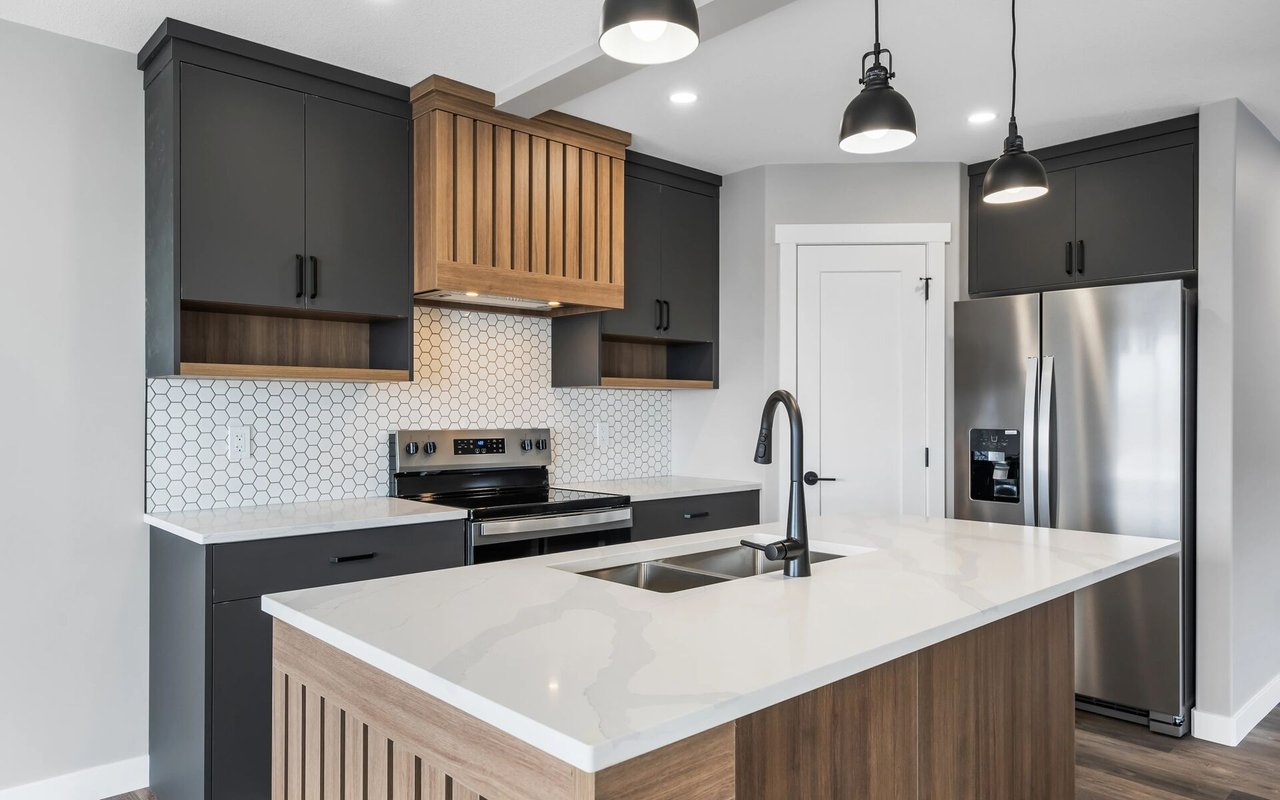
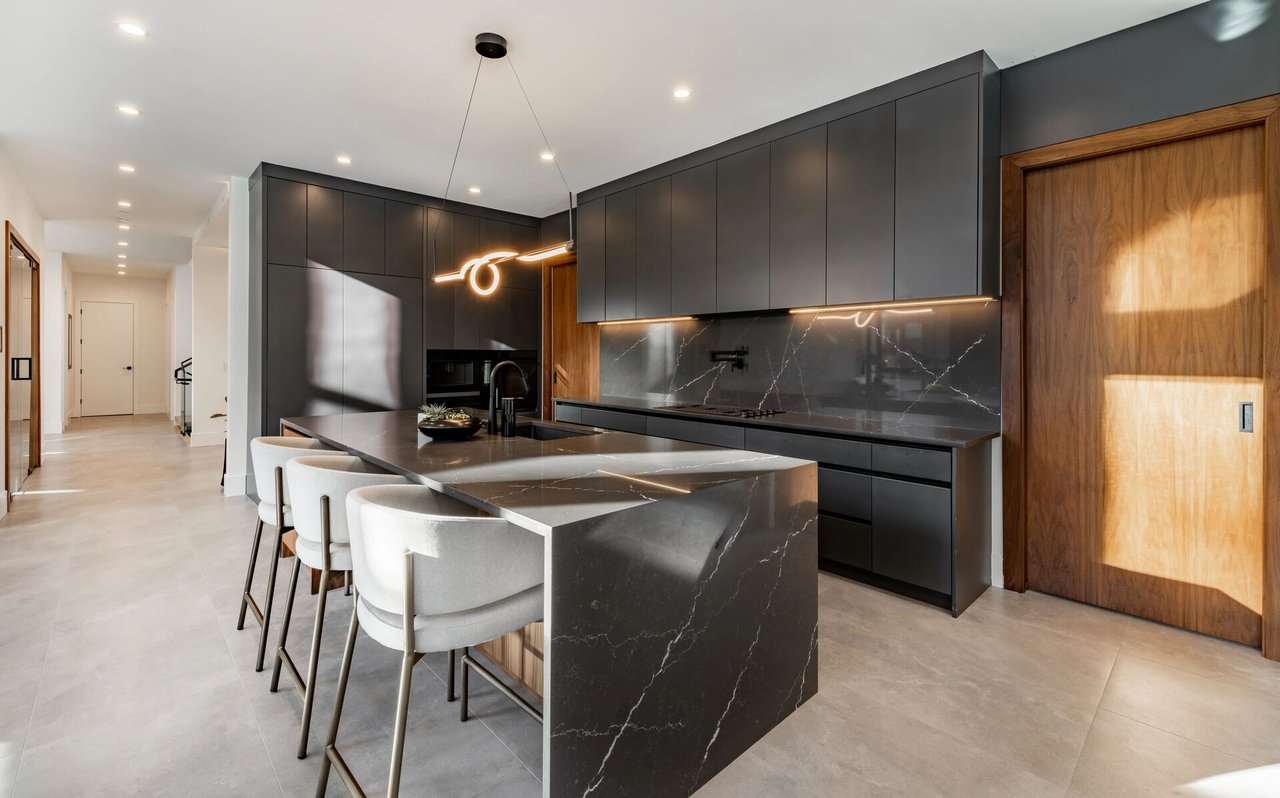
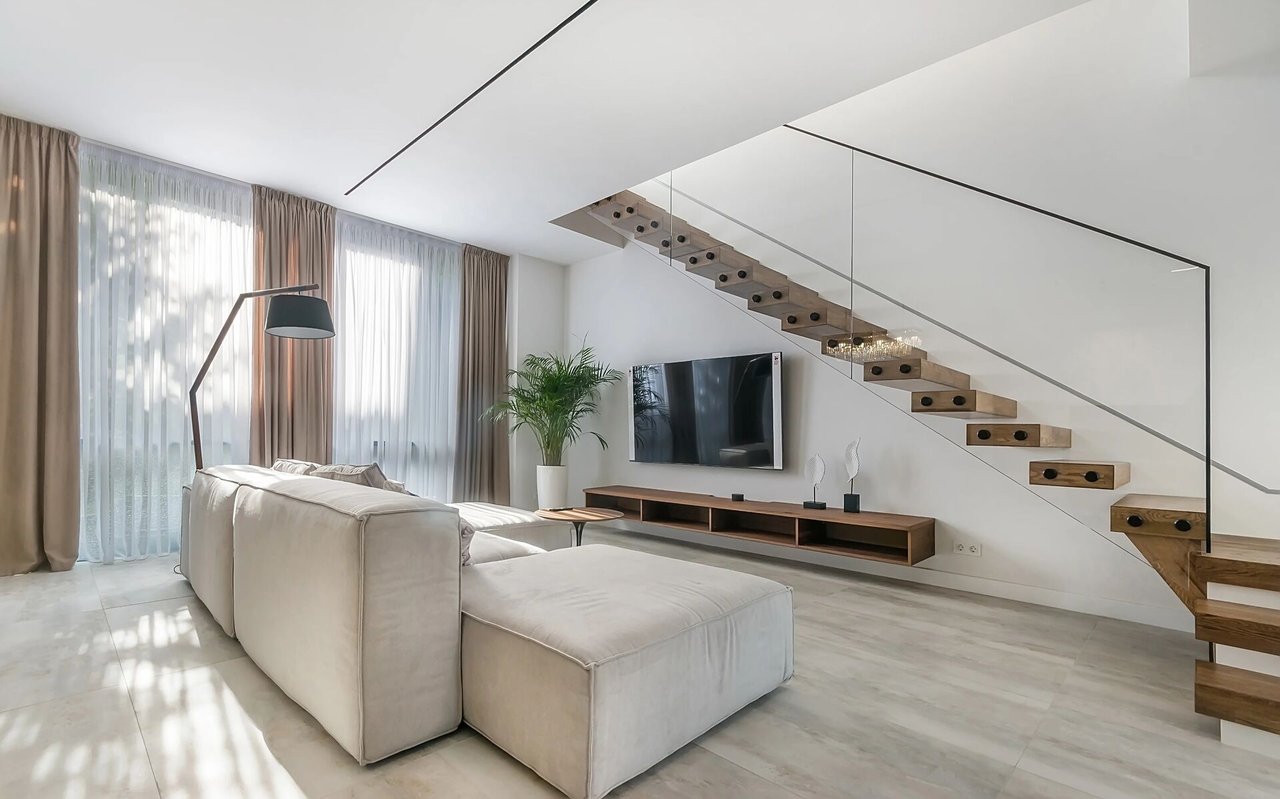
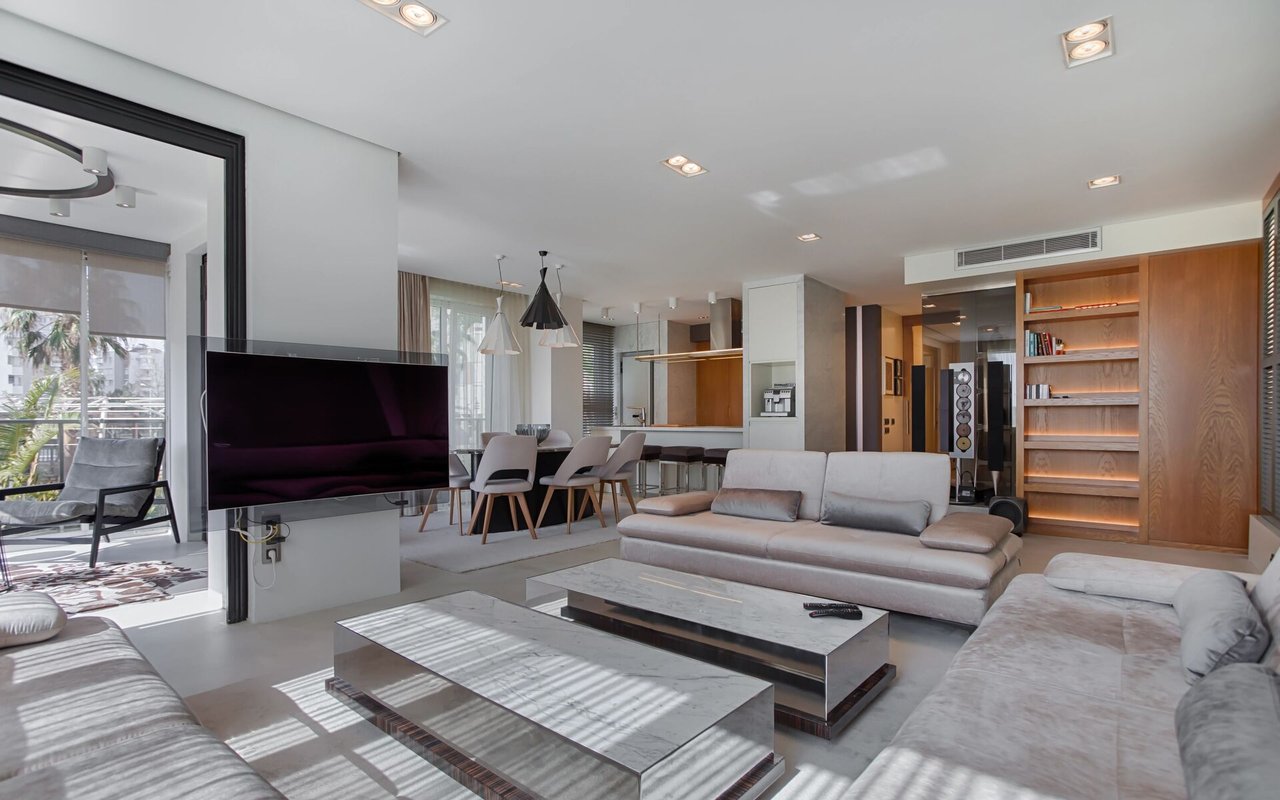
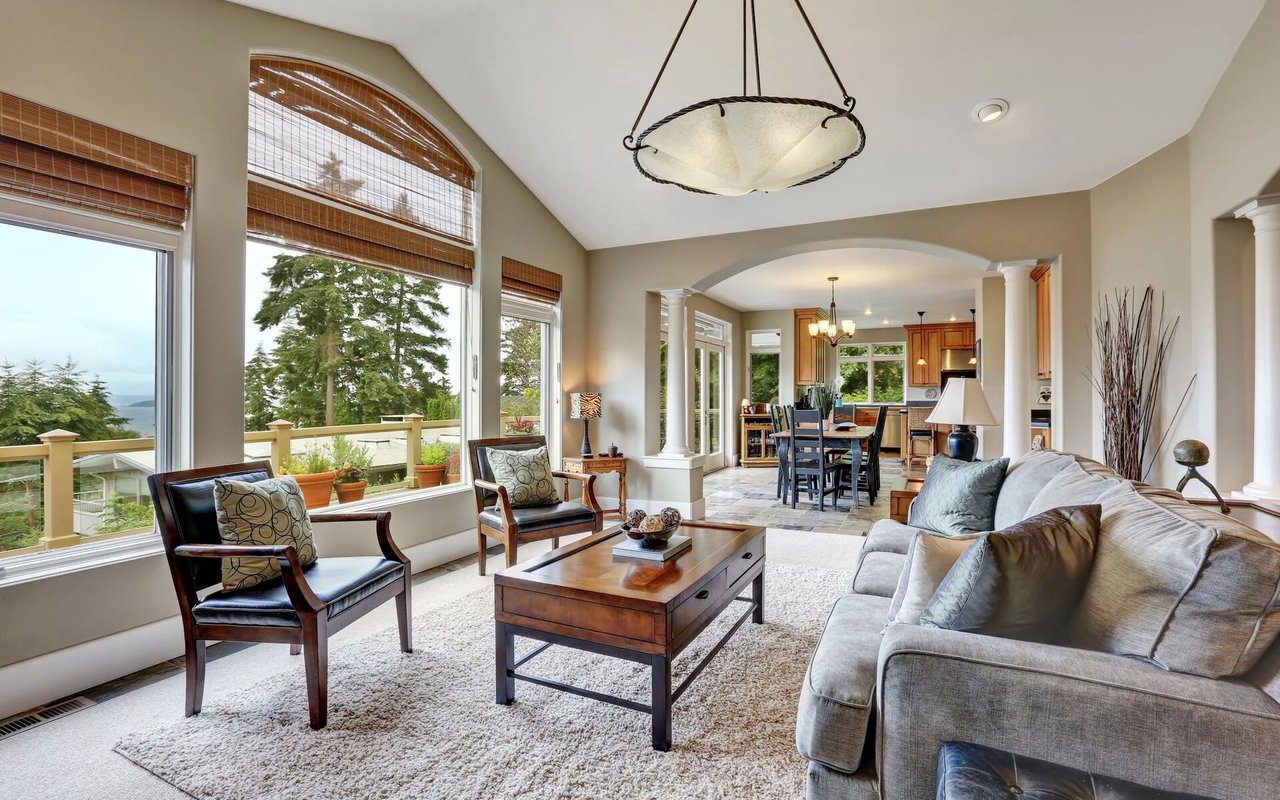
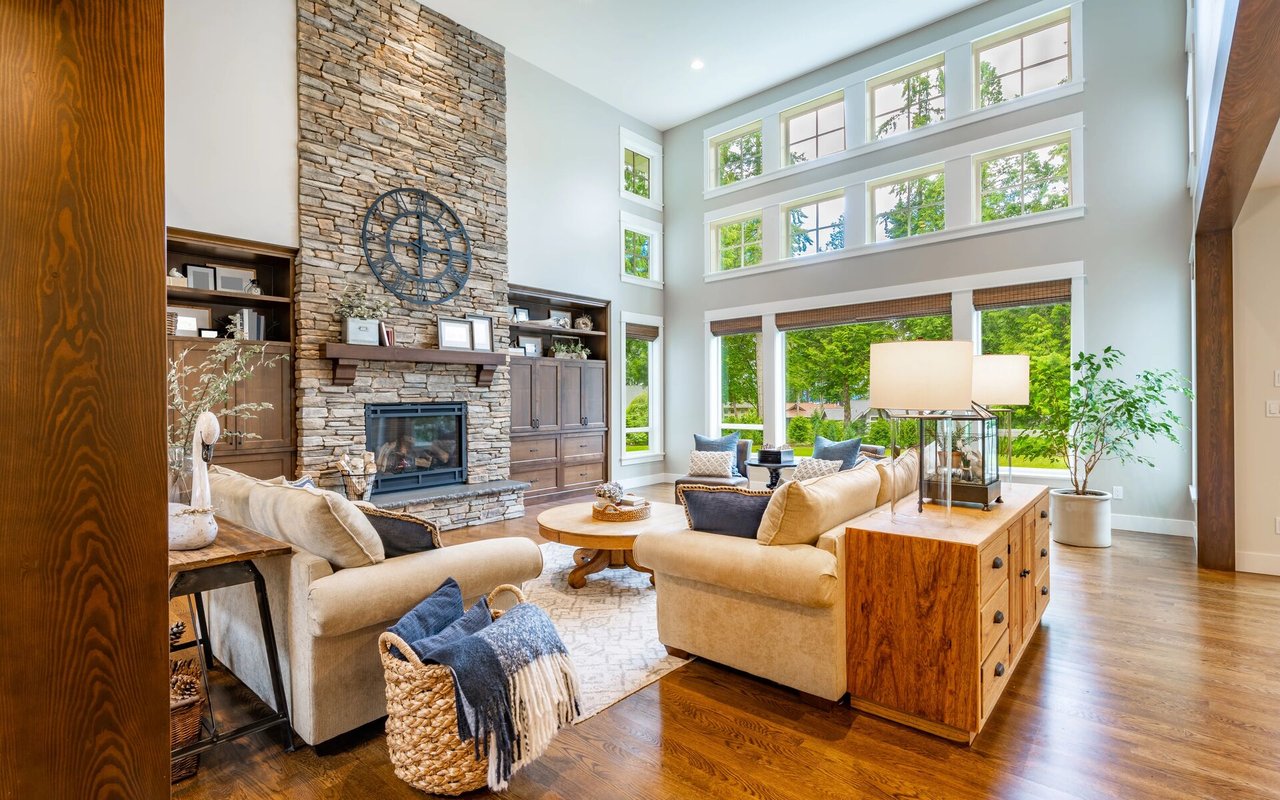
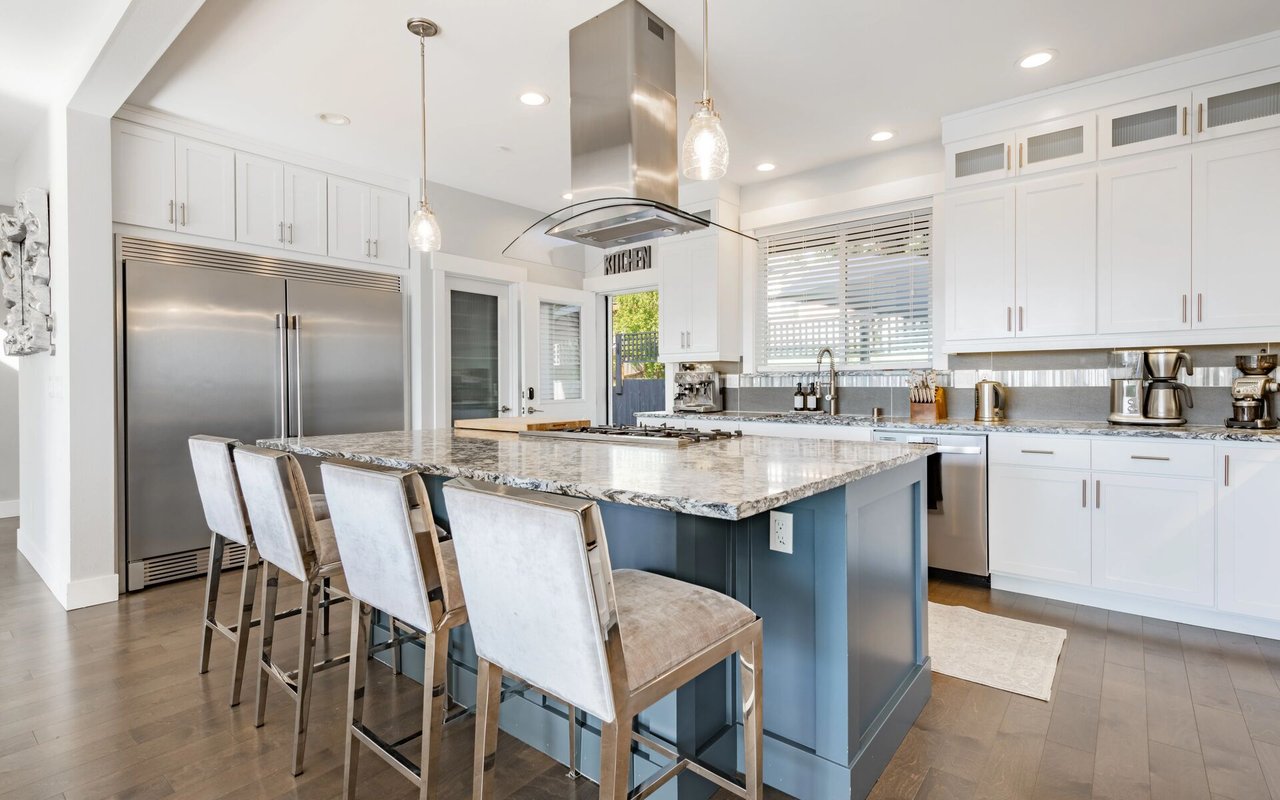
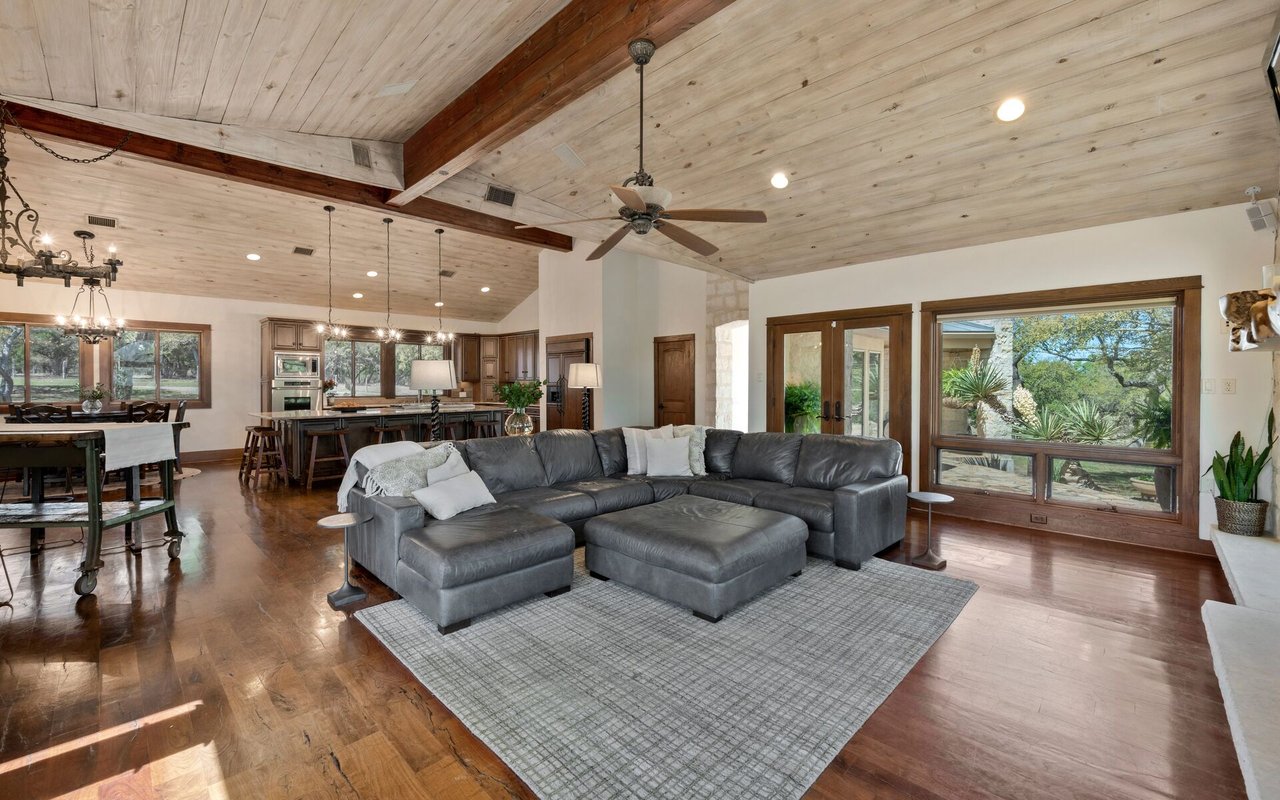
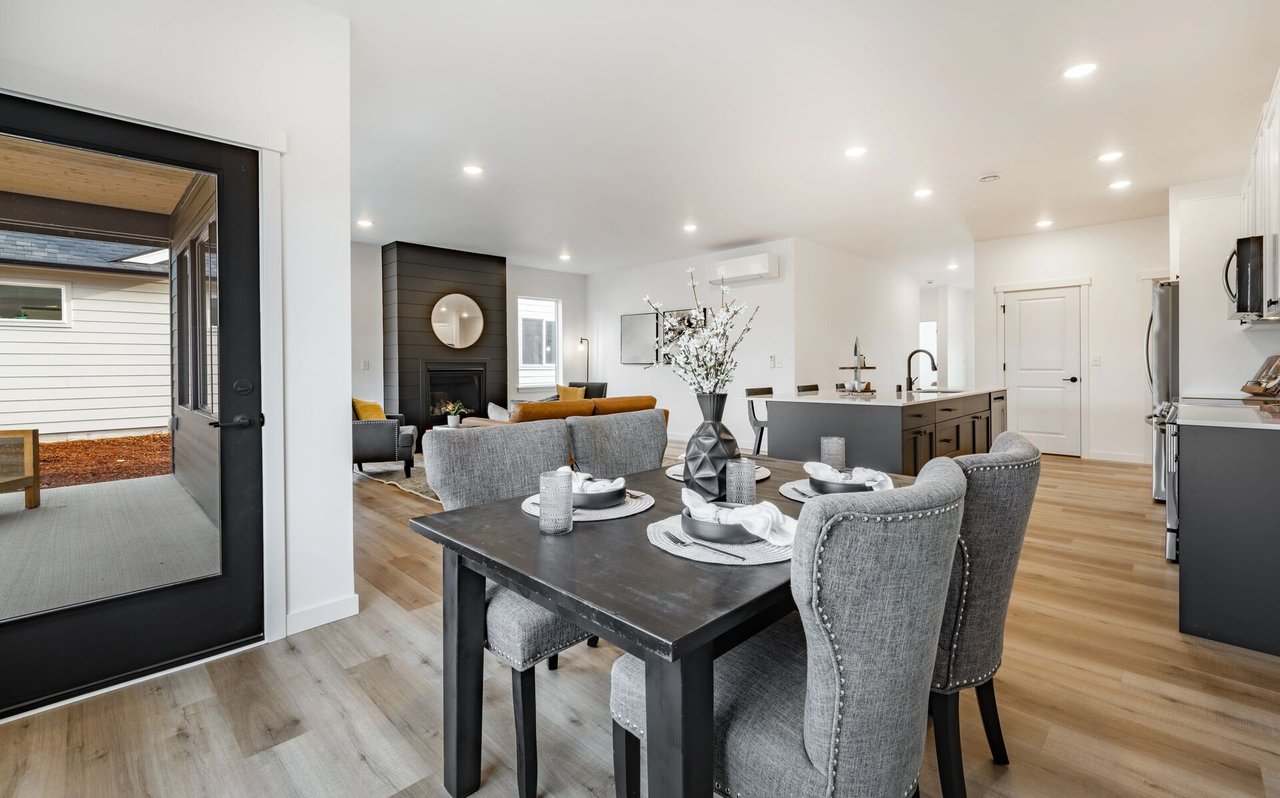
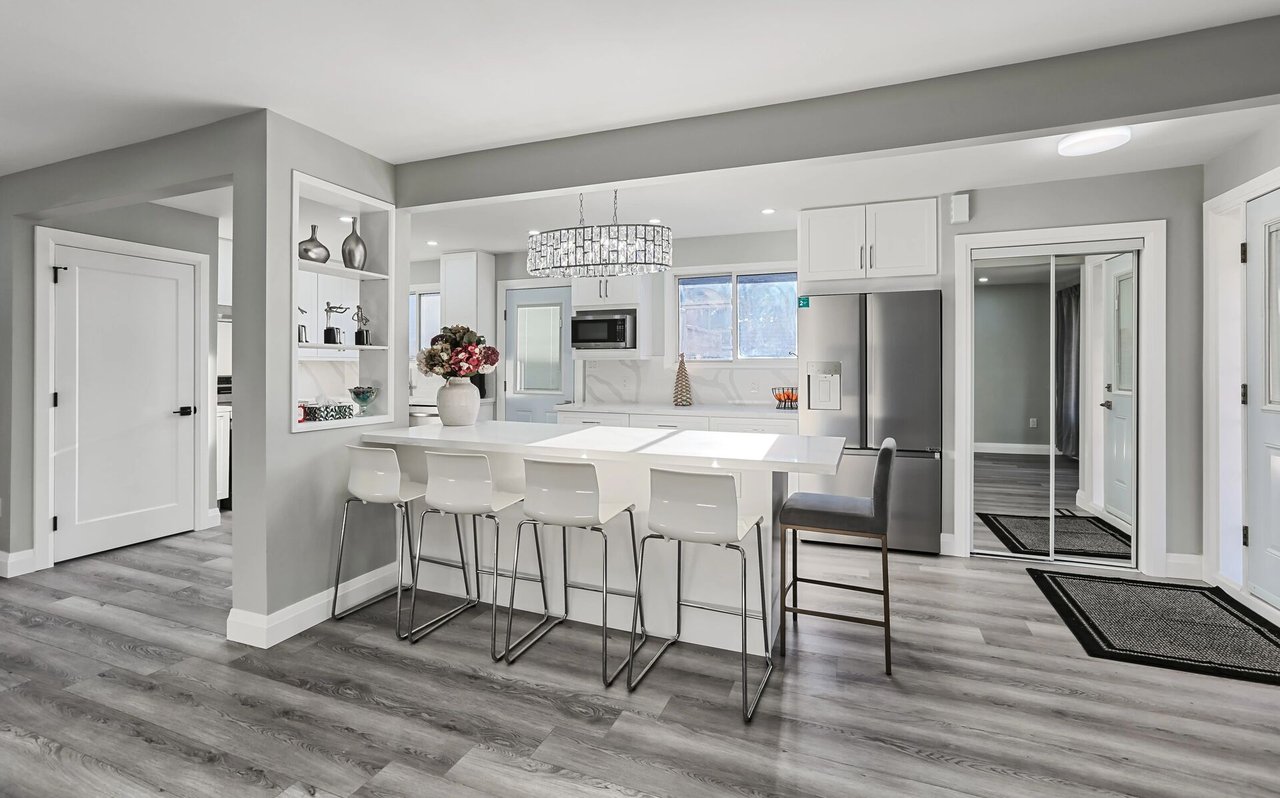
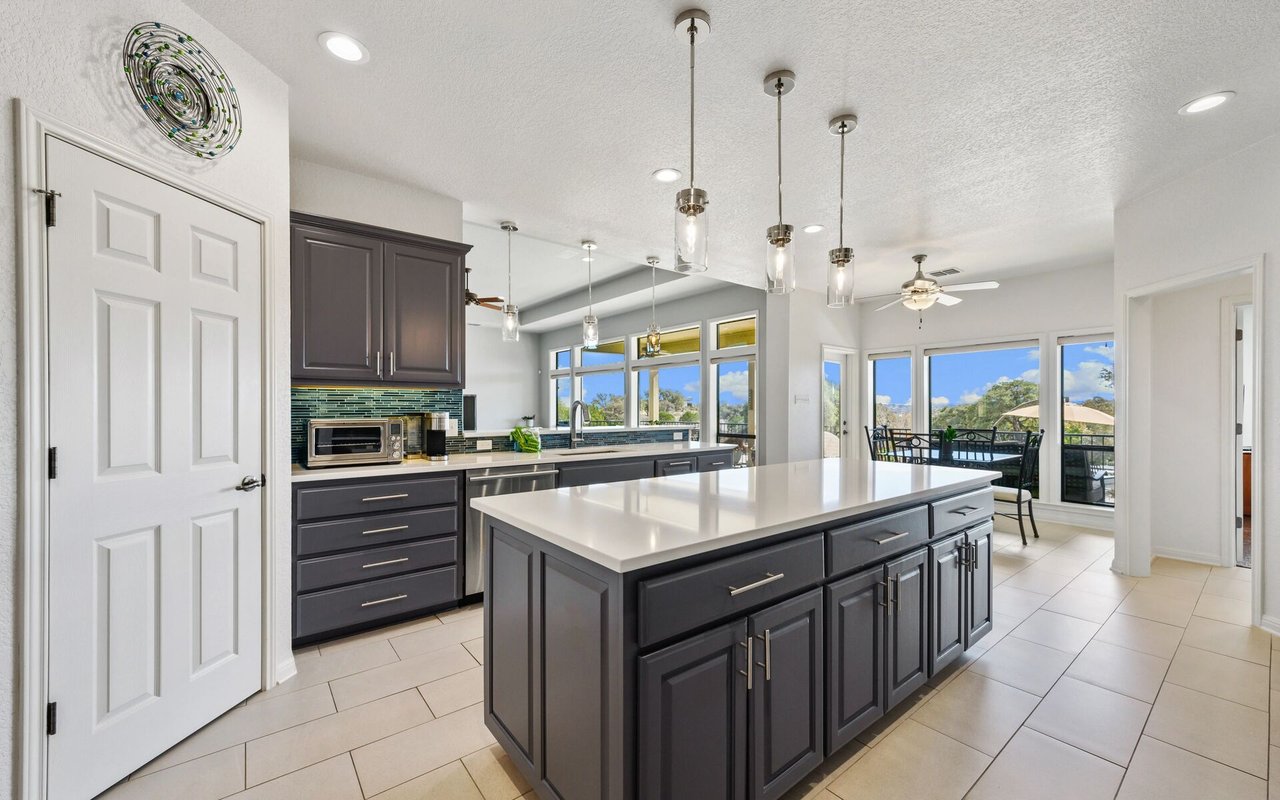
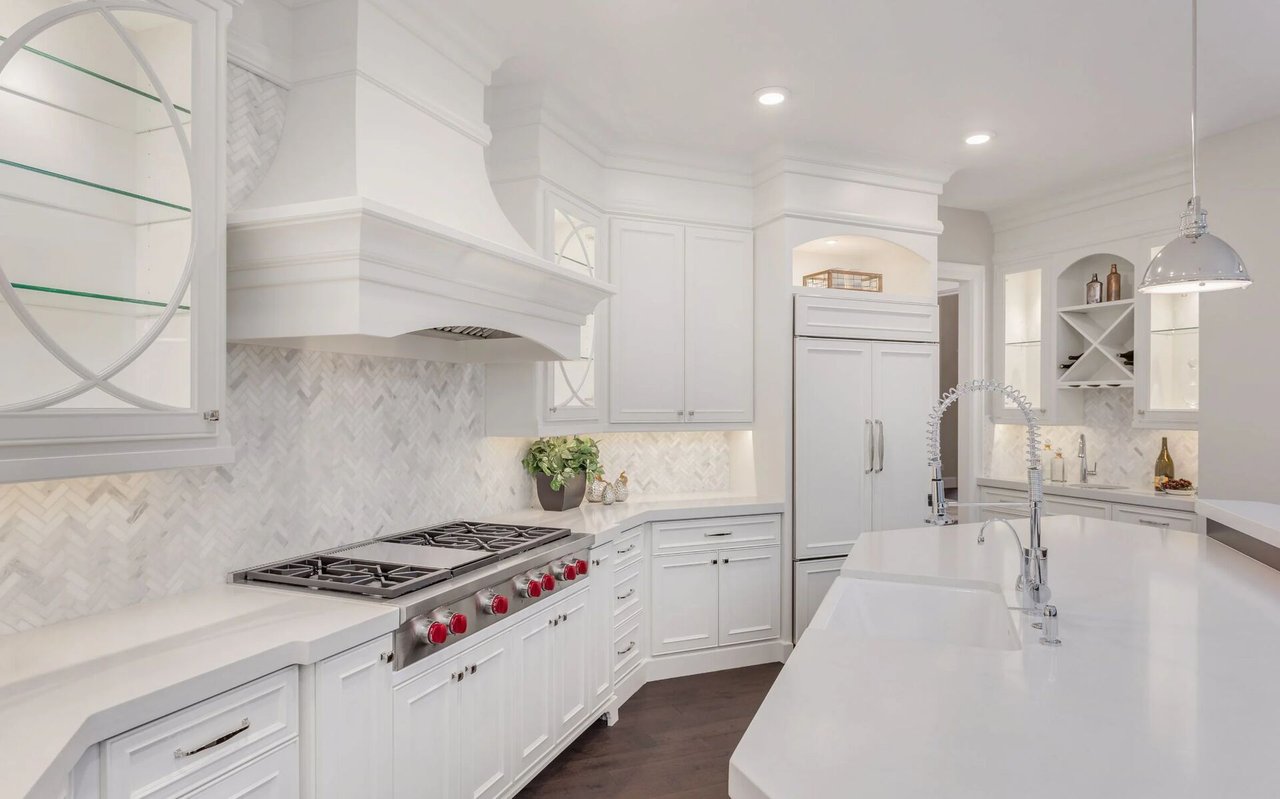
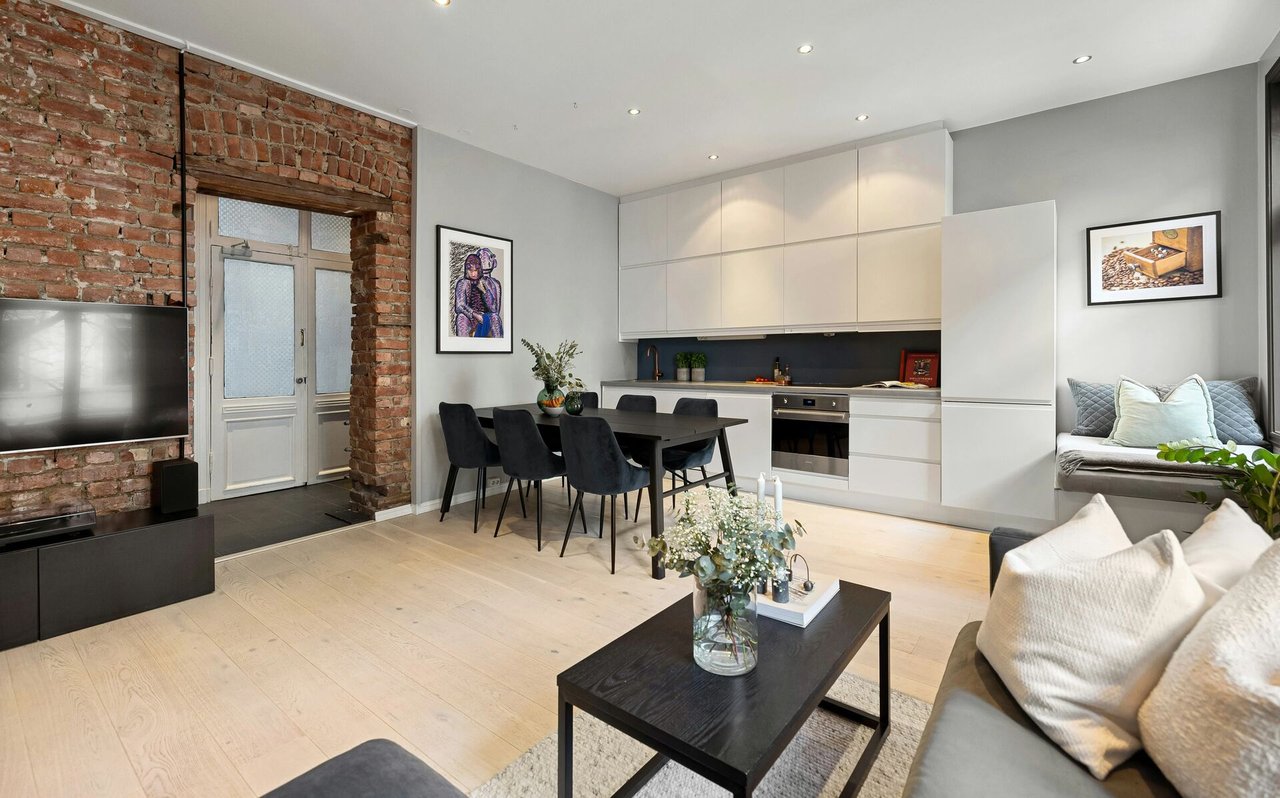
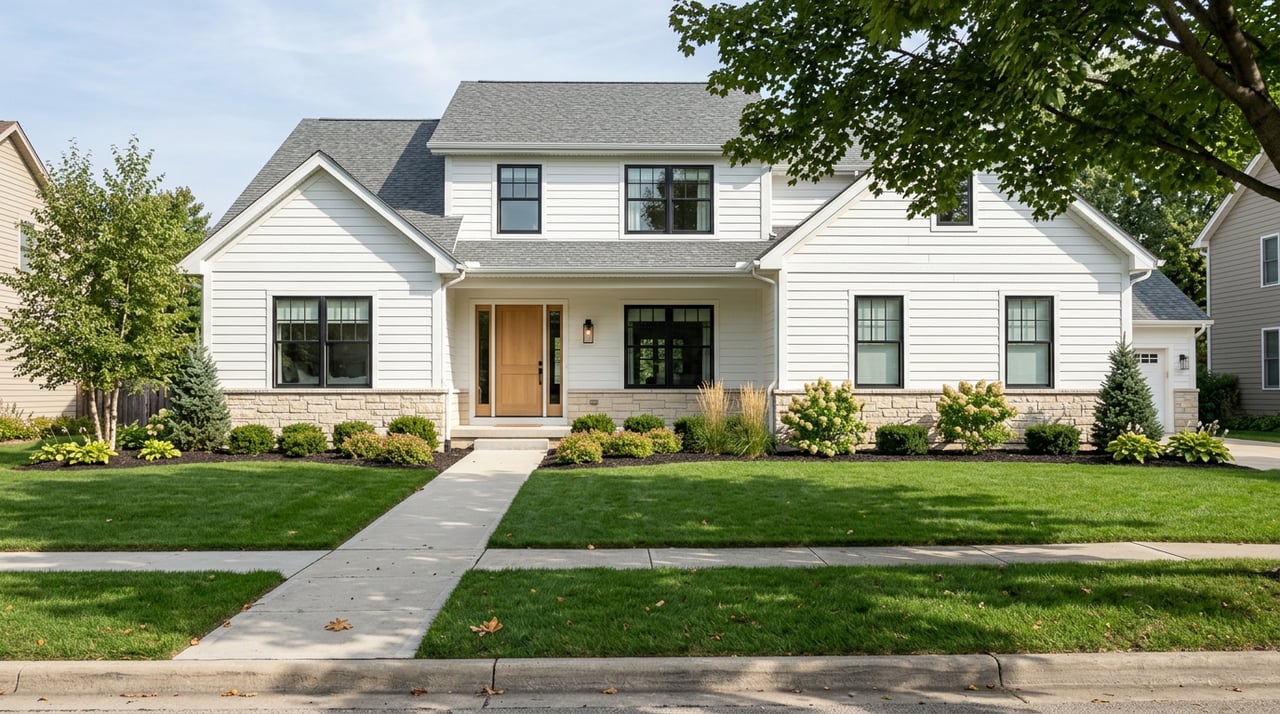
You will notice a shift from urban condos and triplexes to a large supply of single‑family homes. Expect ramblers, split‑levels, two‑stories, and 1990s–2000s suburban plans, along with steady townhome and condo options near major roads. Compared with the core cities, Eagan’s higher owner‑occupied share means more detached homes and garages, plus basements and yards.
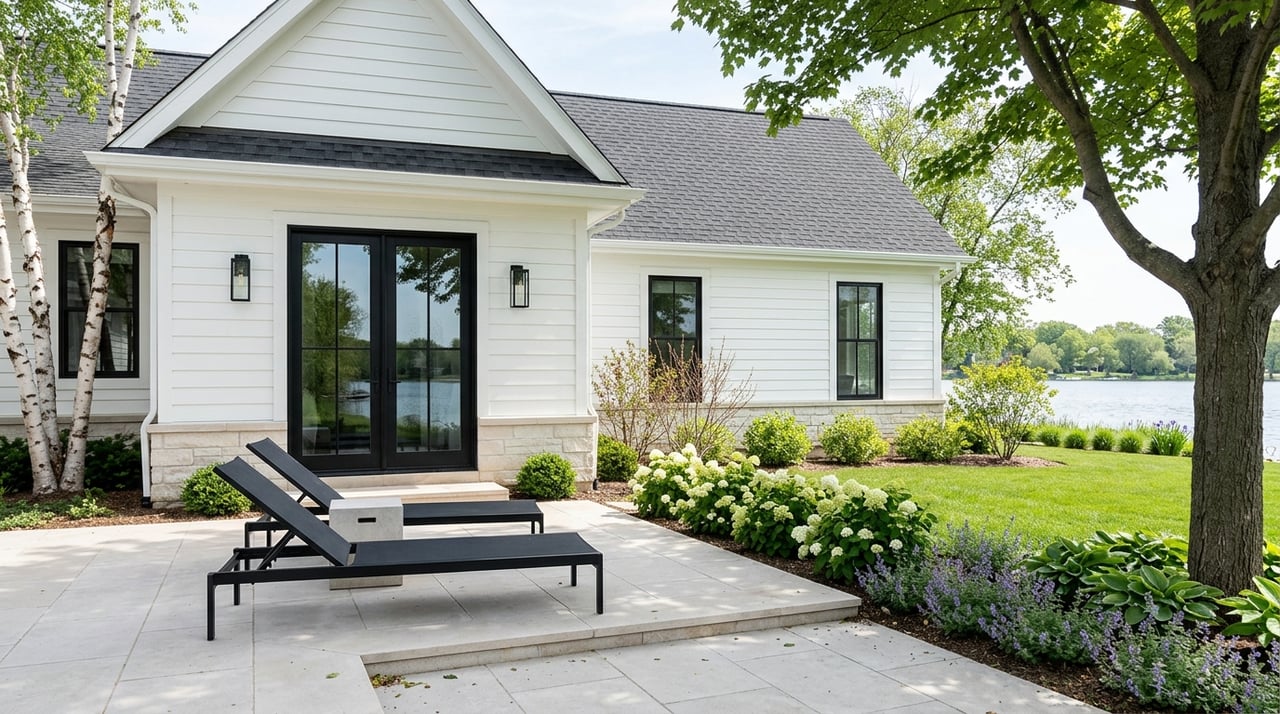
Typical neighborhood references include areas near Lebanon Hills, Cedar Knolls, Scott Highlands, Johnny Cake, and the Town Centre corridor. Lot sizes are generally larger than what you find in Minneapolis or St. Paul, though exact dimensions vary by subdivision. If yard space matters, you will have more choices here.
For price context, the ACS 2019–2023 estimate shows a median value of owner‑occupied housing around $380,800 in Eagan, per Census QuickFacts. Actual sale prices move month to month by product type and neighborhood, so compare single‑family versus townhome listings when you get serious.
Commute and transportation
Driving patterns
Most residents drive for weekday trips. DataUSA’s Eagan profile shows a majority of commuters driving alone, with a meaningful share working from home. If you depend on a specific route, test it at your actual commute times to verify how it feels in real traffic.
Transit options
Minnesota Valley Transit Authority (MVTA) serves Eagan with local lines, express routes to the downtowns, and multiple park‑and‑ride hubs, including Eagan Transit Station and Cedar Grove Transit Station. Explore routes and schedules on the MVTA Eagan page.
Eagan also connects to the METRO Red Line, a bus rapid transit service along Cedar Avenue that links to Mall of America for transfers to the Blue Line light rail. That can make car‑lite trips to Minneapolis more workable. See the route overview on the METRO Red Line page.
Airport access
If you travel often, this is a big win. Minneapolis–Saint Paul International Airport (MSP) is typically a 10 to 20 minute drive from many Eagan addresses, depending on traffic and which terminal you use. For context, see airport proximity details for Eagan.
Shopping and daily life
Errands are easy in Eagan. Central Park Commons at Yankee Doodle and Pilot Knob brings together daily‑needs anchors like Hy‑Vee, HomeGoods, Marshalls, and Hobby Lobby, plus a wide mix of restaurants.
For brand‑name shopping, you have the Twin Cities Premium Outlets in Eagan and a short drive to Mall of America for entertainment and dining. Between these hubs and neighborhood centers along Cliff Road and Diffley, most day‑to‑day needs are close by.
Parks and recreation
Outdoor access is a standout. Lebanon Hills Regional Park spans nearly 2,000 acres with miles of trails, lakes, and a year‑round visitor program. In addition, Eagan maintains dozens of neighborhood parks, an outdoor waterpark at Cascade Bay, and an active community center. If you like weekend hikes, paddleboarding, or kid‑friendly splash days, you will use these amenities often.
Costs and taxes to consider
- Housing values: The ACS estimates Eagan’s median owner‑occupied value around $380,800. Use this as a directional benchmark while you compare current listings by product type and neighborhood.
- Sales tax: Minnesota’s state sales tax rate is 6.875%. Local and special district taxes may raise the combined rate in certain shopping areas, so verify your most common ZIP codes. See the state’s guidance in this Minnesota Department of Revenue notice.
- Property taxes: Effective rates vary by community and depend on assessed value, school and special district levies, and local budgets. Review parcel‑level estimates with the county assessor before you write an offer.
Lifestyle shifts to expect
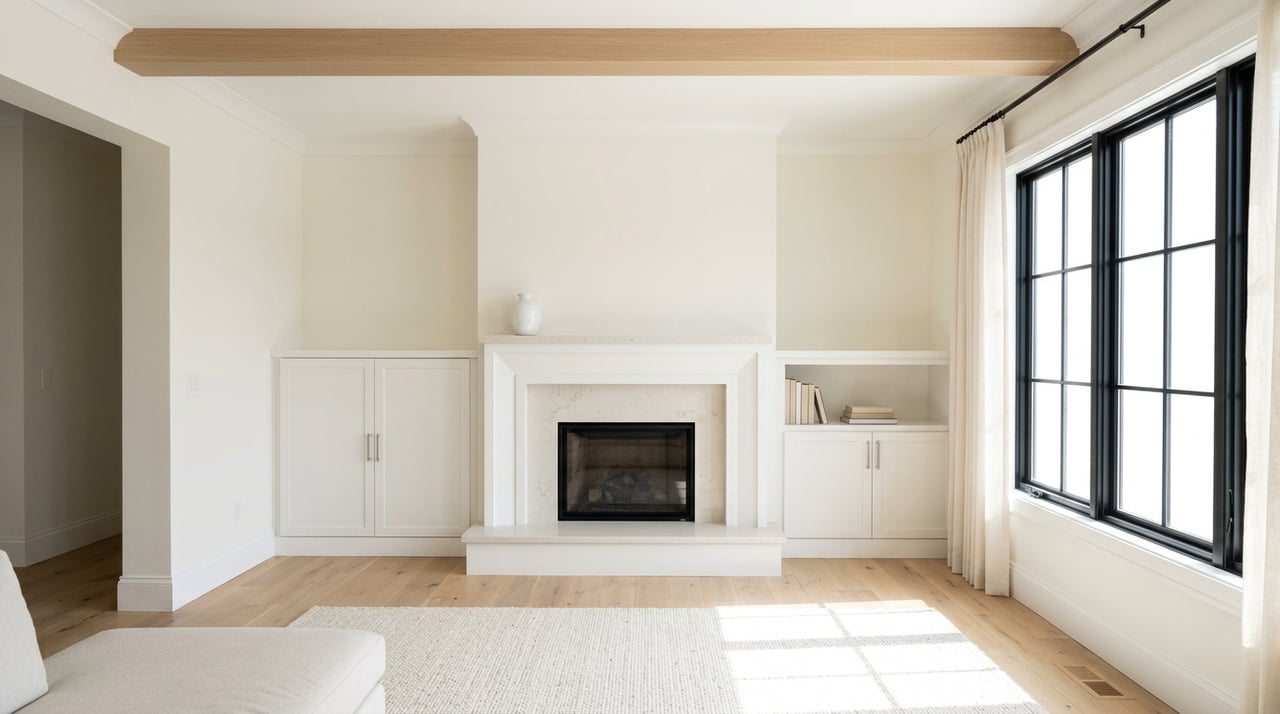
- More private space: Larger interiors, basements, and attached garages are common. Yards are typical in many subdivisions.
- Driving first: You will rely more on your car for errands. Transit is available along key corridors and at park‑and‑ride stations, but most trips start with a drive.
- Parks over nightlife: You will gain access to major parks and family programming. Many neighborhoods are quiet in the evening, with fewer late‑night options than the urban core.
Your relocation checklist
Use this step‑by‑step plan to make a smooth move:
- Test your commute
- Drive your exact route to work at morning and evening peak times. If you prefer transit, review park‑and‑ride options and schedules on the MVTA Eagan page.
- Confirm school boundaries
- If schools factor into your decision, verify attendance areas and programs with District 196. Boundaries can change. Start with the District 196 website.
- Compare listing types
- Look at single‑family homes versus townhomes and condos. Check HOA rules and fees, lot size, and any special districts such as watershed or floodplain.
- Plan utilities and services
- Confirm water, sewer, trash pickup, and snow removal expectations. Price out broadband options and any private services you may want, such as lawn or snow care if you are moving from a condo.
- Walk the area at different times
- Visit on a weekday rush, a weekend afternoon, and an evening. Note traffic, lighting, sidewalks, and proximity to parks and trails. If the outdoors is a priority, block out time at Lebanon Hills Regional Park.
- Check total monthly costs
- Confirm estimated property taxes with the county assessor, and review combined sales tax in your most frequent shopping areas. Talk with your lender about the full monthly number, including mortgage, taxes, insurance, and any HOA.
How we can help
If Eagan is on your shortlist, you do not have to figure it out alone. As a south‑metro focused team, we help you compare neighborhoods, test commutes, and zero in on the right home type and budget. Our buyers get fast alerts on live inventory, on‑the‑ground insight, and a smooth contract‑to‑close process supported by in‑house coordination and proven systems.
Ready to explore Eagan with a local, data‑driven team by your side? Reach out to Huerkamp Home Group to start your move plan.
FAQs
How far is Eagan from Minneapolis and St. Paul?
- Eagan is about 15 to 20 miles from downtown Minneapolis and roughly 12 miles from downtown St. Paul, with off‑peak drives commonly around 20 to 30 minutes to Minneapolis and about 17 minutes to St. Paul.
Does Eagan have public transit to the downtowns?
- Yes; MVTA runs local and express routes from Eagan’s transit stations, and the METRO Red Line connects to Mall of America for Blue Line transfers toward downtown Minneapolis.
What is the housing mix like in Eagan?
- You will see many single‑family homes along with townhomes and some condos, and the city’s owner‑occupied rate is about 69.4% per Census QuickFacts, which signals more detached inventory than in the core cities.
How close is Eagan to MSP Airport?
- Many addresses are a 10 to 20 minute drive to MSP, depending on time of day and terminal.
Which school district serves most of Eagan?
- Most of Eagan is served by District 196; verify specific attendance areas and any magnet options directly with the district before you buy.