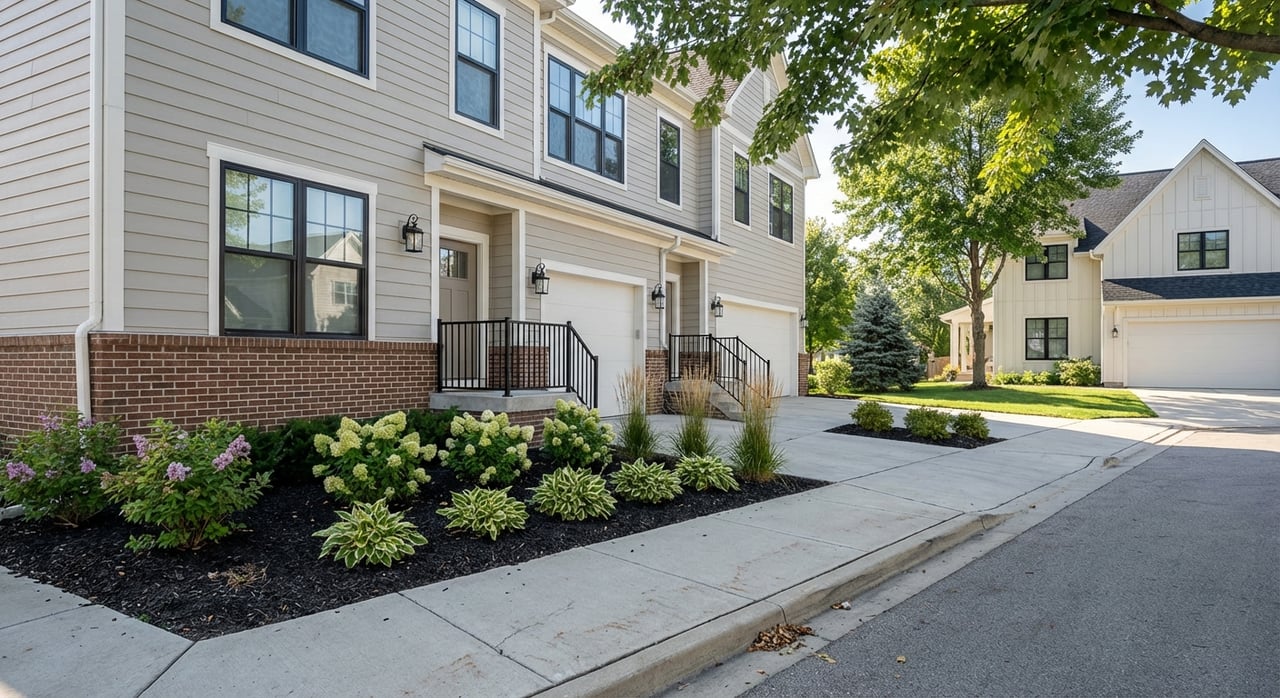
Trying to decide between a townhome or a single-family home in Apple Valley? You are not alone. Buyers here often weigh space and privacy against convenience and predictability. The good news is you have strong options in both categories, and the right choice comes down to budget, lifestyle, and how much maintenance you want to handle.
In this guide, you will compare typical Apple Valley price bands, learn what HOA fees usually cover, understand key financing checks for attached homes, and see where each property type is most available. You will also get a quick checklist to help you move from browsing to confident decision. Let’s dive in.
Apple Valley market snapshot
Apple Valley remains a steady south-metro market with active demand and mixed price signals depending on the data source and month you check. Recent snapshots show:
- City median sale price near the mid to high $300s to low $400s depending on the provider and timeframe. For example, Redfin reported about $425,000 and roughly 53 days on market in January 2026, while Zillow’s local value index showed about $364,649 through December 2025. Methods differ, so always note the source and date.
- Housing mix that leans detached but includes a meaningful share of attached homes. Aggregated estimates suggest about 50 to 51 percent single-family detached and roughly 27 to 28 percent one-unit attached, which includes townhomes and rowhouses. See the Apple Valley demographics snapshot for housing mix context from Point2Homes.
- Owner occupancy typically around the low 70 percent range, and a recent American Community Survey window shows a median owner-occupied value near $370,000. You can review Apple Valley’s QuickFacts on census.gov for city-level context.
Property taxes and levies can change year to year. Dakota County and local cities periodically adjust budgets, so it is smart to verify current rates when you run monthly payment estimates. Recent coverage of county levy proposals shows why annual checks matter for your budget. See a recent levy update reported by Yahoo News.
What you get at each price point
Townhomes in Apple Valley
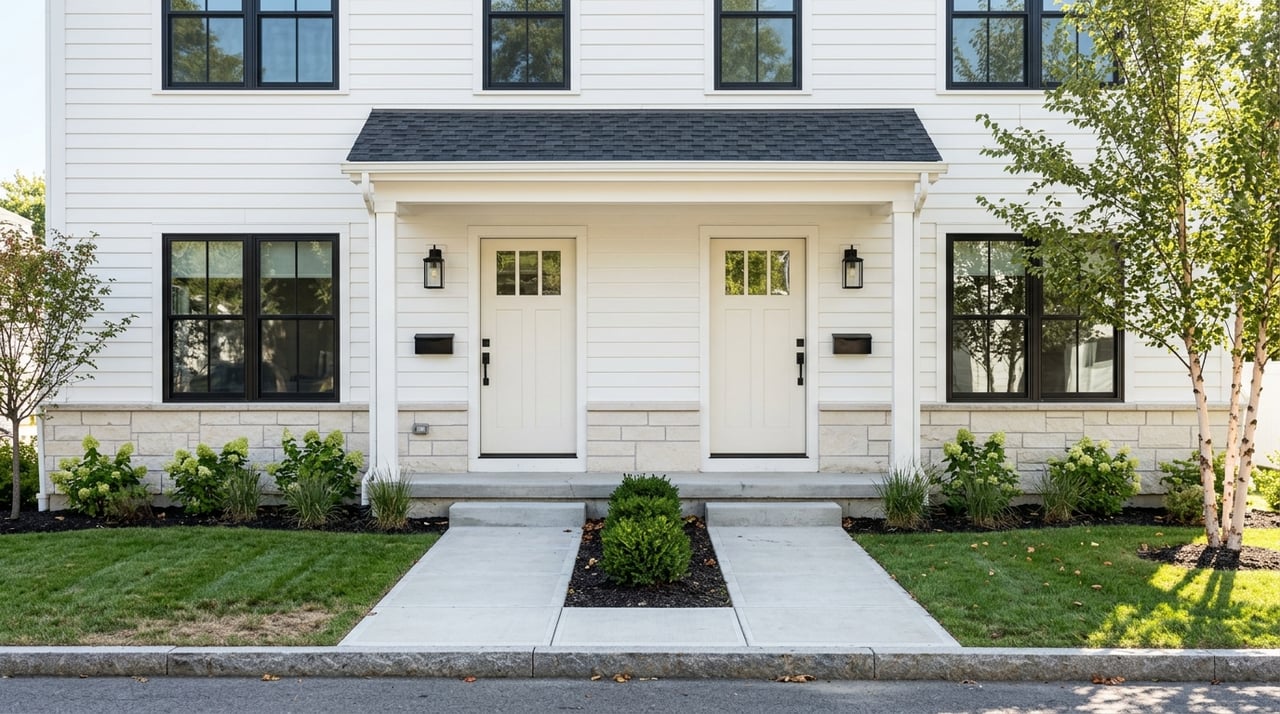
- Entry and value: about $200,000 to $325,000. Often older attached units or garden-style layouts near core areas. You will usually see 2 bedrooms, modest square footage, and practical finishes. Many associations cover exterior maintenance and grounds.
- Mid-market attached: about $300,000 to $425,000. Commonly 2 to 3 bedrooms, 1 to 2 car garages, 1990s to 2000s construction. These often include exterior care, lawn, and snow removal in the monthly dues.
- Upper-end attached and amenity communities: about $425,000 to $550,000+. Larger footprints, newer finishes, or amenities like pools and community centers can push pricing higher.
Most Apple Valley townhome HOAs fall in the range of about $250 to $500+ per month depending on services and amenities. Many listings show packages that include lawn care, snow removal, exterior maintenance, common area insurance, and trash. Always verify what is covered in the fee and the association’s financial health.
Single-family homes in Apple Valley
- Starter detached: about $275,000 to $375,000. These are often older ranch or split-level homes on smaller lots. Expect some updating needs based on age.
- Typical detached: about $350,000 to $550,000. This is a broad band that often captures 3 to 4 bedroom homes on traditional suburban lots across many neighborhoods.
- Higher-end detached: about $550,000 to $900,000+. Larger lots, newer construction, or extensively updated homes land here.
These ranges are directional and reflect recent listing and sold activity seen across local aggregators. When you get serious, have your agent pull a live NorthstarMLS snapshot for the submarket and property type you are targeting.
Townhome vs single-family: monthly carry and maintenance
Comparing monthly costs starts with the mortgage and property taxes, then splits based on how maintenance is handled.
- Townhome model: mortgage + property tax + HOA dues + HO-6 policy. Dues often cover exterior work, lawn and snow, and common area insurance, which can make month-to-month expenses more predictable.
- Single-family model: mortgage + property tax + homeowner insurance + yard/snow vendors or DIY + long-term repairs. Costs are more variable but you control project timing and specifications.
If you hire out yard care instead of DIY, national estimates for routine lawn services typically run about $100 to $300+ per month based on lot size and scope, with seasonal snow contracts often in the few-hundred-dollars-per-winter range. That context helps you compare HOA dues to likely service contracts. See a breakdown of common maintenance cost ranges on BobVila.com.
Property taxes can meaningfully change your monthly picture. Using a sample city median and an estimated effective rate will give you a working number, but check current county and city levies before you finalize a budget. Local levy actions can shift annual bills, as recent news has highlighted. Review updates like the Dakota County levy proposal reported by Yahoo News.
HOA, insurance, and financing checks that matter
Minnesota’s HOA framework
Many Apple Valley attached homes are part of a common interest community governed by Minnesota’s Common Interest Ownership Act. Before you commit, request the association’s governing documents and financials. The Minnesota State Law Library provides an overview of common interest communities and HOAs in the state. You can start with the MCIOA and HOA resources.
What your HOA fee usually covers
Local listings commonly show these items included in dues:
- Exterior maintenance and structure components defined in the declaration
- Lawn care and snow removal
- Common area insurance and trash service
- Shared amenities such as pool or clubhouse if available
Always confirm the exact coverage, insurance deductibles, and any utilities included. Ask how often fees have increased in the last 3 years and whether any major projects are planned.
Association health signals to review
Request a full packet and read it closely. A practical set of documents includes:
- Declaration, bylaws, budget, and current reserve study
- Insurance certificate with deductible details
- Last 12 months of meeting minutes
- Any pending or recent special assessments and owner delinquency rates
If you want help interpreting the paperwork, this overview of association documents is a useful primer on what to look for in declarations and bylaws. See the guide to understanding governing documents from Hj Law Firm.
Financing and project eligibility for attached homes
Lenders often evaluate the project, not just your unit. For FHA, VA, and conventional loans, red flags can include high HOA delinquency rates, insufficient reserves, significant litigation, or an underinsured master policy. These issues can affect whether a unit is considered warrantable. Work with your lender early to confirm eligibility and whether a spot or project approval is required. You can read more about how secondary market rules influence project eligibility on Fannie Mae’s site.
Where you will find options in Apple Valley
Because Apple Valley has a large base of detached homes and a significant share of attached units, the shopping experience differs by property type:
- Townhomes tend to cluster near Downtown Apple Valley and in planned communities such as Cobblestone Lake, Legacy Square, and Galaxie Commons. These areas often offer entry to mid-level price points with low-maintenance living.
- Detached homes are available across a wider area and price spectrum, from older starter neighborhoods to newer subdivisions with larger lots.
If you want to explore schools, the City of Apple Valley offers a helpful overview and links to local district resources. Start with the city’s Schools page to understand attendance boundaries and contacts. For HOA-specific questions, many communities are served by professional management. Regional firms like Gassen can be a resource for association process and document requests.
Quick decision guide
Use these simple prompts to align your choice with how you want to live and what you want to spend month to month.
Choose a townhome if you want
- Lower exterior maintenance, with lawn and snow handled for you
- More predictable monthly costs through HOA dues
- A foothold in Apple Valley at a lower price point than many detached options
- Access to shared amenities like a pool or clubhouse in some communities
Choose a single-family home if you want
- A private yard for gardening, play, or pets
- More control over exterior updates and long-term projects
- Fewer community rules and more flexibility for storage, sheds, or outdoor gear
- The ability to time maintenance to your budget and preferences
Local checklist before you write an offer
- Ownership type: Confirm whether the unit is a fee-simple townhouse or a condominium. Maintenance obligations and underwriting can differ. See this overview of association declarations and plats from Hj Law Firm.
- Documents to request: Declaration, bylaws, budget, current reserve study, last 12 months of meeting minutes, insurance certificate, list of pending special assessments, and owner delinquency rate.
- HOA coverage: Ask what the fee covers, how often it has changed in the last 3 years, and whether major capital projects are planned.
- Financing: Confirm early with your lender whether the project is eligible for FHA, VA, or conventional financing, or if a spot approval is needed.
- Quality of life: Check school assignment for your specific address and verify commute options, including the Apple Valley Transit Station and express routes. Use the city’s Schools page as a starting point for contacts.
- Taxes: Verify Dakota County and city levy updates when estimating monthly payments. See recent coverage like the county levy proposal on Yahoo News.
Work with a local, data-driven team
Choosing between a townhome and a single-family home is easier when you have real numbers, live inventory, and an experienced team guiding each step. Our Apple Valley and south-metro focus gives you a clear read on neighborhoods, HOA health, and the tradeoffs that matter for your monthly budget. If you want a side-by-side comparison for your price range and quick access to new listings as they hit the market, connect with the Huerkamp Home Group. We will help you align budget, lifestyle, and timing so you can buy with confidence.
FAQs
What is the current median home price in Apple Valley?
- Recent snapshots vary by source and month, with Redfin reporting about $425,000 in January 2026 and Zillow’s index showing about $364,649 through December 2025, so always note the date and method.
How do HOA fees for Apple Valley townhomes typically range?
- Most local townhome associations run about $250 to $500+ per month depending on services and amenities, with many covering exterior maintenance, lawn, and snow.
What should I look for in HOA documents before buying?
- Review the declaration, bylaws, budget, reserve study, meeting minutes, insurance certificate, and any special assessments to assess coverage, reserves, and upcoming projects.
Can I use FHA or VA financing on a townhome or condo in Apple Valley?
- Possibly, but project eligibility matters; ask your lender early about FHA, VA, or conventional warrantability and whether a spot or project approval is needed.
Where are townhomes most common within Apple Valley?
- You will find concentrations near Downtown Apple Valley and in planned communities such as Cobblestone Lake, Legacy Square, and Galaxie Commons, while detached homes are widespread citywide.
How do monthly costs compare between a townhome and a detached home?
- Townhomes trade HOA dues for reduced exterior work and more predictable costs, while detached homes require separate yard and snow services and occasional big-ticket repairs but provide more control.