If you're thinking about selling your home this year, you’ve probably been monitoring its value for a while so you can sell and still get a substantial profit. But before you start counting how much money you’ll make, don’t forget to factor in seller closing costs into the sale price.
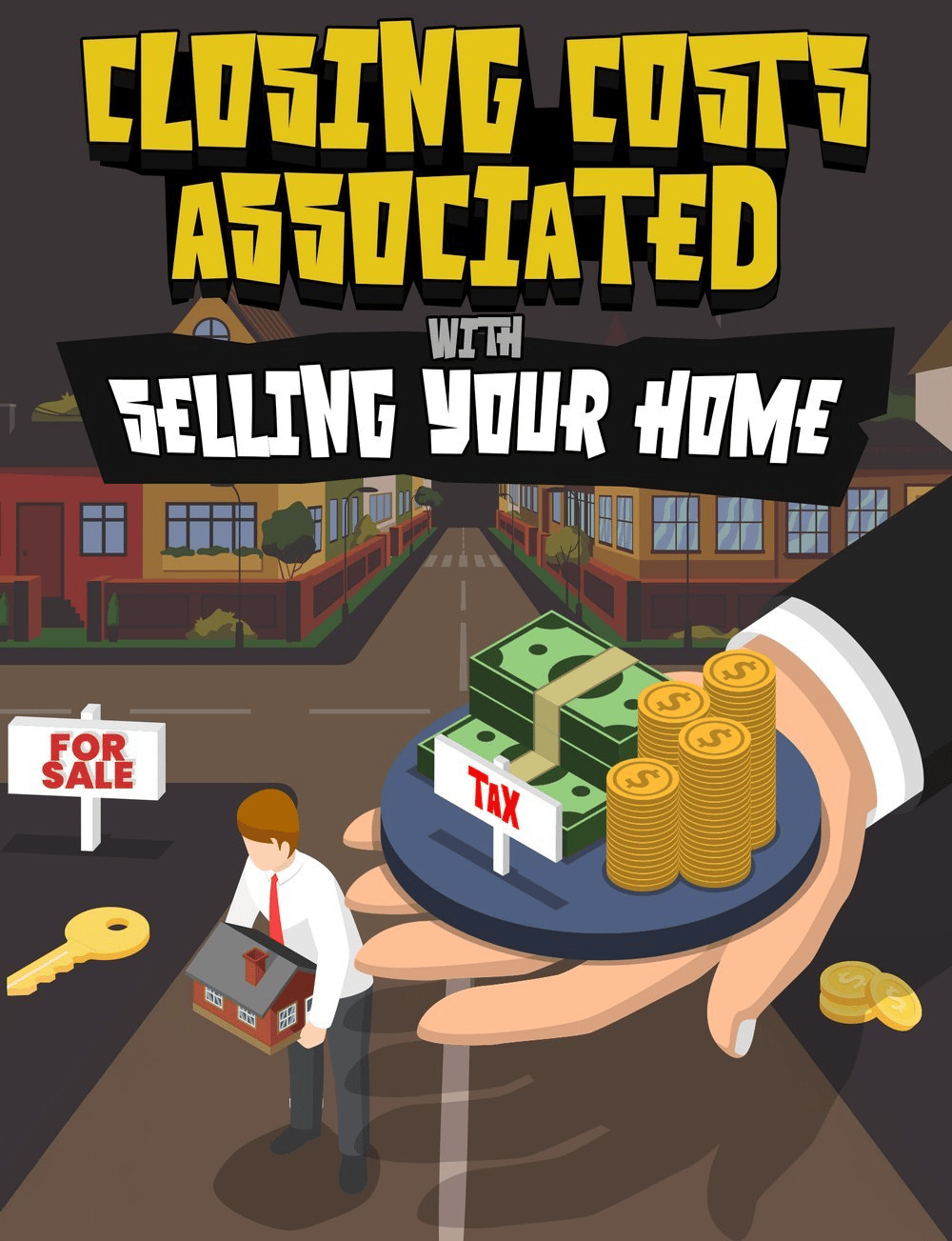
Let's take a closer look at closing costs and an overview of the fees that will be deducted from your overall profit.
“Closing costs” is a catchall term for the various fees and expenses you must pay upon closing or completing a real estate transaction. These can include various fees, expenses, and charges, which are split between the home's buyer and seller. These fees do not include realtor commissions.
The exact fees can vary depending on your location and the house’s cost. But in total, closing fees can add up to around 2 to 5 percent of the home’s sale price, according to Freddie Mac. Sellers usually take these costs out of their sale proceeds (unless you specifically ask to pay them separately), while buyers need to pay them upfront.
-
Transfer Tax
-
Title-Related Fees
-
Attorney Fees
Since markets also vary, in some areas both the buyers and sellers have their attorneys, while in others, it’s common to have one settlement attorney for the real estate transaction. Their fees range significantly — anywhere from $150 to $350 per hour, or it could be a flat fee depending on what they do for you.
-
Escrow or settlement fees
-
Prorated property taxes
-
Mortgage payoff
-
HOA fees
-
Seller concessions
The total amount of seller concessions may be limited by the type of home loan the buyer is using. For example, loans backed by government agencies, such as the Federal Housing Administration (FHA), have limits on seller concessions. If you’ve offered any seller concessions as part of your deal, expect that these funds are also due at closing.
Closing costs are so named because they are literally due when you close on the sale of your home. This is after you and the buyer meet with the closing agent, title company, and/or attorneys to disburse the funds and sign all necessary documents. All of the items we've covered above will be deducted from your proceeds on the sale, so you won’t need to bring cash to your closing unless you specifically ask to pay for them separately or your property is underwater, which means you owe more on it than it's worth.
Unfortunately, though, you often won’t know how much your closing costs will be until roughly three business days before closing day. You will receive a closing statement or settlement statement, a document that includes an itemized list of closing fees. If you have a trusted and reliable agent working on your side, they may prepare a seller’s net sheet. This is an unofficial document that is an itemized breakdown of all of the closing costs, plus an estimate of the sum you will receive, or net after the final purchase contract is signed.