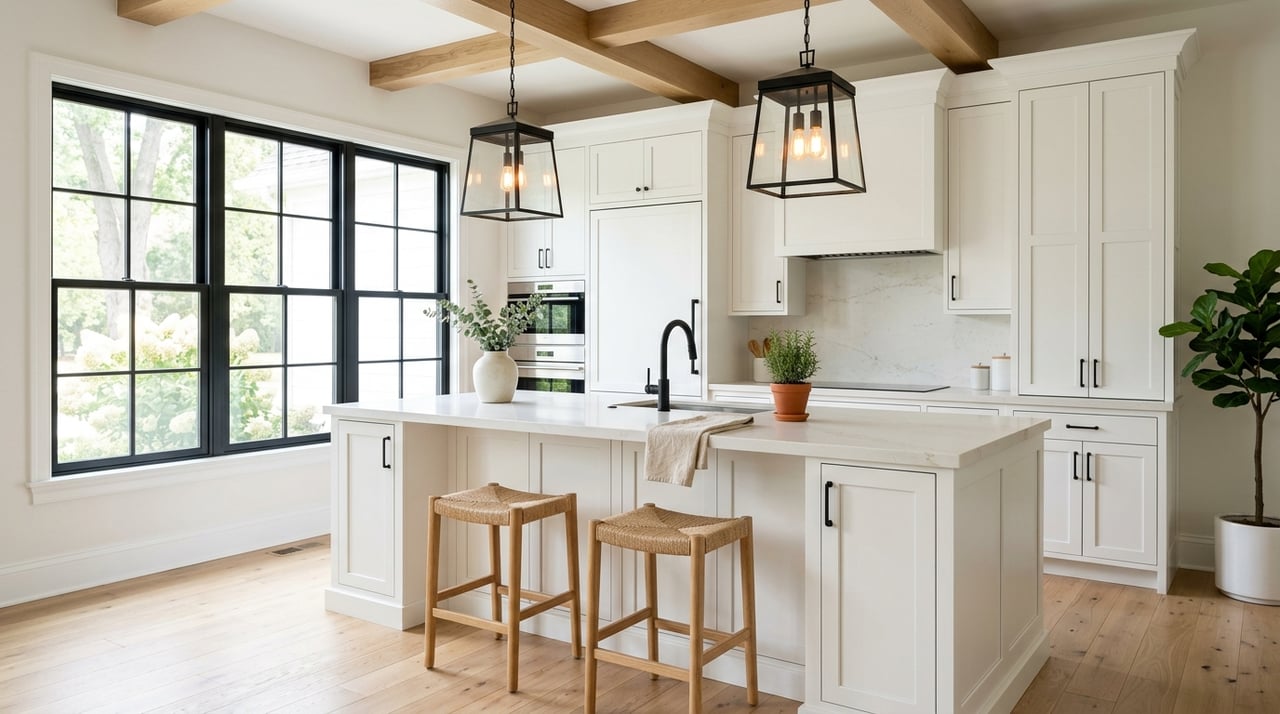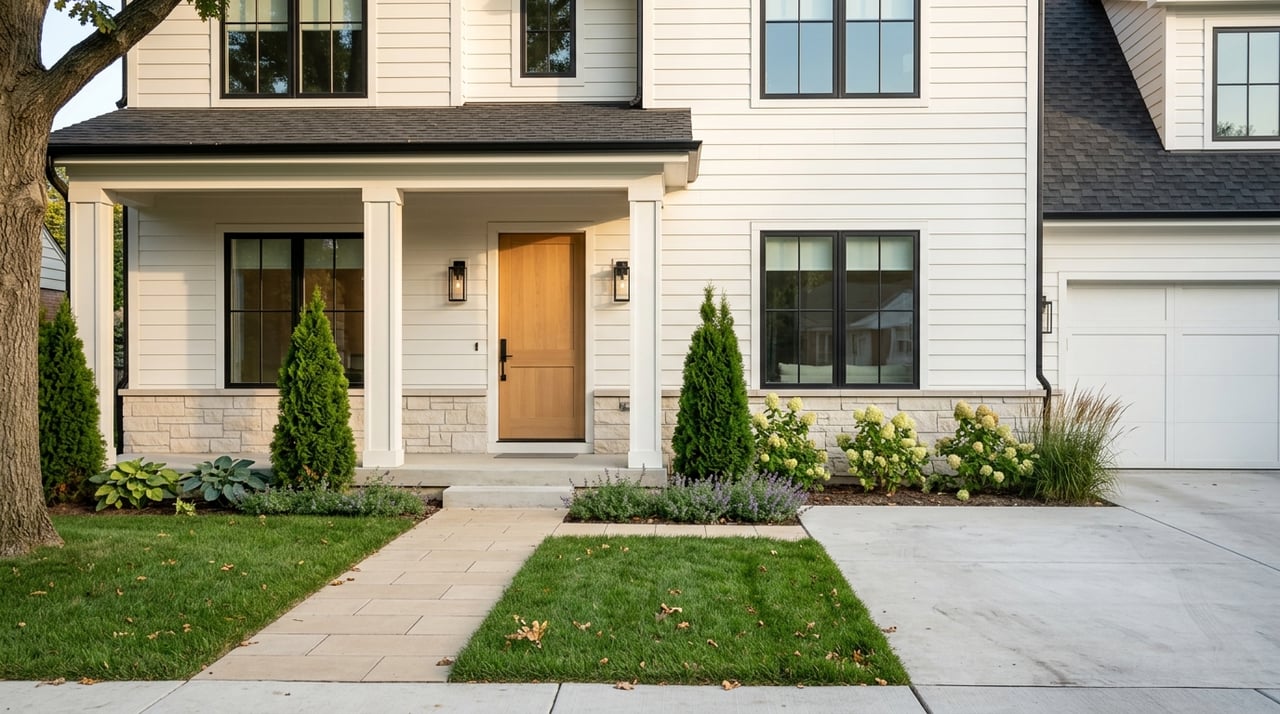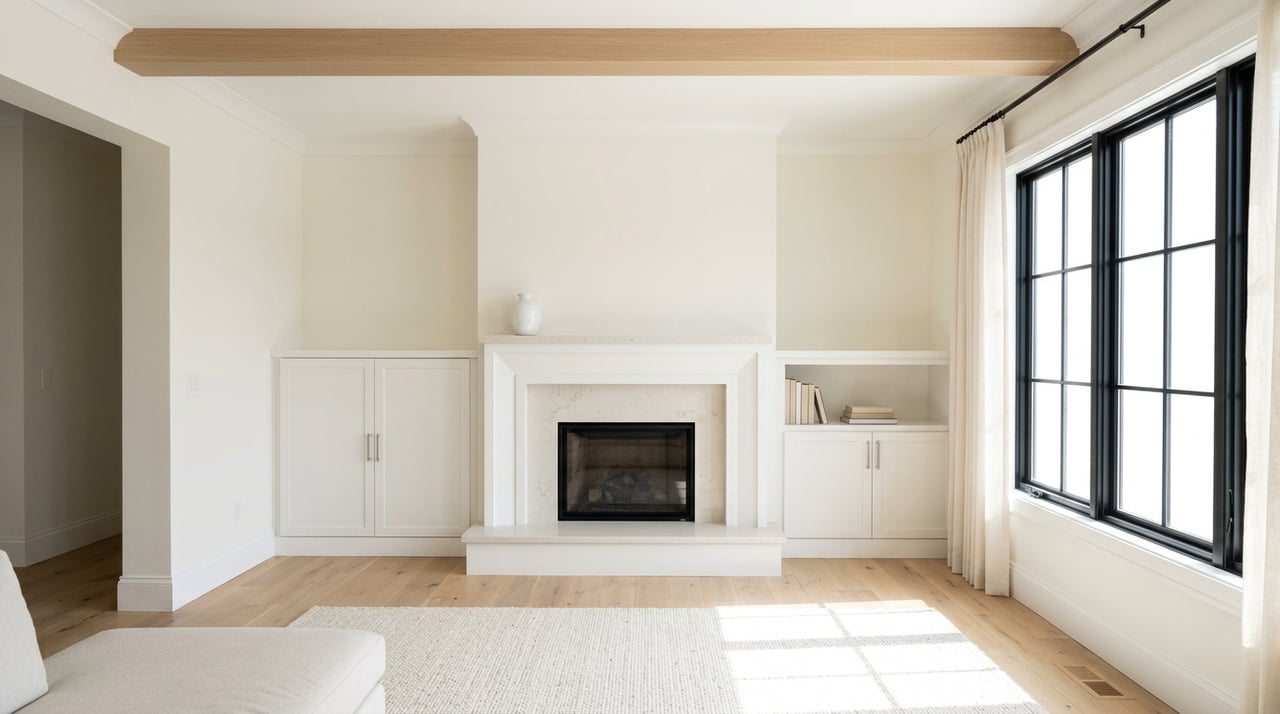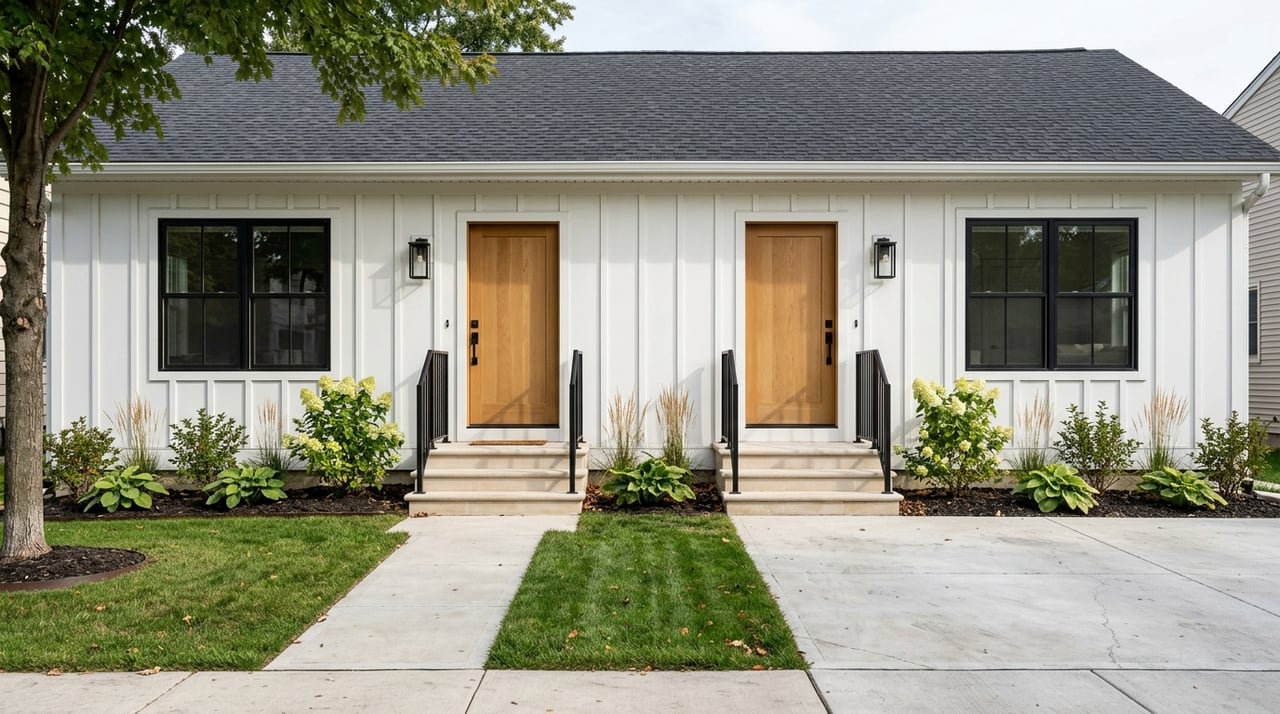
Are you renting in Farmington and wondering what you can actually buy this year? You are not alone. Many first-time buyers want clear numbers, practical steps, and a realistic view of what is on the market right now. In this guide, you will learn local prices, common home types, how competition plays out, monthly costs, and the financing help available in Minnesota. Let’s dive in.
Quick market snapshot for Farmington
If you are tracking prices, expect a split between list prices and sold prices. Recent snapshots show a median sold price near $357,000 in February 2026 (sale-based figure) and a median listing price around $445,000 in late 2025 (list-based figure). Zillow’s modeled values in mid-2025 placed the typical home value near $402,168 with a median sale price near $343,833 for that earlier period. These numbers differ because vendors measure different things and time frames, so always note the source and date.
Competition remains steady. Days on market varied by source and period, with listing-side snapshots around the 50-day range in late 2025 and sale-side medians closer to the 70s in early 2026. The sale-to-list ratio hovered near 99%, and roughly a third of recent sales closed above list price. That means well-priced homes, especially at entry points, still draw strong attention.
If you are comparing buying to renting, recent rent indexes placed Farmington near $2,000 to $2,200 per month. This range can help you frame monthly affordability with a lender.
What Farmington homes look like
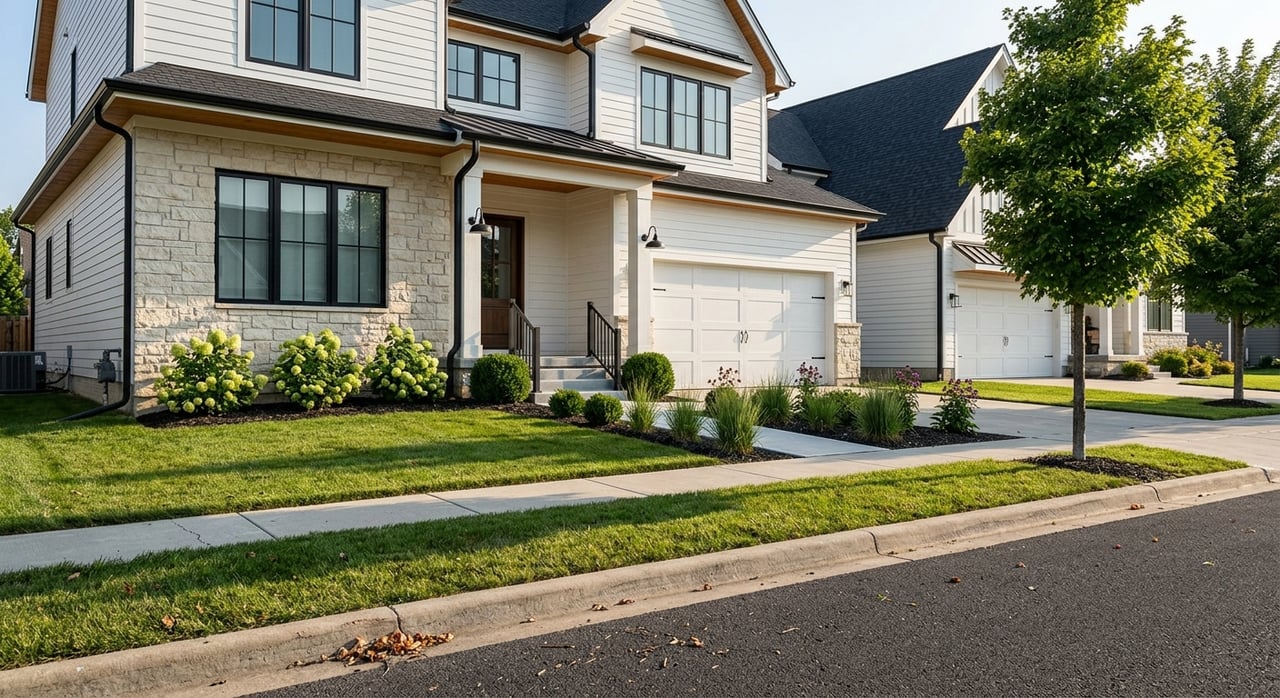
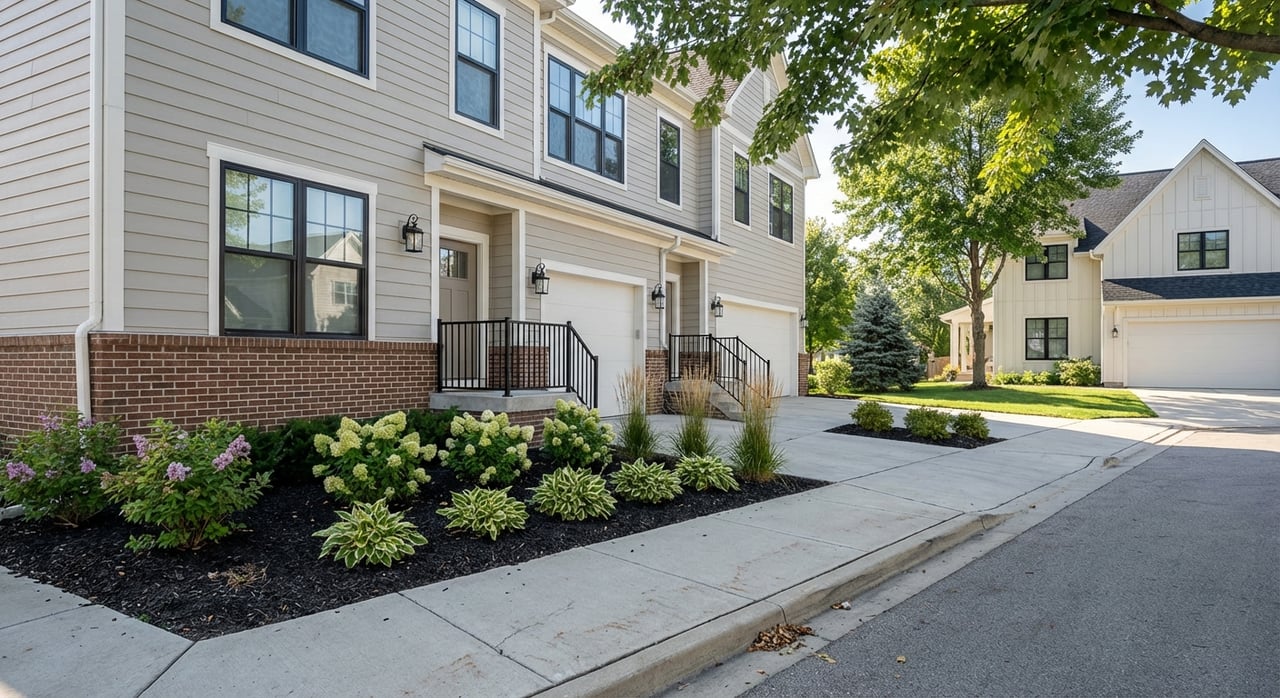
Farmington is a largely suburban, owner-occupied market. The owner-occupancy rate is about 86.5%, and the city’s estimated median value for owner-occupied homes sits in the mid-$300,000s according to U.S. Census QuickFacts. You can review these local characteristics in the Census snapshot for Farmington City, Minnesota, which helps explain why single-family homes dominate the landscape. See U.S. Census QuickFacts for Farmington.
Property data shows an average single-family home age around 31 years and an average size near 1,740 square feet. That mix lines up with what you will see on tours: post-1960s inventory, many homes from the 1990s and 2000s, plus a pocket of older downtown properties. Review Farmington property trends.
Common layouts include:
- 2 to 3 bedroom ranch or bungalow, often about 1,000 to 1,500 square feet.
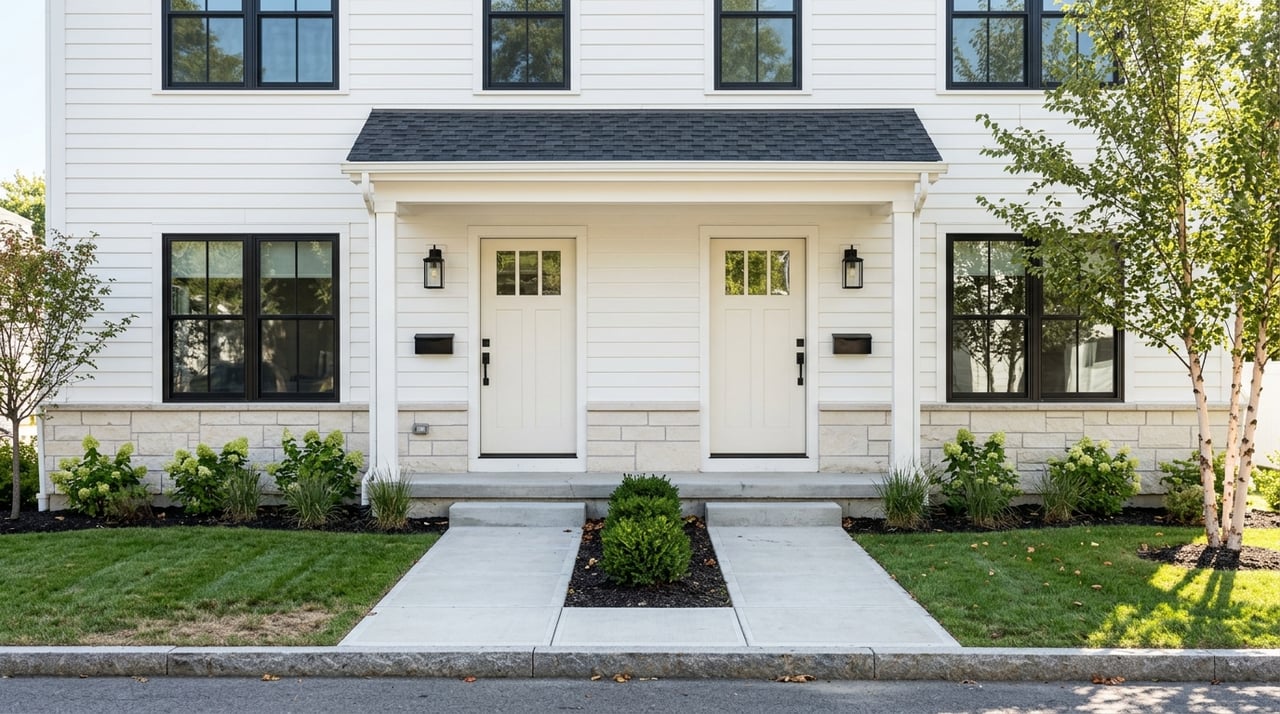
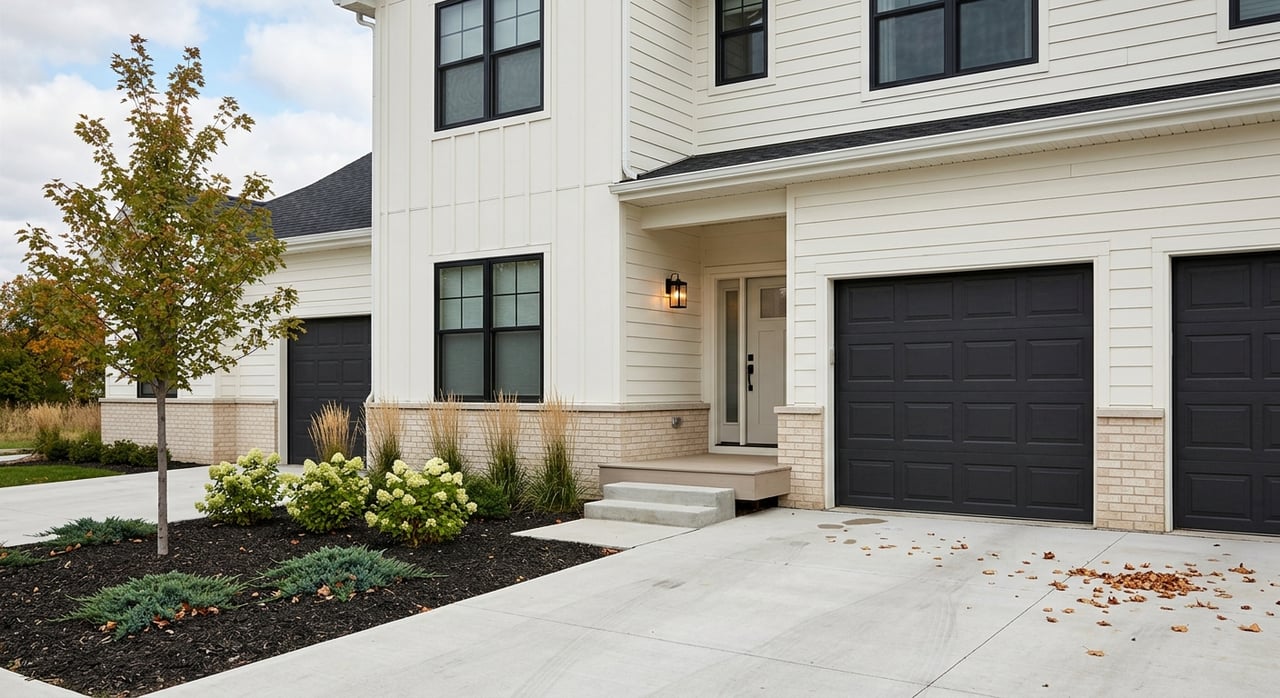
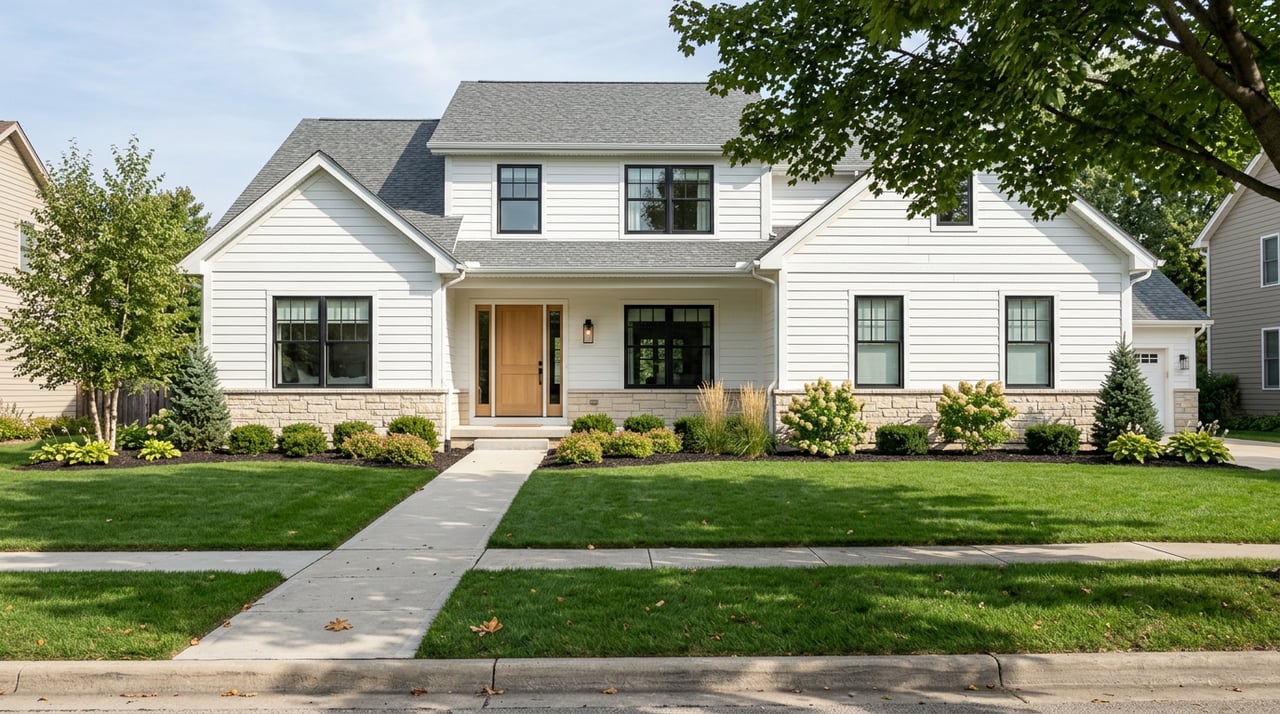
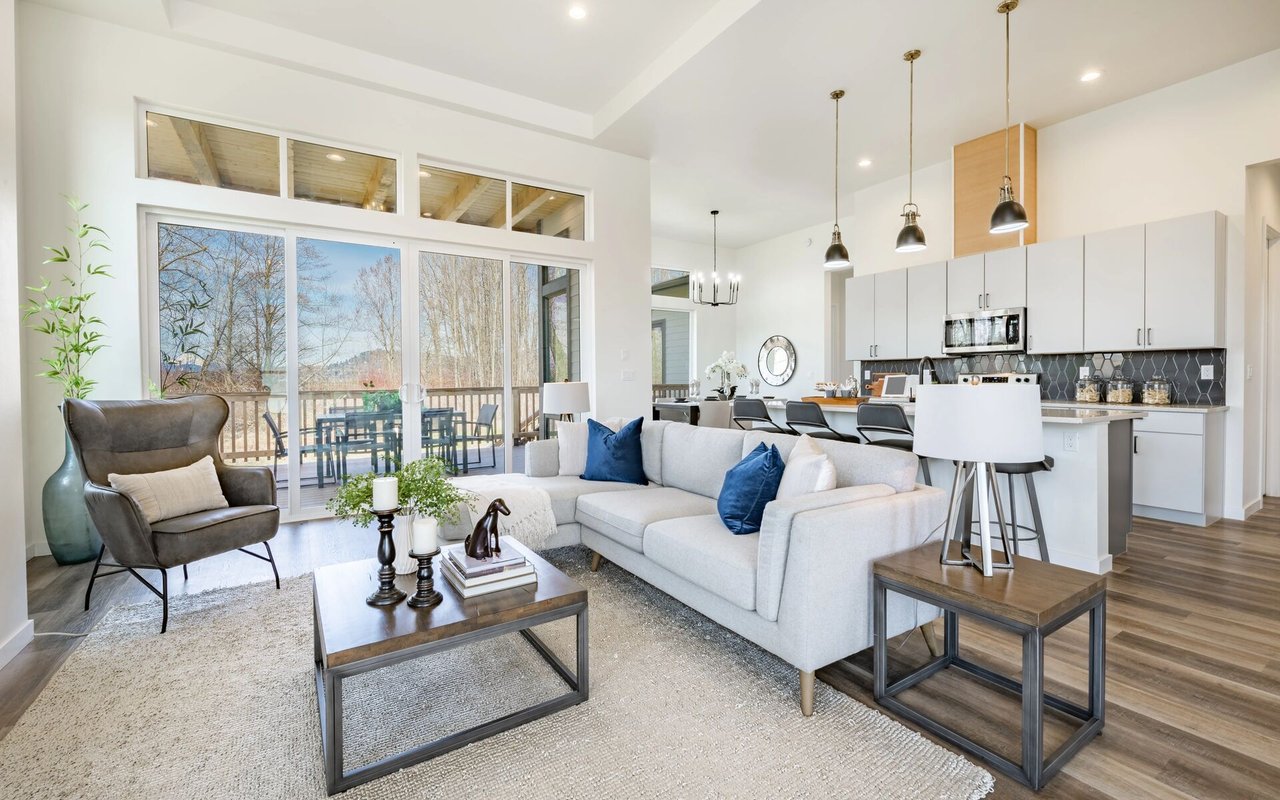
- 3 to 4 bedroom two-story homes, often 1,500 to 2,400 square feet, in newer subdivisions.
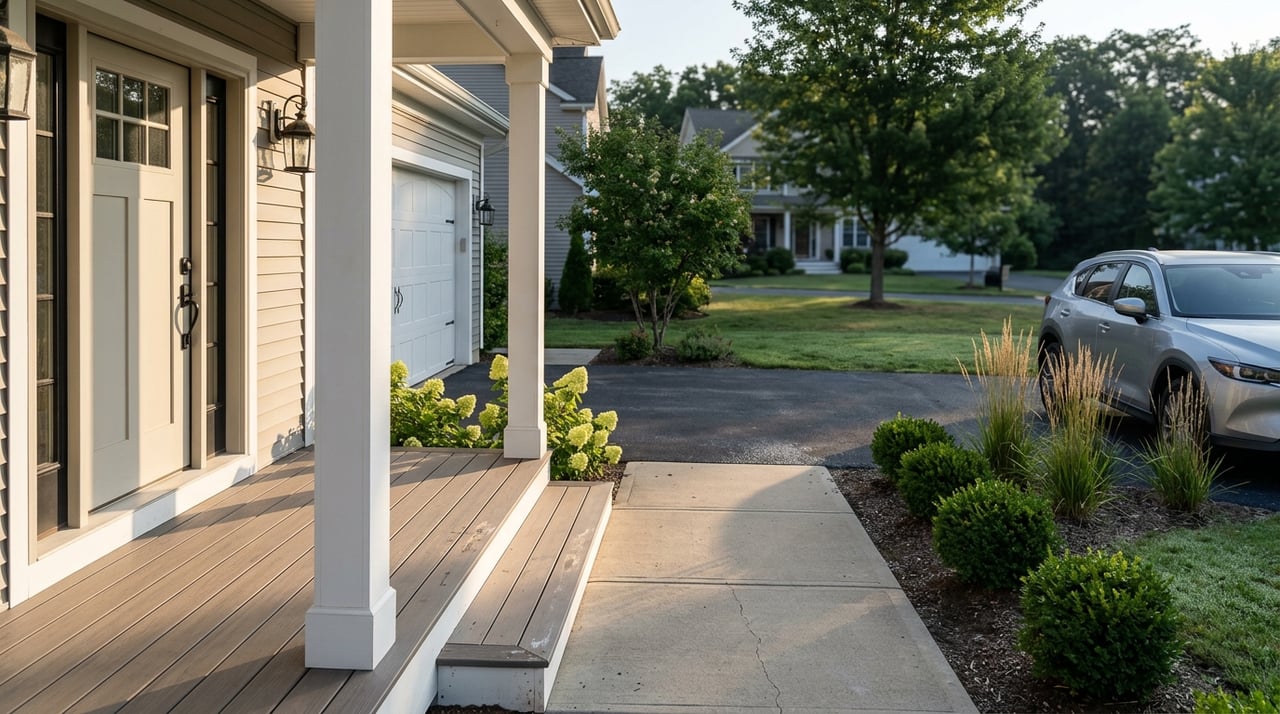
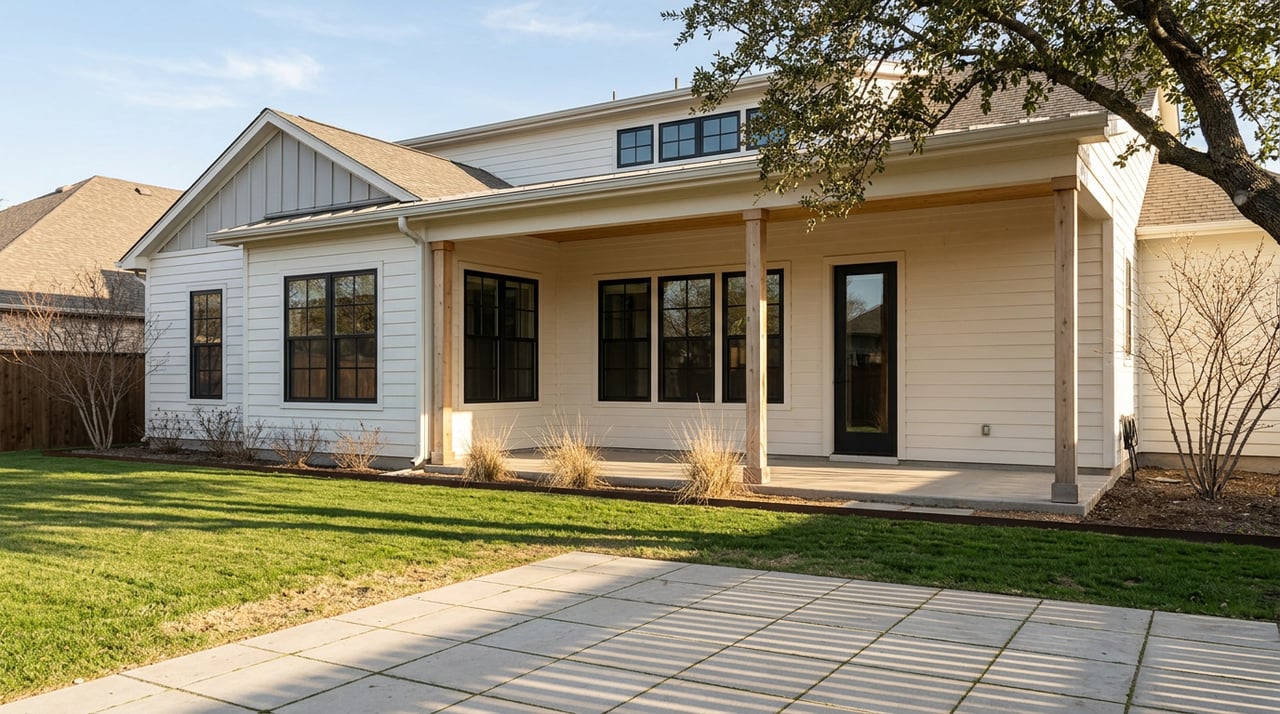
Older homes can offer character and central location but may need system updates like roofing, windows, or HVAC. Newer subdivisions tend to be more move-in ready and may include HOA considerations. City planning points to continued suburban growth, so expect a blend of infill and new neighborhoods over time. Read Farmington’s planning materials.
Starter-home price tiers and tradeoffs
Every home is unique, but these practical price bands reflect what first-time buyers often encounter in Farmington. Pair them with current medians and days on market when you are getting serious.
Entry tier: about $280,000 to $340,000
- What you will find: older ranches, smaller bungalows, and compact two-stories near established areas. Expect smaller lots and fewer recent updates.
- Tradeoffs: lower price and, in some cases, closer proximity to central amenities, offset by smaller square footage or projects to plan for.
- Competition: this tier attracts many first-time buyers, so clean, well-priced homes can move fast and may draw multiple offers.
Lower-mid tier: about $340,000 to $420,000
- What you will find: many move-in-ready 3 bed and 2 bath homes built in the 1990s and 2000s. Lot sizes and garages meet the needs of many growing households.
- Tradeoffs: you get more space and more recent systems, often at prices closer to recent sale medians.
- Competition: steady interest, with the most attention on well-presented homes in popular subdivisions.
Mid tier: about $420,000 to $500,000
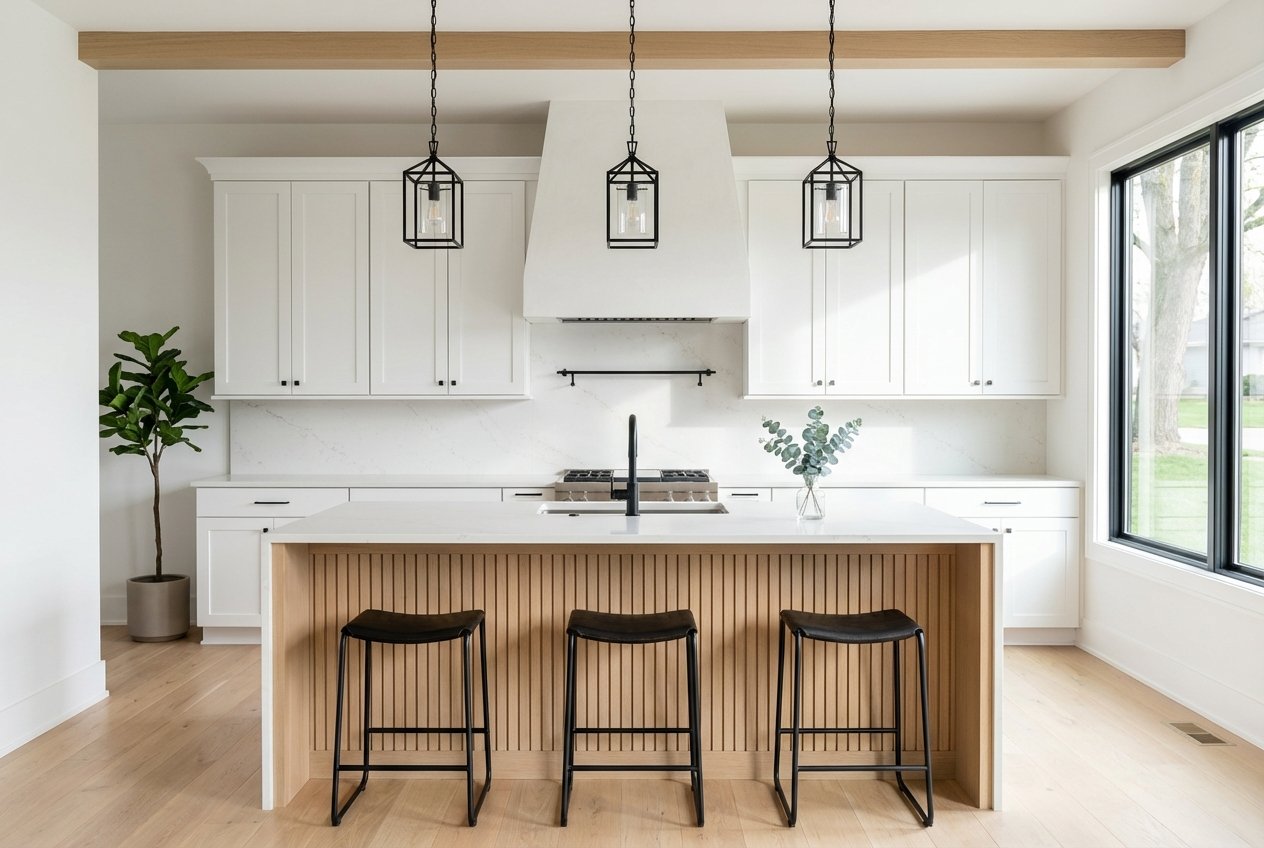
- What you will find: larger 4 bedroom homes, newer builds, or properties with significant updates and higher-end finishes.
- Tradeoffs: higher purchase price for lower immediate maintenance needs and more space.
- Competition: active demand but slightly more breathing room than the entry tier in many weeks.
Upper tier: above $500,000
- What you will find: executive-style finishes, larger lots, and new or recently updated construction with premium features.
- Tradeoffs: inventory is thinner, and commute or location preferences often guide decisions at this level.
How competitive it feels and how to prepare
The market has been described as somewhat competitive. Many homes sell close to asking price, and about a third of recent sales have closed above list. Lower-price tiers and well-updated listings often see the most action.
Use this simple preparation checklist to improve your odds:
- Get fully pre-approved. A strong pre-approval letter included with your offer shows the seller you are ready and qualified.
- Document your funds. Have clear proof of down payment and be ready to post earnest money. A larger earnest deposit can signal confidence.
- Mind your terms. Price matters, but so do timing and contingencies. Be flexible on closing date when you can, and avoid unusual conditions that add friction. Do not waive essential protections without understanding risk.
- Consider an escalation clause with care. If allowed by the listing agent, it can help you compete up to a cap while protecting your budget. Use it only with clear proof requirements.
- Protect your inspection window. Especially in older homes, do not skip the inspection. You can use a shorter inspection period or focus on major systems to stay competitive while keeping protections.
What monthly costs look like
Plan your budget with a full picture of ownership costs:
- Mortgage principal and interest. This depends on your rate, loan type, and down payment.
- Property taxes. Effective rates in Farmington are often in the 1.0% to 1.2% range of assessed value. As a ballpark, a $350,000 home at 1.1% equals about $3,850 per year before any levies or credits. For precise figures on a specific home, reference the Dakota County assessor. These ranges align with local property data snapshots. See Farmington tax and property profiles.
- Homeowners insurance. Costs vary by coverage and home features.
- Utilities and routine maintenance. Plan for seasonal energy use and an annual maintenance reserve.
- HOA dues if applicable. Some subdivisions or townhome communities include grounds or amenities with a monthly fee.
If you are renting near $2,000 to $2,200 per month, that figure can be a helpful reference point when you compare to a mortgage payment plus taxes, insurance, and HOA.
Financing and assistance options
If you are a first-time buyer in Minnesota, start with programs that can stretch your down payment dollars.
- Minnesota Housing Start Up and Step Up. These statewide programs can be paired with down payment and closing cost loans, commonly in the $14,000 to $18,000 range depending on program rules and year. Income limits and purchase price caps apply. Connect with a participating lender to confirm current details and your eligibility. Find Minnesota Housing participating lenders.
- County and regional assistance. Dakota County and regional partners periodically offer first-time buyer help that can complement state programs. Funding cycles change, so check current availability and requirements. Explore regional planning and program resources.
Also consider a first-time homebuyer education course. Minnesota organizations run workshops that help you understand budgeting, loan options, inspections, and closing timelines. Many Minnesota Housing lenders can point you to upcoming sessions.
Outlook for Farmington supply and growth
Farmington’s planning documents describe the city as an emerging suburban edge with room for low to medium-density residential growth through 2040. That suggests a continued mix of new subdivisions and infill development, which can support long-term resale potential and provide options across price points as new phases come online. Review Farmington’s AUAR and planning context.
Your first 30-day action plan
Want to move from browsing to buying with confidence? Use this simple timeline.
- Week 1: Meet with a lender to confirm your budget, rate options, and whether you qualify for Minnesota Housing assistance. Gather your documents and get a pre-approval letter in hand.
- Week 2: Define your must-haves and nice-to-haves. Set up instant listing alerts and tour a sample set of 5 to 7 homes across your price tiers to calibrate expectations.
- Week 3: Review comparable sales and local trends with your agent. Understand where list-to-sale ratios sit for your target tier and what terms are winning right now.
- Week 4: Prepare your offer strategy. Set your ceiling, consider earnest money and timeline flexibility, and plan an inspection approach that protects you while staying competitive.
Ready to start in Farmington?
You do not have to guess your way through this market. With deep south-metro experience, proven systems, and real-time market insight, the team at Huerkamp Home Group can help you find the right first home and navigate every step with confidence.
FAQs
What are current home prices for first-time buyers in Farmington?
- Recent snapshots show a median sold price near $357,000 and a higher median list price near $445,000, reflecting different sources and time frames.
What kinds of starter homes are common in Farmington?
- You will often see 2 to 3 bedroom ranches and bungalows around 1,000 to 1,500 square feet, plus 3 to 4 bedroom two-stories in newer subdivisions.
How competitive is the entry-level tier right now?
- Well-priced entry homes can move quickly and sometimes draw multiple offers, with many sales closing close to or slightly above asking price.
How much should I budget for property taxes in Farmington?
- A practical range is 1.0% to 1.2% of assessed value; for a $350,000 home, that is roughly $3,500 to $4,200 per year, before levies or credits.
Are there down payment assistance options I can use?
- Yes, Minnesota Housing’s Start Up and Step Up programs can include down payment and closing cost loans, often around $14,000 to $18,000 depending on rules and year.
Is new construction available in Farmington?
- Yes, city planning points to continued low and medium-density growth through 2040, which supports ongoing new-build and infill opportunities.