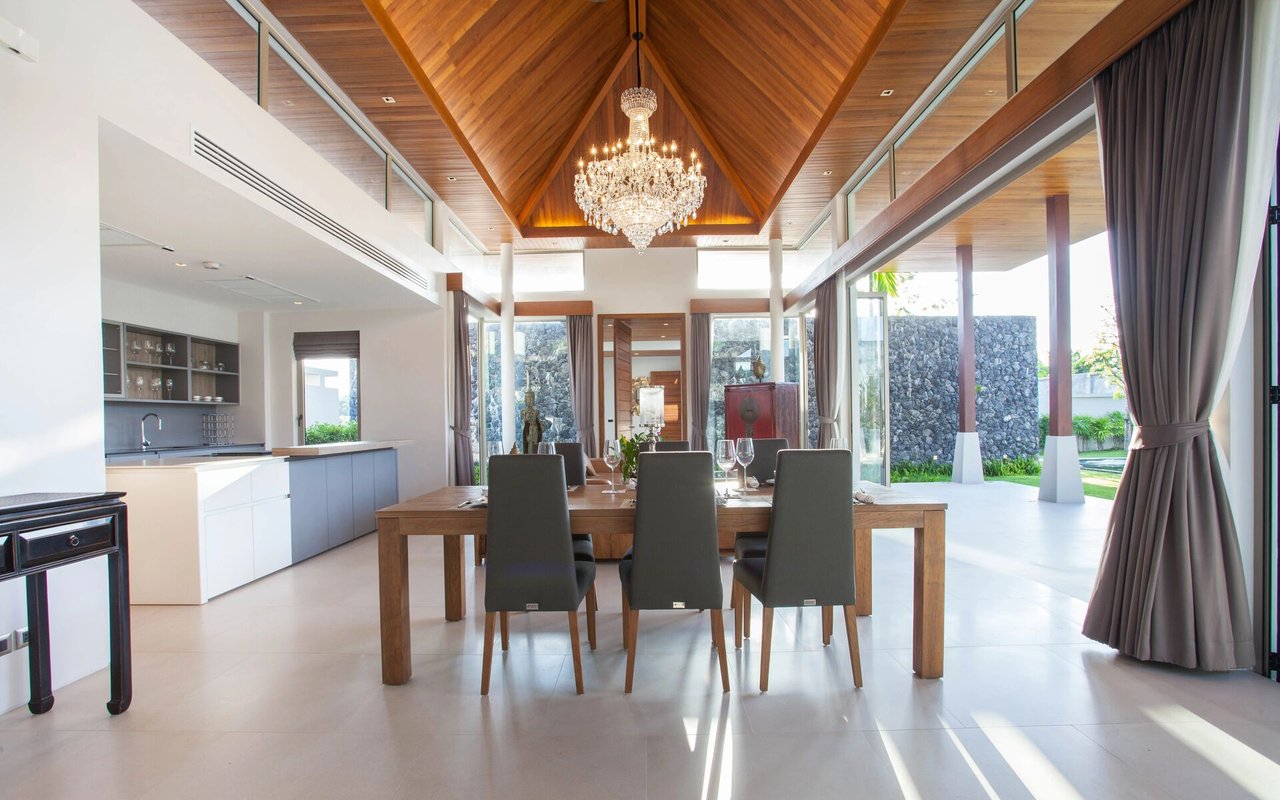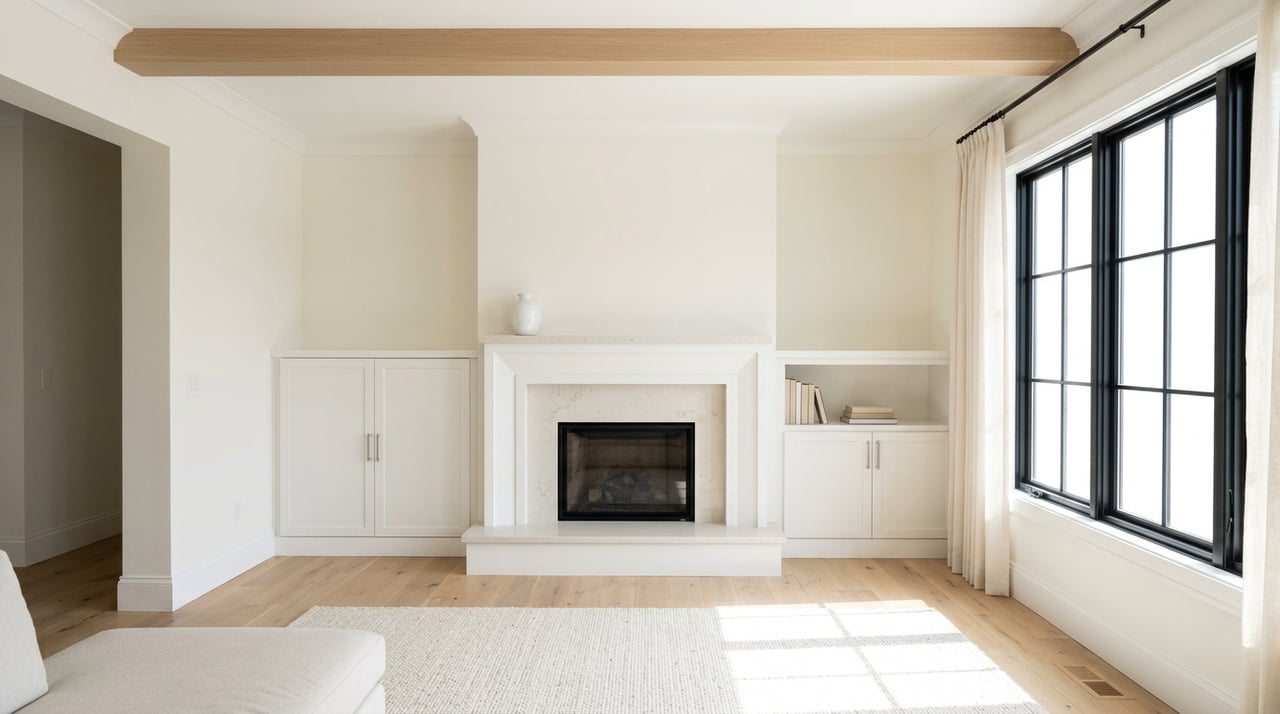
If you are trying to choose between Woodbury and a Twin Cities urban neighborhood, the biggest question is usually simple: do you want more space, or do you want a more walkable daily routine? That tradeoff matters because the same budget can buy very different homes depending on where you look. In this guide, you will see how Woodbury compares with places like North Loop, Longfellow, Northeast Minneapolis, and Summit Hill so you can match your budget and lifestyle to the right area. Let’s dive in.
Woodbury offers more space for the money
If square footage is high on your list, Woodbury generally has the edge. Current listing data shows Woodbury around $490,000 median list price and about $202 per square foot, while recent sale data puts the city at about $429,000 and $188 per square foot.
That per-foot number matters because it helps explain why many buyers look to Woodbury when they want a larger home without stepping into some of the highest price tiers in the metro. In simple terms, your budget often stretches further here than it does in core Minneapolis or St. Paul neighborhoods.
By comparison, recent neighborhood snapshots show higher per-square-foot pricing in several urban areas. North Loop is about $337 per square foot, Longfellow is about $244 per square foot, Northeast Minneapolis is about $229 per square foot, and Summit Hill is about $245 per square foot.
Home styles feel different in each area
Woodbury and urban Twin Cities neighborhoods do not just differ on price. They also differ in the kinds of homes you are likely to tour.
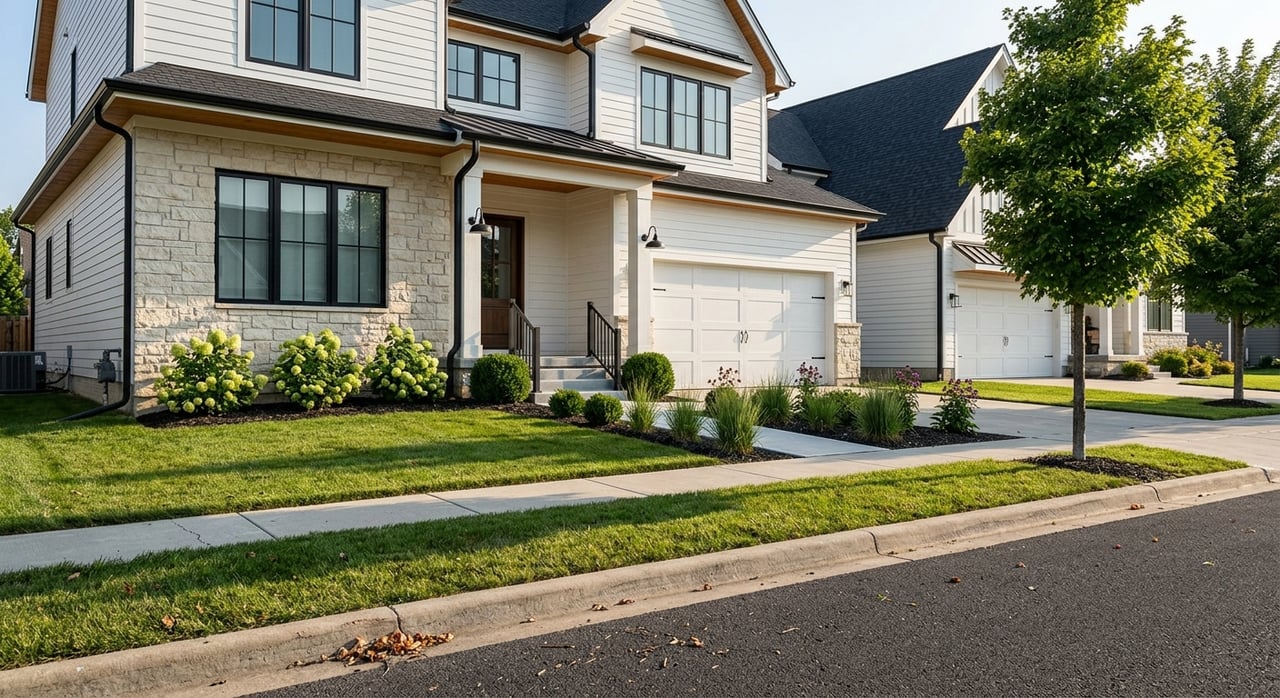
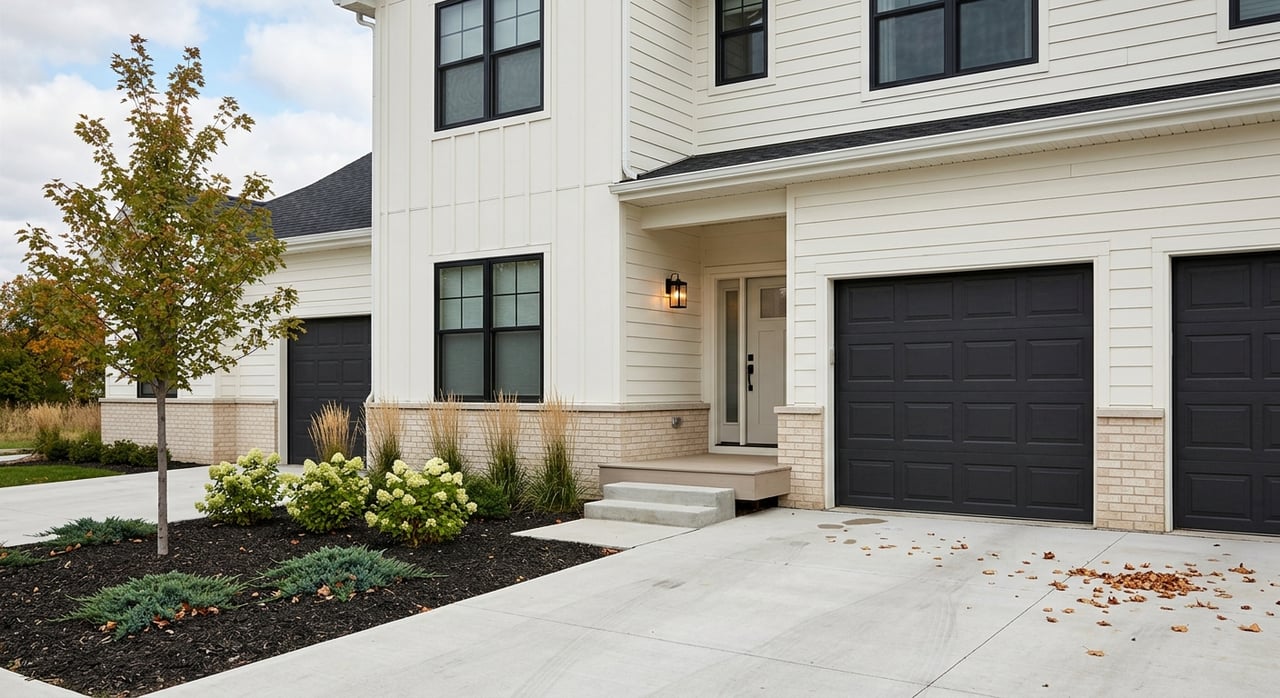
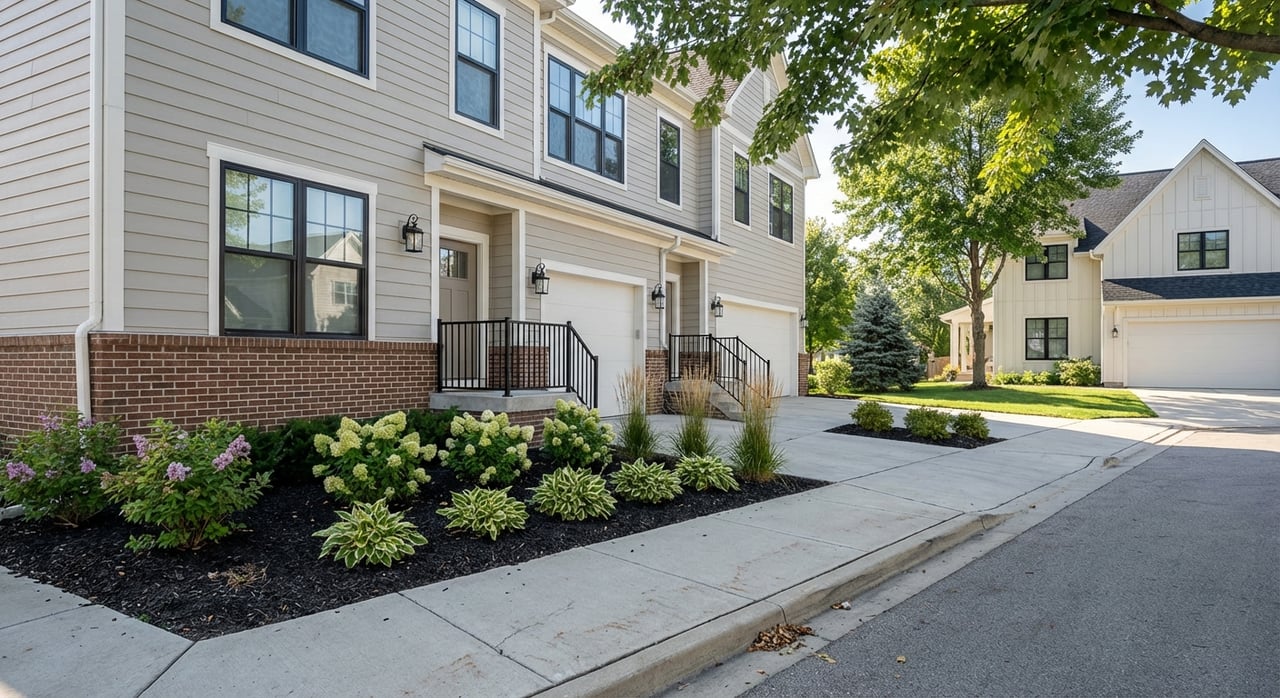
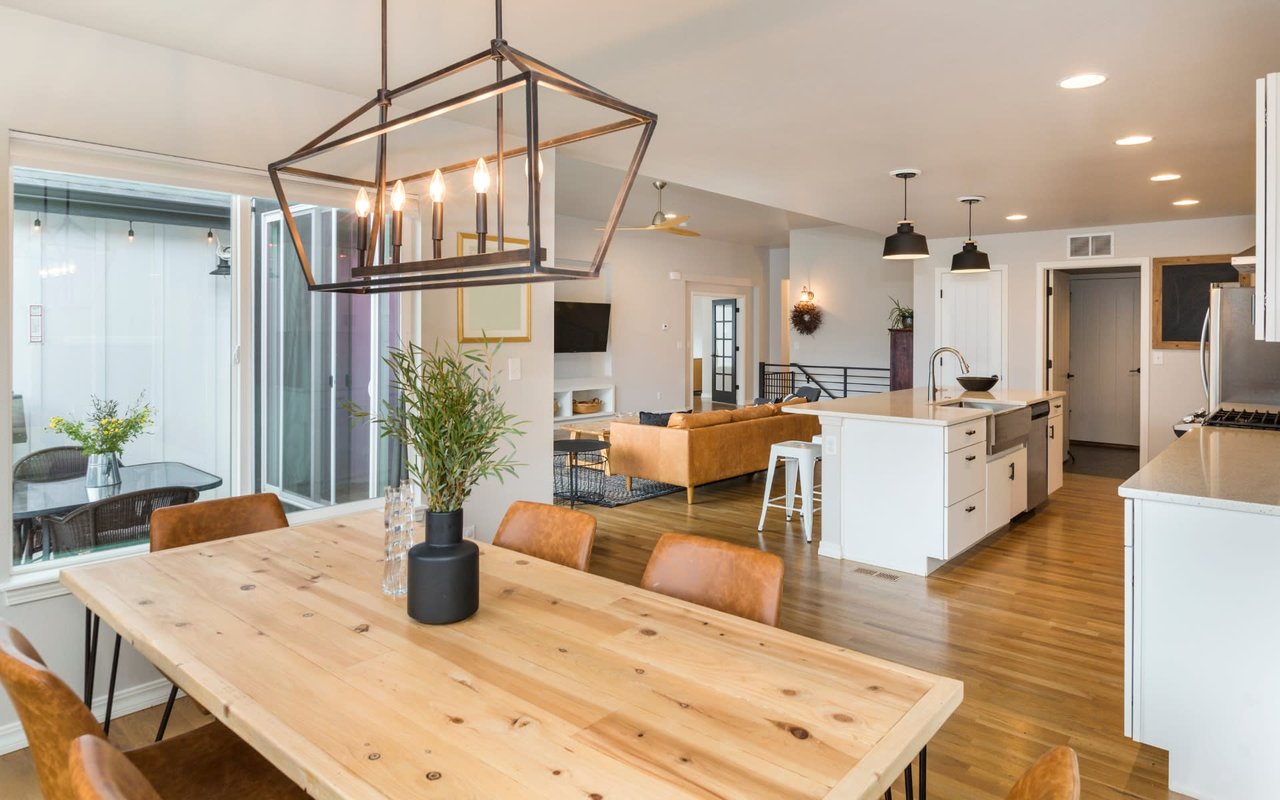
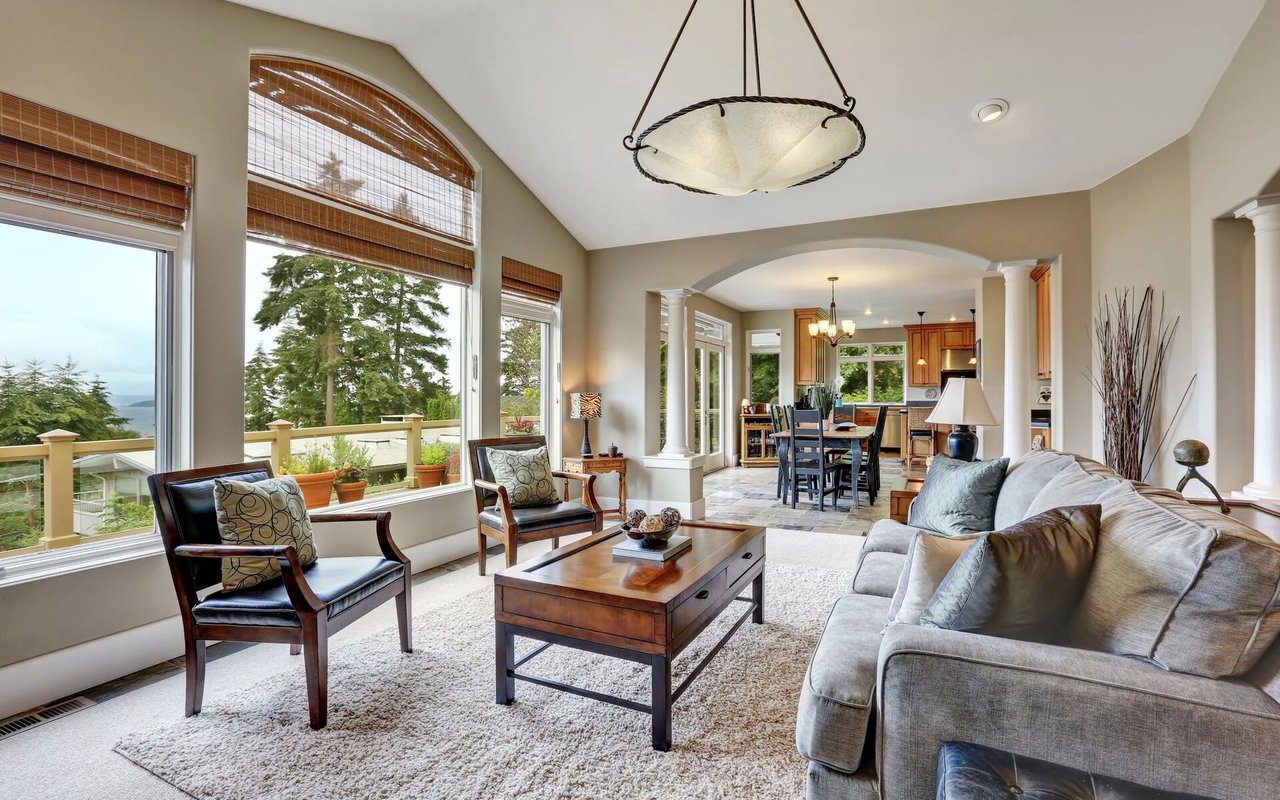
In Woodbury, current listings include a range of townhomes and detached homes, with examples around 1,212, 1,714, 1,959, 2,421, 2,751, 2,859, and 3,010 square feet. That mix gives buyers more options if they want extra bedrooms, larger main living areas, or more storage.
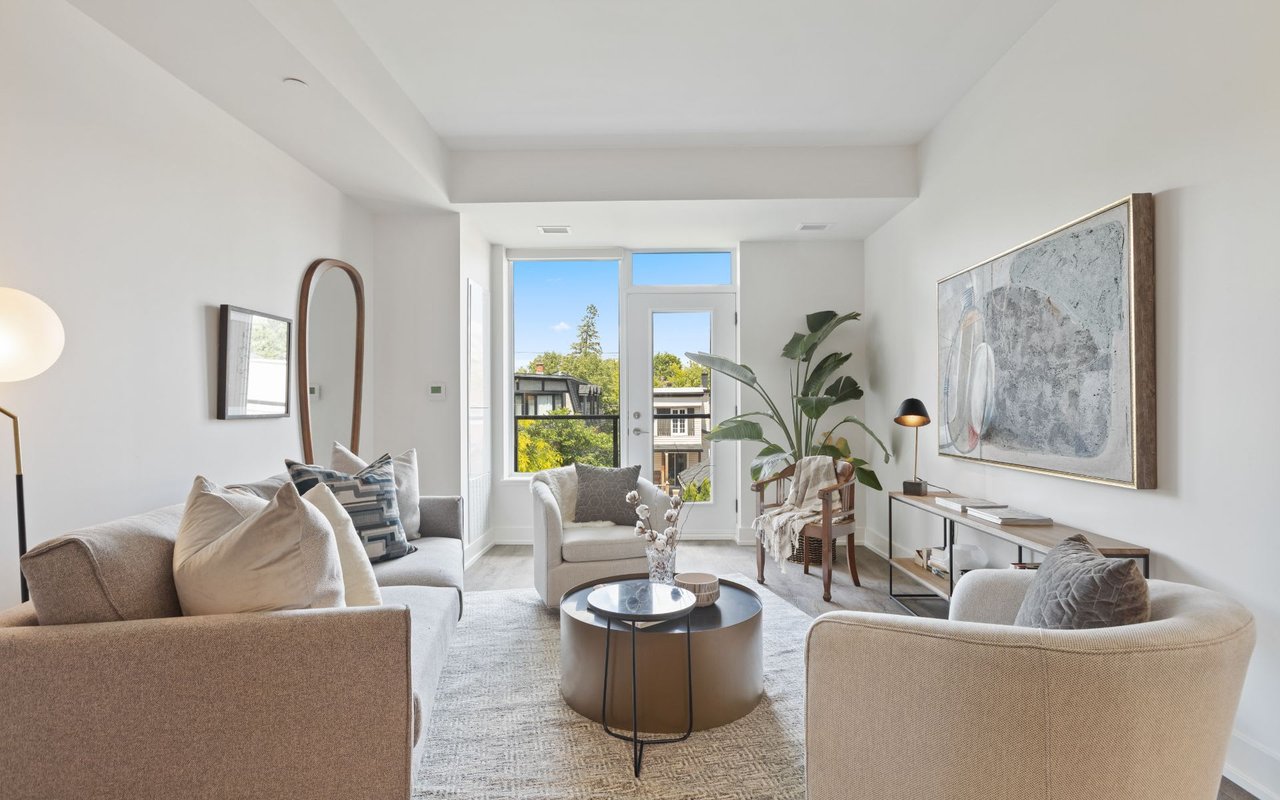
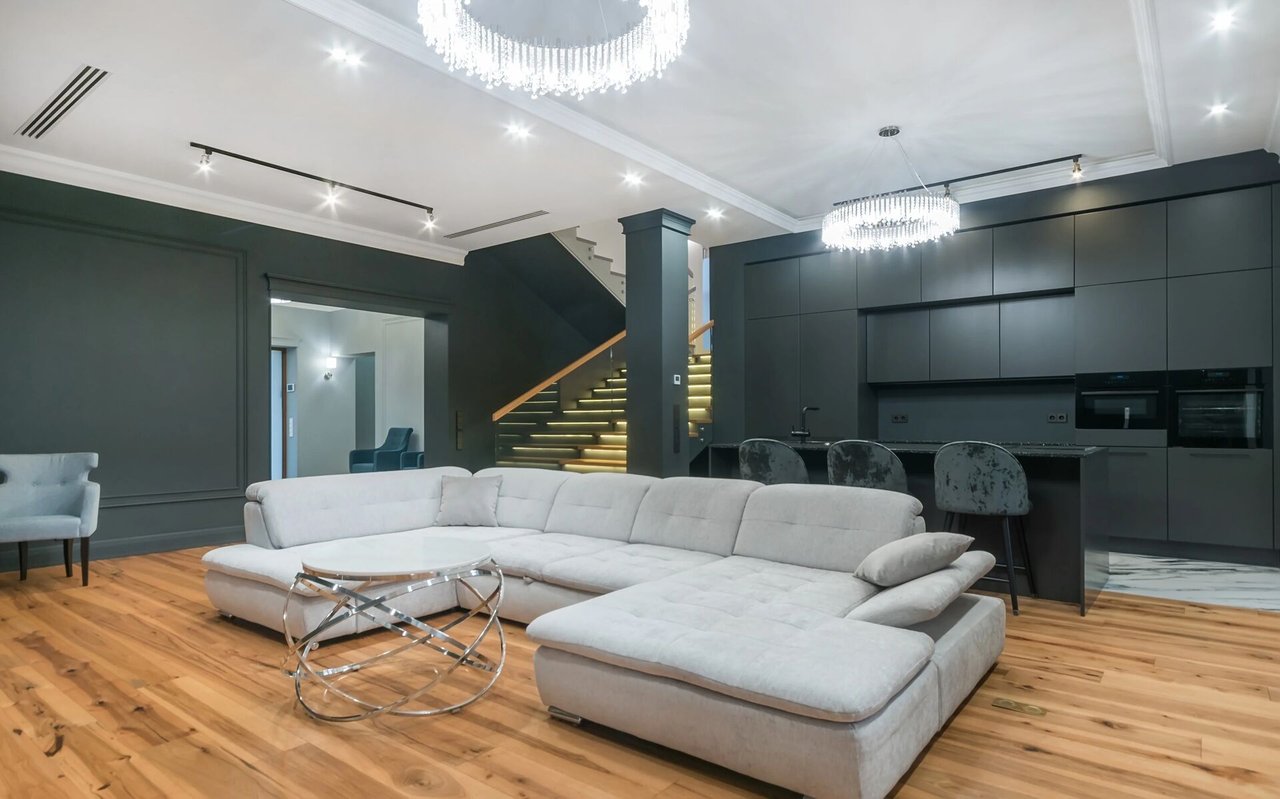
In North Loop, the housing mix leans more urban. Current listings include units around 1,751, 1,848, and 2,273 square feet, while rental examples can be much smaller at roughly 771 to 862 square feet.
Longfellow offers a broader size spread, with listings from about 1,113 to 3,370 square feet. Even so, its median listing price is about $337,500 with a median price per square foot of $244, which points to a mix of older homes, smaller footprints, and some renovated larger properties.
Northeast Minneapolis and Summit Hill also bring a different product mix than Woodbury. Northeast Minneapolis shows a median listing price of about $355,000, while Summit Hill is closer to $472,000 and includes apartments, duplex-style homes, and larger vintage residences.
Woodbury vs urban neighborhoods by cost
Here is the practical side-by-side view many buyers want.
| Area | Median Price / Snapshot | Price Per Square Foot |
|---|---|---|
| Woodbury | $490K list, $429K recent sale | $202 list, $188 recent sale |
| North Loop | Neighborhood listing snapshot | $337 |
| Longfellow | $337,500 median list | $244 |
| Northeast Minneapolis | $355K median list | $229 |
| Summit Hill | $472K median list | $245 |
The takeaway is straightforward. If your first priority is maximizing space for your budget, Woodbury usually compares well.
If your top priority is being closer to a dense urban core with older housing styles, more attached housing, and more walkable access to shopping and dining, those city neighborhoods often command the premium.
Commute and transit work differently
Commute style can shape your decision just as much as home price. Woodbury has a mean travel time to work of 24.1 minutes, compared with 22.0 minutes in Minneapolis and 21.1 minutes in St. Paul.
That does not mean Woodbury is disconnected. The city has weekday express bus service to downtown St. Paul and downtown Minneapolis from two park-and-ride lots, and the Gold Line planning area is centered on new transit-oriented activity in northwest Woodbury.
Still, Woodbury tends to fit buyers who are comfortable with a drive-first or park-and-ride routine. In North Loop, transit access is a bigger part of daily life, with Target Field Station offering connections to major destinations including downtown St. Paul, the University of Minnesota, U.S. Bank Stadium, Allianz Field, and MSP airport.
If you want to walk out your door and rely more on transit for day-to-day trips, the urban neighborhoods have a different feel. If you are comfortable driving and want more home for the money, Woodbury often makes more sense.
Shopping and dining have a different rhythm
One of the biggest lifestyle differences comes down to how errands, meals, and recreation fit into your week.
Woodbury is built around destination-style retail centers. CityPlace and Woodbury Lakes sit next to each other as open-air shopping, dining, and wellness destinations, while Tamarack Village, Woodbury Village, and Valley Creek Mall add more shopping nodes throughout the city.
That setup works well if you like convenience, parking, and the ability to run several errands in one stop. It creates a suburban routine that feels organized and efficient.
Urban neighborhoods offer a different rhythm. North Loop is known as a walkable arts, entertainment, shopping, and dining district, with riverfront trails and a city park adding to its appeal.
Longfellow ties recreation and local business activity to neighborhood corridors and park access, including Minnehaha Regional Park. Summit Hill is shaped by the character of Grand Avenue’s shopping district and Summit Avenue’s historic boulevard setting.
Neither approach is better for everyone. It depends on whether you prefer concentrated retail centers and parks, or a more spontaneous neighborhood experience where dining, shopping, and recreation are built into the street grid.
Who Woodbury may fit best
Woodbury often stands out for buyers who want a suburban setup with more interior space. That can be especially appealing if you are comparing monthly payment, square footage, and everyday practicality.
You may prefer Woodbury if you want:
- More square footage for your budget
- A wider selection of detached homes and larger townhomes
- Shopping centered in easy-access retail hubs
- Parks, trails, and open space as part of daily life
- A commute pattern built more around driving or park-and-ride service
For many move-up buyers, first-time suburban buyers, and downsizers who still want comfortable living space, that combination can feel like the right balance.
Who urban neighborhoods may fit best
Core Minneapolis and St. Paul neighborhoods often appeal to buyers who are willing to trade space for location and lifestyle. The premium can make sense if your routine depends on staying close to restaurants, entertainment, and transit.
You may prefer North Loop, Longfellow, Northeast Minneapolis, or Summit Hill if you want:
- More walkable access to shopping and dining
- Older homes or vintage housing character
- Denser neighborhood amenities
- Easier transit connections in some areas
- A home base closer to an urban core
These neighborhoods can be a strong fit if your top goal is convenience and character, even if the home itself is smaller or the cost per foot is higher.
How to make the right choice
If you are deciding between Woodbury and an urban Twin Cities neighborhood, start with the question that matters most to your daily life. Are you trying to buy more home, or are you trying to buy a more walkable location?
From there, compare a few basics side by side:
- Your target monthly payment
- The amount of space you actually need
- Whether you prefer detached homes, townhomes, condos, or older city homes
- Your comfort with driving, parking, or transit
- How often you want shopping, dining, and recreation within a short walk
When buyers get clear on those points, the decision usually becomes much easier. The right answer is less about which area is better overall and more about which one fits the way you want to live.
If you want help comparing Woodbury with other Twin Cities communities, Huerkamp Home Group can help you weigh pricing, property types, commute patterns, and neighborhood feel so you can move forward with confidence.
FAQs
How does Woodbury compare to Minneapolis neighborhoods on price per square foot?
- Woodbury is currently around $202 per square foot on listing data and $188 per square foot on recent sale data, which is lower than North Loop, Longfellow, Northeast Minneapolis, and Summit Hill in the research snapshot.
Is Woodbury a good fit if you want a larger home in the Twin Cities area?
- Woodbury often fits buyers who want more square footage, with current listings ranging from a 1,212 square foot townhome to detached homes and larger townhomes above 3,000 square feet.
How does Woodbury compare to North Loop for lifestyle?
- Woodbury centers more on destination shopping, parks, trails, and a drive or park-and-ride routine, while North Loop is more walkable and closely tied to dining, entertainment, riverfront trails, and transit access.
Are homes in Longfellow or Summit Hill usually smaller than homes in Woodbury?
- They can be, depending on the property, because those neighborhoods include older homes, apartments, and duplex-style housing, while Woodbury has a stronger mix of larger suburban homes and townhomes.
Is commuting from Woodbury harder than living in Minneapolis or St. Paul?
- Woodbury’s mean travel time to work is slightly longer at 24.1 minutes versus 22.0 minutes in Minneapolis and 21.1 minutes in St. Paul, and it tends to work best for buyers comfortable with driving or park-and-ride transit.