If you are trying to choose the right Woodbury neighborhood, you are not alone. A lot of buyers start with a map and a price range, then realize Woodbury has very different neighborhood styles depending on when homes were built, how amenities are owned and maintained, and how close you want to be to freeways or the METRO Gold Line. The good news is that you do not need to rank every area to make a smart choice. You just need a clear way to compare what matters most to your daily life. Let’s dive in.
Start With How You Want To Live
In Woodbury, neighborhood choice often comes down to three practical factors: home age, amenity structure, and commute access. That matters because two neighborhoods can have similar price points but feel very different once you look at maintenance rules, trail access, or how long it takes to reach I-94.
A helpful way to narrow your search is to sort neighborhoods into three broad buckets. In Woodbury, those buckets are older established subdivisions, 2000s-era master-planned communities with HOA amenities, and areas tied more closely to transit, retail, and future growth corridors.
Compare Older Woodbury Neighborhoods
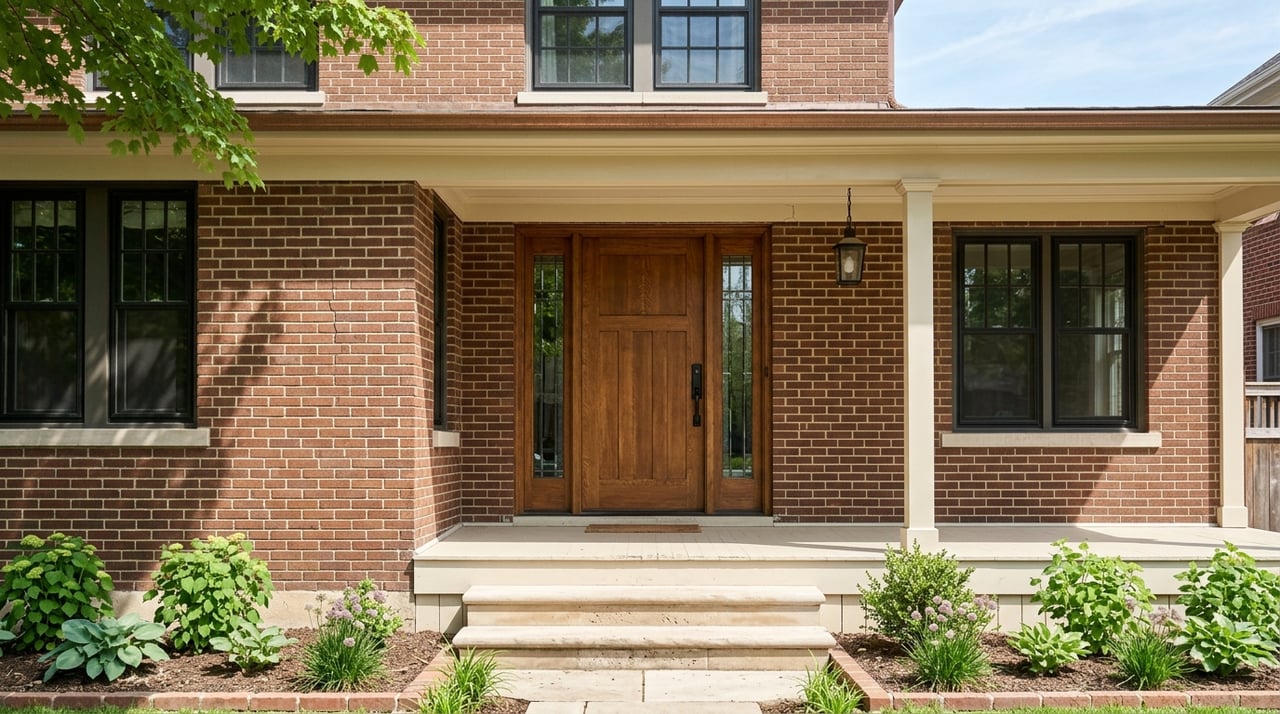
Older subdivisions tend to appeal to buyers who want mature trees, established streets, and homes built in earlier decades. In Woodbury, neighborhoods like Woodbury Heights, Park Hills, and Royal Oaks are often part of that conversation.
The city says Woodbury Heights began in 1955, and it identifies Woodbury Heights, Park Hills, and Royal Oaks as subdivisions with city-maintained boulevard trees. That can be a meaningful difference when you compare them to some newer areas where boulevard-tree maintenance may be private.
These neighborhoods can also come with a longer history of road and utility work. For example, Royal Oaks was included in a 2023-2024 road rehabilitation project, which is a useful reminder that older areas may have more visible maintenance history than newer plat developments.
What Older Subdivisions Often Offer
If you are comparing established neighborhoods, here is what usually stands out:
- More mature landscaping
- More traditional street patterns
- Less focus on private amenity packages
- A more built-out feel with fewer active new-construction sections
That does not make them better or worse. It simply means your decision may come down to whether you value an established setting more than HOA-driven amenities.
Where Wedgewood Fits
Wedgewood is another important neighborhood to know when comparing Woodbury options. A Woodbury Magazine history notes that phase 2 of Wedgewood was approved in 1984, and the overall project ultimately reached about 1,000 housing units.
The housing mix included single-family homes, villas, and detached townhomes on large scenic lots. Today, Wedgewood is best understood as a largely built-out and mature neighborhood rather than one driven by new construction.
For many buyers, Wedgewood sits somewhere between “older Woodbury” and “planned community Woodbury.” It offers a recognized neighborhood identity and a variety of housing types, but it is not the same kind of private-amenity community you see in some 2000s developments.
Look Closely At HOA Communities
If you want amenities like a pool, trails, courts, or private parks, Woodbury has several neighborhoods where that structure is a major part of daily life. In these communities, the HOA often plays a much bigger role in maintenance, amenities, and neighborhood rules.
This matters because in Woodbury, private parks are HOA-owned and managed. The city notes that these spaces may include features like playgrounds, courts, pools, shelters, amenity buildings, and skating rinks, and access is typically limited to association members.
Bailey’s Arbor
Bailey’s Arbor is one of Woodbury’s private-park neighborhoods. It was built on the former Bailey Nursery site, with construction from 2005 to 2008, and the housing included townhome-style units along with other residential options.
Current descriptions characterize Bailey’s Arbor as a mix of single-family homes and townhomes. City materials point to pools, walking trails, themed gardens, and courts, which makes it a strong option if you want early-2000s construction and a noticeable amenity package.
Stonemill Farms
Stonemill Farms is one of Woodbury’s most amenity-rich private-park communities. Association materials list a community center, fitness center, game room, pool, splash pad, hockey rink, basketball courts, walking trails, and five private parks.
A demographic source lists a median construction year of 2008, which helps place it in the 2000s growth period. If your priority is an HOA-supported lifestyle with multiple recreation features, Stonemill Farms is often one of the clearest examples in Woodbury.
Dancing Waters
Dancing Waters is also listed by the city as a private-park neighborhood. Current builder materials show a final luxury-townhome phase, while current neighborhood marketing describes a master-planned community with water features, walking paths, and resort-style amenities.
For your shortlist, the key point is not just the home style. It is the overall structure of the neighborhood, where amenities and upkeep expectations may be part of the ownership experience.
Consider A More Settled Setting
Not every buyer wants a clubhouse-style neighborhood. Some prefer a setting that feels quieter and more established without the same concentration of private amenities.
Eagle Valley is a useful comparison point here. The city’s management plan says development in the area began in the mid-1990s around the golf course, and the neighborhood park is now surrounded by single-family residential development.
If you are deciding between a calmer, more settled setting and a denser amenity-focused community, Eagle Valley helps define that contrast. It may appeal to buyers who care more about setting and layout than shared recreational features.
Think About Commute And Access
In Woodbury, commute patterns can shape your experience as much as the house itself. The city highlights Woodbury’s location along I-494, I-694, and I-94, and the 2025 METRO Gold Line runs along the I-94 corridor.
Woodbury has three Gold Line station areas: Tamarack, Woodbury Theatre, and Woodlane. The station-area master plan covers about 410 acres in northwestern Woodbury and includes places to work, shop, live, and gather in open or public spaces.
If you value transit access or quicker freeway connections, you may want to compare neighborhoods near Bielenberg, Tamarack, Guider, and Woodlane first. Areas farther south or east may feel more road-oriented in day-to-day life.
Why This Matters In Real Life
A neighborhood can look perfect online and still miss the mark if the location does not fit your routine. Before you rule in or rule out an area, think about:
- How often you use I-94 or other freeway routes
- Whether transit access matters to your household
- How close you want to be to major retail and services
- Whether you are comfortable with future development nearby
Those points can quickly separate a nice neighborhood from the right neighborhood.
Check Retail And Future Growth
Woodbury’s services are clustered, not evenly spread across the city. That means convenience can vary more by location than some buyers expect.
For example, Tamarack Nature Preserve has access points from the east-side City Centre commercial development. The city’s Urban Village master plan also says the Bailey Road and Radio Drive corner is intended to become a retail and service center for southern Woodbury.
The city’s 2026 Bailey Development environmental review points to a major south-side buildout proposal that could add attached residential units, retail, and business-park space. If you are comparing neighborhoods, it helps to look at both what is nearby today and what may be built nearby in the next few years.
Ask Better HOA And Maintenance Questions
One of the biggest mistakes buyers make is assuming the neighborhood name tells the whole story. In Woodbury, ownership obligations can vary a lot based on the exact address.
The city notes that private streets are the responsibility of homeowners or the HOA. It also explains that boulevard-tree maintenance differs by subdivision, with Woodbury Heights, Park Hills, and Royal Oaks having city-maintained boulevard trees, while many newer developments east of Bielenberg Drive maintain boulevard trees privately.
Questions To Ask Before You Buy
As you build your shortlist, ask these address-specific questions:
- Which school district serves this exact parcel?
- Is the street public or private?
- Does the HOA own or maintain the park, pool, trail, or boulevard trees?
- What do the dues cover?
- Are there special assessments or reserve obligations?
These questions often matter more than the neighborhood label itself. In a city with both public and private maintenance structures, details in the documents can have a real impact on your monthly costs and ownership experience.
A Simple Way To Narrow Your List
If Woodbury feels broad at first, use this three-part filter to simplify your search. It keeps the comparison practical and helps you focus on fit instead of trying to pick a universally “best” neighborhood.
| Neighborhood type | Best for buyers who prioritize | Examples |
|---|---|---|
| Older established subdivisions | Mature landscaping, traditional street patterns, built-out areas | Woodbury Heights, Park Hills, Royal Oaks |
| 2000s planned communities | HOA amenities, private parks, organized neighborhood features | Bailey’s Arbor, Stonemill Farms, Dancing Waters |
| More settled or access-focused areas | Specific commute goals, golf-course-adjacent setting, retail or transit convenience | Eagle Valley, areas near Tamarack, Woodlane, and Bielenberg |
When you compare neighborhoods this way, the decision becomes much clearer. You are not trying to choose the most popular area. You are choosing the part of Woodbury that best matches how you want to live, commute, and maintain your home.
If you want help narrowing your options in Woodbury, the team at Huerkamp Home Group can help you compare neighborhoods, housing types, and ownership details so you can move forward with confidence.
FAQs
How should you compare neighborhoods in Woodbury, MN?
- Start by comparing home age, HOA amenity structure, and commute access. In Woodbury, those three factors often explain the biggest day-to-day differences between neighborhoods.
Which Woodbury neighborhoods are considered older and more established?
- Woodbury Heights, Park Hills, Royal Oaks, and Wedgewood are commonly viewed as more established areas with mature landscaping and more built-out surroundings.
Which Woodbury neighborhoods have strong HOA amenity packages?
- Bailey’s Arbor, Stonemill Farms, and Dancing Waters are key examples of Woodbury neighborhoods where private parks and HOA-supported amenities play a major role.
What should you ask about an HOA in a Woodbury neighborhood?
- Ask what the dues cover, whether the HOA maintains parks, pools, trails, streets, or boulevard trees, and whether there are reserve obligations or special assessments tied to the property.
How does transit access affect neighborhood choice in Woodbury?
- Buyers who want easier access to I-94 or the METRO Gold Line often start by looking near Tamarack, Woodbury Theatre, Woodlane, Bielenberg, and nearby northwestern Woodbury corridors.
Why does the exact address matter in Woodbury, MN?
- In Woodbury, school district boundaries, public versus private streets, and maintenance responsibilities can vary by parcel, so the exact address often matters more than the neighborhood name alone.