If you love the idea of lake-town living but still need access to downtown Minneapolis or Saint Paul, Waconia probably keeps coming up in your search. That makes sense. You want a home that fits your day-to-day life, not just your weekend wishlist, and commute time is a big part of that decision. This guide will help you understand what commuting from Waconia to the Twin Cities core really looks like, what your main options are, and how to decide whether the tradeoff makes sense for you. Let’s dive in.
What commuting from Waconia looks like
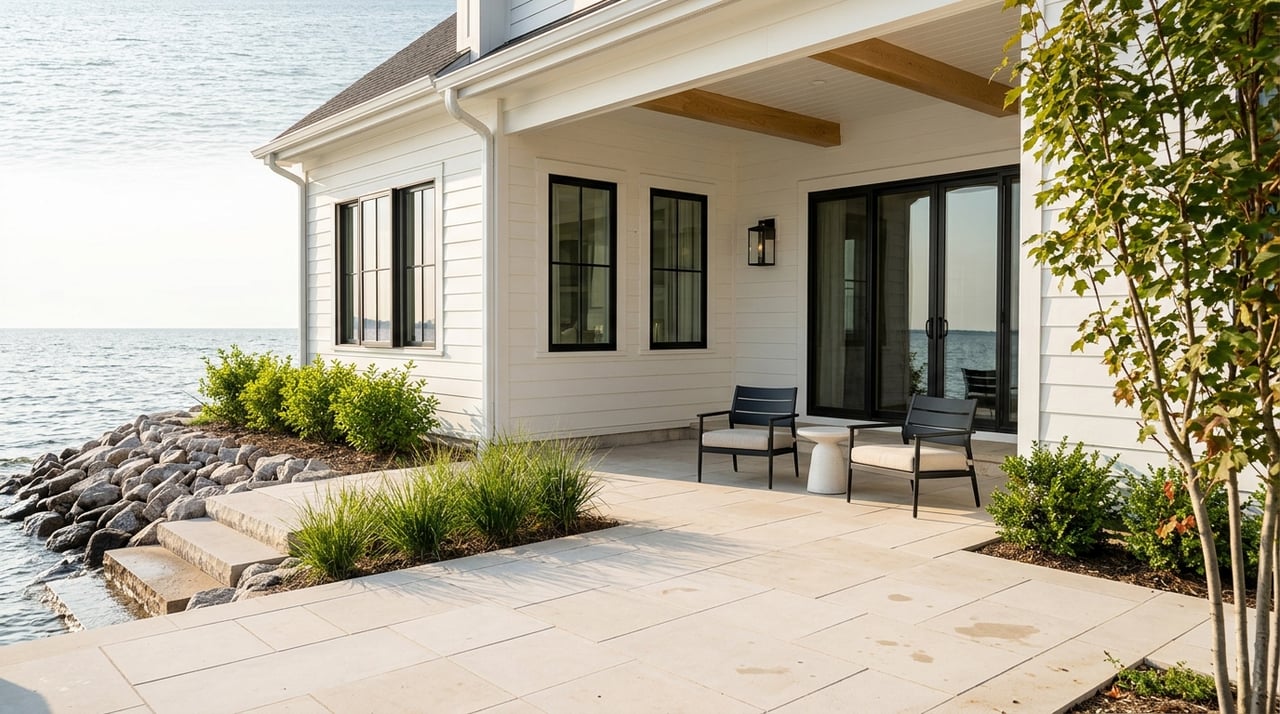
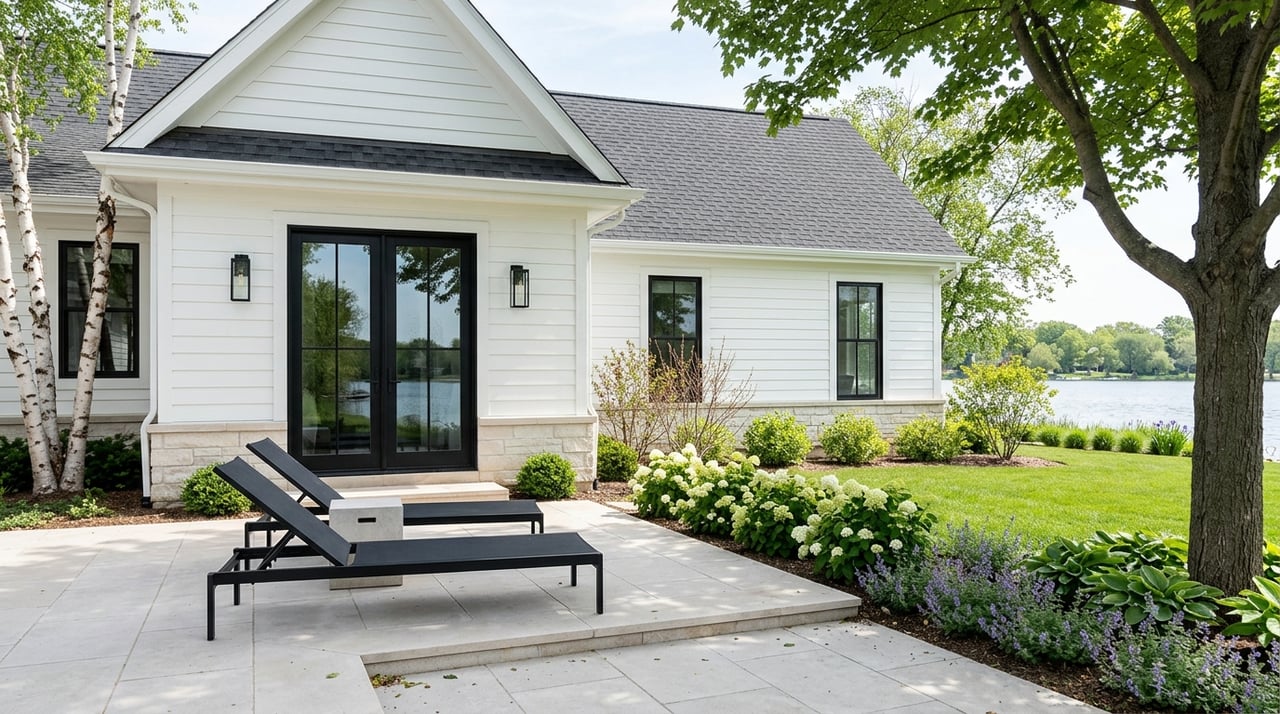
Waconia is a growing west-metro city in Carver County with an estimated 13,831 residents in 2024. The city is known for its setting near Lake Waconia, which is described by the city as the metro’s second-largest lake. That combination gives you a smaller-city feel with easy access to outdoor recreation.
From a commuting standpoint, Waconia works more like a freestanding town center than an inner-ring suburb. The city’s transportation planning documents say there is no regular fixed-route transit service in Waconia and no near-term plan for one. In practical terms, that means most commuters rely on driving or a drive-to-park-and-ride routine.
Drive times to Minneapolis and Saint Paul
If you plan to drive, Waconia can be a workable base for a Twin Cities commute, but it is not a short hop. Current estimates put the drive to Minneapolis at about 36 miles and around 42 minutes in typical traffic. For Saint Paul, the estimate is about 43 miles and roughly 49 minutes.
That difference matters when you compare job locations. Minneapolis is generally the easier core-city commute from Waconia, while Saint Paul usually takes longer because you are crossing more of the southwest metro before reaching the east side of the urban core. If you commute five days a week, that extra time can add up quickly.
Minneapolis commute expectations
For many buyers, the Minneapolis side of the core is the most realistic target if they want to live in Waconia. The commute is shaped by the broader eastbound southwest-metro corridor, with Chaska and Eden Prairie acting as important points along the way. This is one reason the drive feels more like a true regional commute than a nearby suburban connection.
If your work hours are predictable and you are comfortable with roughly 40 to 45 minutes on the road in typical conditions, Minneapolis can be a reasonable fit. It is especially worth considering if Waconia’s setting, space, and lifestyle matter more to you than shaving every possible minute off the drive.
Saint Paul commute expectations
A Saint Paul commute from Waconia is still possible, but it is usually the longer and less direct option. With estimated drive times closer to 49 minutes, you should think of this as a more substantial daily trip. For some buyers, that is fine. For others, it may feel like too much once the routine becomes part of everyday life.
If your workplace is in or near downtown Saint Paul, it helps to be realistic early in your search. Waconia may still be the right choice, but you should go in knowing that the eastbound travel pattern is generally more demanding than a Minneapolis commute.
Why Waconia is still popular with commuters
Longer drive times do not stop people from choosing Waconia. The main reason is lifestyle. Waconia offers a lake-oriented setting with access to boating, swimming, sailing, windsurfing, ice fishing, parks, sidewalks, and trails.
For many buyers, that tradeoff feels worth it. You may be willing to accept a longer trip into the city if your home life offers more breathing room, easier access to outdoor recreation, and a setting that feels more removed from the busiest parts of the metro.
Transit options from Waconia
Transit is available, but it works differently here than it would in a more transit-oriented suburb. Waconia does not have regular in-town fixed-route bus service. Instead, the nearest regular transit service is in Chaska, about a 15-minute drive from downtown Waconia.
Carver County says Waconia residents can use Transit Link and SmartLink shared-ride service. These can help with local mobility and regional connections, but they do not function like a typical local bus network running throughout town. If you are hoping to walk to a frequent bus stop in Waconia, this is probably not the right fit.
Express bus and park-and-ride pattern
For many commuters heading toward Minneapolis, the most practical transit routine is to drive to a nearby station and then take an express bus. SouthWest Transit serves stations in Eden Prairie, Chaska, Chanhassen, and Carver, with current commuter routes connecting to Minneapolis.
Routes 695, 698, and 698U all operate between Chaska and Minneapolis. The 698U is a direct route to downtown Minneapolis and the University of Minnesota. This setup can be useful if you want to reduce the amount of time you spend driving into the core.
What the timing can look like
The tradeoff is that this network is built around peak commuter hours, not frequent all-day service. On route 698U, East Creek Station departures begin at 6:00 a.m. and 6:15 a.m., with downtown Minneapolis arrivals at 6:53 a.m. and 7:08 a.m. Route 695 also offers morning trips from East Creek Station into Minneapolis, including the 35W/Lake area.
Because you first need to get from Waconia to the station, the total trip often lands around an hour or a little more from downtown Waconia to downtown Minneapolis. That estimate comes from adding the roughly 15-minute drive to Chaska and the express bus segment. For the right commuter, that can still be attractive, especially if you prefer reading, answering emails, or simply not driving the whole way.
Is transit realistic for a Saint Paul job?
Transit is less direct if you work in Saint Paul. The current express bus network highlighted in the research is built around Minneapolis and the University of Minnesota. That means Saint Paul commuters are generally looking at car-based routines or more complicated transfer patterns.
If transit is a must-have and your job is in Saint Paul, Waconia may be harder to make work smoothly. It is not impossible, but it usually will not offer the same level of convenience as the Minneapolis-oriented express bus options.
Roads and corridor planning matter
Your commute from Waconia is not shaped by one road alone. City planning documents identify TH 5 as a major corridor through town and note access-management concerns along TH 5 and Waconia Parkway. MnDOT project pages also show Highway 5, Highway 212, and I-494 as major planning and construction corridors in the southwest metro.
For you, the takeaway is simple. Commute reliability depends on the broader corridor, not just the final stretch into downtown. When you are comparing homes, it helps to think beyond mileage and ask how often you will be moving through these key eastbound routes.
Who Waconia fits best
Waconia tends to fit buyers who are comfortable with a roughly 40 to 50 minute drive to the Twin Cities core and who value a quieter setting. It can be a smart match if you want lake-town amenities, suburban space, and access to the southwest metro without living in a denser, more built-up location.
It may be a particularly good fit if your schedule is predictable. A regular start time makes it easier to decide whether driving or a park-and-ride routine will work best. Buyers with flexible or hybrid schedules may also find the commute easier to manage because they are not making the trip every single day.
Questions to ask before you move
Before you choose Waconia, it helps to test your routine on paper.
- How many days each week will you commute?
- Is your job in Minneapolis or Saint Paul?
- Would you rather drive the whole way or use an express bus from Chaska?
- Do your work hours line up with peak commuter service?
- How much do you value lake access, parks, trails, and a quieter setting?
These questions can keep your home search grounded in real life. A home can check every box on style and space, but if the commute does not fit your schedule, the decision gets harder over time.
The bottom line on commuting from Waconia
Waconia can be a strong option if you want more lifestyle value and are comfortable trading some commute convenience for it. Driving to Minneapolis usually takes about 42 minutes in typical traffic, while Saint Paul is closer to 49 minutes. Transit is possible for some Minneapolis commuters through a drive-to-park-and-ride routine, but Waconia remains a car-first community overall.
If that balance sounds right for you, Waconia deserves a closer look. And if you want help comparing Waconia with other Twin Cities commuter-friendly communities, the team at Huerkamp Home Group can help you weigh commute times, lifestyle goals, and available homes with a clear local strategy.
FAQs
How long is the drive from Waconia to downtown Minneapolis?
- Current estimates put the drive at about 36 miles and around 42 minutes in typical traffic.
How long is the drive from Waconia to downtown Saint Paul?
- Current estimates put the drive at about 43 miles and roughly 49 minutes, which is usually longer than the Minneapolis commute.
Does Waconia have regular local bus service?
- No. Waconia’s transportation plan says there is no regular fixed-route transit service in the city.
What transit option can Waconia commuters use for Minneapolis jobs?
- Many commuters use a drive-to-park-and-ride routine, often heading to nearby SouthWest Transit stations in places like Chaska for express service to Minneapolis.
Is Waconia a good fit for Twin Cities commuters?
- Waconia can be a good fit if you are comfortable with a roughly 40 to 50 minute commute and want a lake-town setting, parks, trails, and more space.