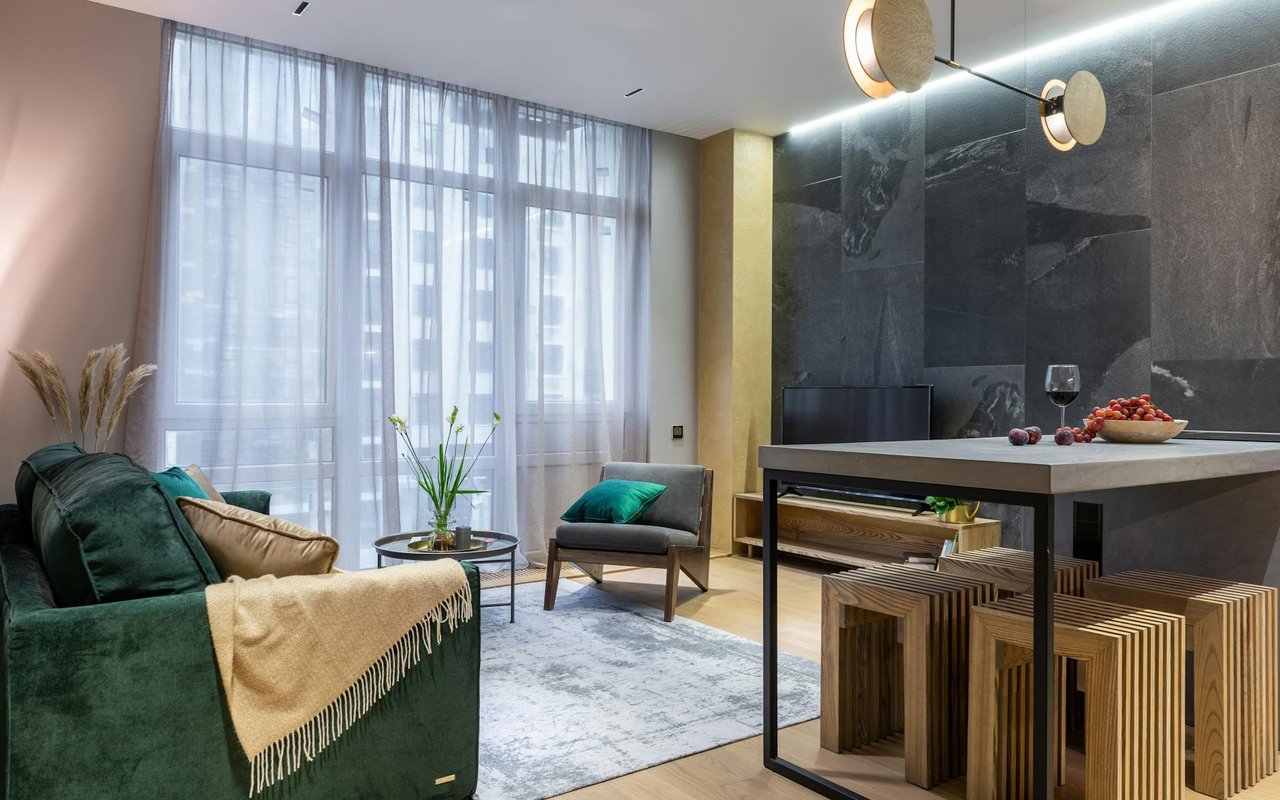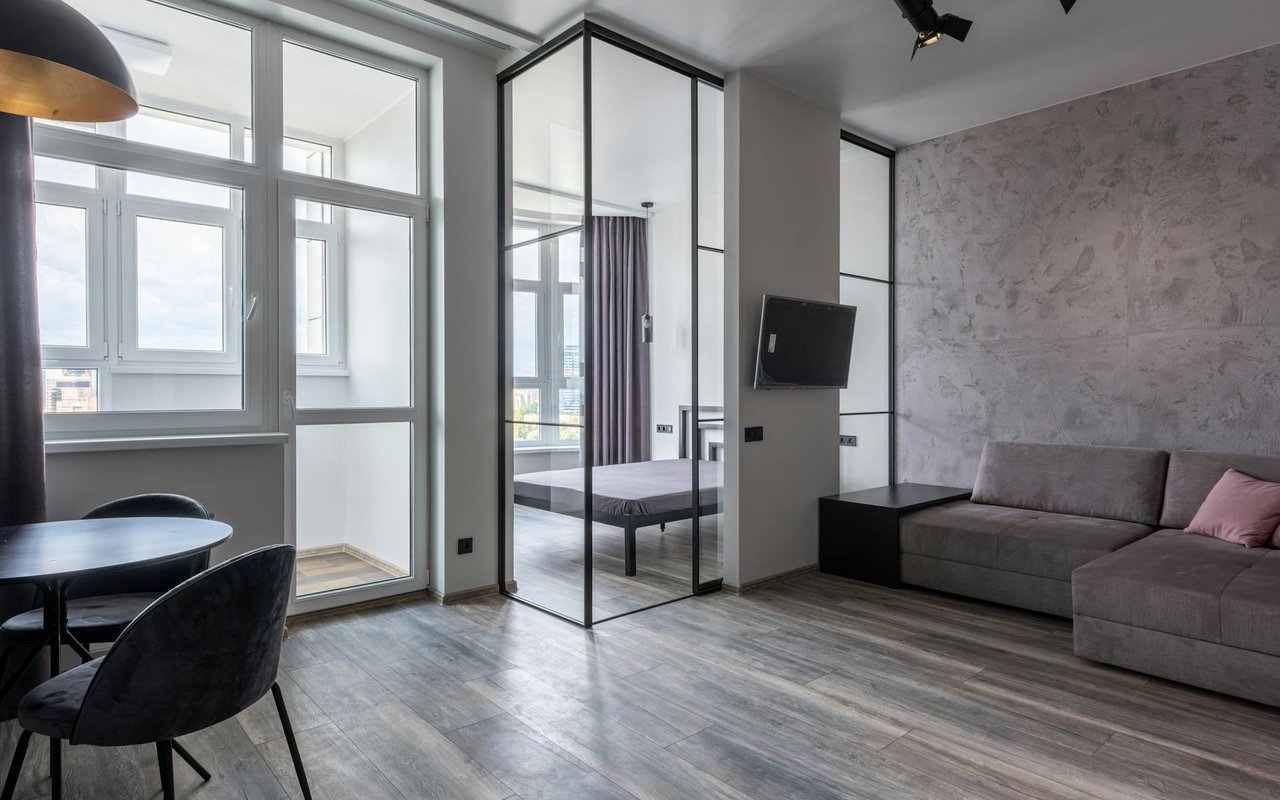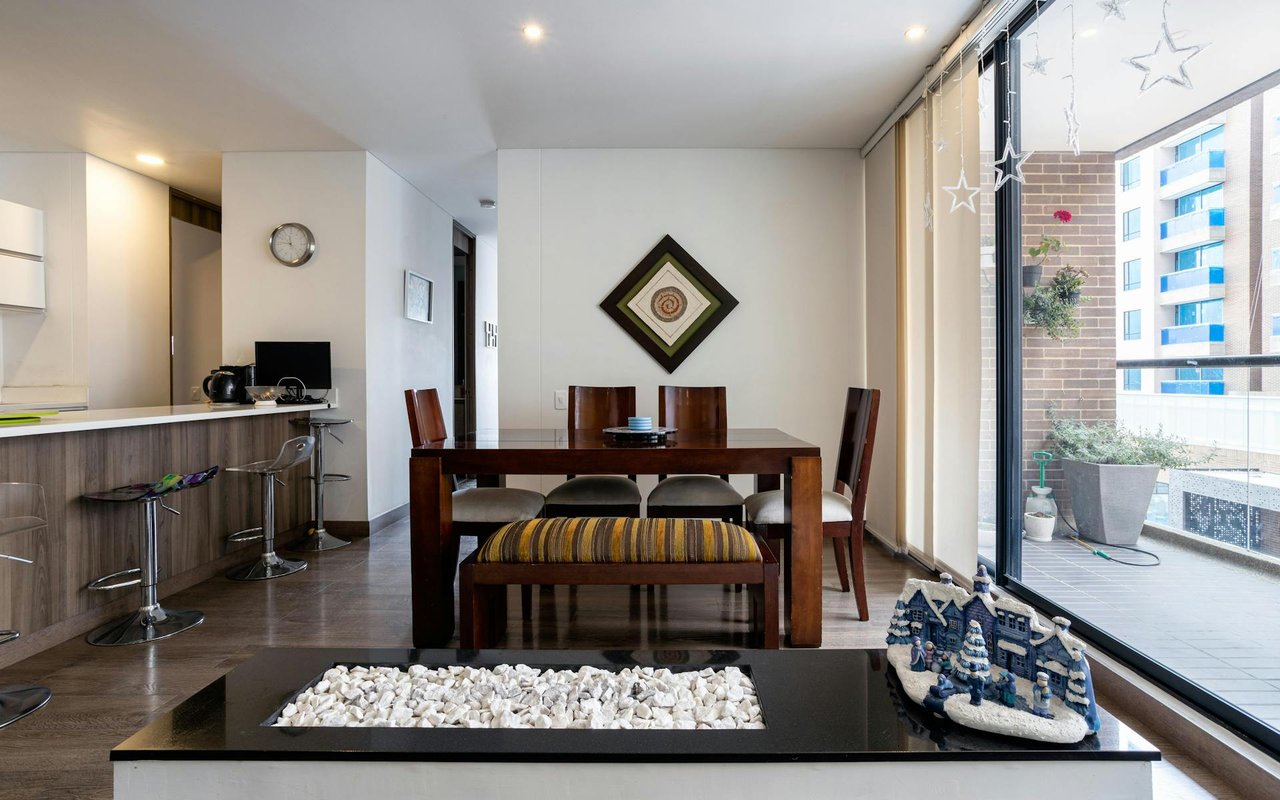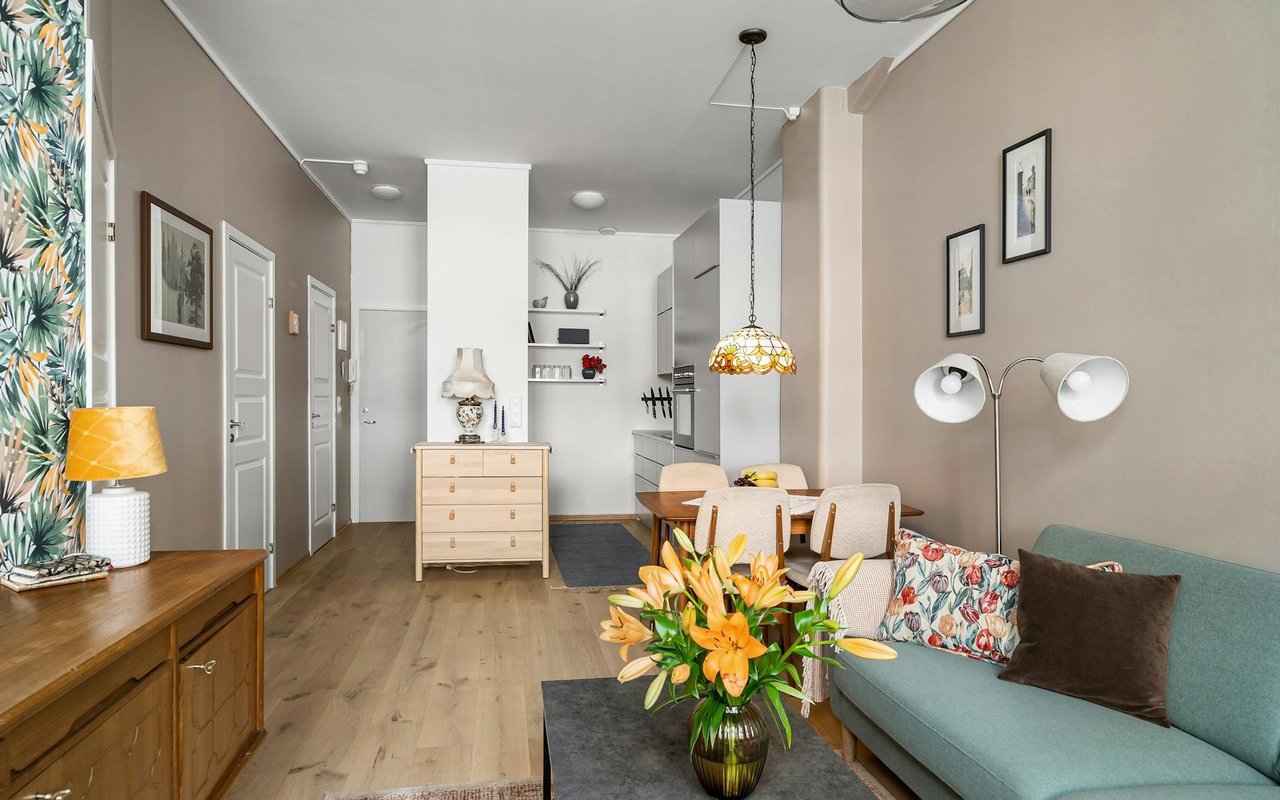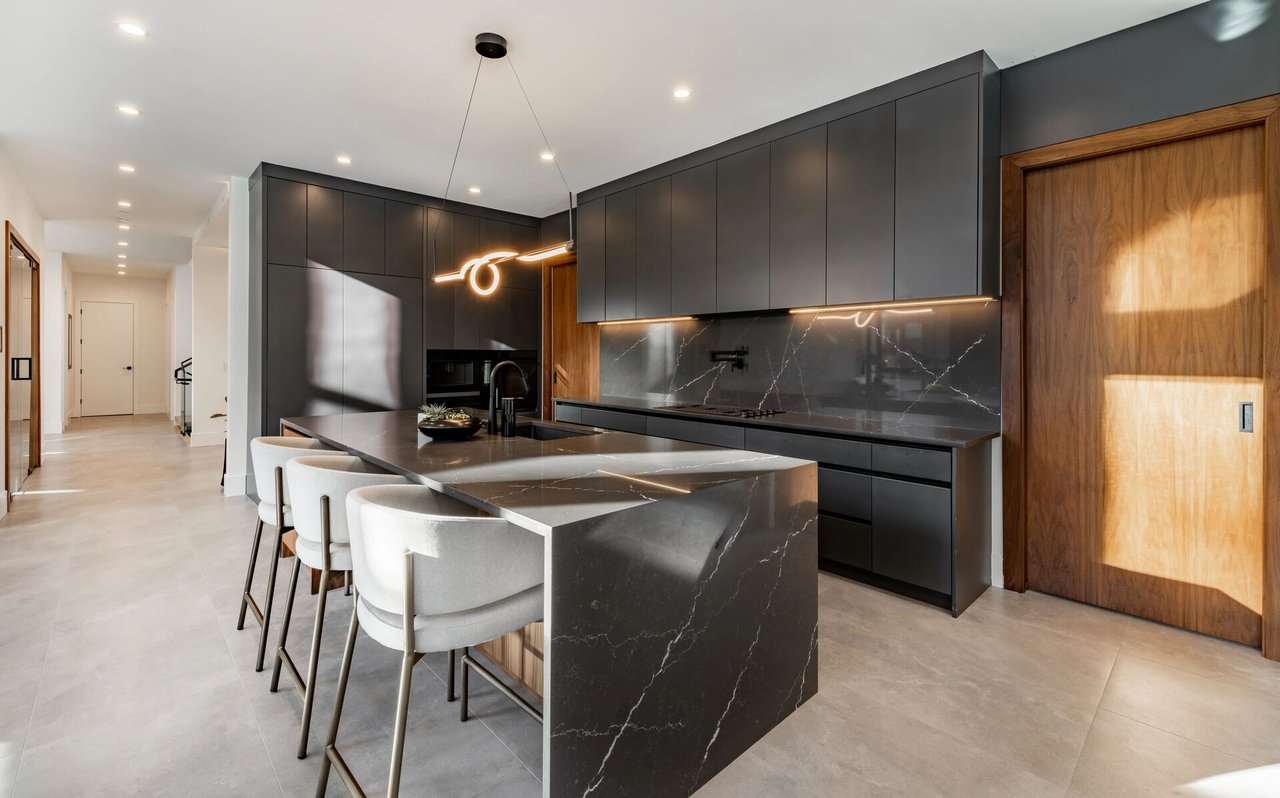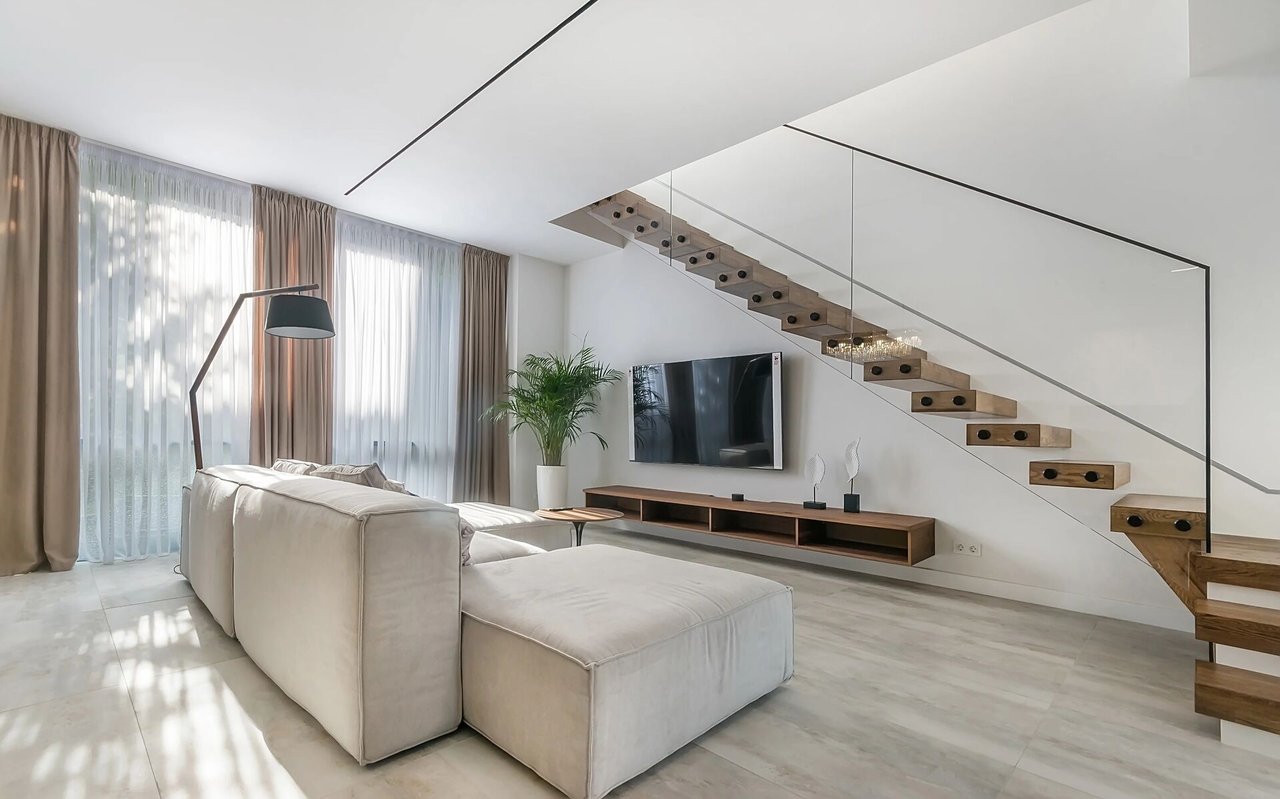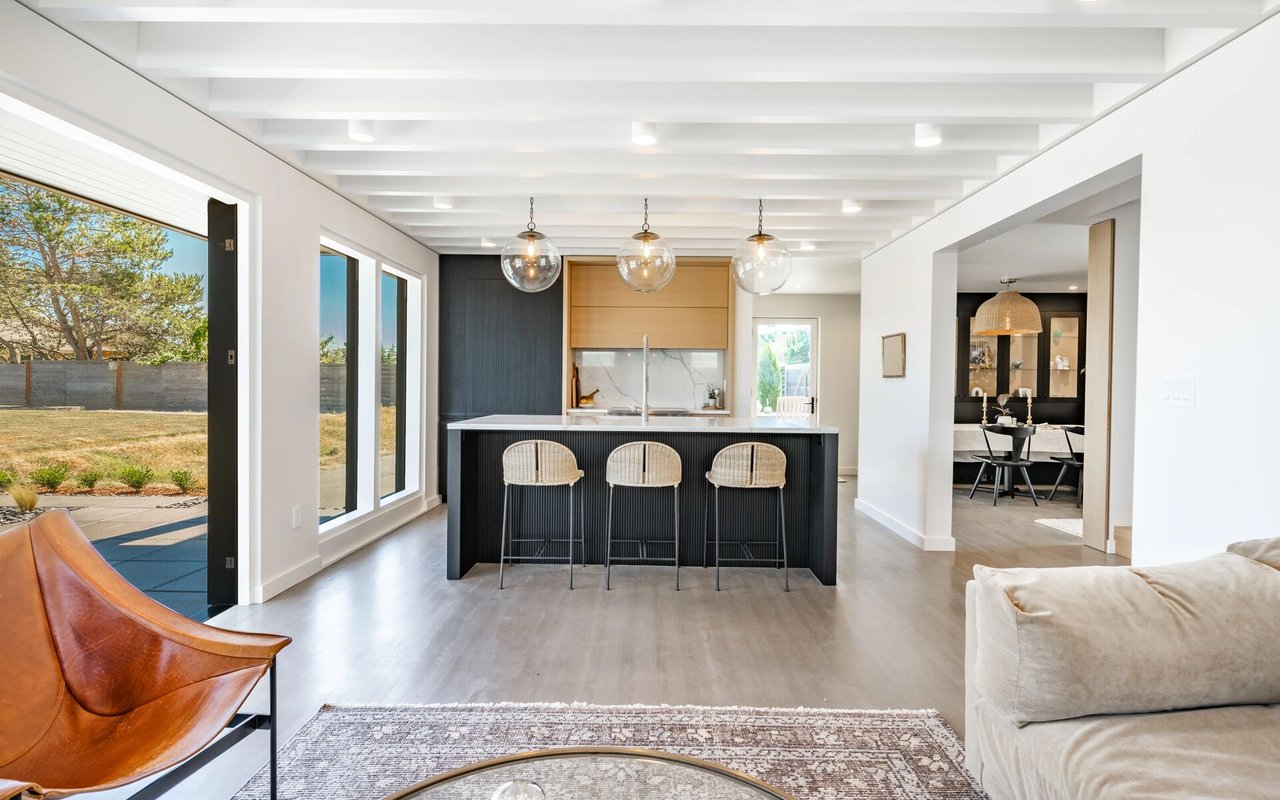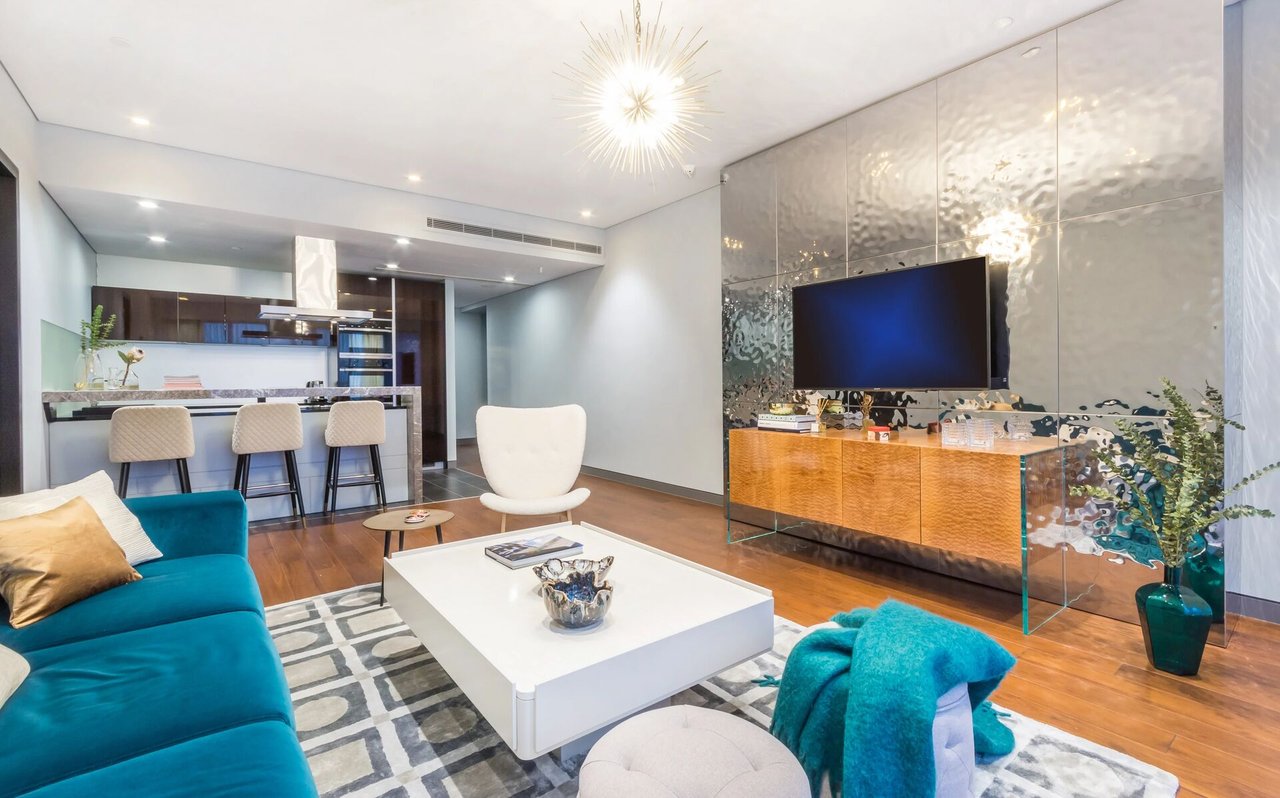
Your home has seconds to make a strong first impression online. In a market like Eden Prairie, where buyers often start their search on a screen and compare several homes before booking a tour, your listing photos and digital presentation can shape whether they take the next step. If you want to attract serious buyers and help them see the value of your home quickly, the right prep can make a real difference. Let’s dive in.
Why online buyers matter in Eden Prairie
Eden Prairie gives buyers a lot to evaluate at once. It is a fully developed southwest metro suburb with more than 60,000 residents, more than 2,800 businesses, more than 1,000 acres of developed parkland, and 225 miles of sidewalks and trails. That means buyers often want to understand not just the house, but also how the property fits their daily routine and lifestyle.
For many buyers, the online listing is the first showing. In the 2024 NAR survey, the first step in the home search process was to look online for properties. Buyers typically searched for 10 weeks, viewed a median of seven homes, and photos were the most useful website feature for nearly nine in 10 buyers age 58 and under.
That matters even more because buyers split their internet search time about evenly between desktop and mobile devices. Your home needs to look clean, bright, and easy to understand on a large screen and on a phone. If the photos are dark, cluttered, or confusing, buyers may move on before they ever schedule a visit.
Start with the basics
You do not need to renovate your entire home to improve your online presentation. The most helpful pre-listing steps are usually decluttering, depersonalizing, deep cleaning, making necessary repairs, and staging. These updates help buyers focus on the home itself instead of the distractions around it.
Think of prep as a way to remove friction. Online buyers want to scroll through photos and quickly understand room size, condition, layout, and how the home lives day to day. When your home feels tidy, neutral, and well cared for, that process becomes much easier.
Declutter every visible surface
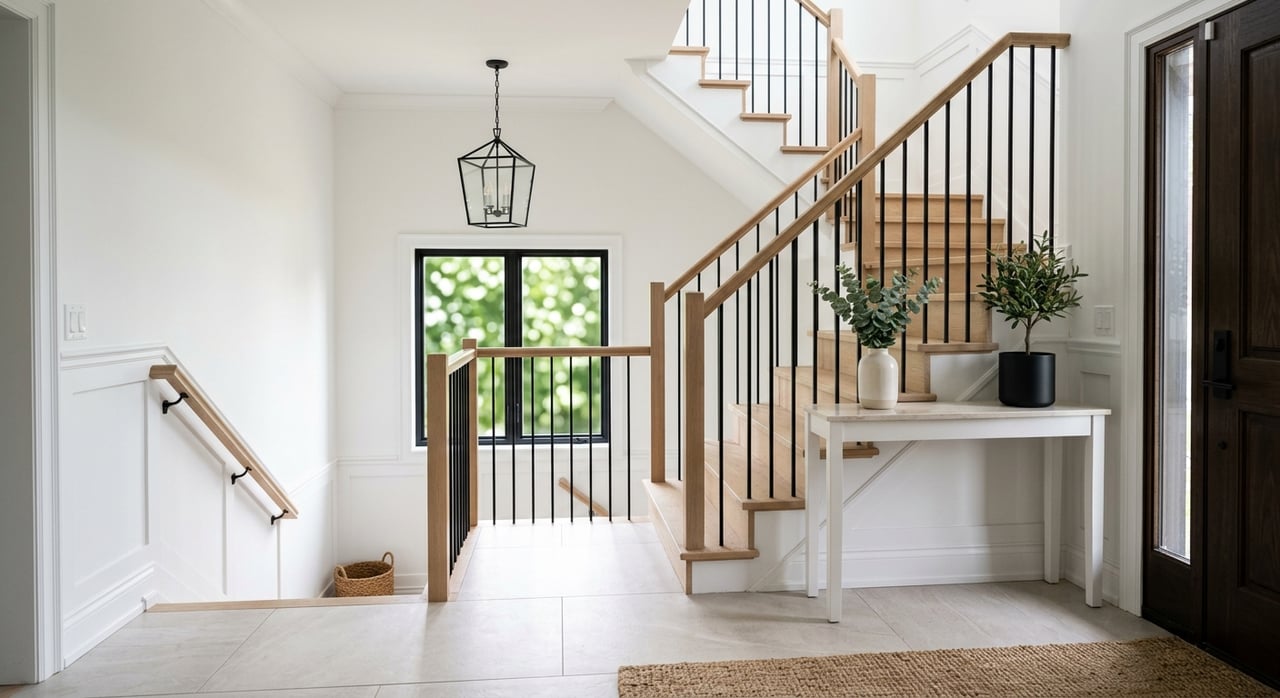
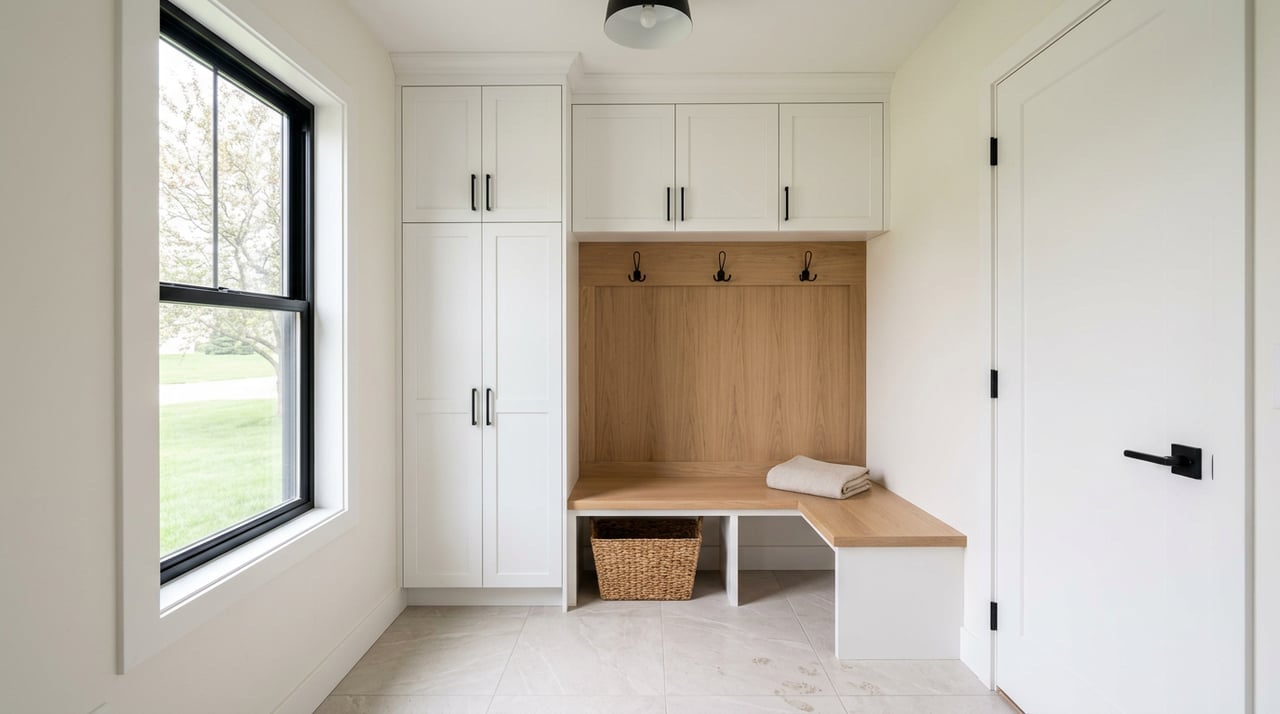
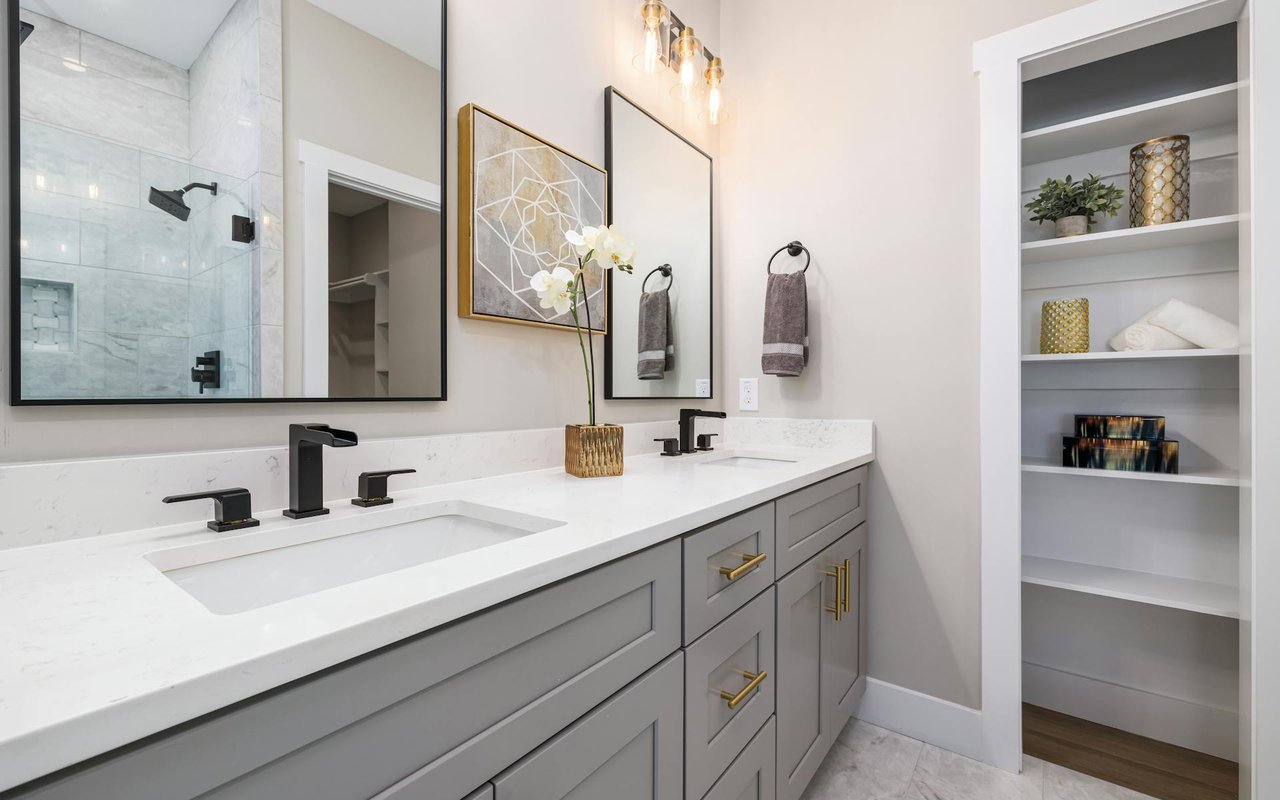
Clutter reads louder in photos than it does in person. Counters, shelves, mudroom benches, bathroom vanities, and nightstands can all look busier online than they feel in real life. Clearing those spaces helps rooms look larger, calmer, and more functional.
Try to remove anything that does not need to be there every day. That includes small appliances, stacks of mail, pet items, cords, baskets, and excess decor. Buyers are not judging your style as much as they are trying to picture their own life in the space.
Depersonalize the rooms
Personal photos, bold collections, custom name signs, and highly specific decor can make it harder for buyers to connect with the home. NAR staging guidance recommends removing personal items and sticking with neutrals. That advice is especially useful online, where buyers make quick decisions based on visual clarity.
You do not need to strip all personality out of the house. Instead, aim for a clean and welcoming look that feels broad and flexible. A few simple accents can still make the space feel warm without taking over the room.
Deep clean for the camera
A camera notices what you may have stopped seeing. NAR marketing guidance specifically calls out cleaning windows, carpets, lighting fixtures, and walls. Those details affect how bright and polished your home looks in photos.
Before photography day, wipe surfaces, clear counters, neutralize odors, and make sure floors shine. Open window treatments and turn on all lights so each room feels as bright as possible. Even small improvements in light and cleanliness can lift the entire listing.
Fix the obvious repairs
Minor issues can stand out online because buyers zoom in. Peeling paint, missing trim, burned-out bulbs, stained caulk, loose hardware, and scuffed walls can all send the message that the home has not been fully maintained. Necessary repairs are one of the most cost-effective ways to improve presentation.
Focus first on the items a buyer can easily spot in photos or during a virtual tour. You are not trying to create a new house. You are trying to show that the home feels cared for and move-in ready.
Focus on the rooms buyers notice most
If your time or budget is limited, prioritize the spaces that do the most work online. NAR staging guidance points sellers toward bedrooms, living rooms, and bonus spaces like offices when they cannot stage everything. The 2025 staging report also found that the living room, primary bedroom, and dining room were the most commonly staged rooms.
For many Eden Prairie buyers, flexible suburban living matters. A clean office, lower-level flex room, or organized bonus space can help buyers picture remote work, hobbies, guests, or storage. If a room has more than one possible use, help the listing show one clear purpose.
Living room
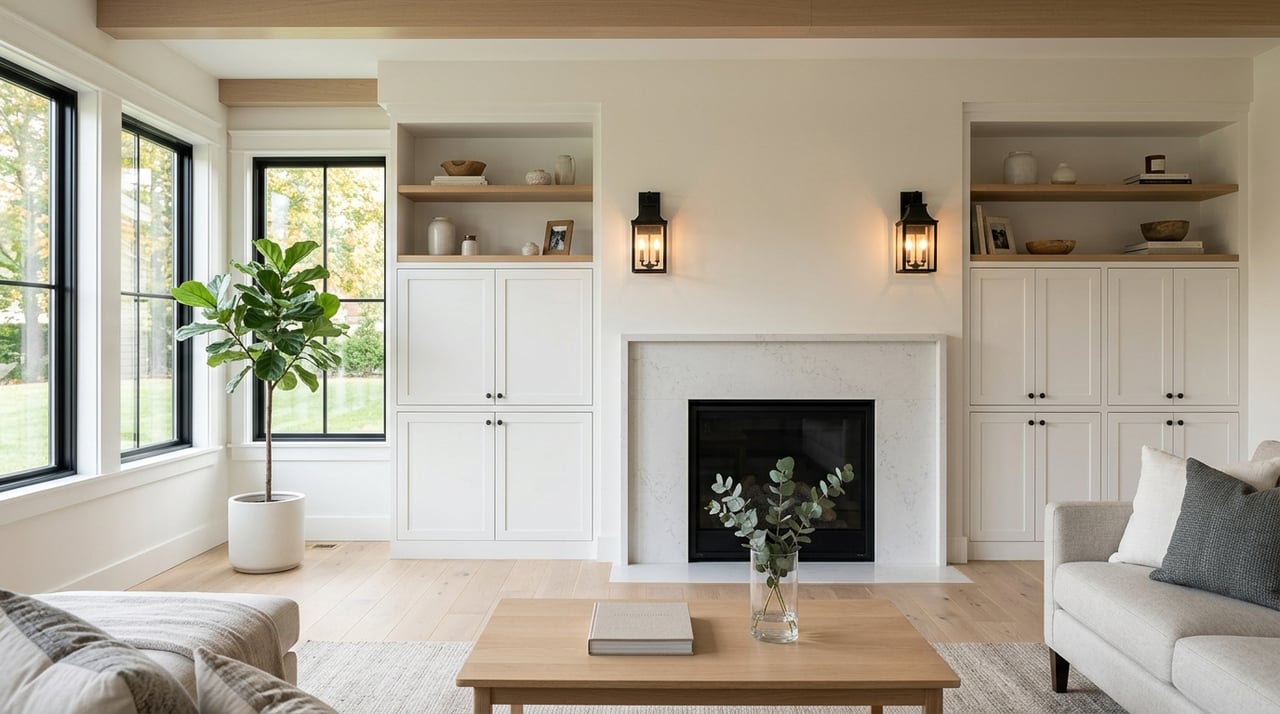
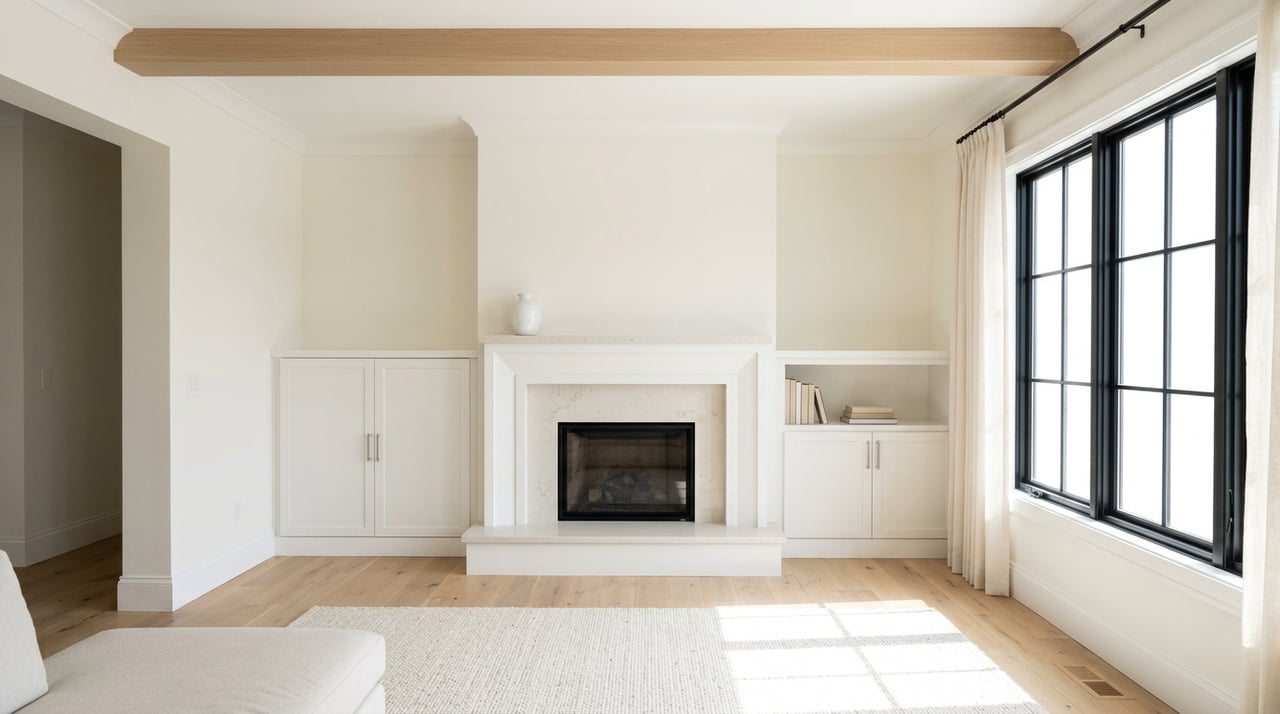
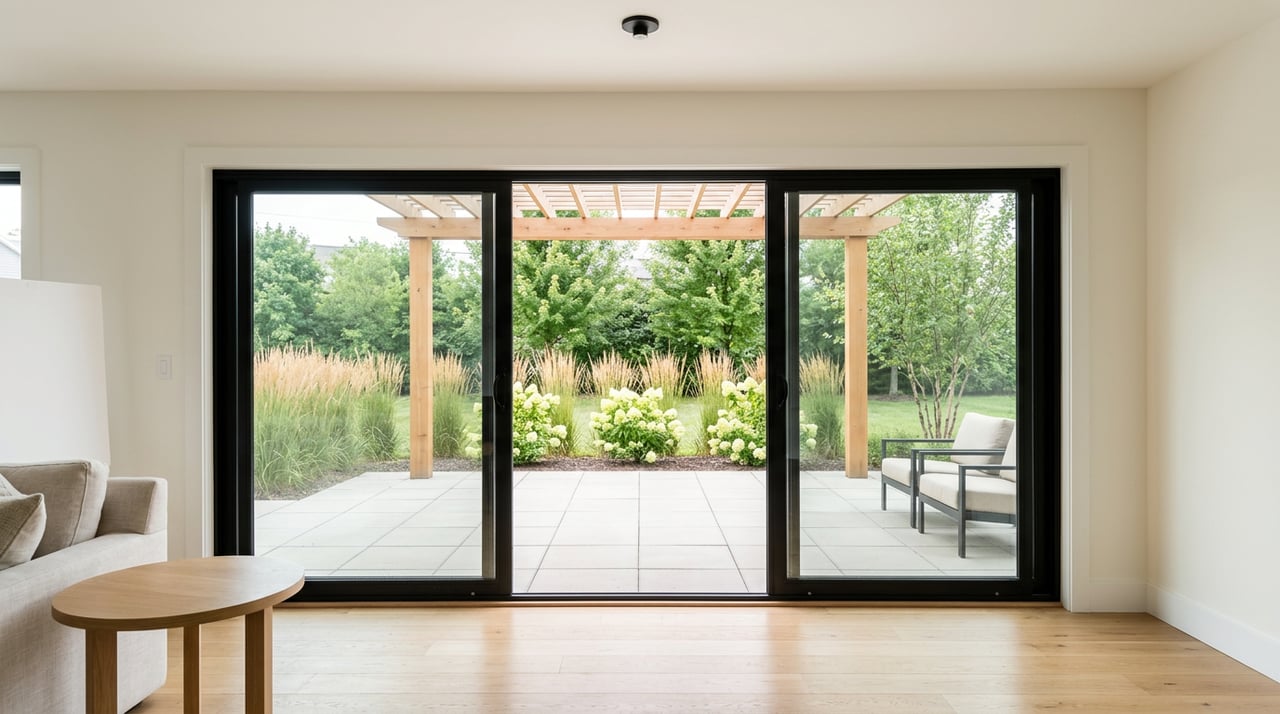
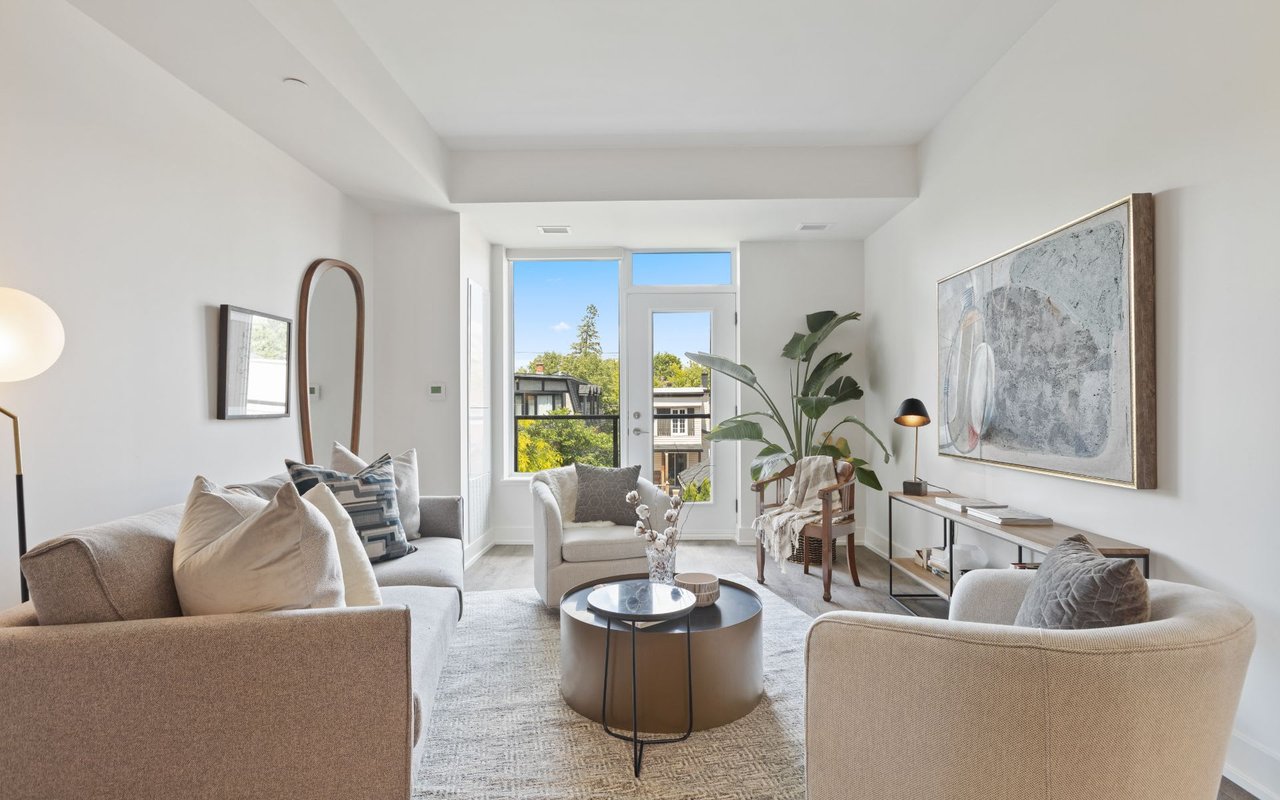
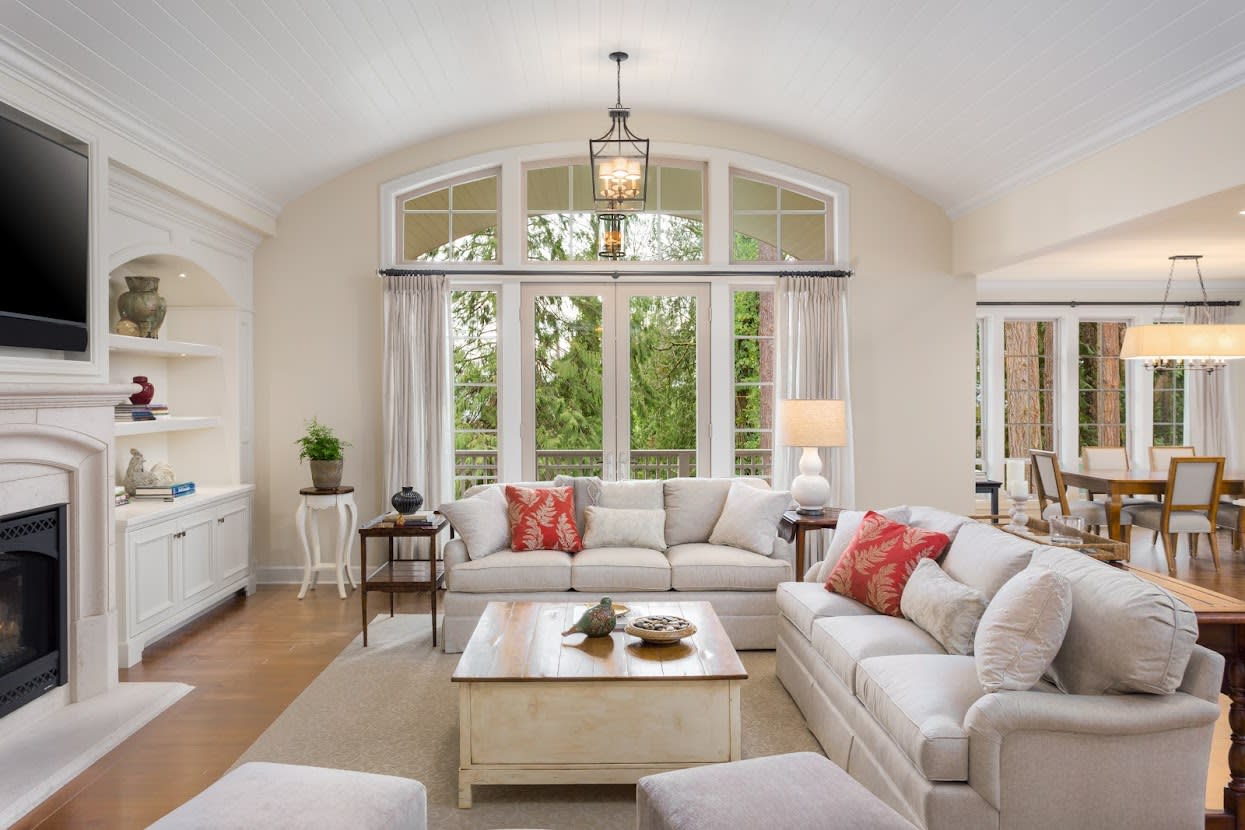
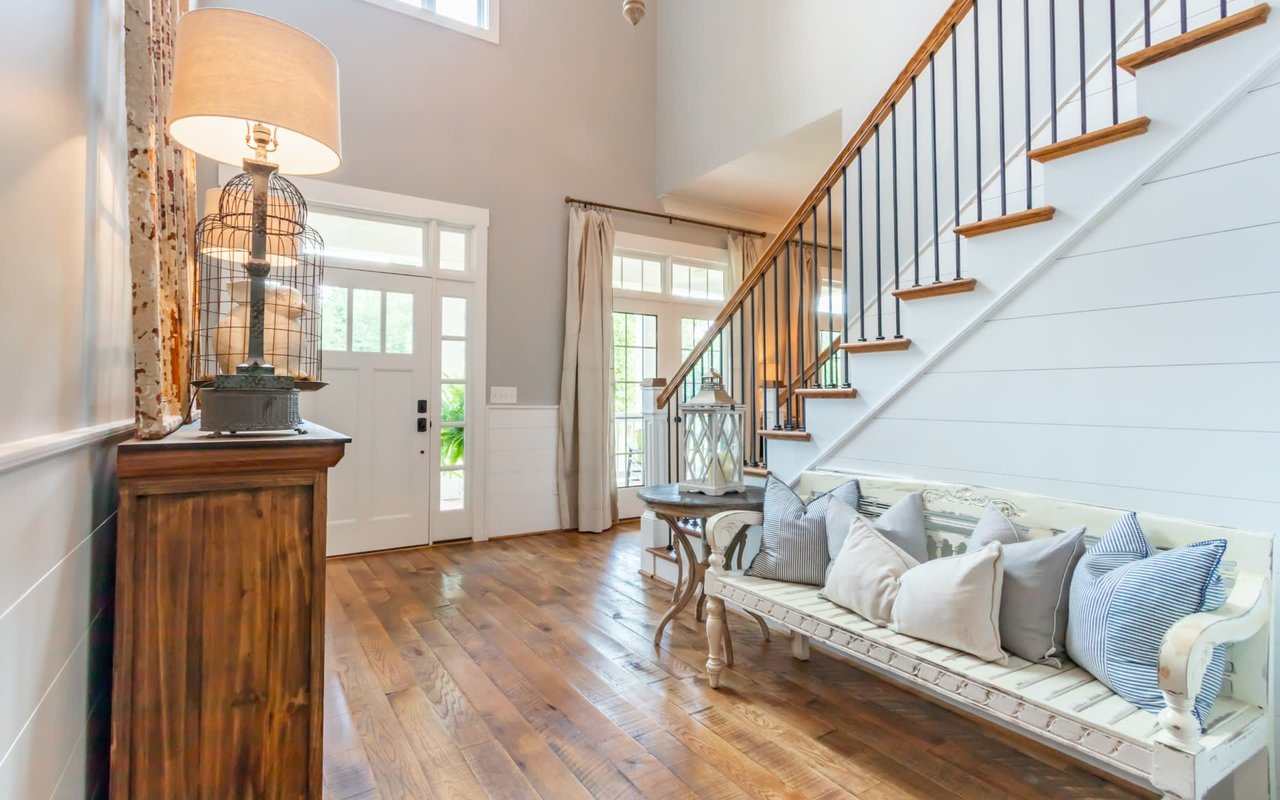
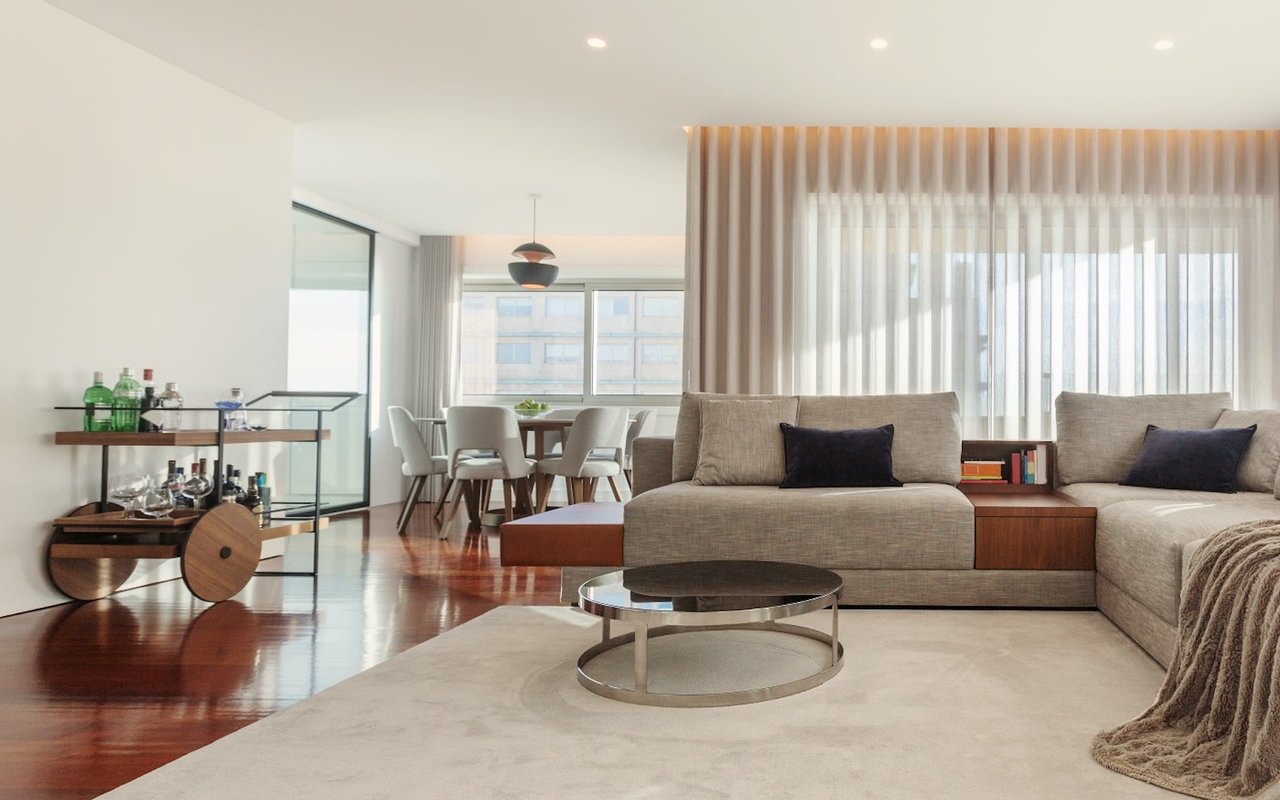
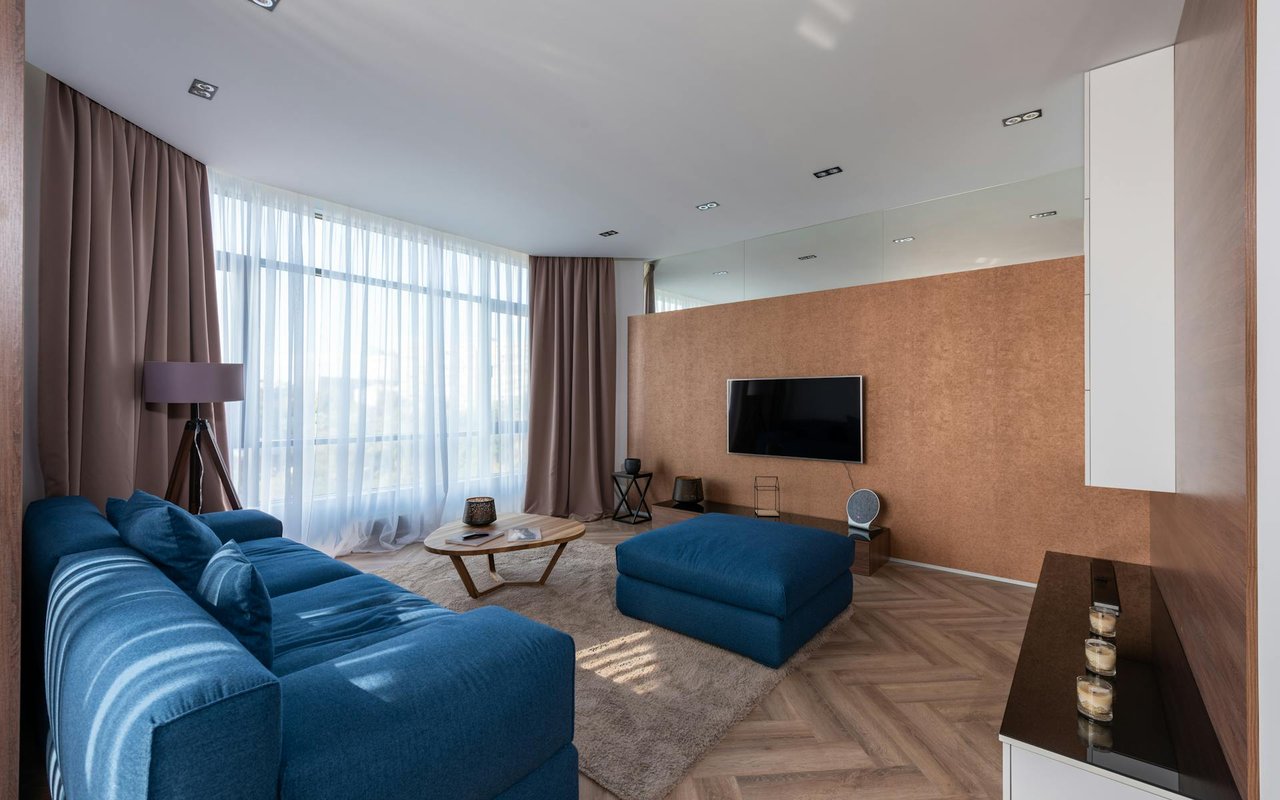
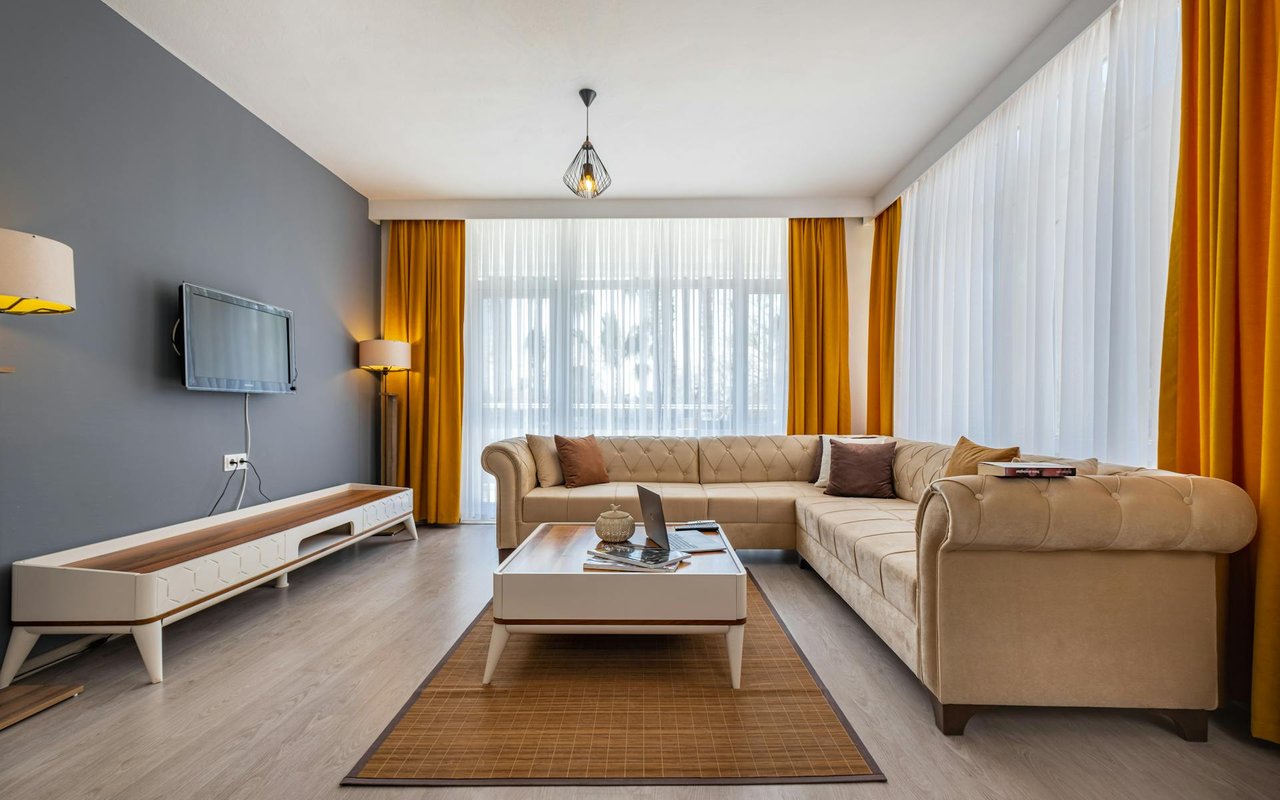
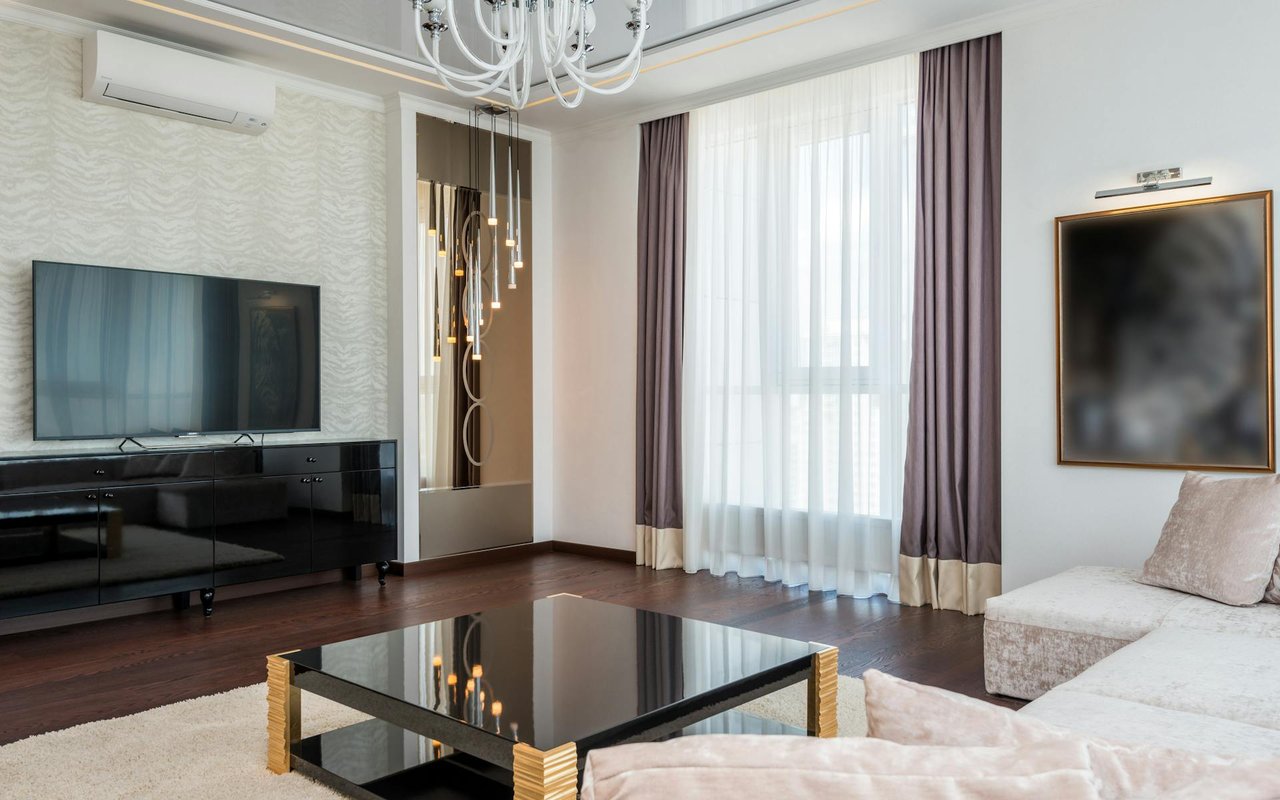
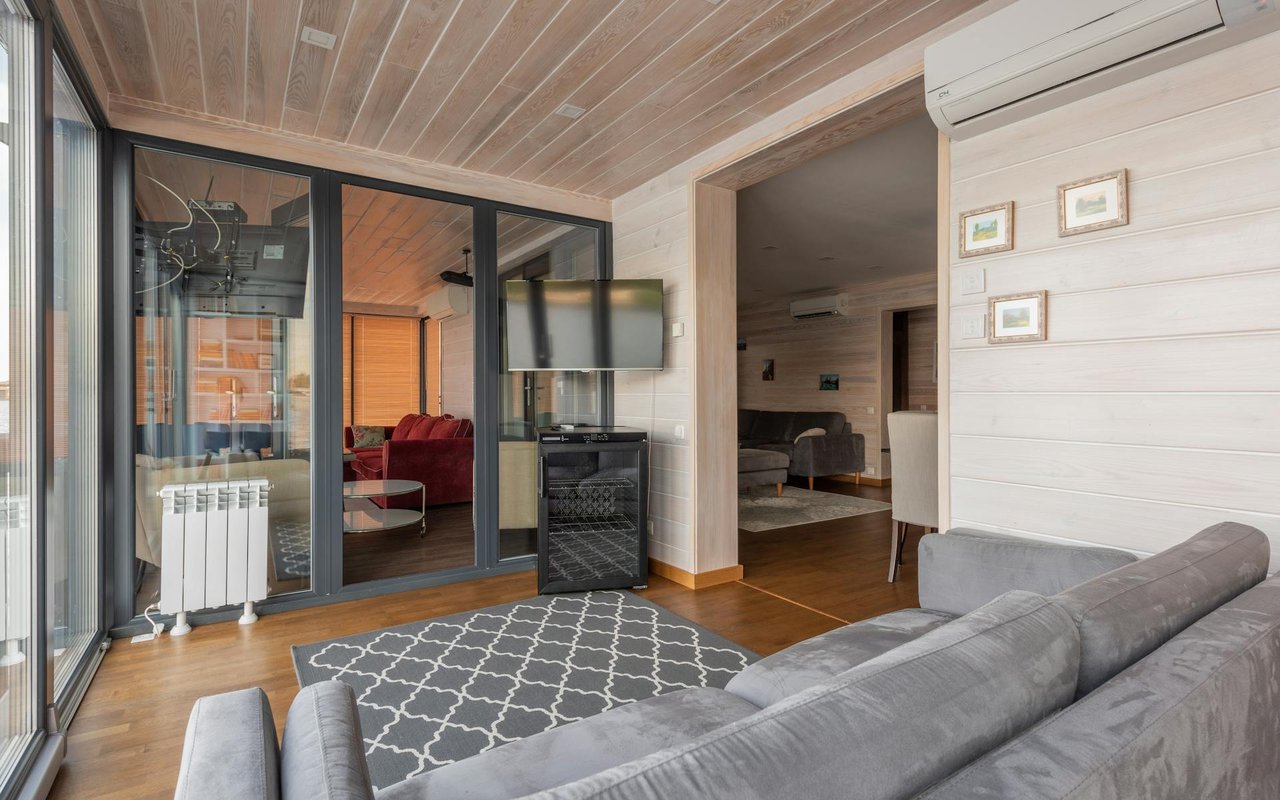
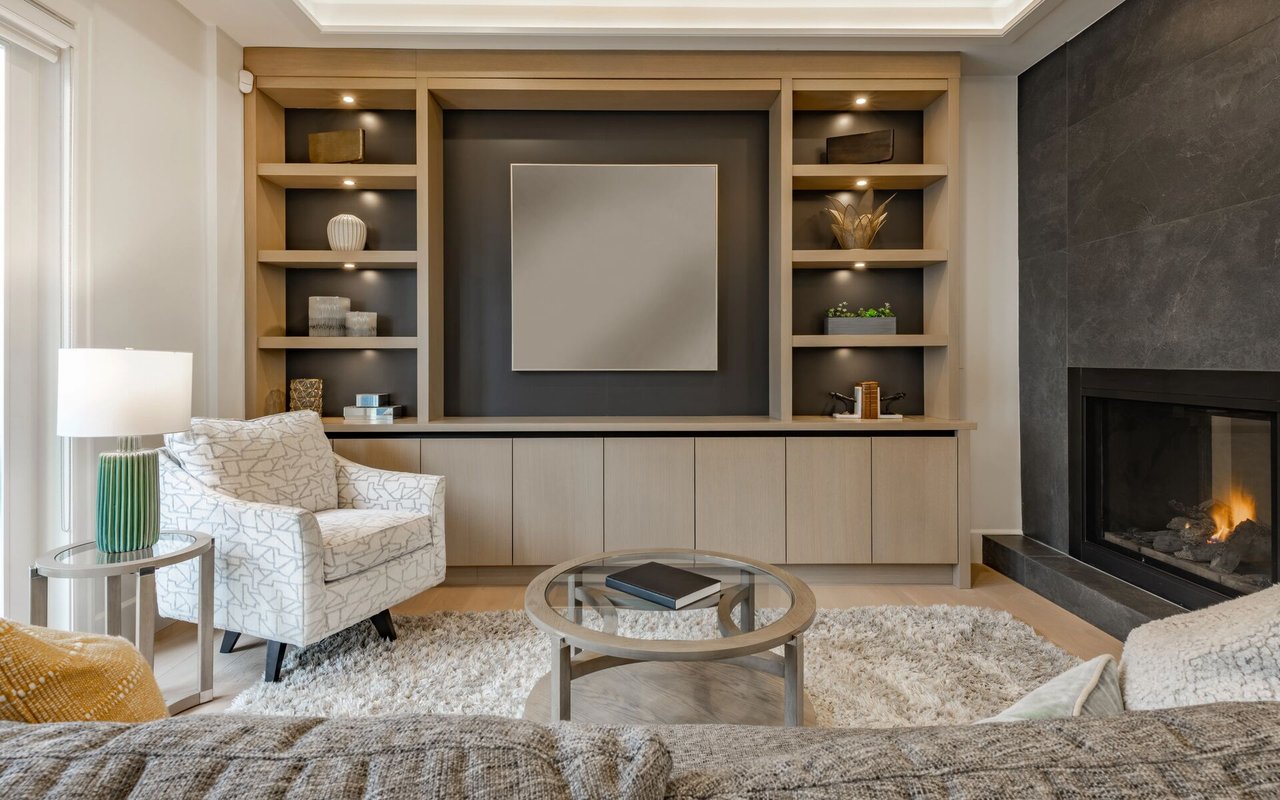
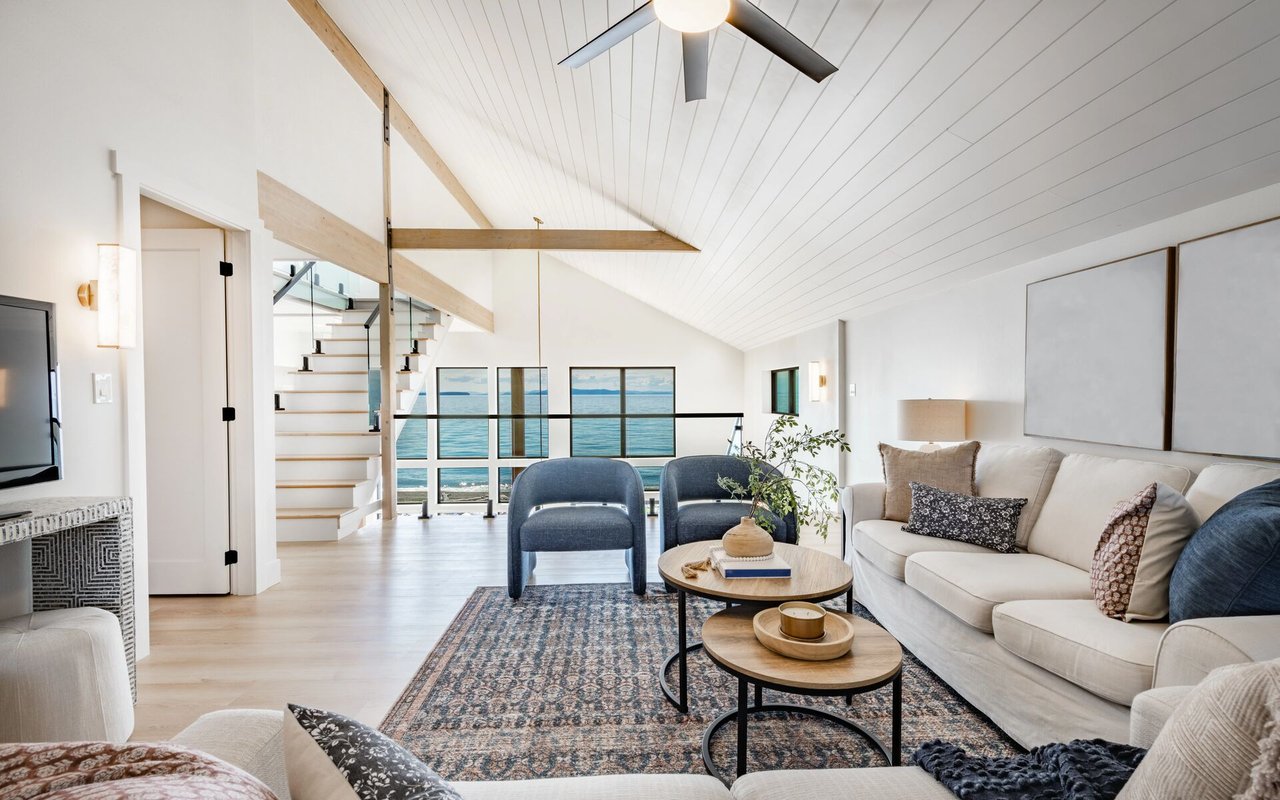
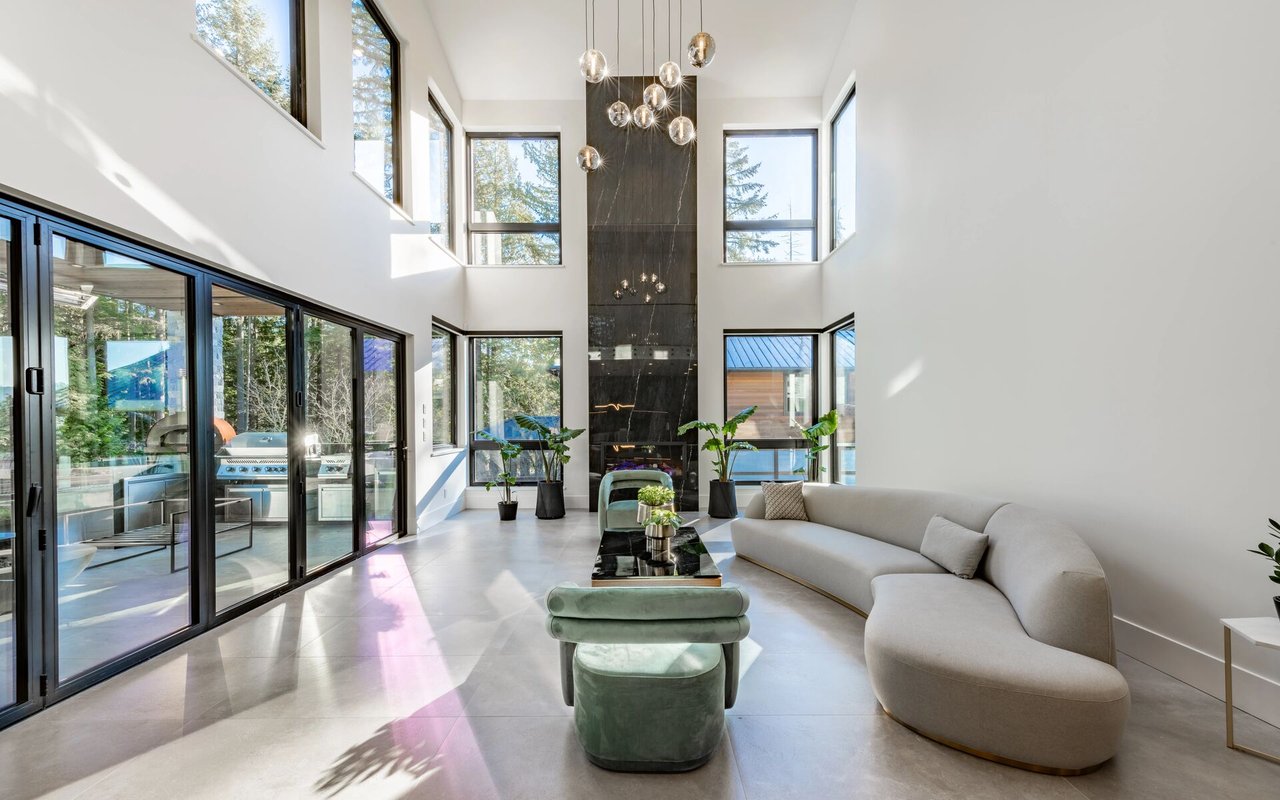
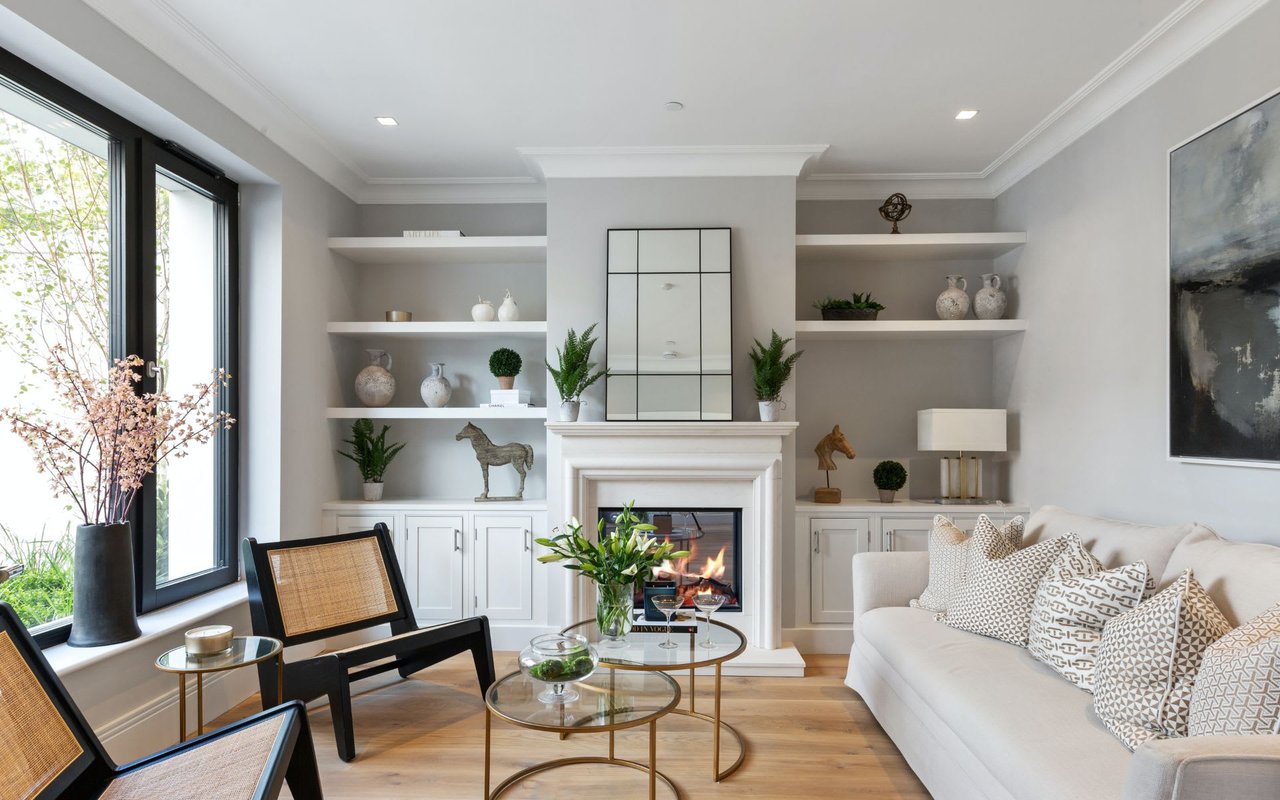
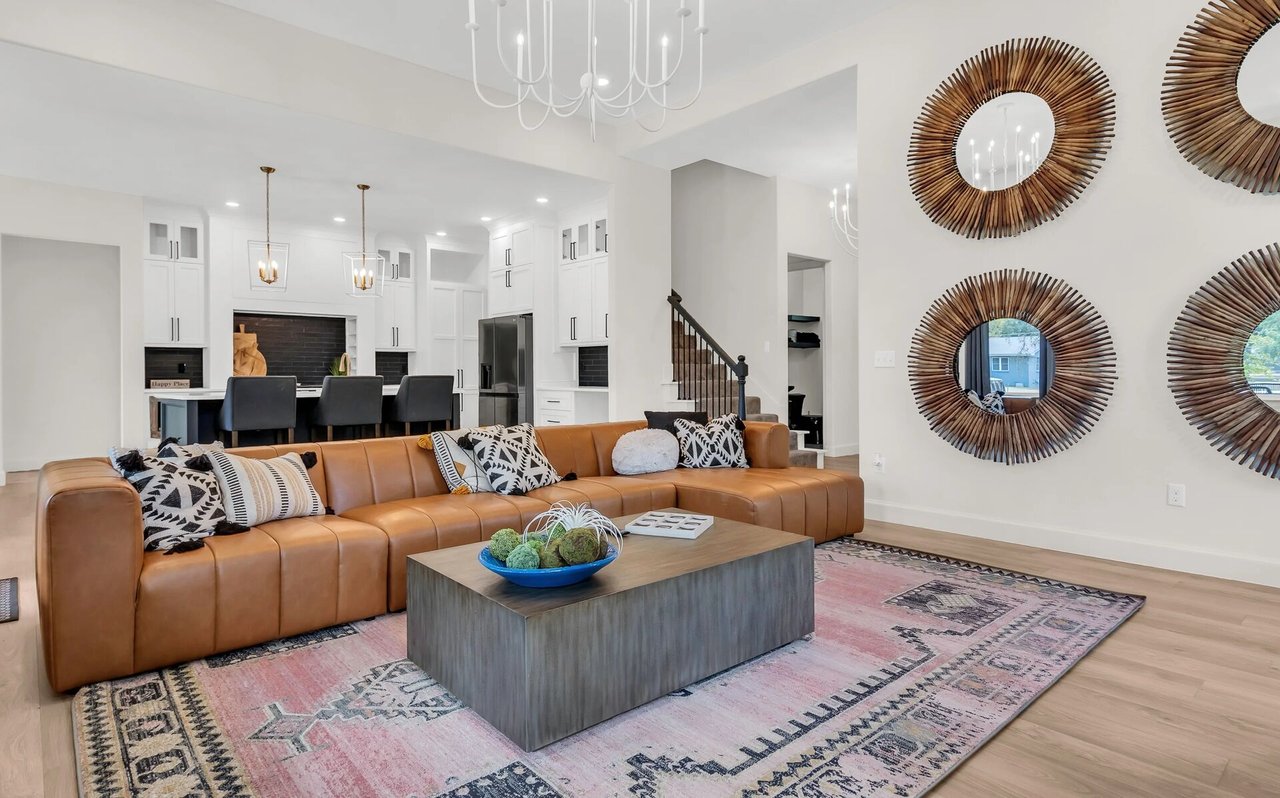
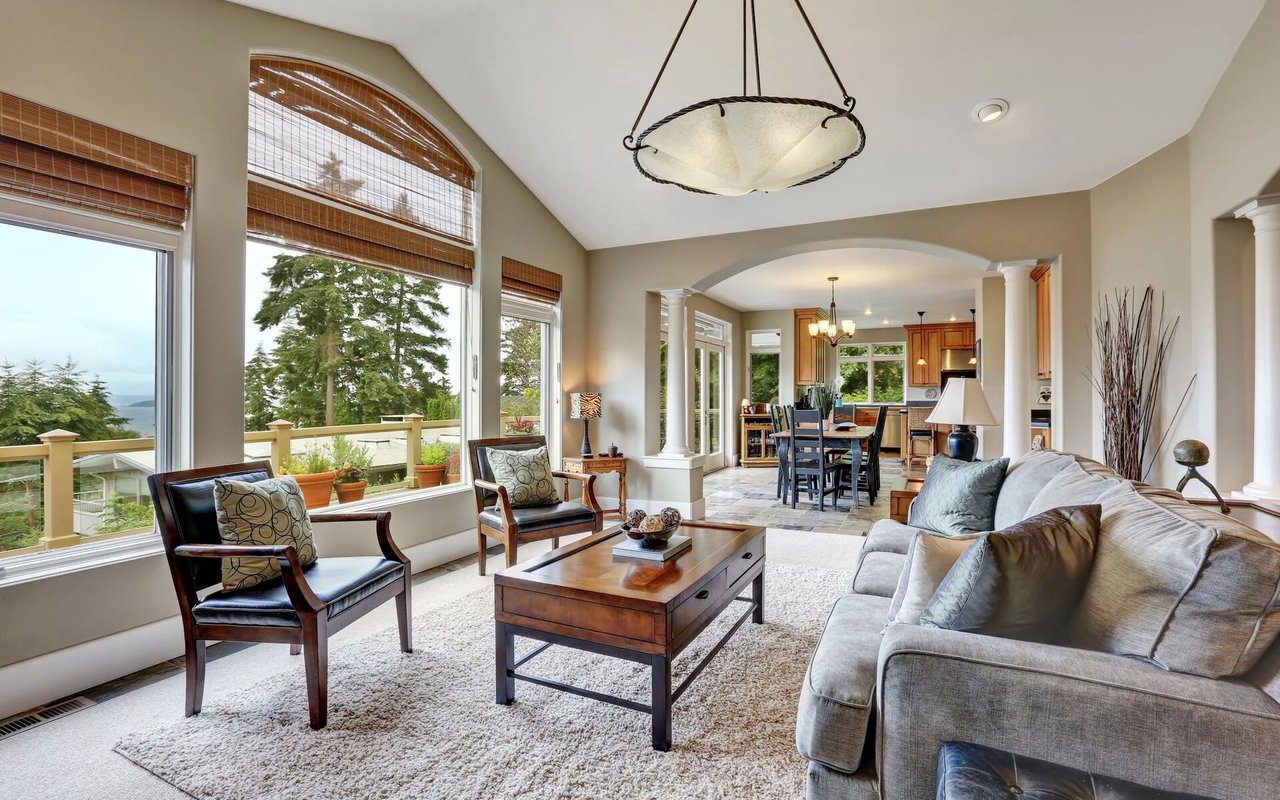
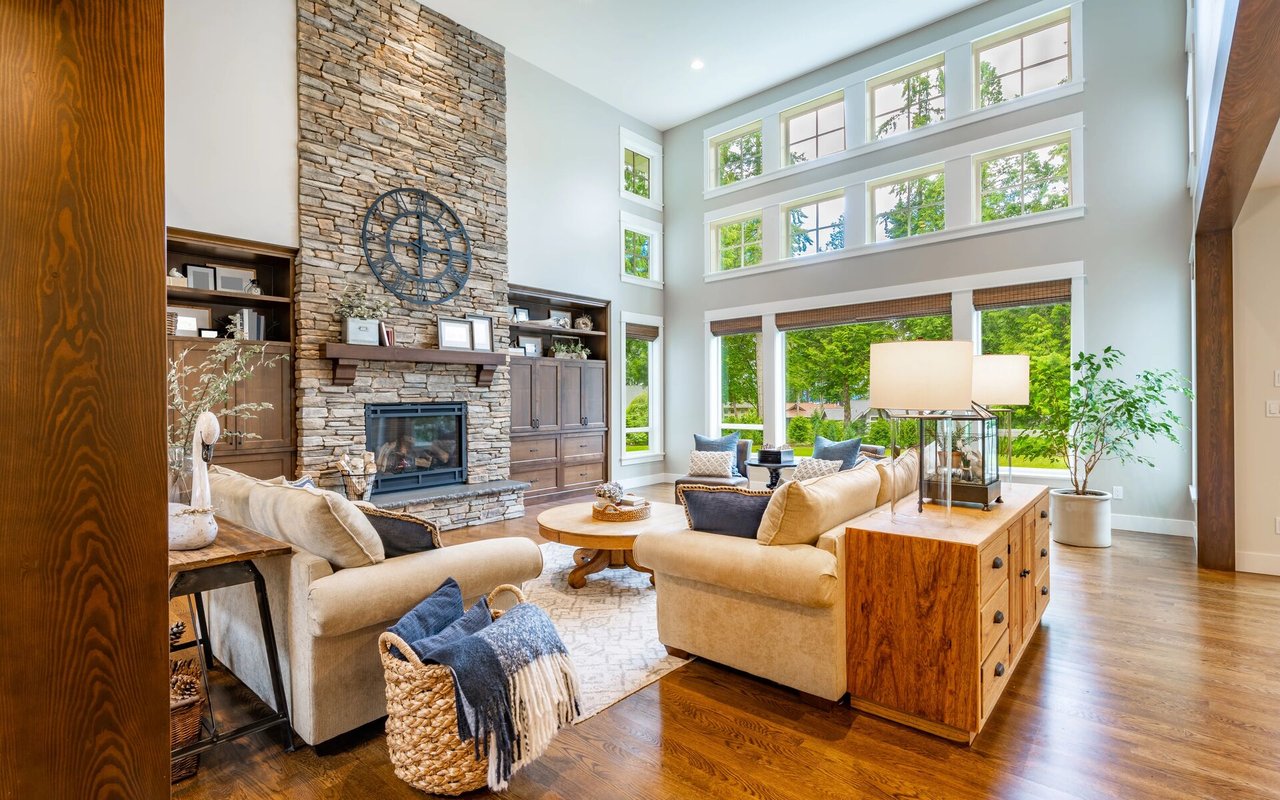
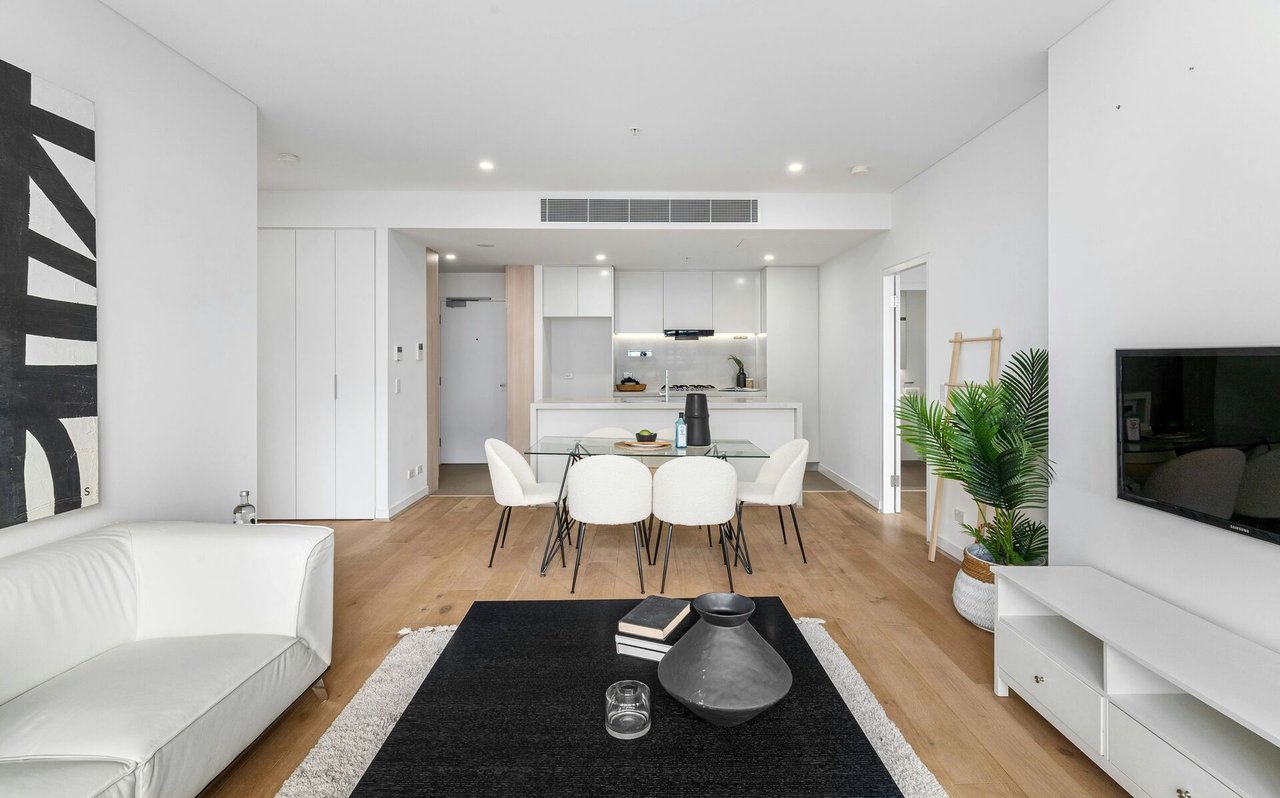
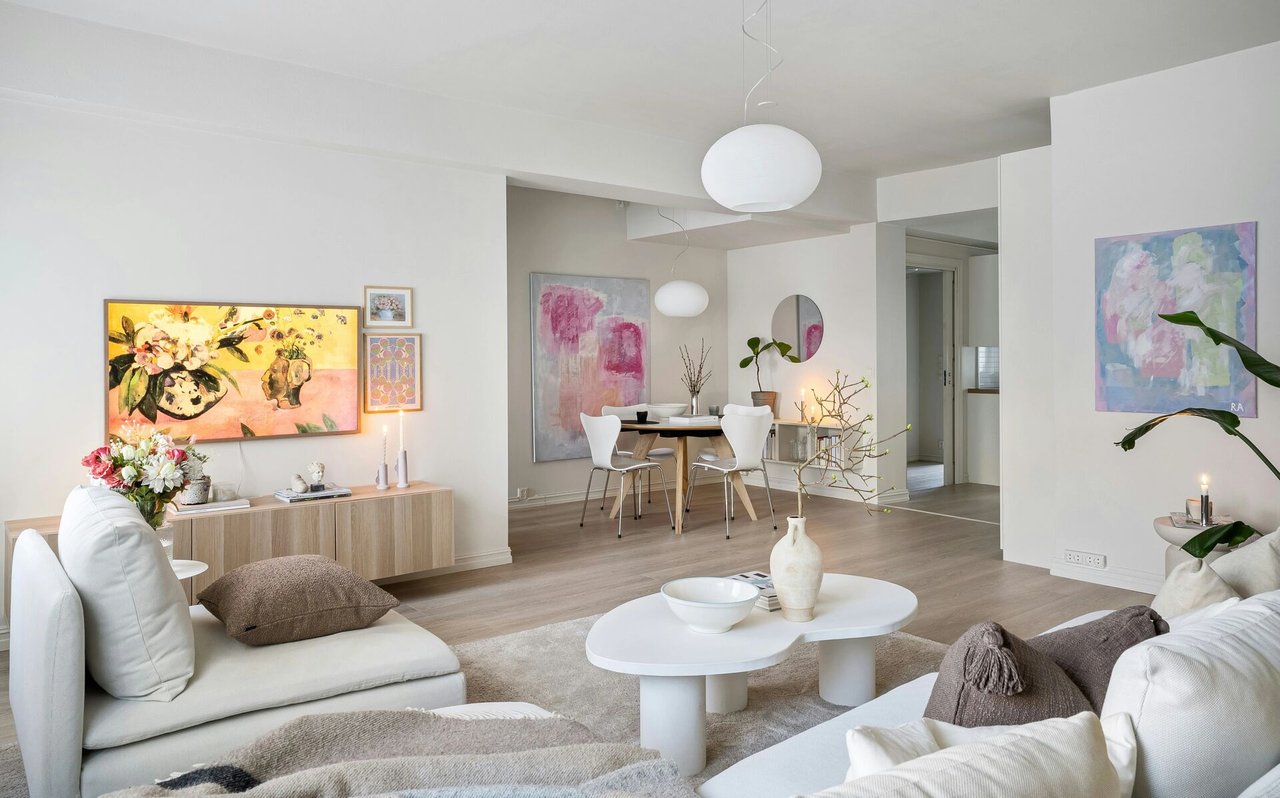
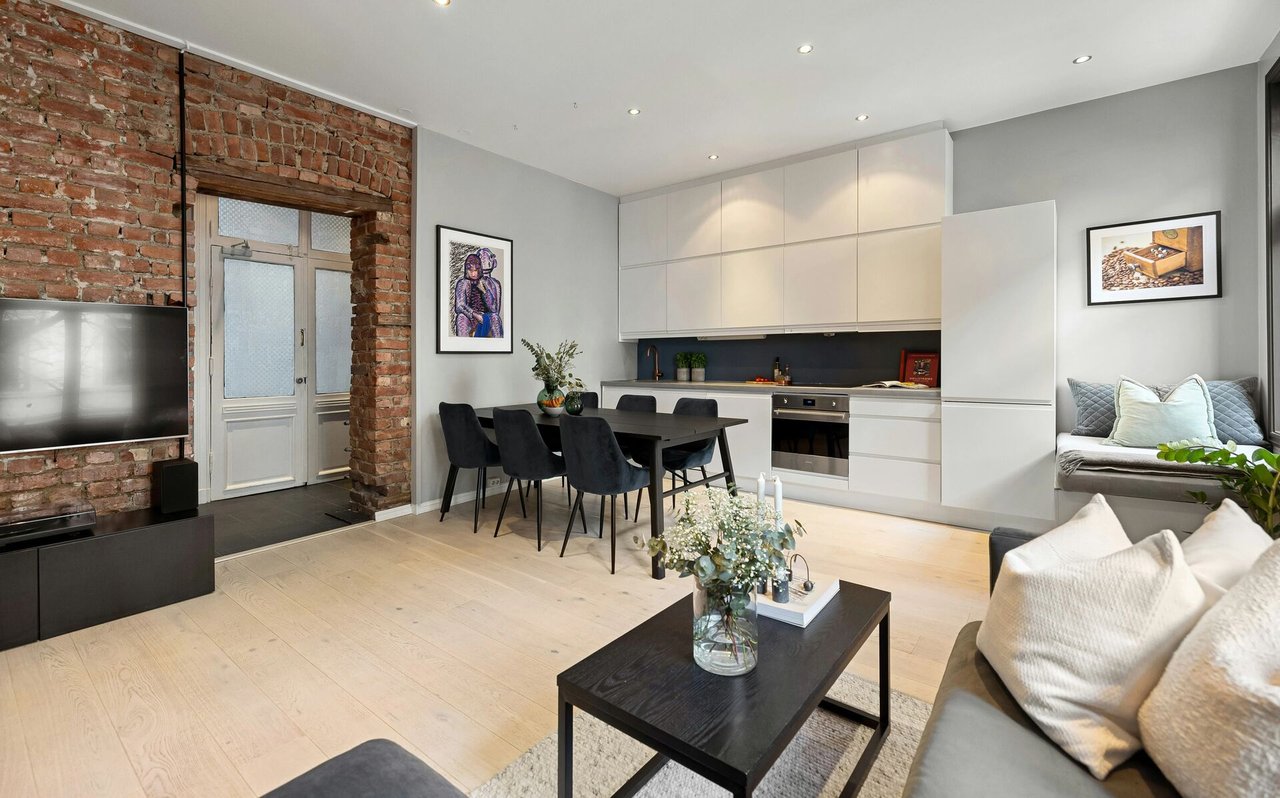
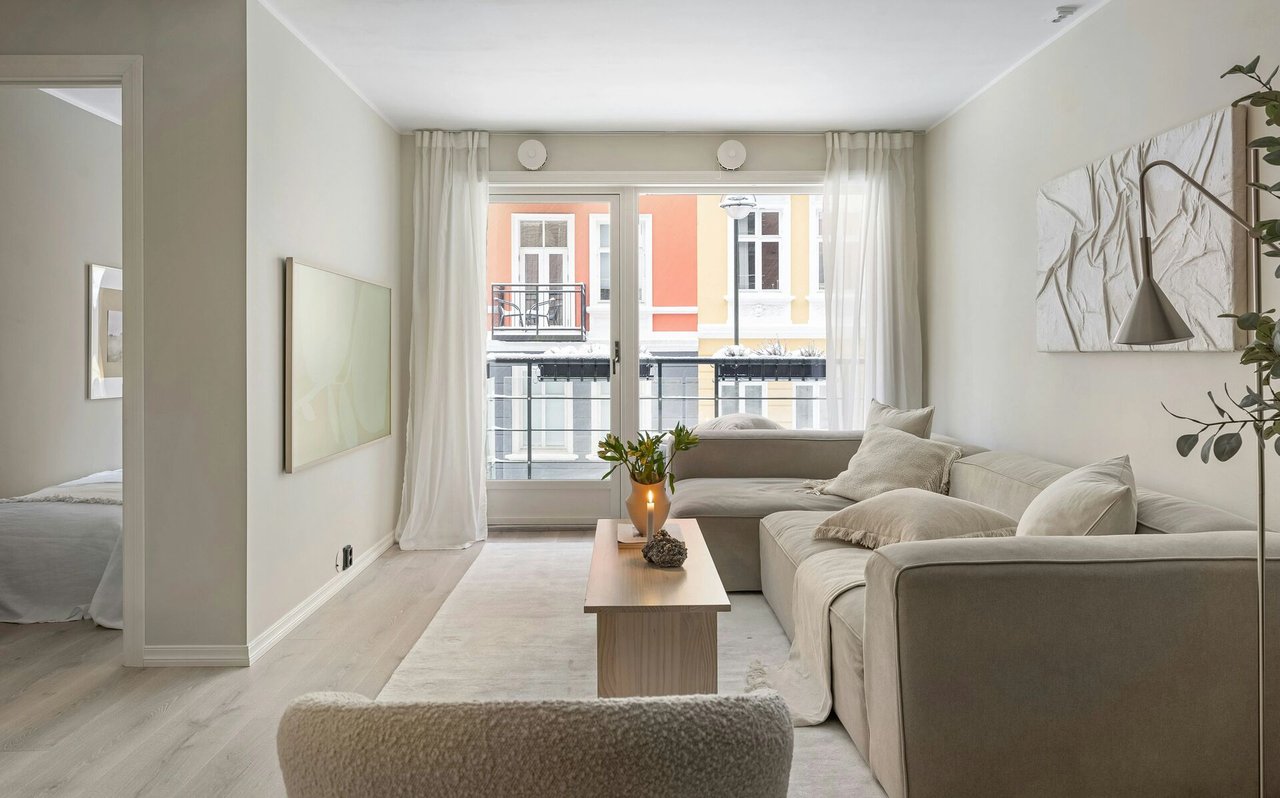
The living room often carries the emotional weight of the listing. It is where buyers look for comfort, flow, natural light, and everyday livability. Keep furniture balanced, remove extra pieces, and create clear walking paths.
Primary bedroom
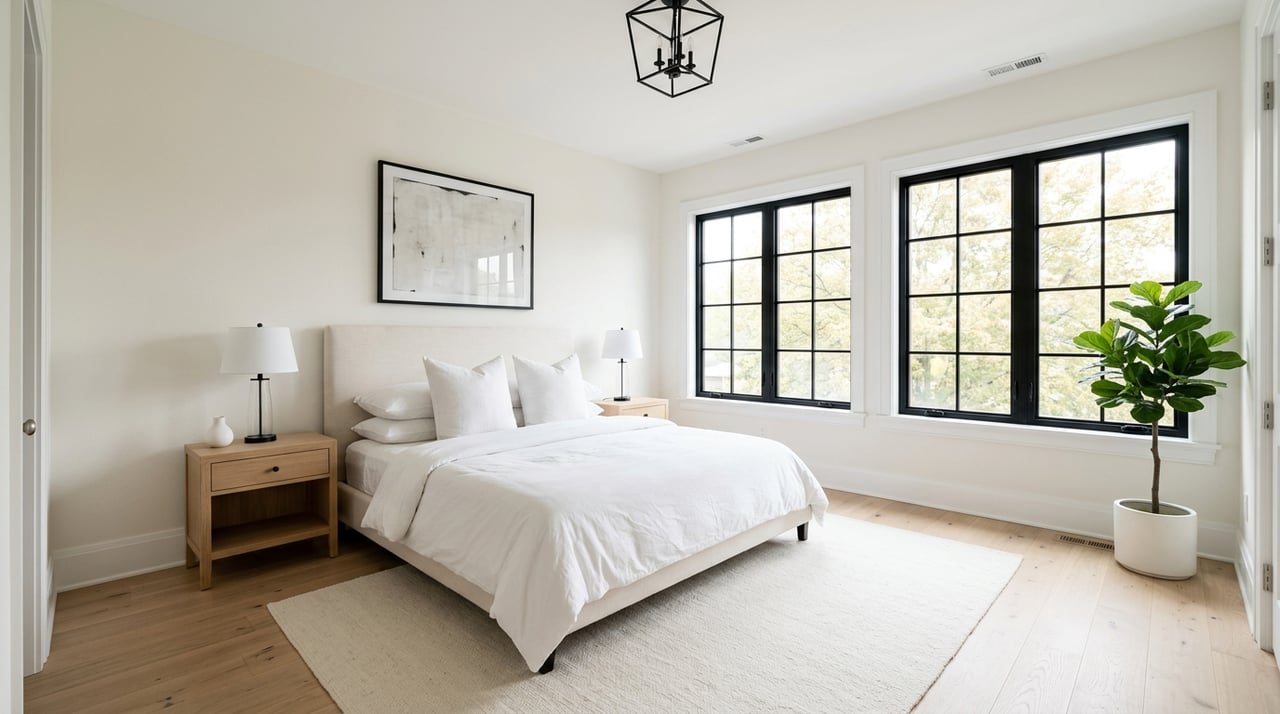
Buyers want this room to feel restful and spacious. Simplify bedding, reduce furniture if the room feels tight, and clear dresser tops and bedside tables. Soft, neutral styling usually reads best in listing photos.
Kitchen and dining area
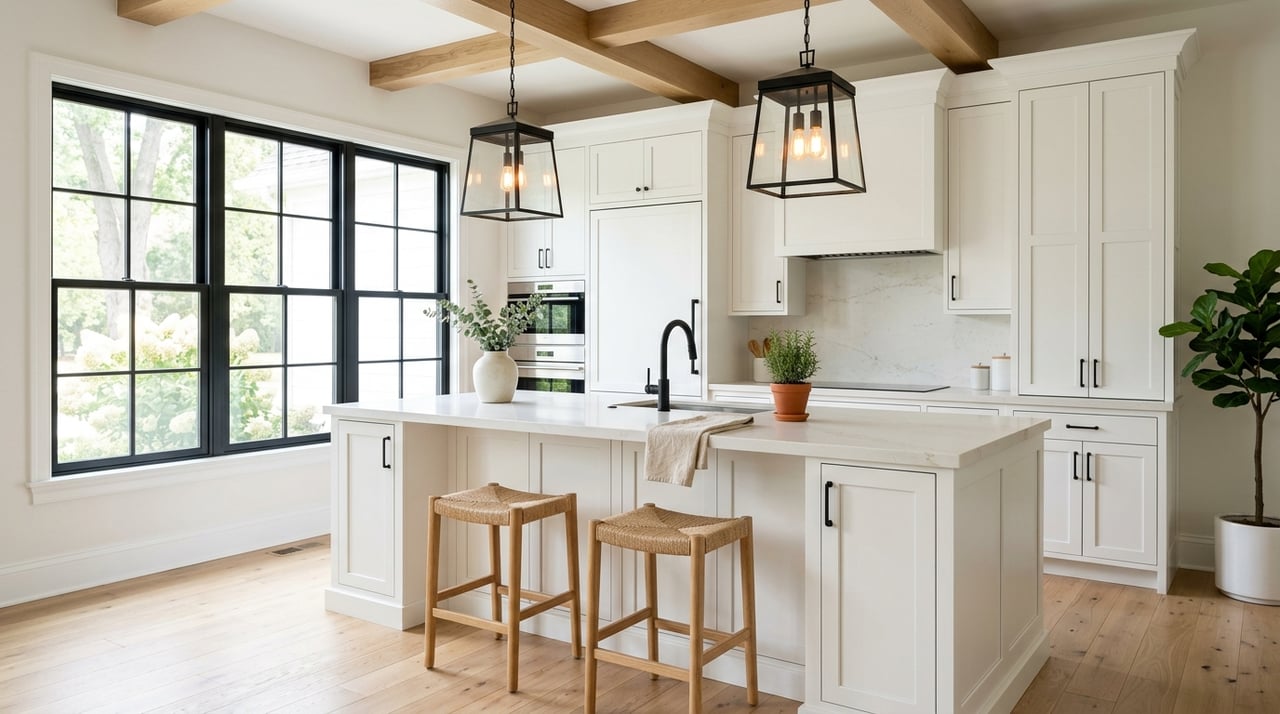
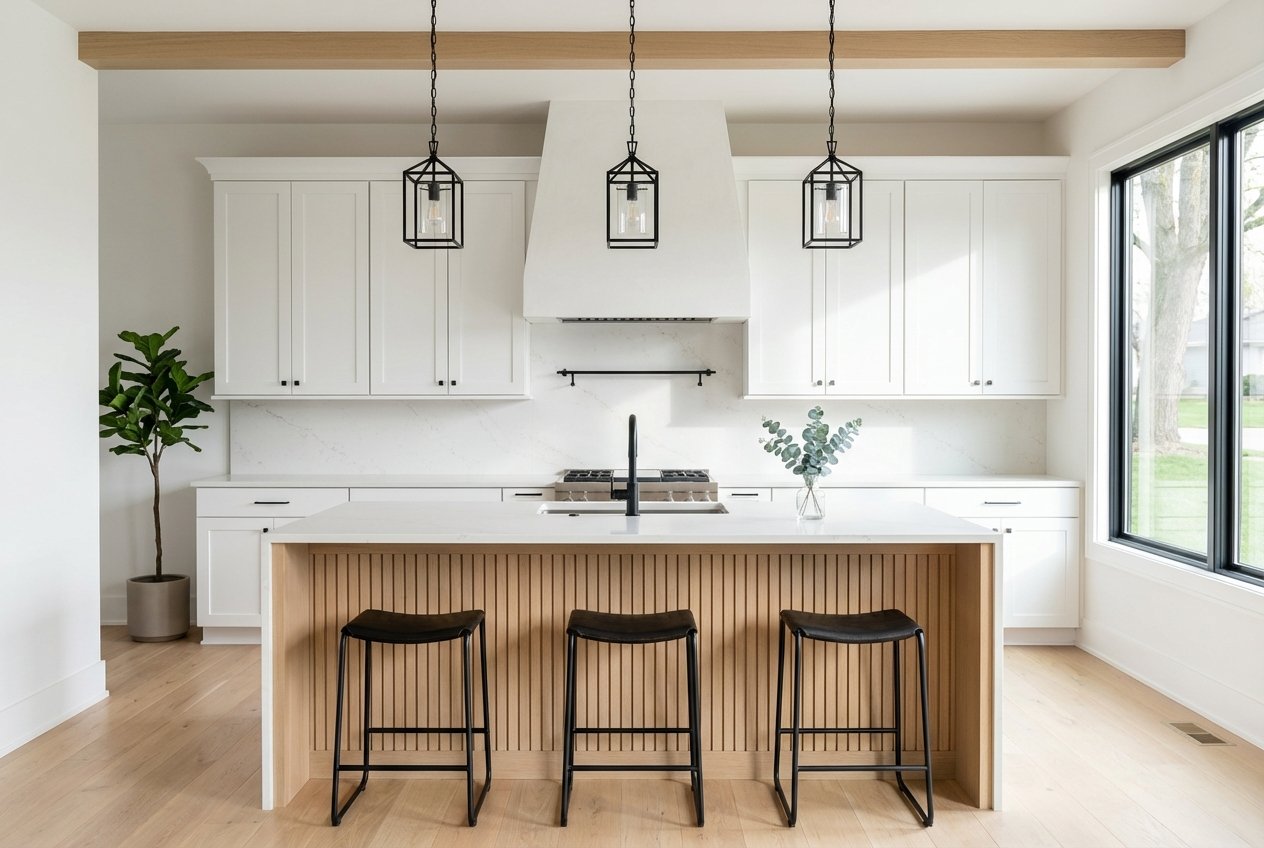
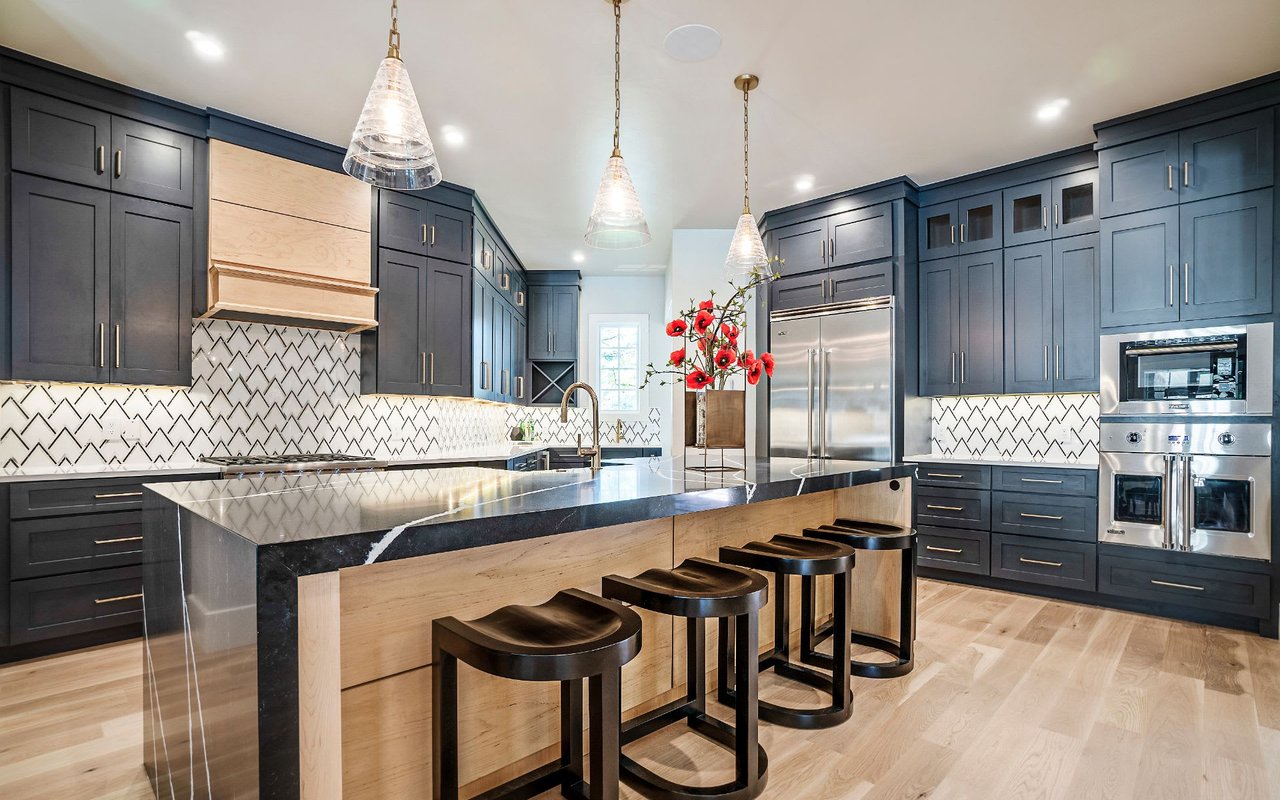
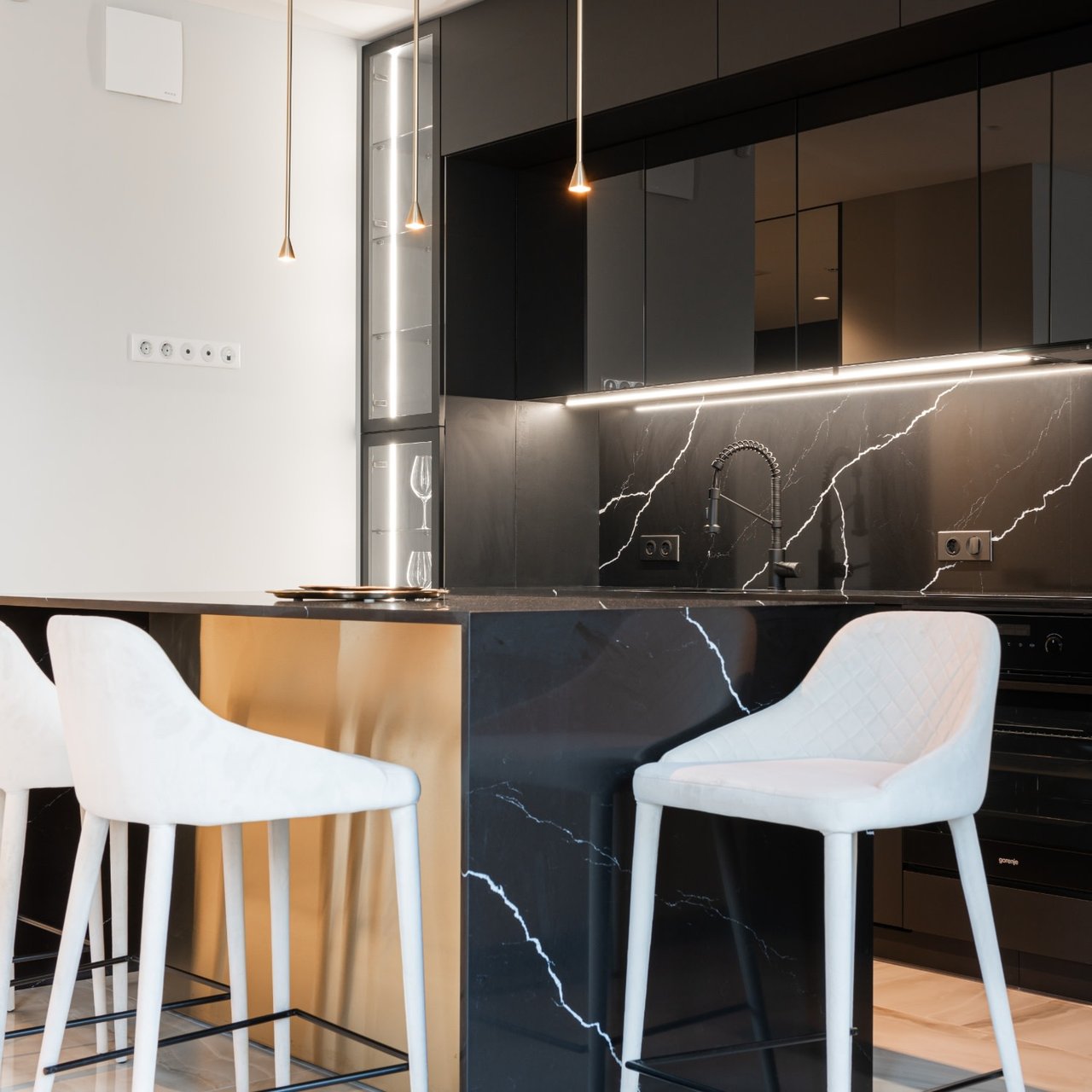
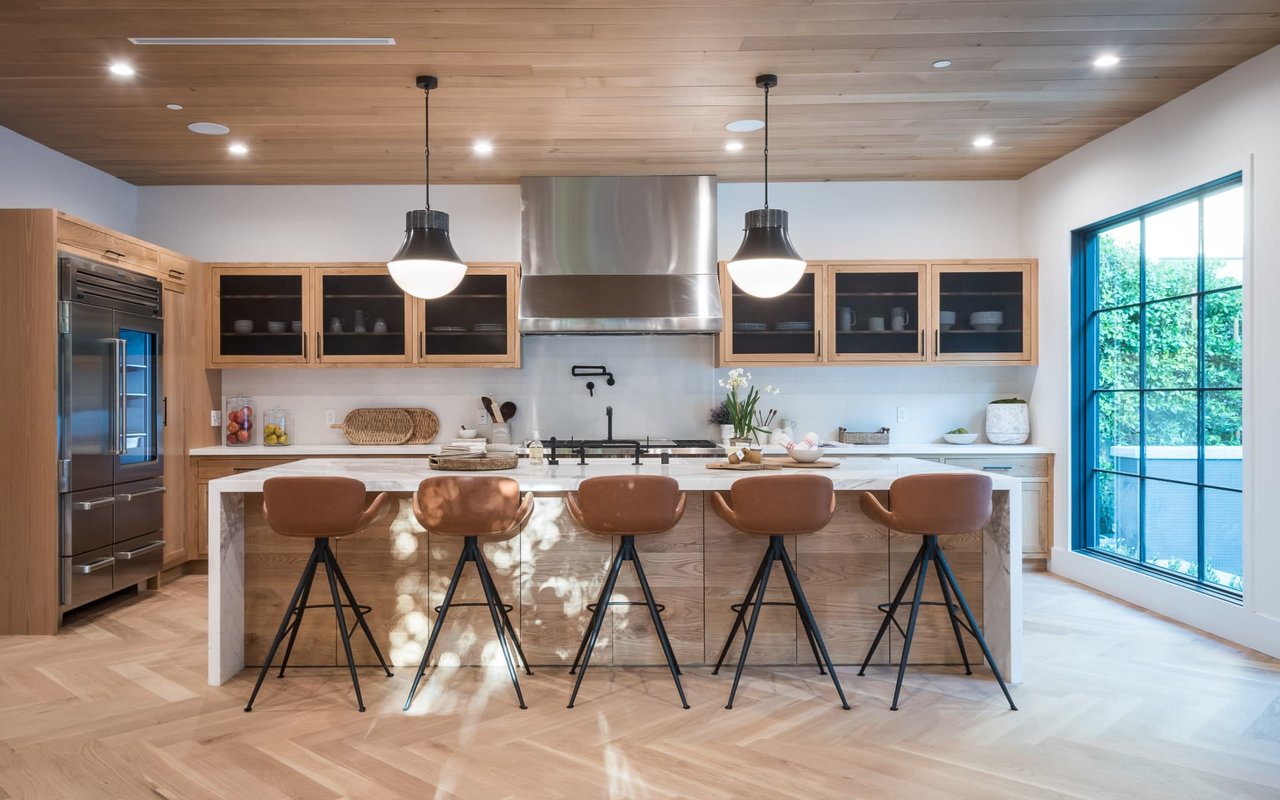
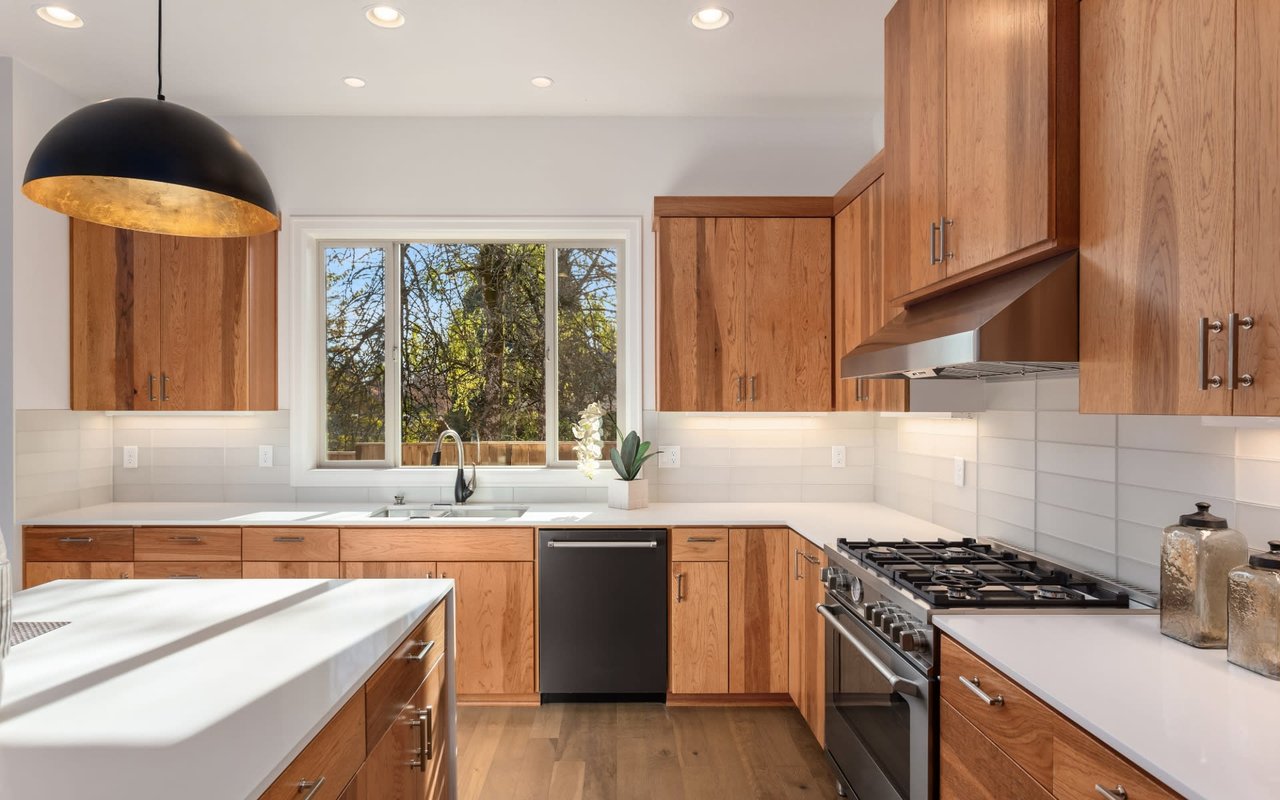
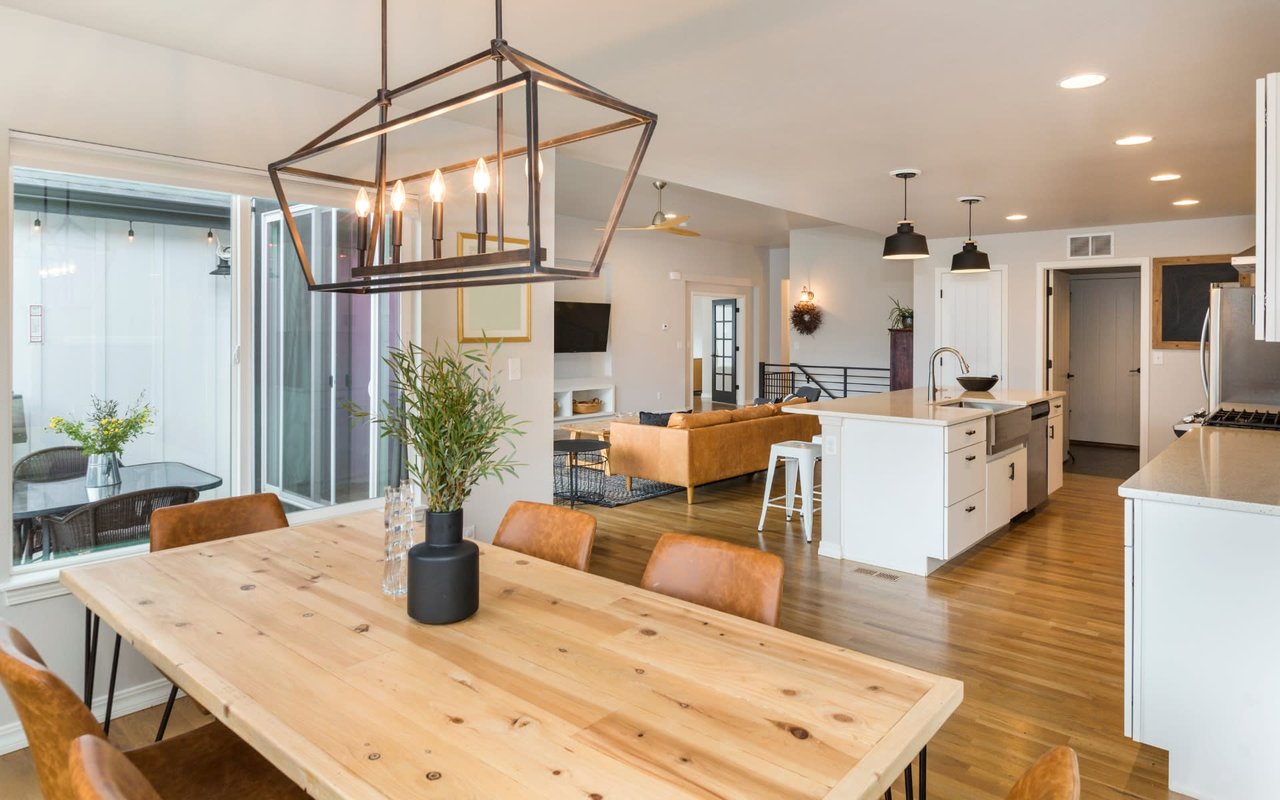
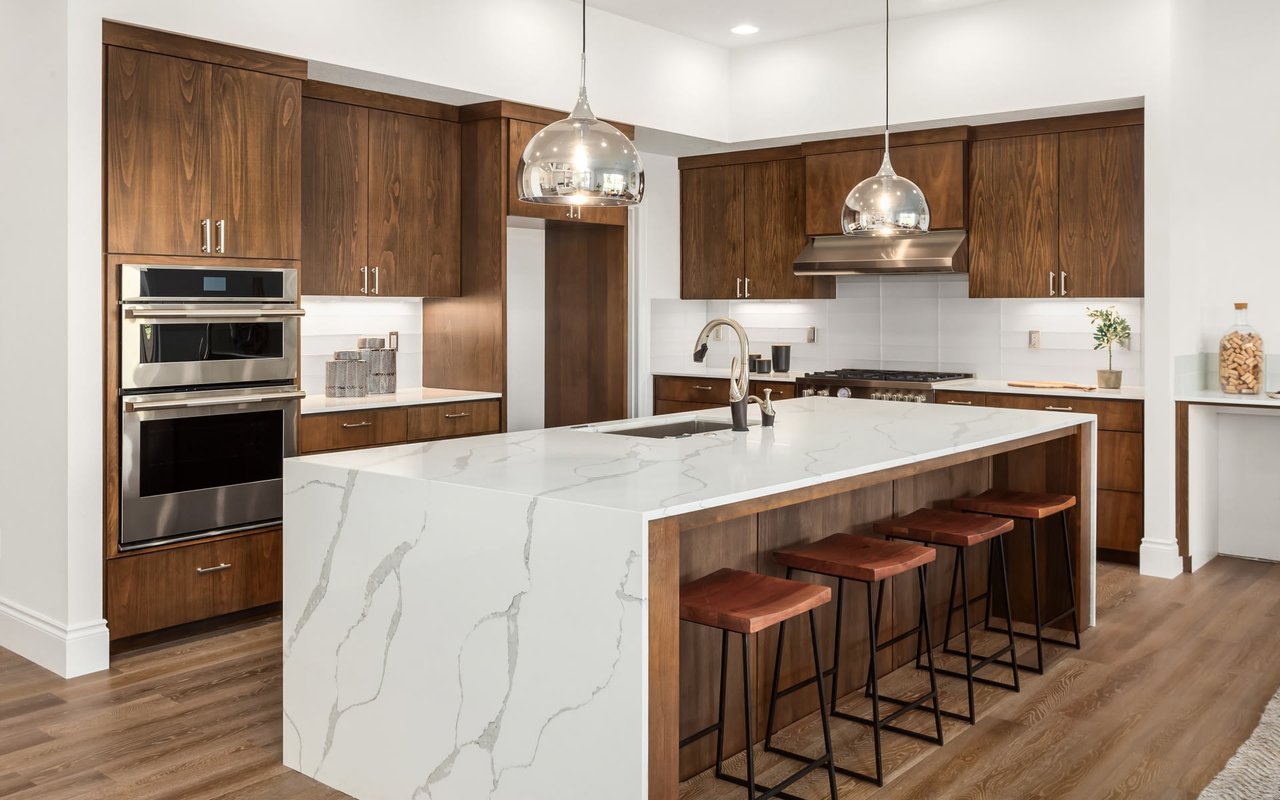
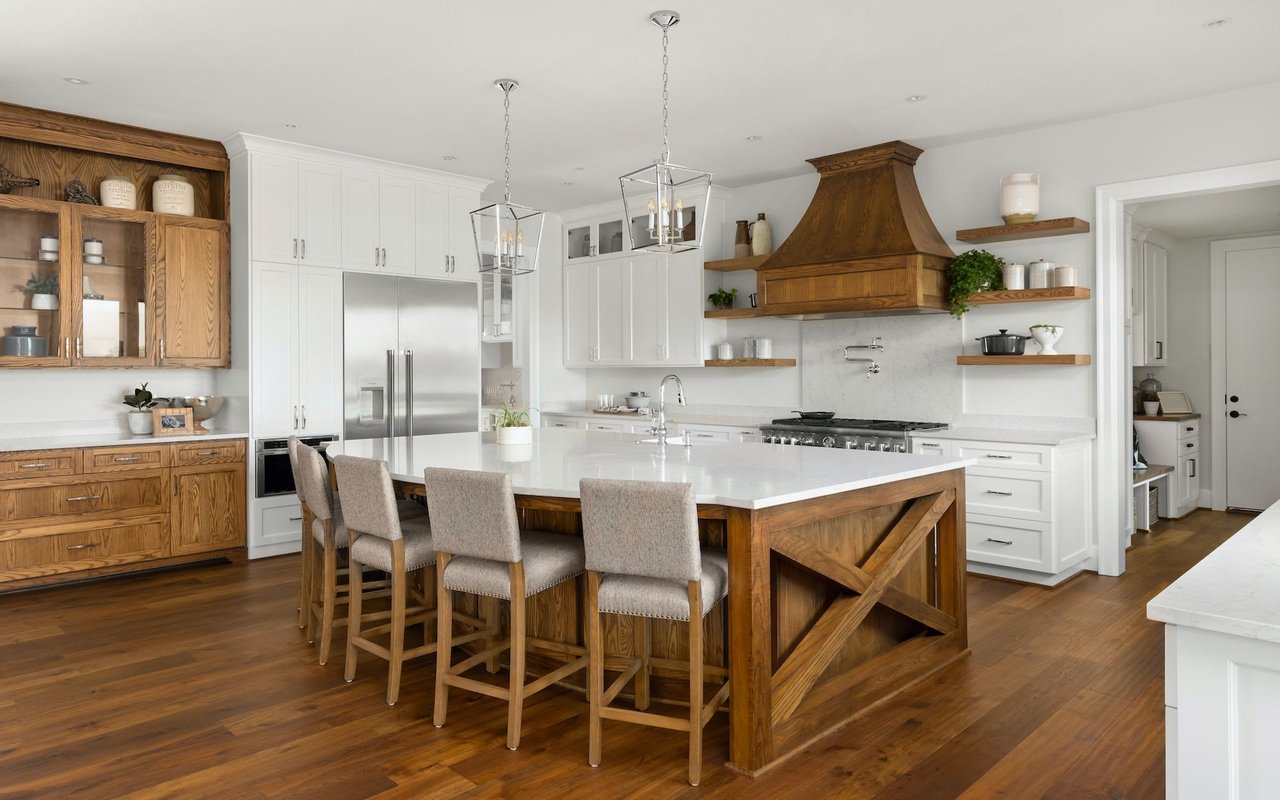
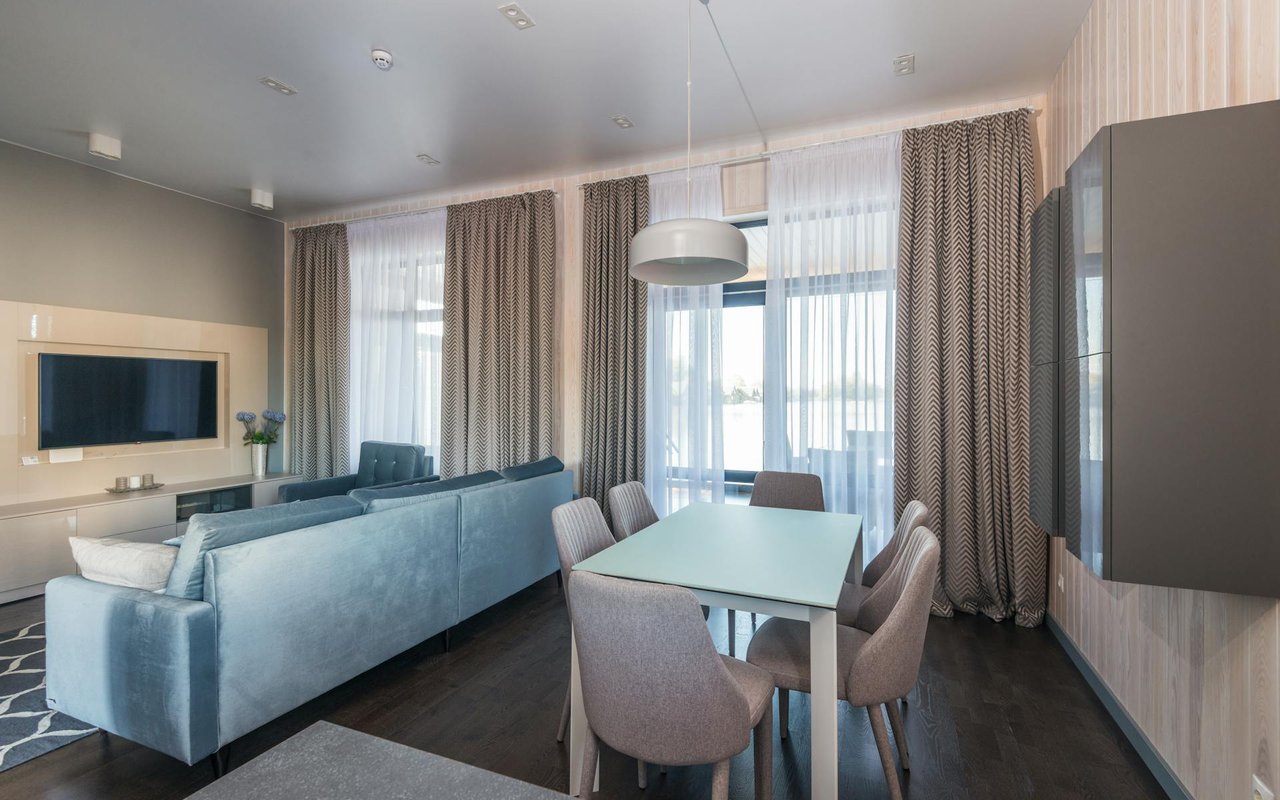
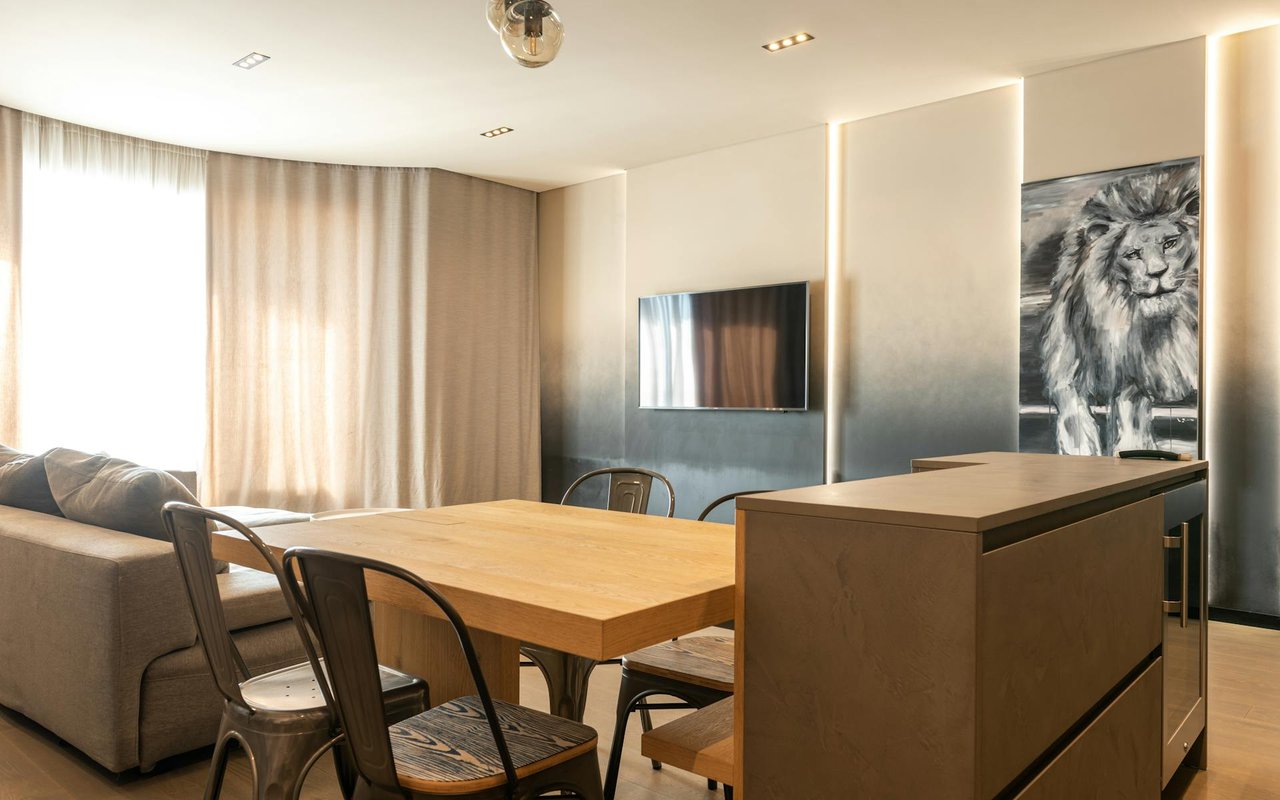
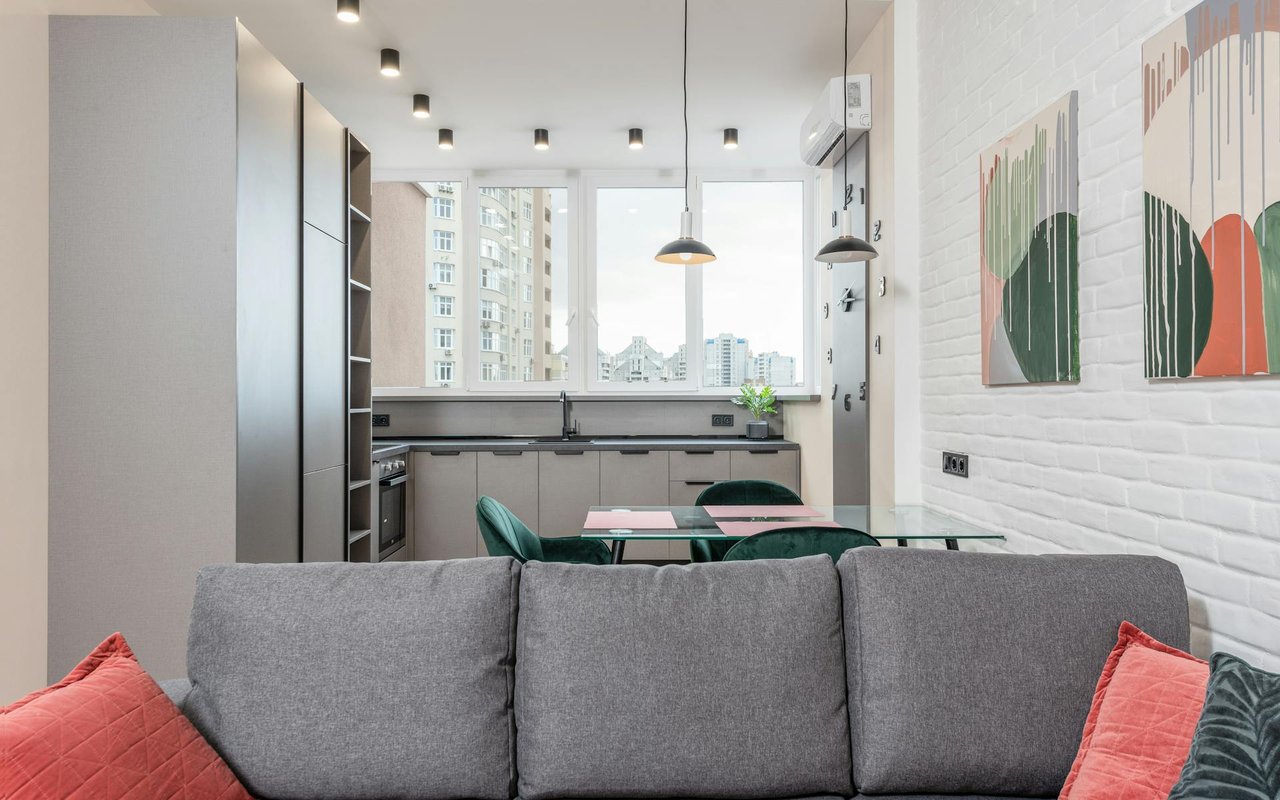
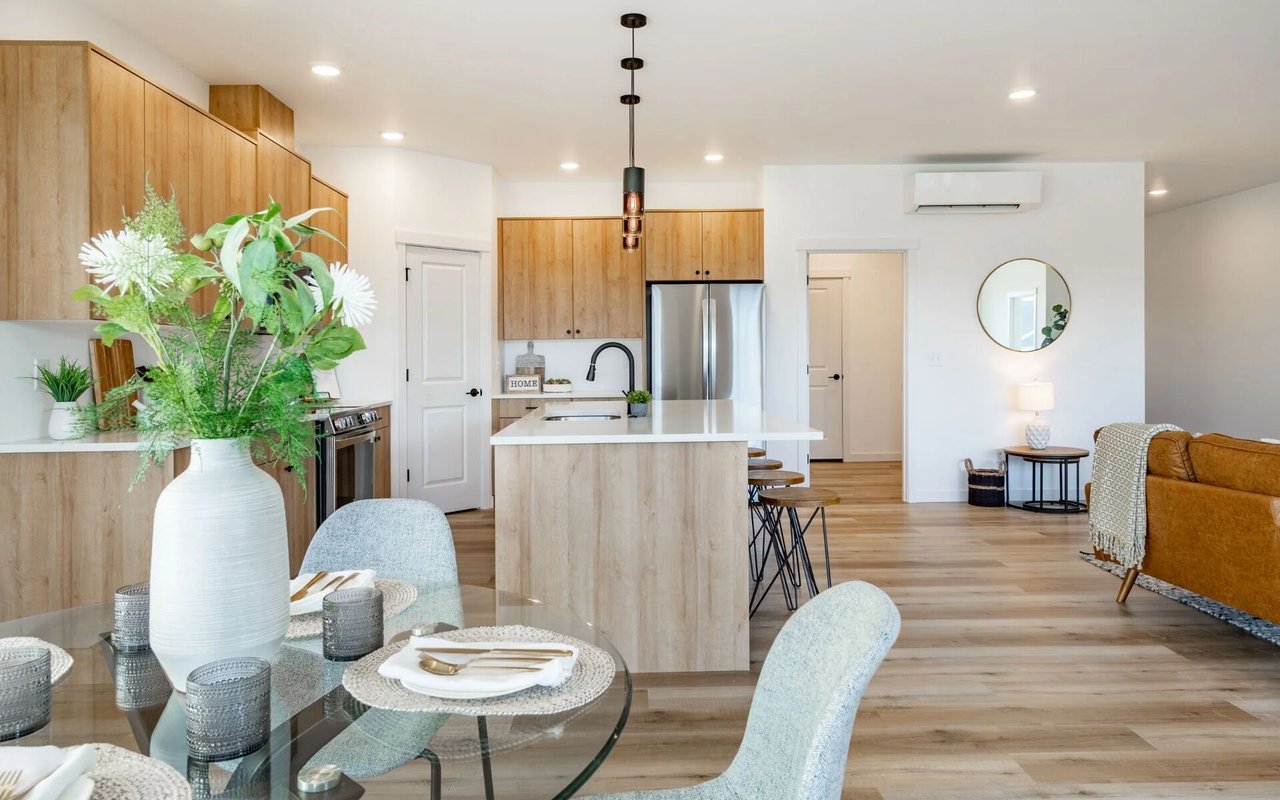
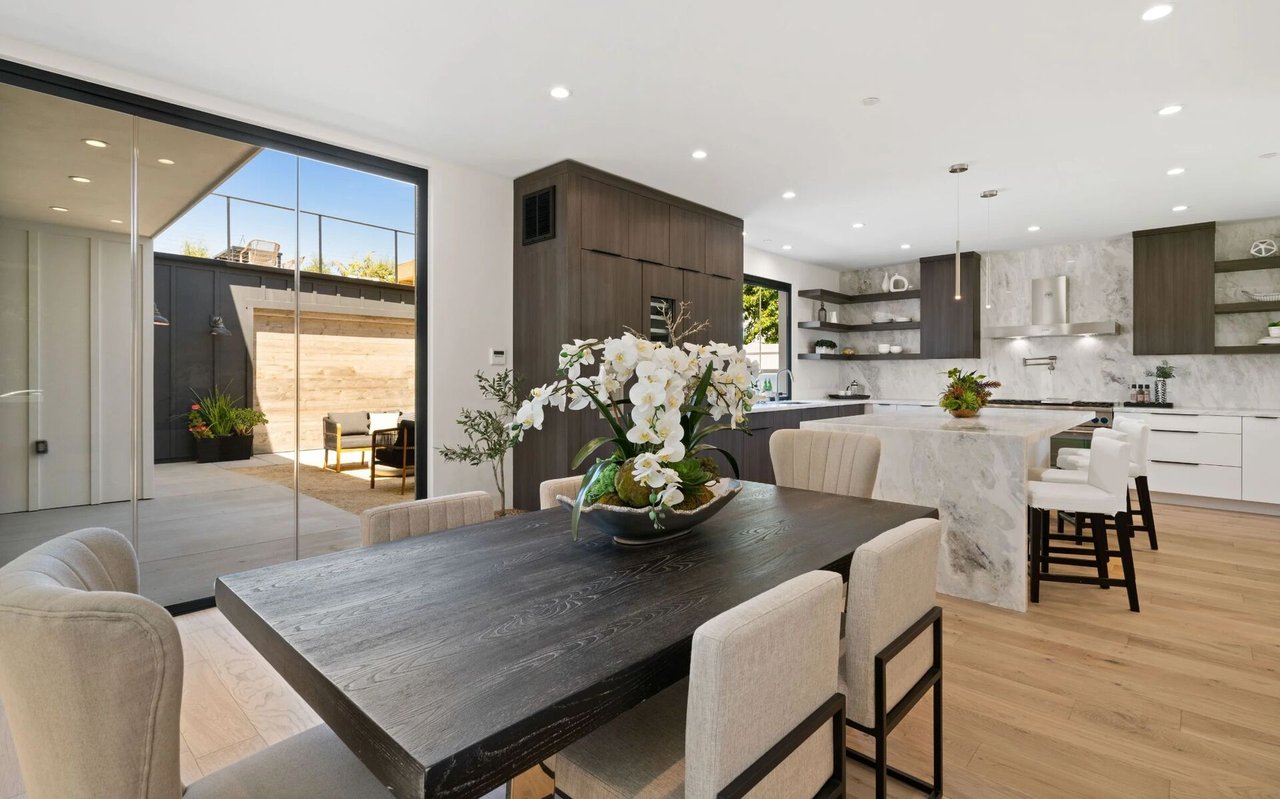
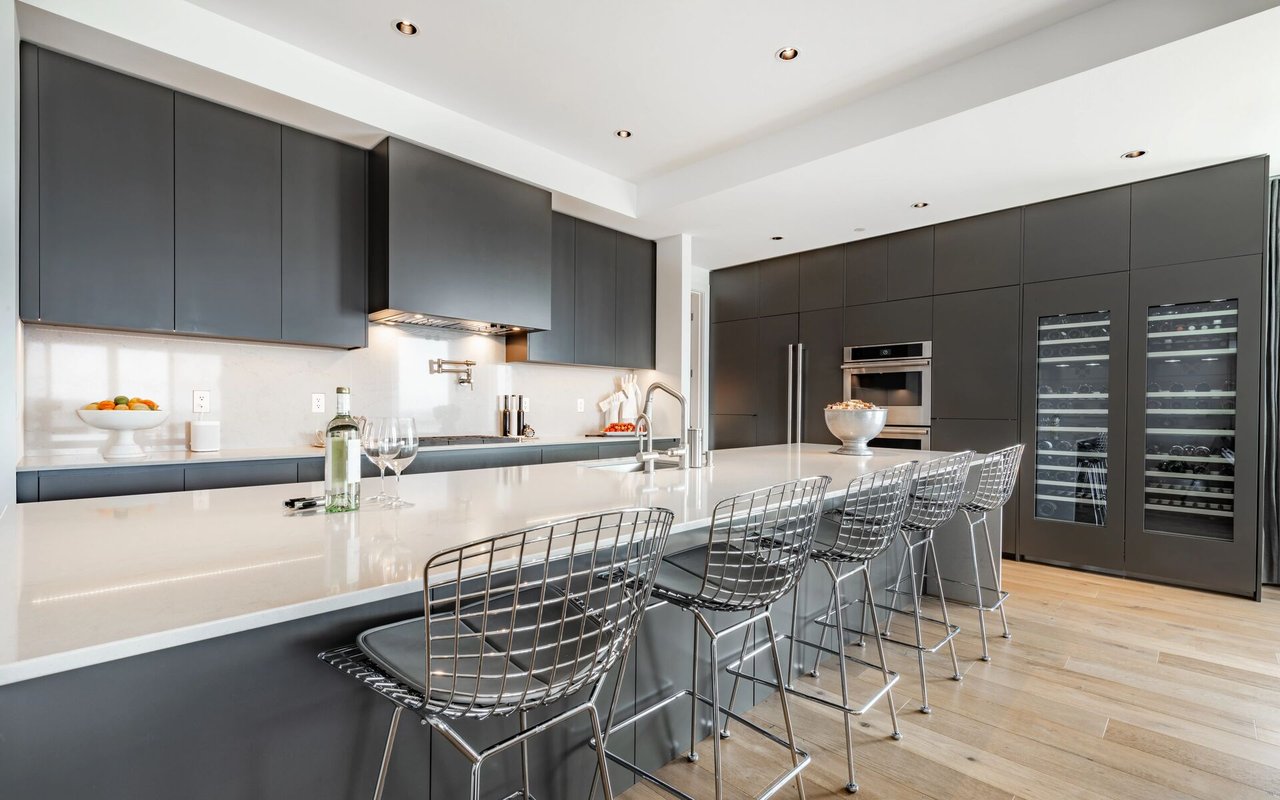
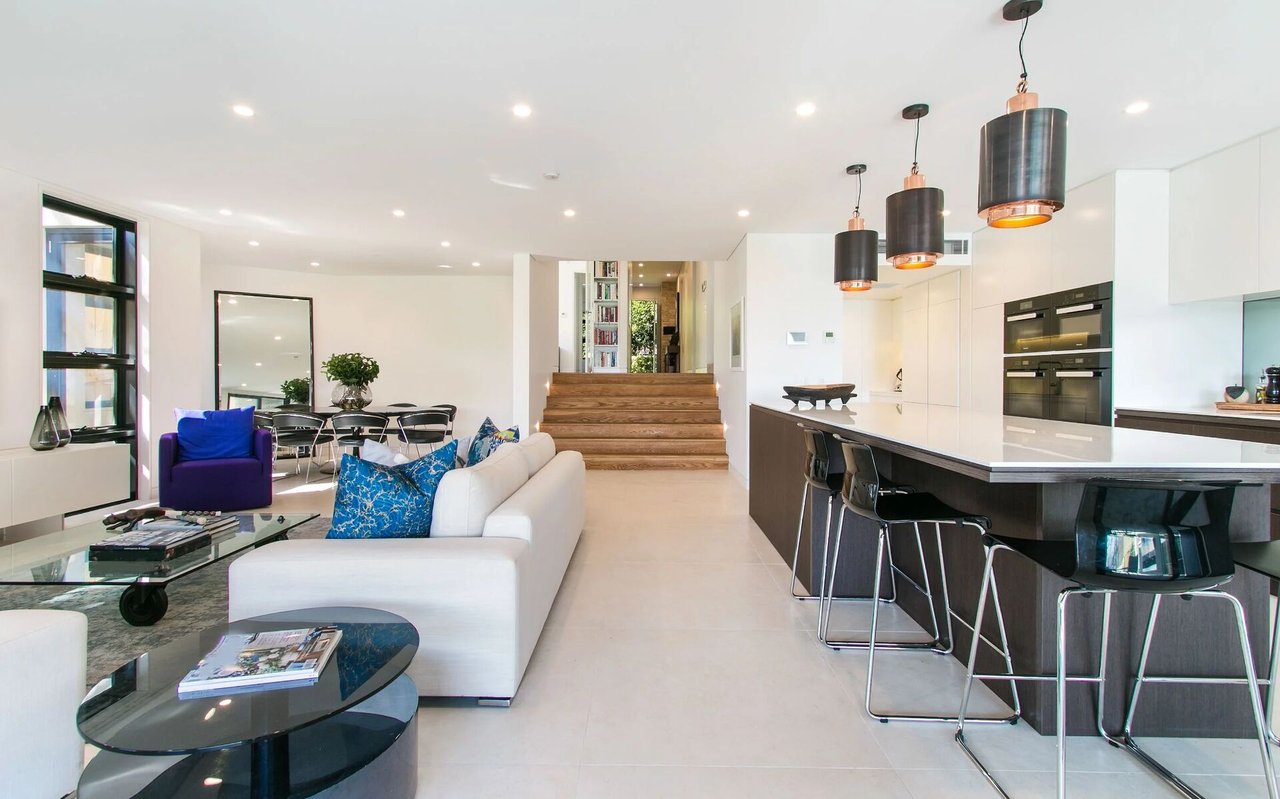
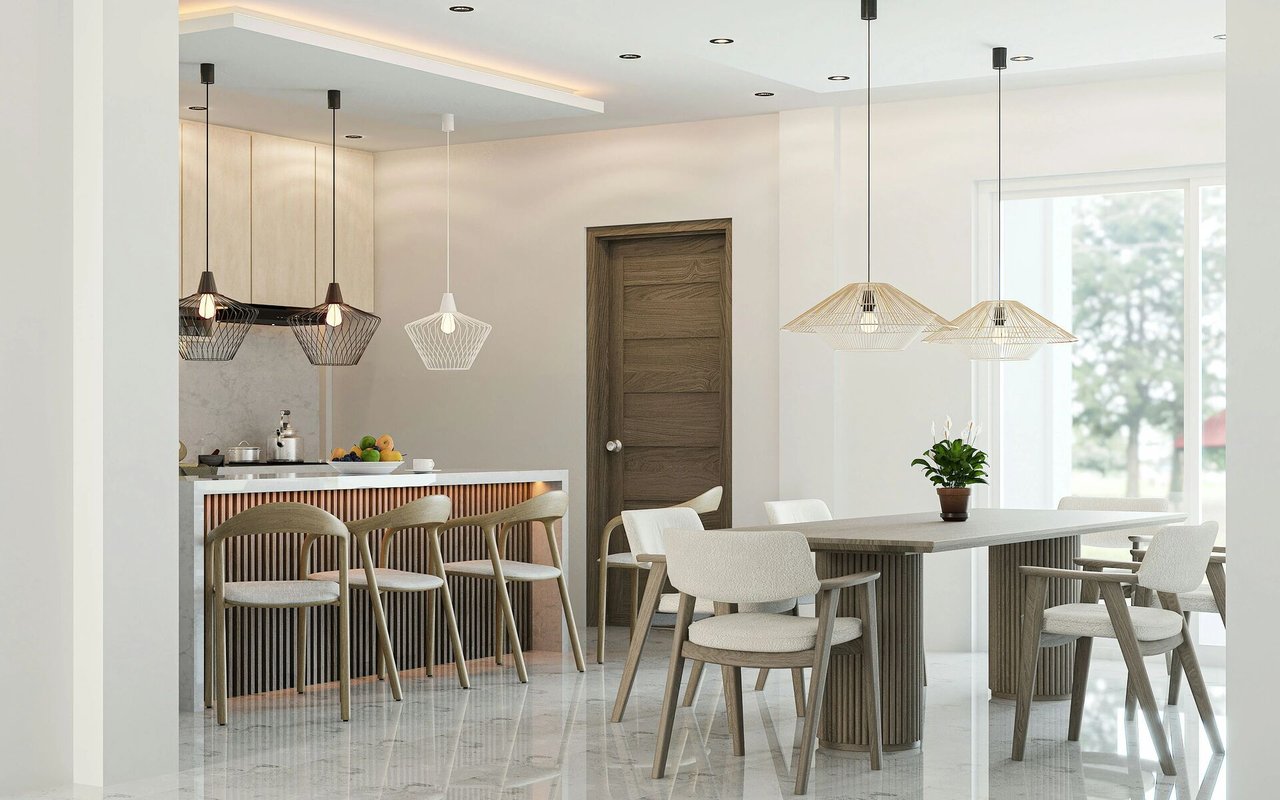
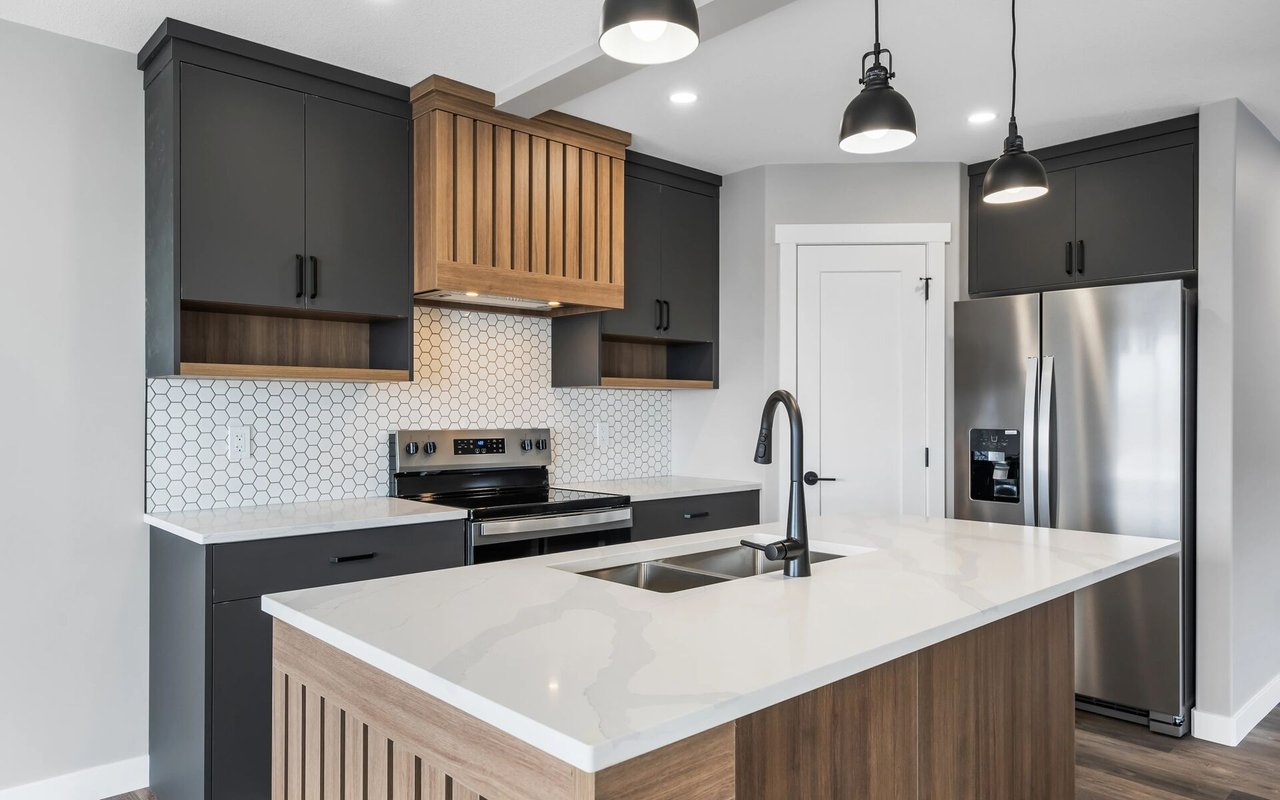
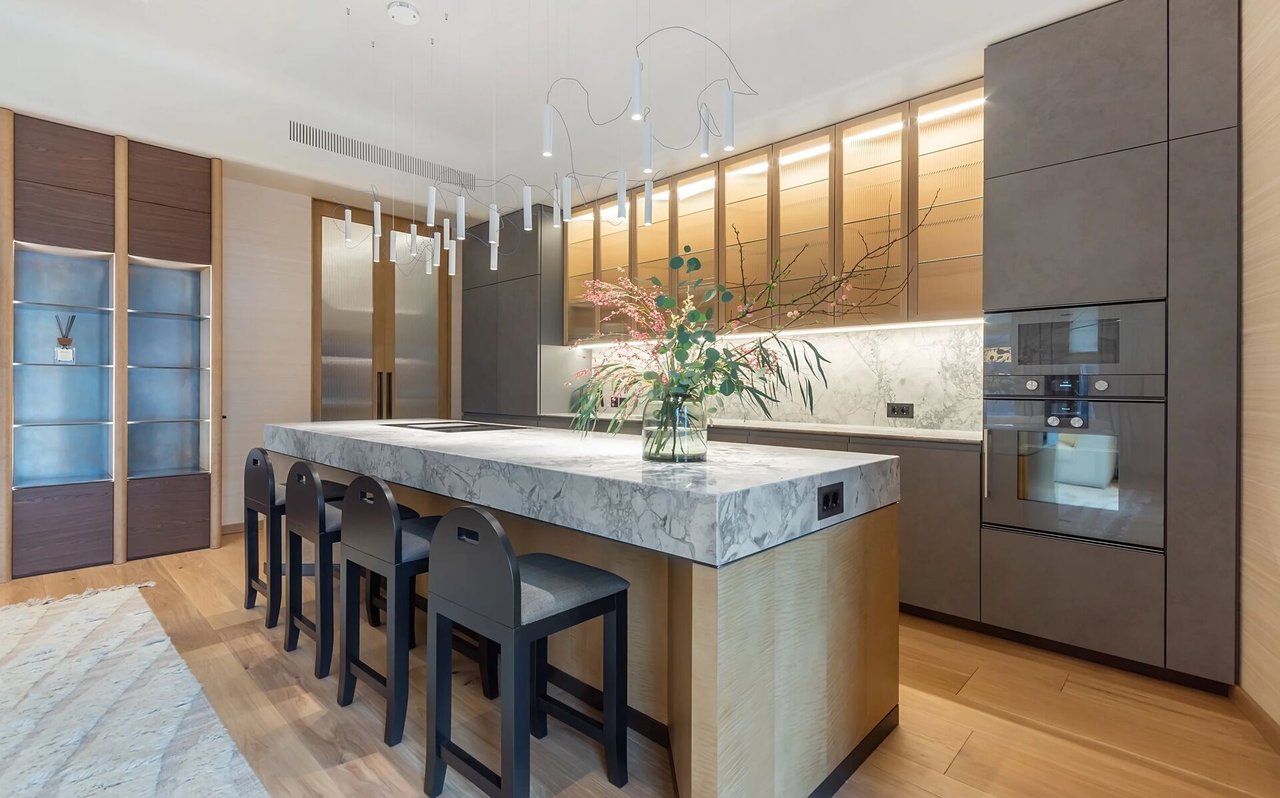
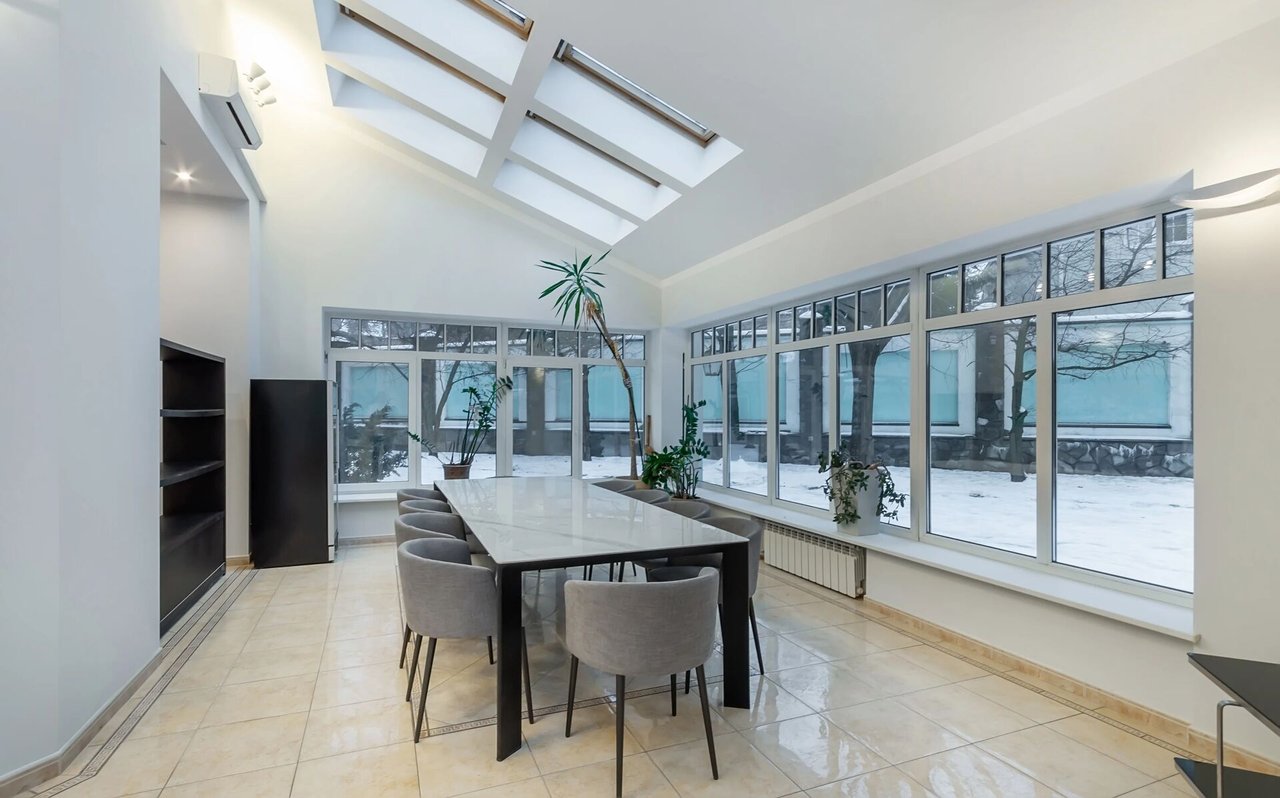
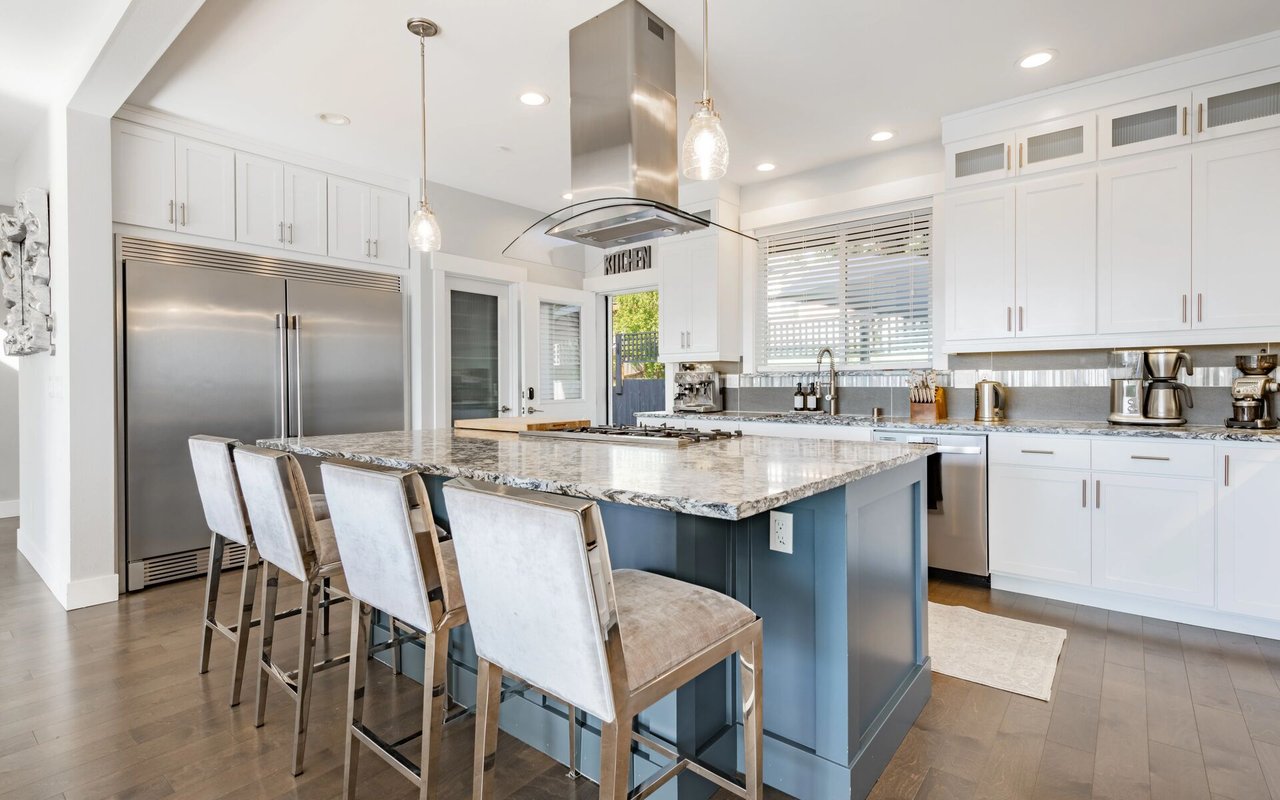
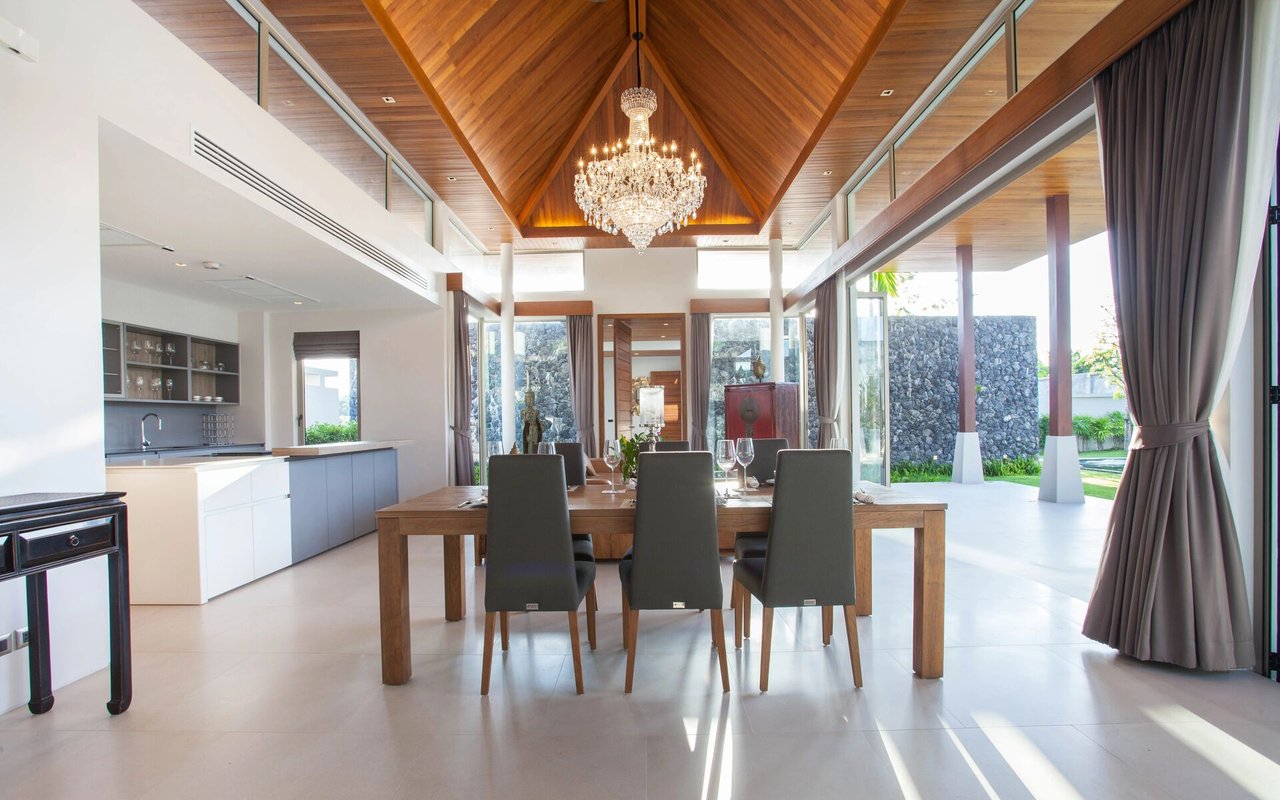
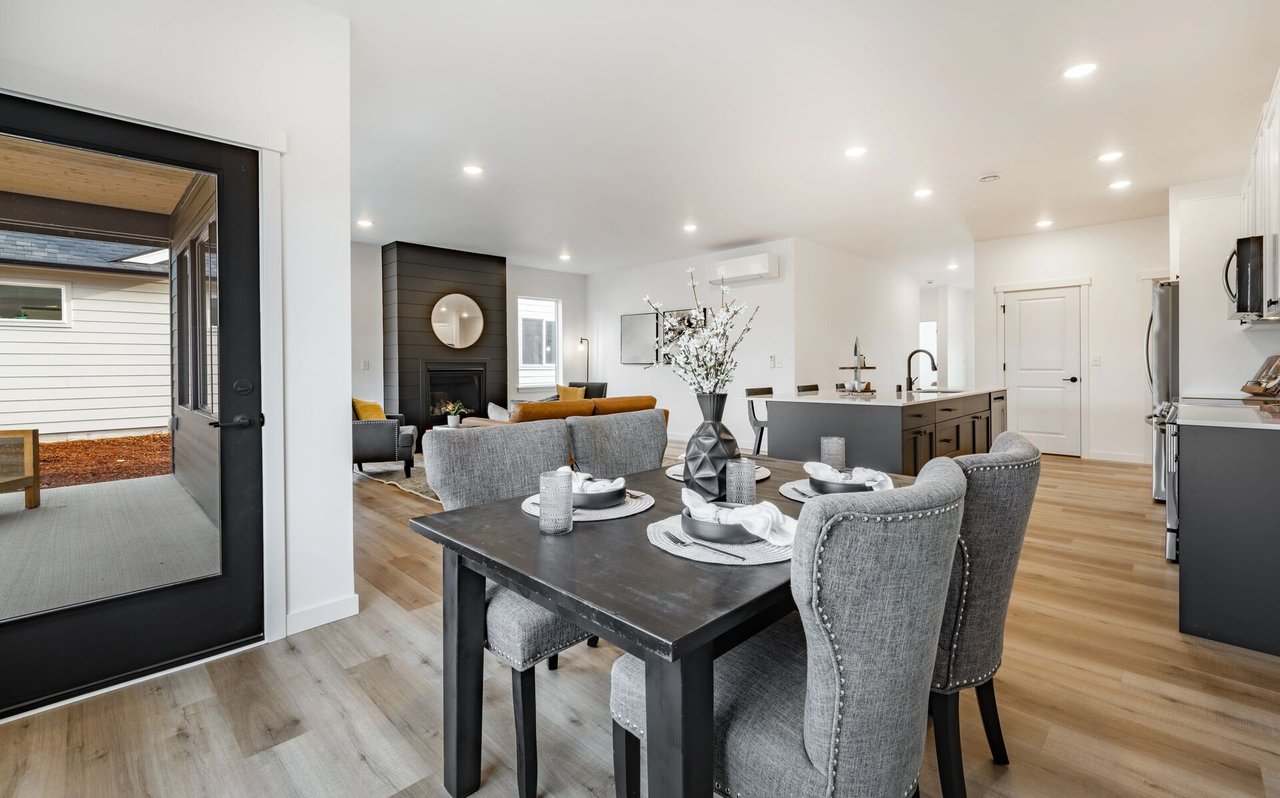
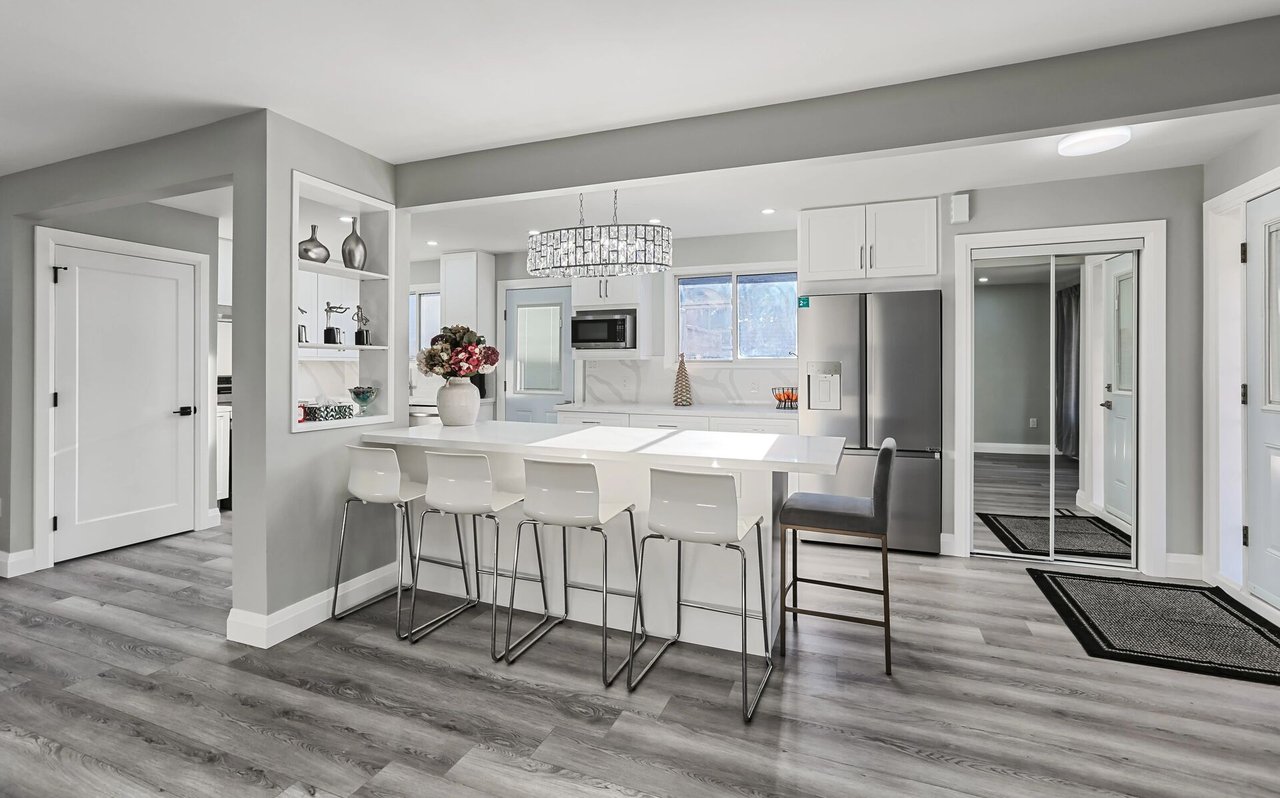
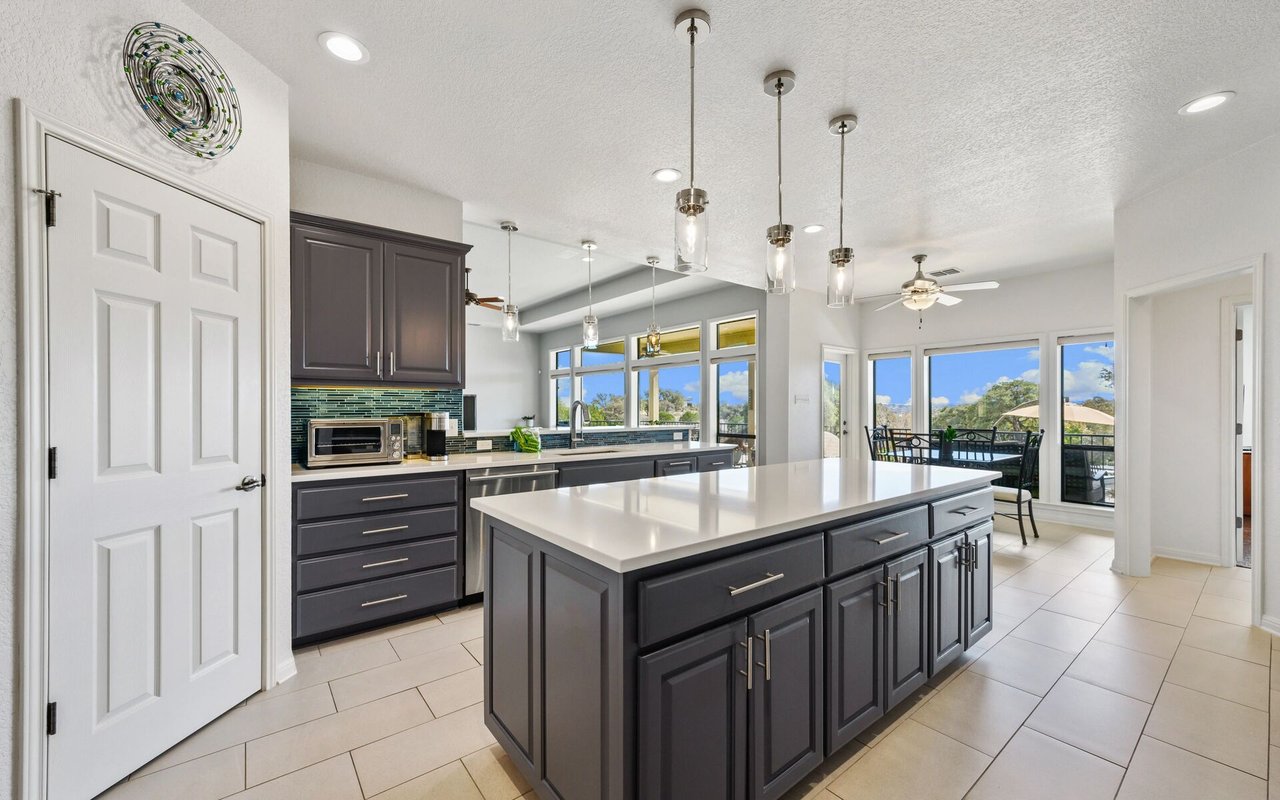
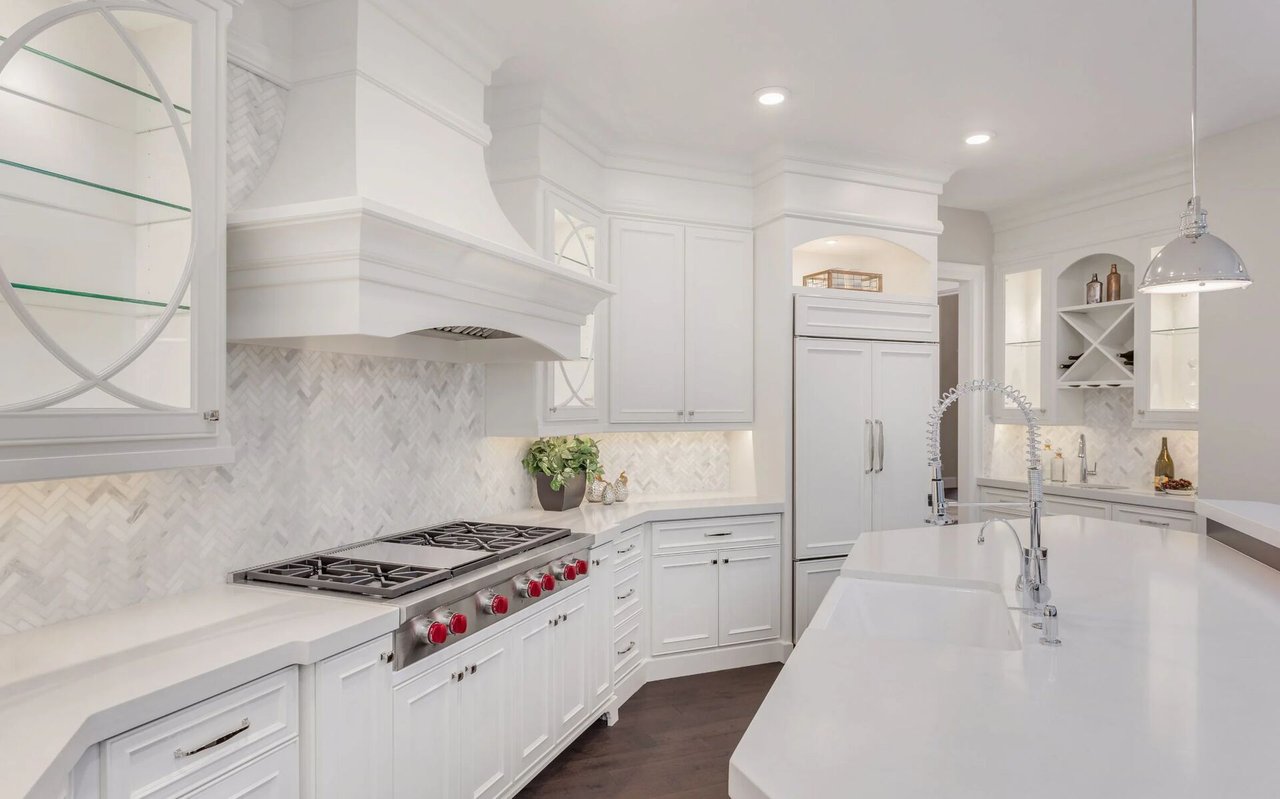
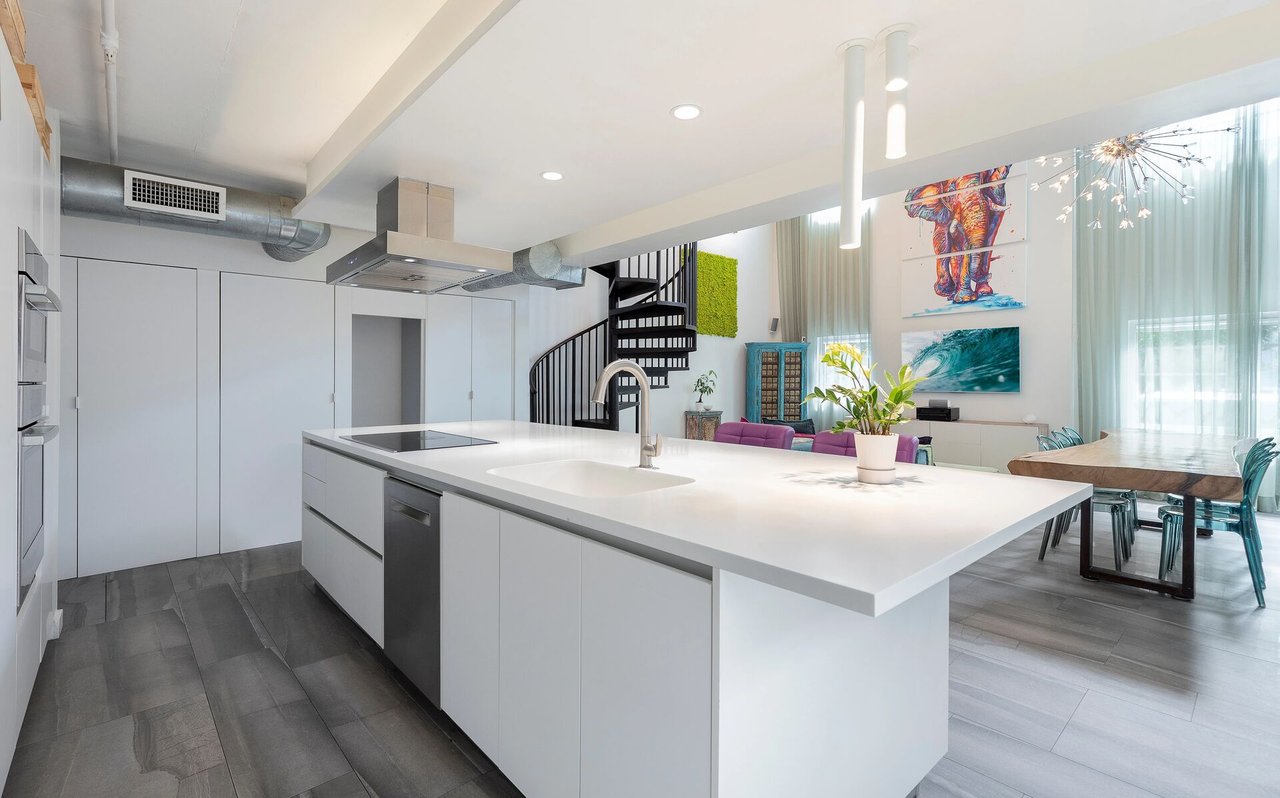
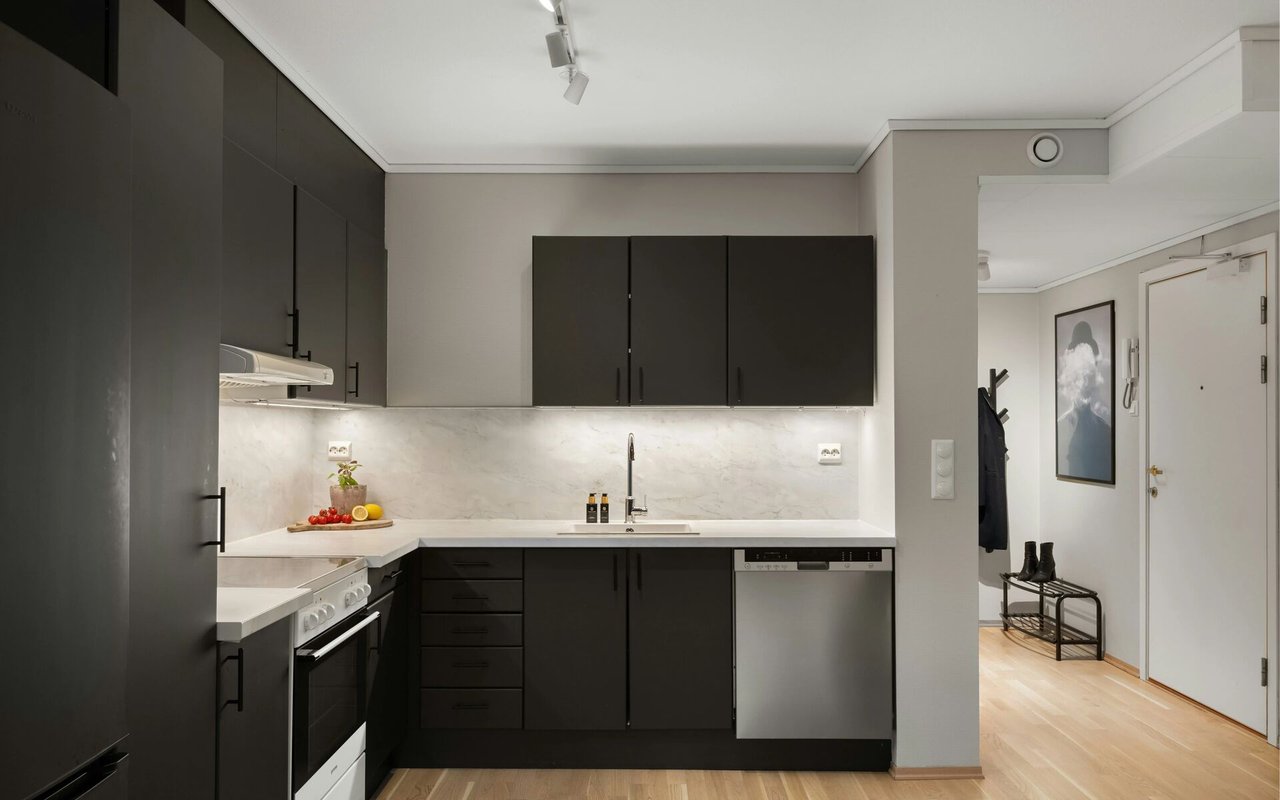
Even though staging reports often highlight living and sleeping spaces, buyers still pay close attention to kitchens and dining areas. Clear counters, straighten stools, remove magnets and papers, and keep the table simple. These rooms should feel open, usable, and easy to maintain.
Office or bonus room
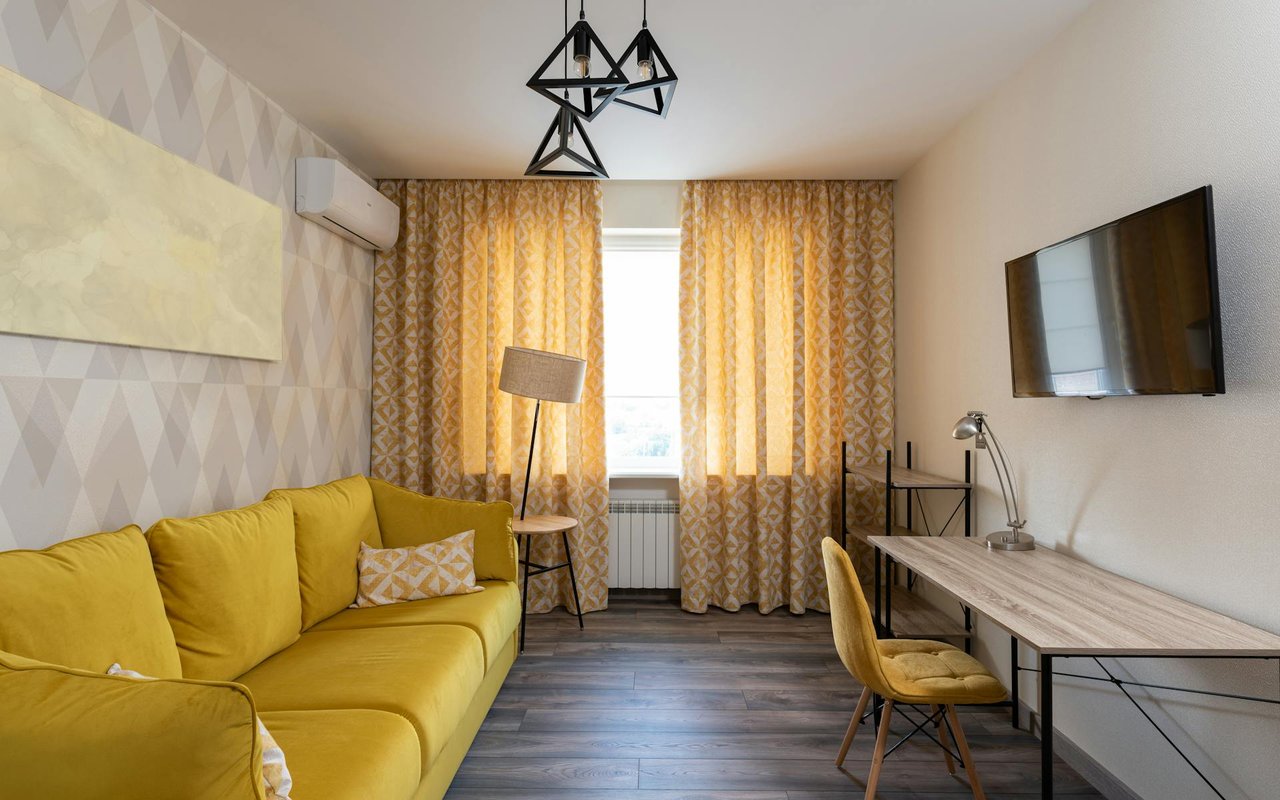
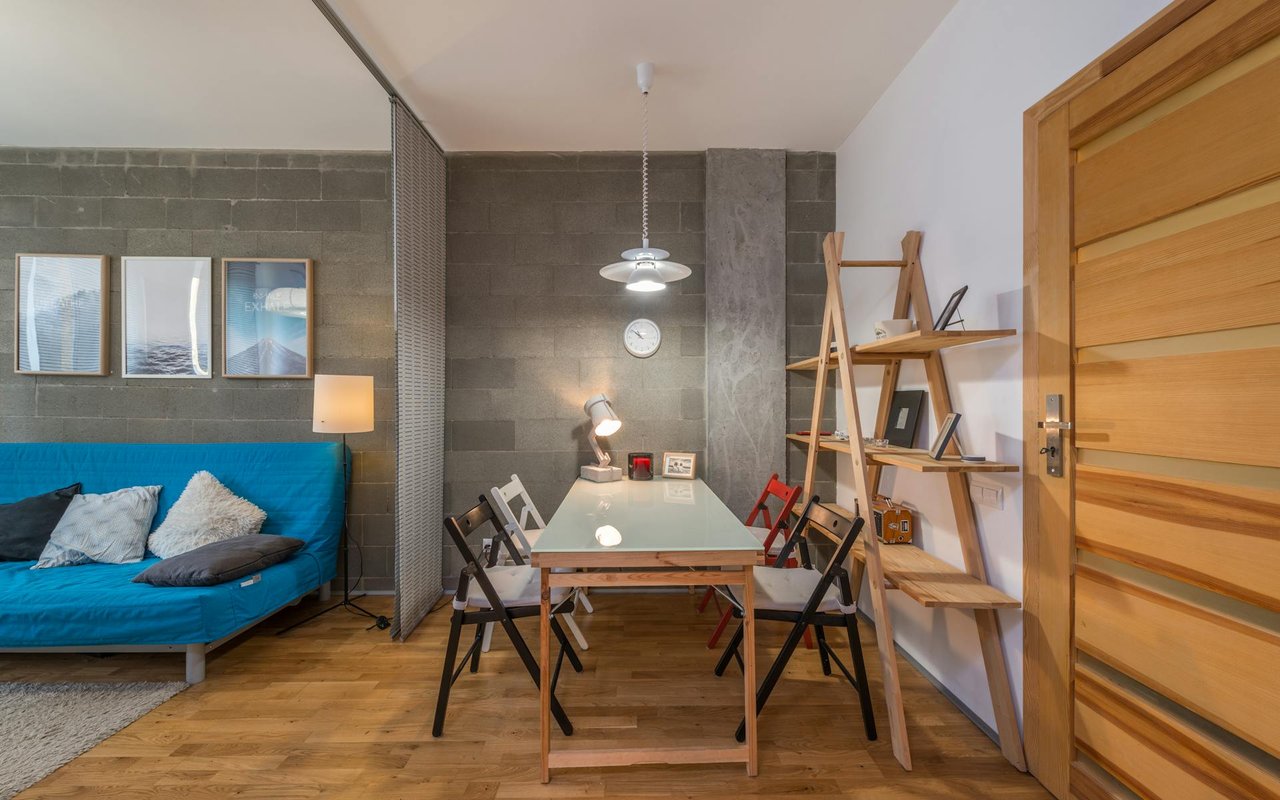
A flex room can become a major online asset when it is clearly defined. Set it up as an office, workout room, playroom, or guest space, but avoid mixing too many uses at once. Buyers tend to respond better when they do not have to guess what a room is for.
Do not overlook curb appeal
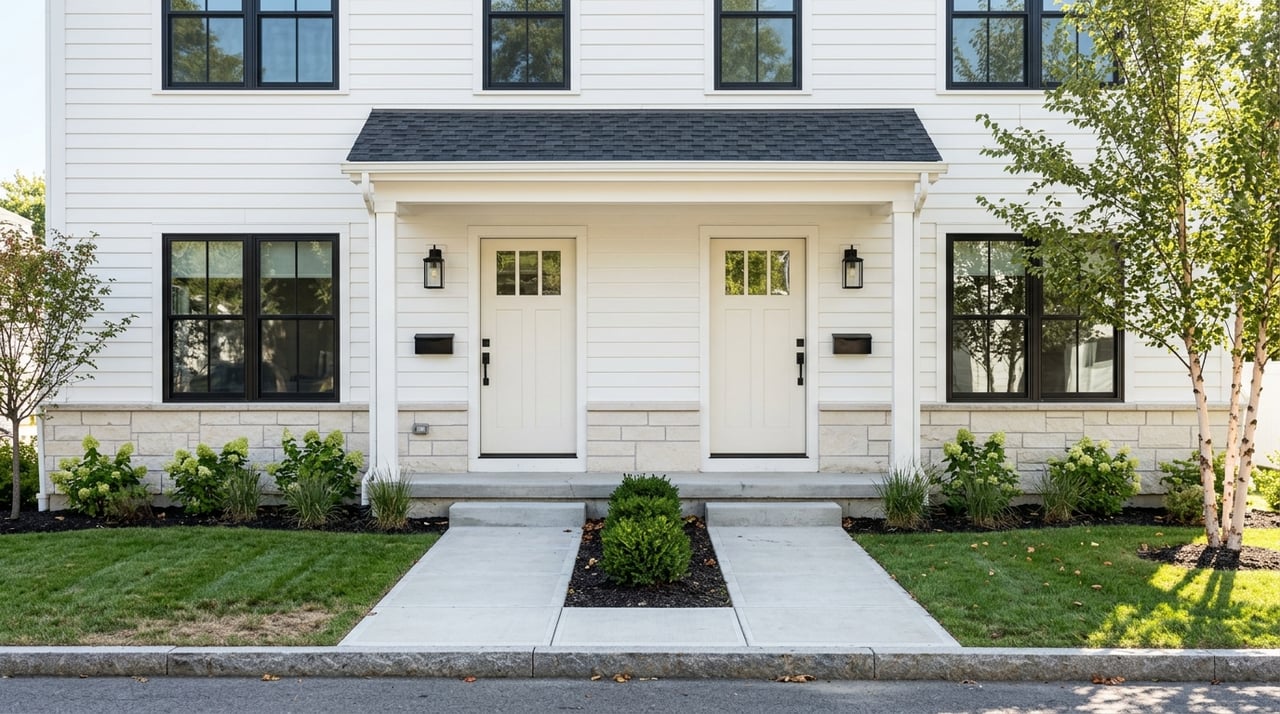
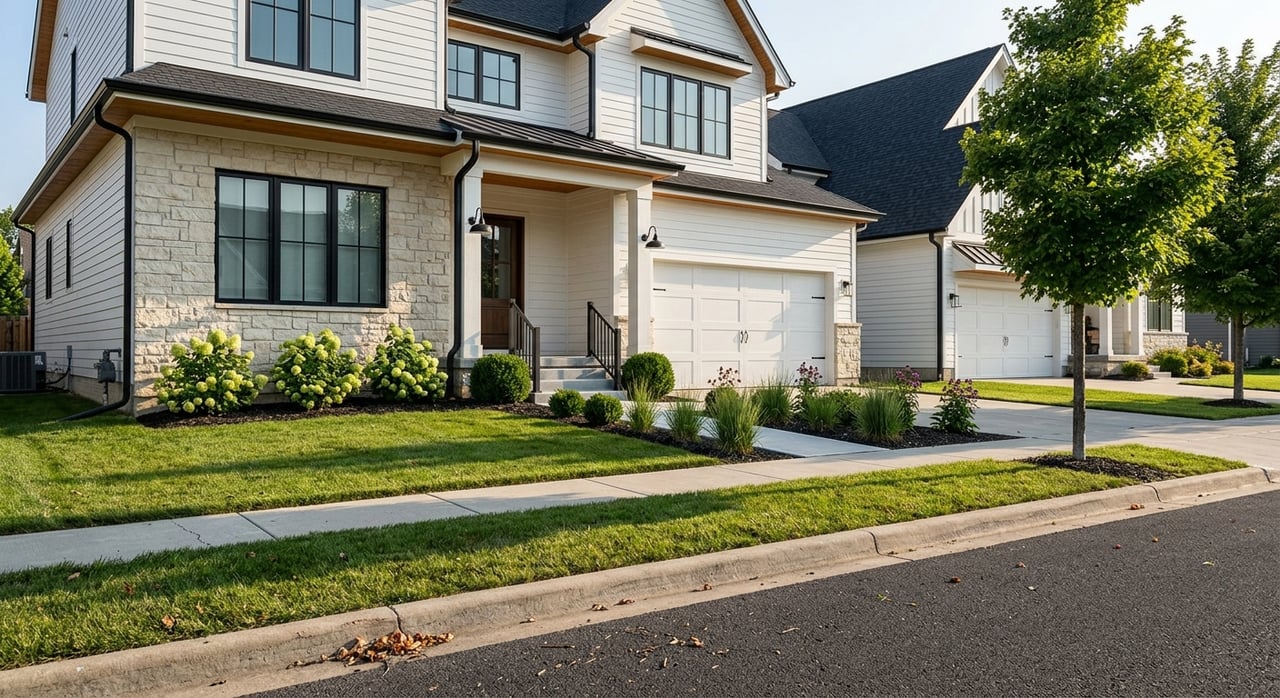
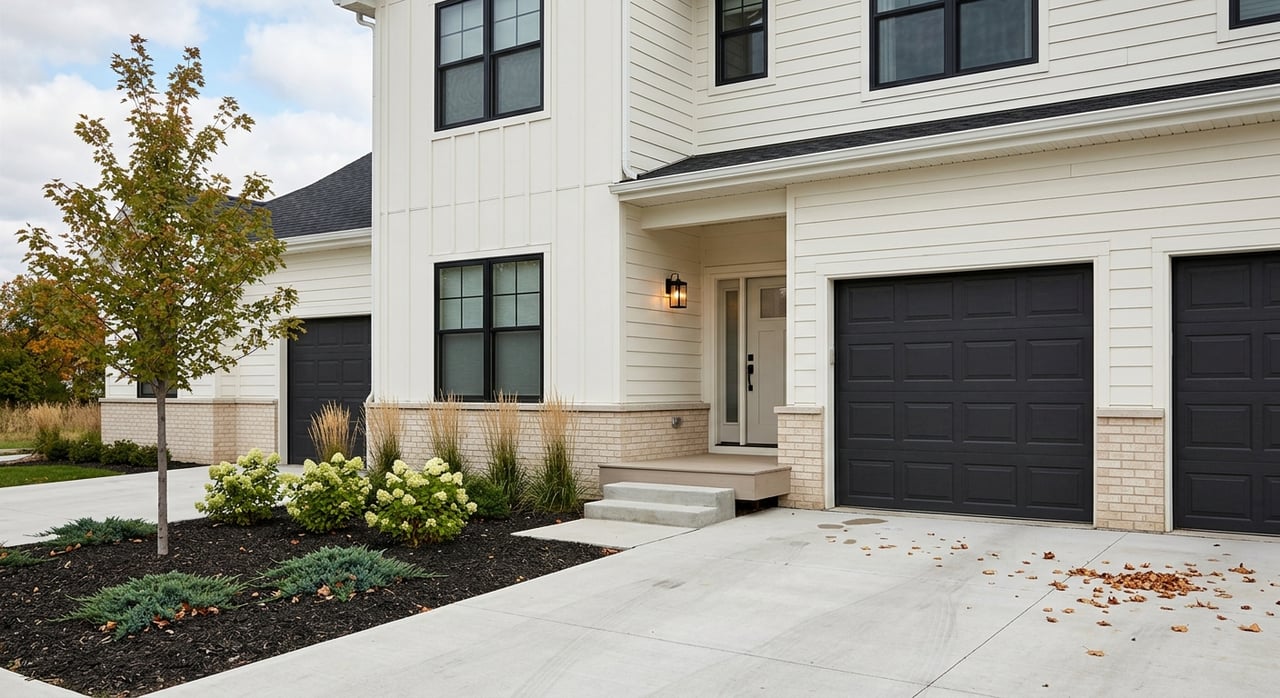
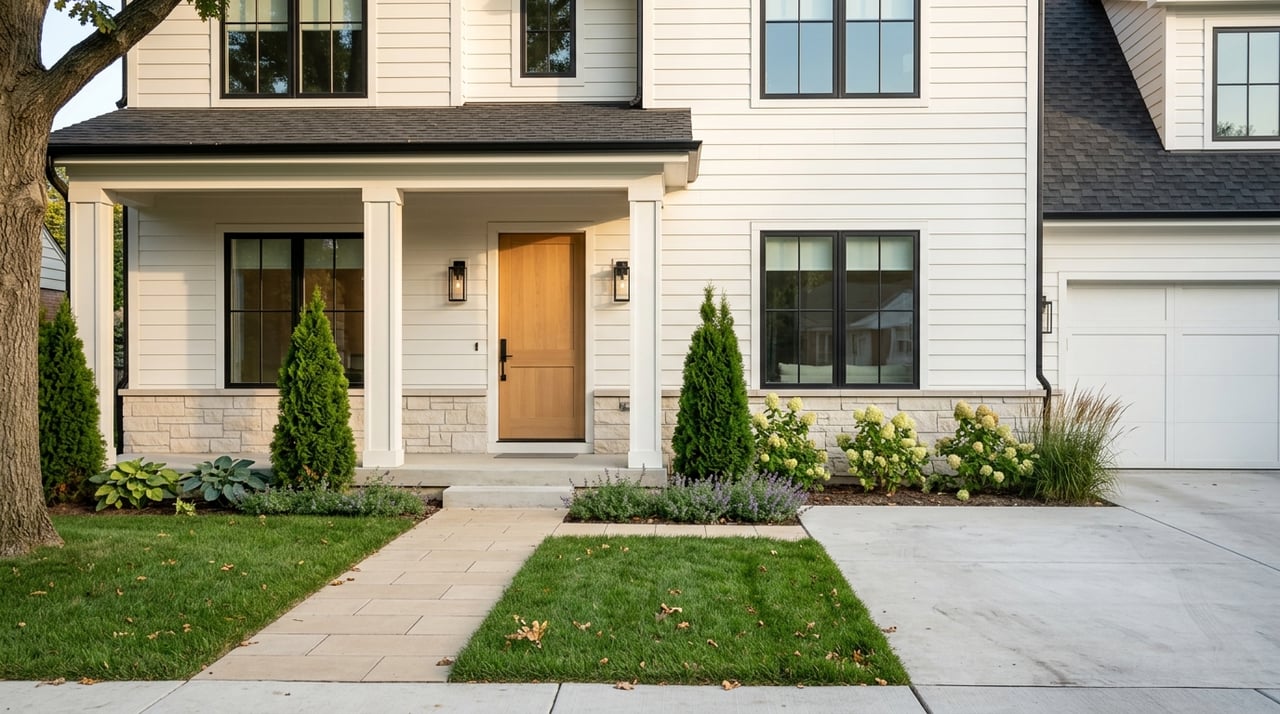
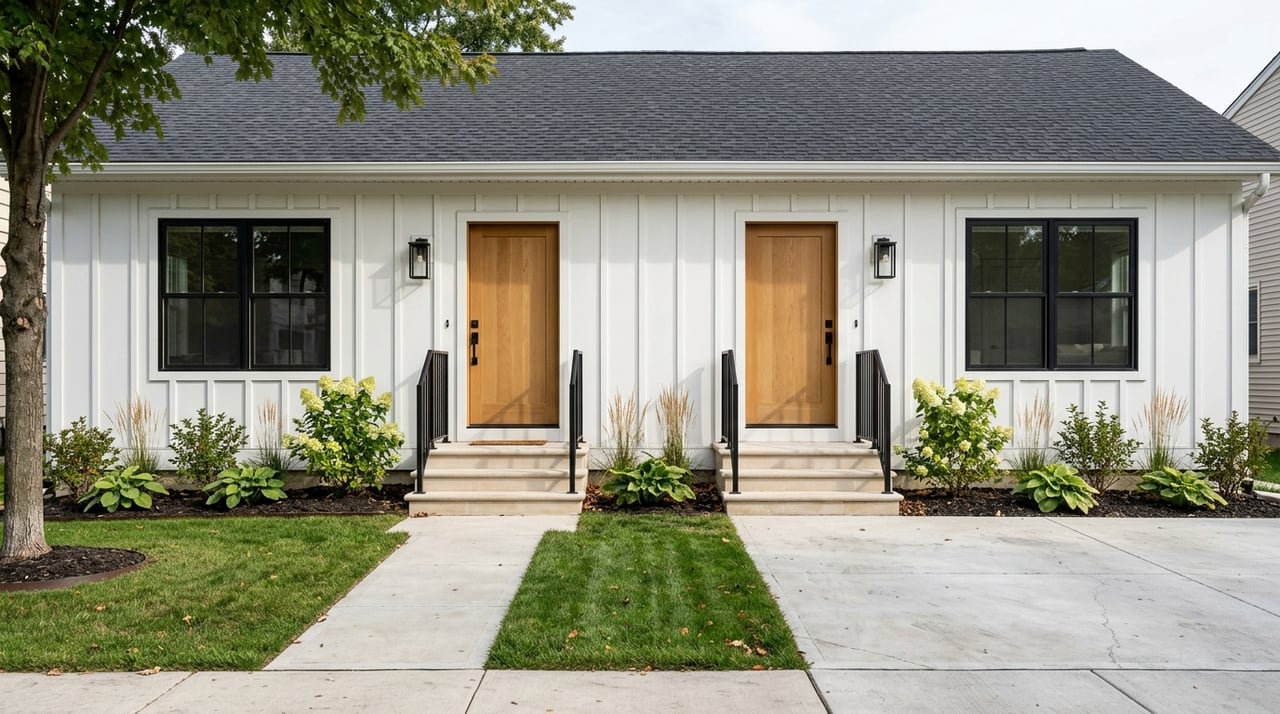
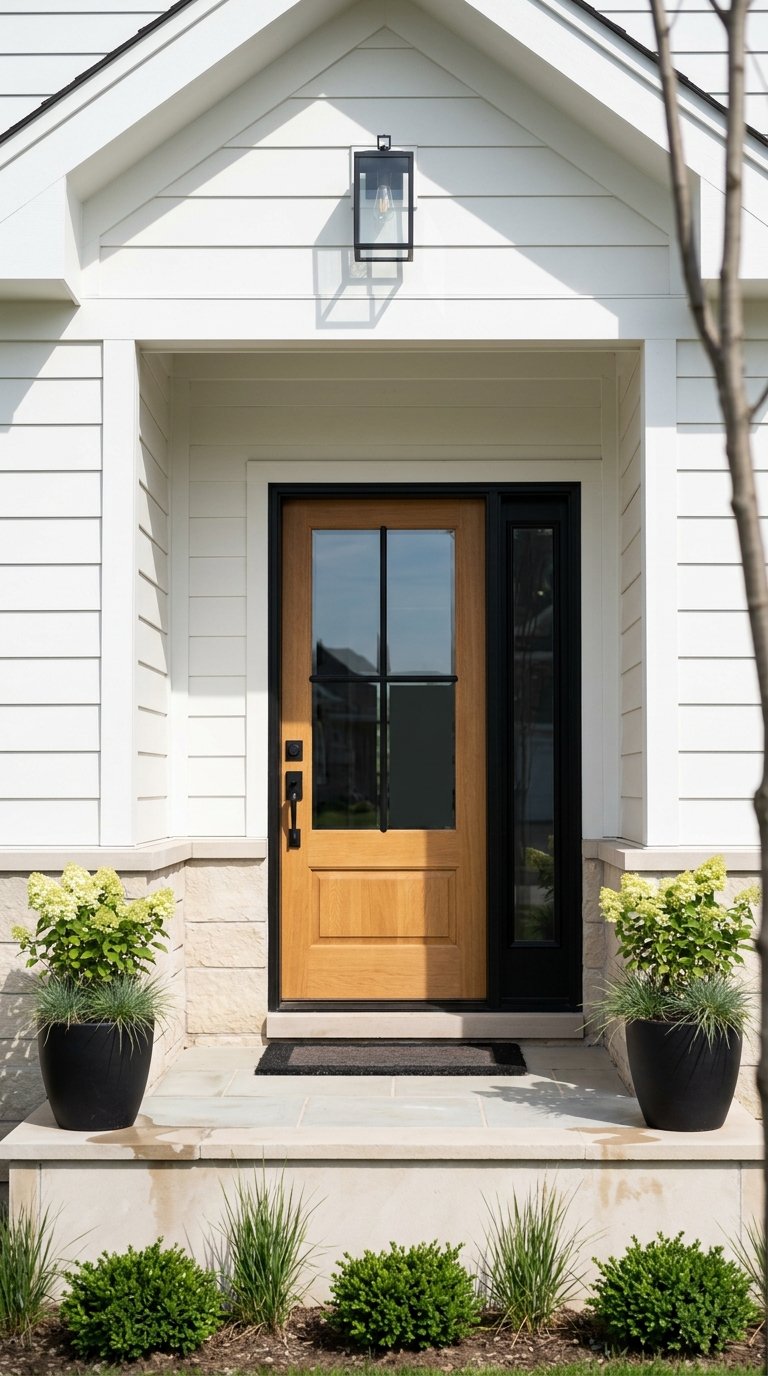
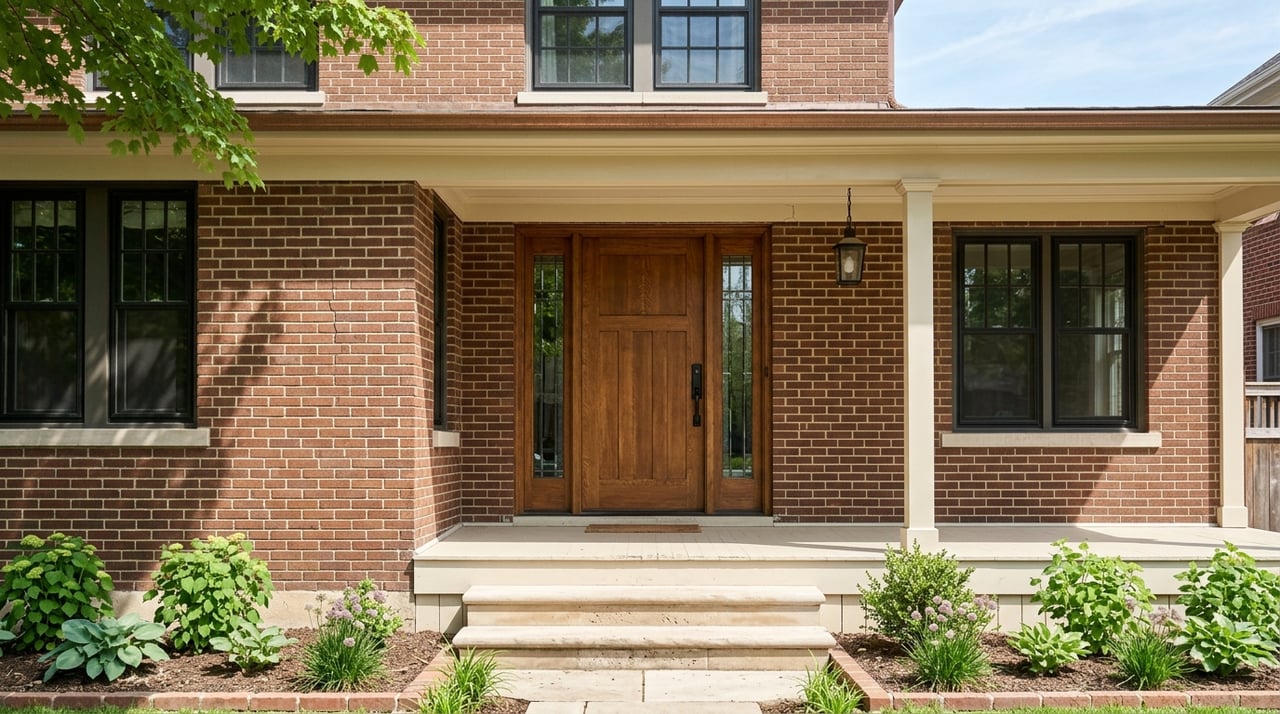
The online experience starts before buyers see the inside. Exterior photos, especially the first image, shape whether someone clicks into the listing or keeps scrolling. Basic curb appeal improvements can strengthen that first impression right away.
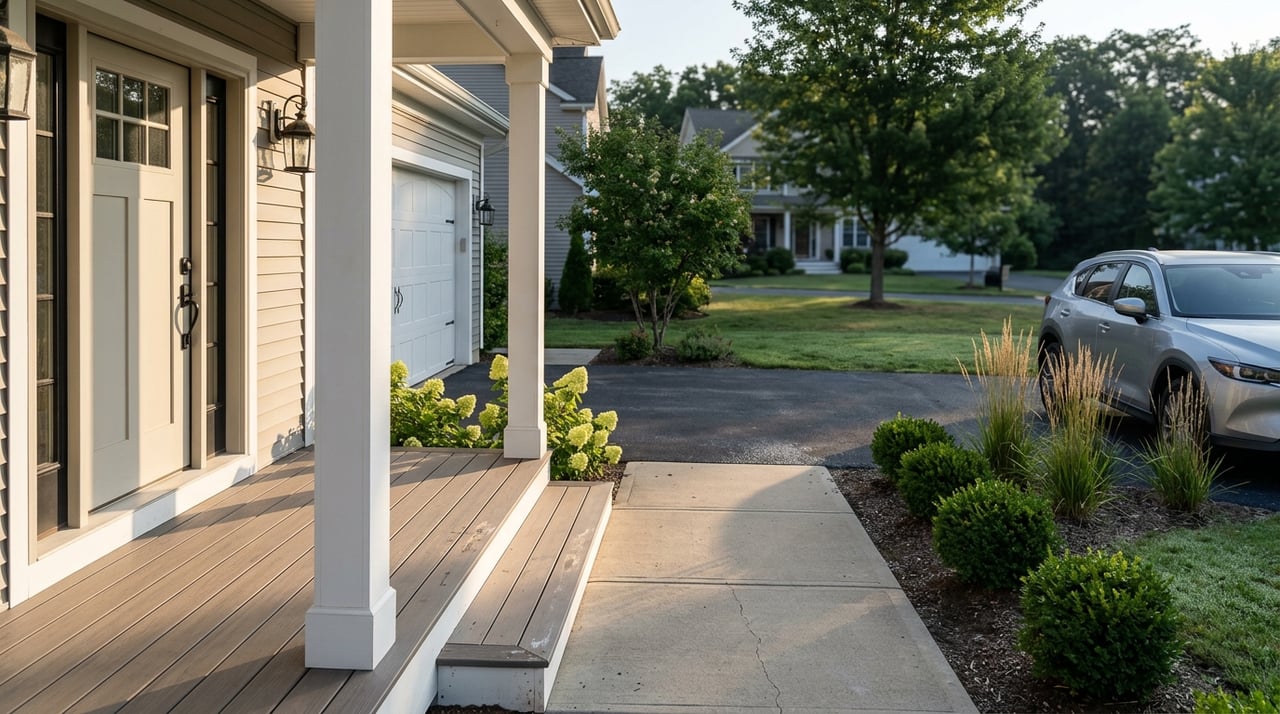
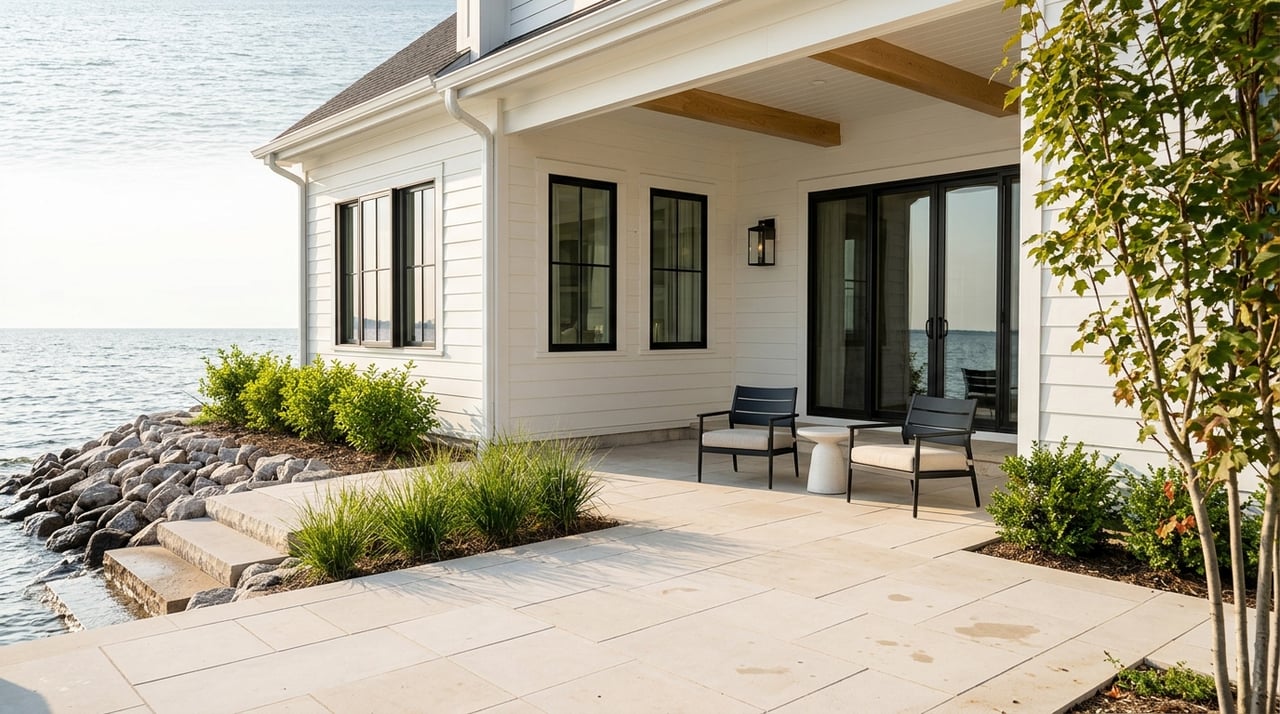
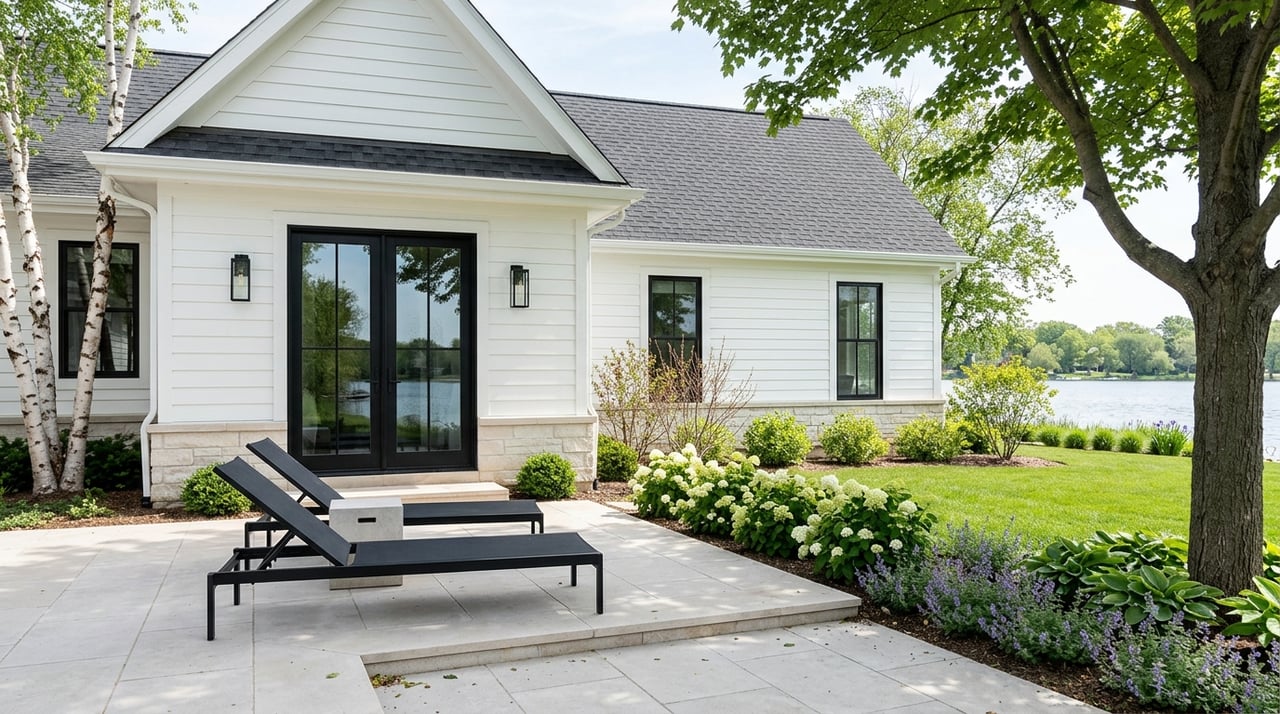
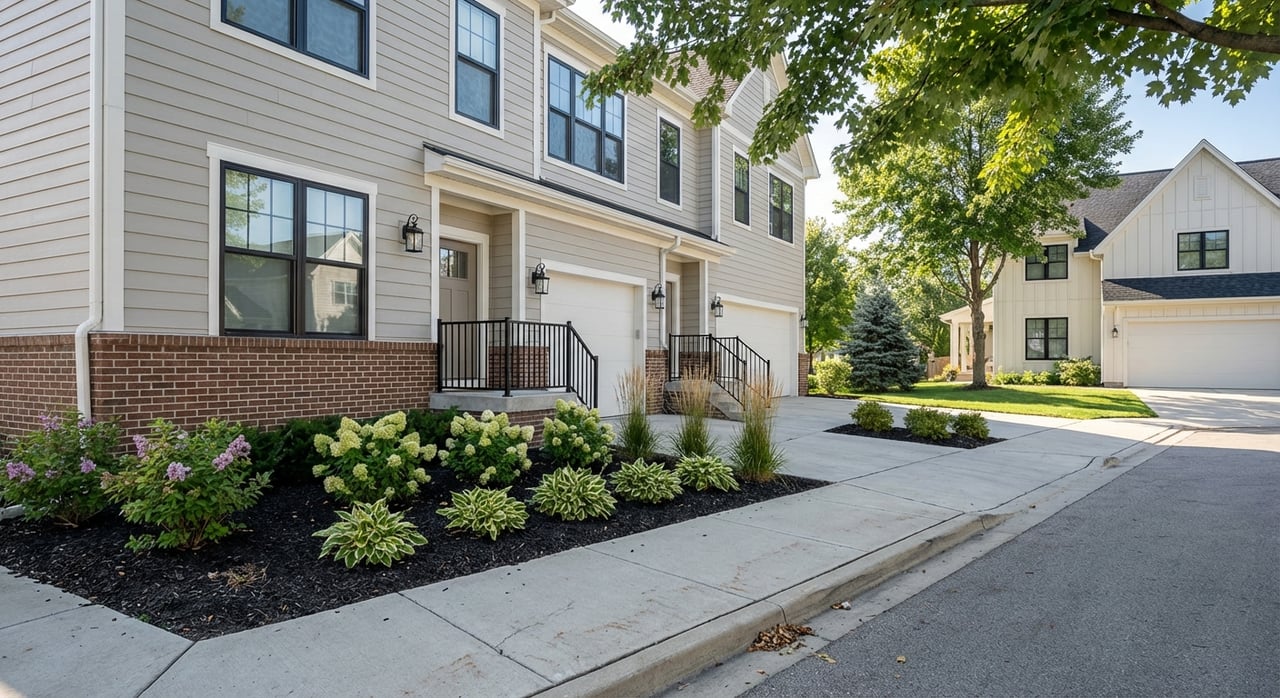
Focus on simple updates like trimming landscaping, clearing exterior pathways, touching up paint where needed, and making the entry feel neat and welcoming. In a community known for its parkland, sidewalks, and outdoor access, buyers may pay extra attention to how the home sits on the lot and how outdoor spaces are presented.
Use digital assets buyers actually want
Great prep should lead to great marketing. Strong photography is still the baseline, but buyers now expect more than a handful of pictures. The most effective listings help buyers understand not just what the home looks like, but how it works.
Professional photos are essential
Photos remain the most useful website feature for the vast majority of buyers under age 58, according to NAR's 2024 survey. That alone makes high-quality photography one of the most important parts of your launch. Clean composition, bright lighting, and the right angles can make your prep pay off.
This is also where timing matters. If you clean, stage, and prepare the home but rush the media day, you may lose the benefit. A coordinated launch helps ensure your home is captured at its best.
Floor plans help buyers decide faster
Floor plans are no longer a nice extra. They are a practical tool that helps buyers understand layout, flow, and furniture fit before they visit. Zillow's 2024 buyer report found that 86 percent of buyers were more likely to view a home if the listing included a floor plan they liked.
The same report found that 77 percent said a dynamic floor plan that links photos to rooms would help them determine fit. NAR's 2023 buyer data also found that floor plans were very useful to 49 percent of internet-using buyers. For sellers, that means a floor plan can reduce confusion and help attract buyers who are a better match for the home.
Virtual tours and video add context
Virtual tours can show how rooms connect and answer layout questions that still photos cannot fully cover. NAR's 2023 buyer data found that virtual tours were very useful to 39 percent of internet-using buyers, while videos were very useful to 27 percent. That suggests video works best as a supplement to strong photography and floor plans, not as a replacement.
If your home is vacant or lightly furnished, virtual staging can help buyers understand scale and purpose. NAR notes that self staging, professional staging, and virtual staging can all help, with virtual staging especially useful for vacant homes. The goal is simple: help buyers visualize the home's potential before they step inside.
Why staging can improve online response
Staging is not about making your home look trendy. It is about making it easier for buyers to understand the space. According to NAR's 2025 staging report, 83 percent of buyers' agents said staging made it easier for a buyer to visualize the home.
That benefit can show up early in the process. One in three buyer's agents said clients were more likely to schedule a showing after seeing a staged home online. The same report found that about half observed shorter market time for staged homes, and nearly 30 percent saw a 1 percent to 10 percent increase in dollar value offered.
Coordinate the launch carefully
Preparing your home for online buyers is not just about cleaning up and taking photos. It is about lining up the right steps in the right order so your listing hits the market looking complete and polished. That usually includes prep guidance, staging decisions, photography, floor plan measurements, video or 3D tour production, launch timing, and showing follow-up.
NAR's 2025 profile found that 91 percent of sellers used an agent, and 88 percent of buyers purchased through an agent or broker. NAR's marketing guidance also notes that agents help determine strategy, create broad exposure through the MLS, and plan showings and open houses. For you, that means one coordinated plan can make the process smoother and help your home present more strongly from day one.
A full-service team can also help you decide where to spend and where to save. Not every home needs the same level of staging or prep, but every listing benefits from a clear plan. The goal is to launch with confidence, not guess your way through it.
If you are getting ready to sell in Eden Prairie, the best next step is to look at your home through a buyer's screen-first lens. When your home is clean, well staged, easy to understand, and backed by strong media, you give online buyers a clear reason to book a showing. For a tailored plan and a full-service listing strategy, connect with Huerkamp Home Group.
FAQs
How should you prepare an Eden Prairie home for listing photos?
- Focus on decluttering, depersonalizing, deep cleaning, opening window treatments, turning on lights, and fixing visible minor repairs so the home looks bright and easy to understand online.
Which rooms matter most when staging a home for online buyers?
- Prioritize the living room, primary bedroom, dining room, and any office or bonus room that helps buyers understand how the home functions.
Is a floor plan important for an Eden Prairie home listing?
- Yes. Floor plans help buyers understand layout and fit, and buyer research shows they are one of the most valued digital features after photos.
Should you stage a vacant home before listing it online?
- Yes, if possible. Virtual staging can be especially helpful for vacant or sparsely furnished homes because it gives buyers more context for scale and room use.
Do you need to remodel before selling your Eden Prairie home?
- No. The most useful pre-listing improvements are usually cosmetic, such as cleaning, decluttering, repairs, and staging, rather than a full renovation.