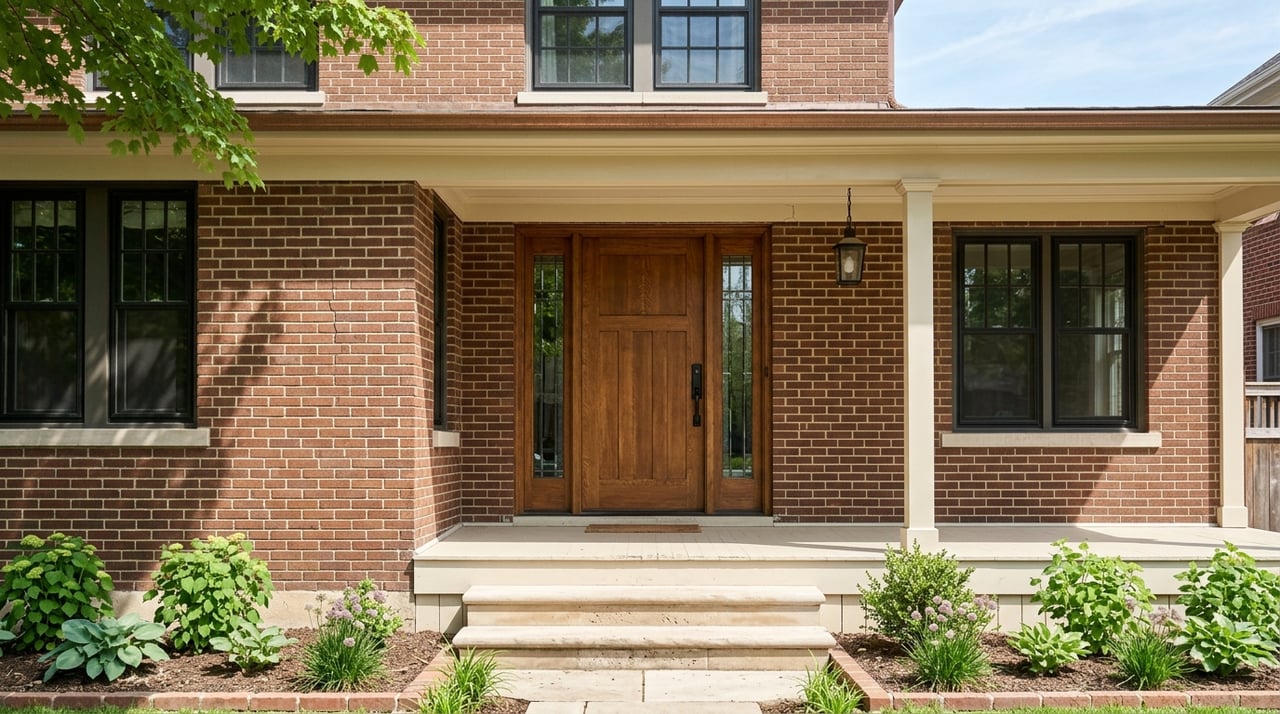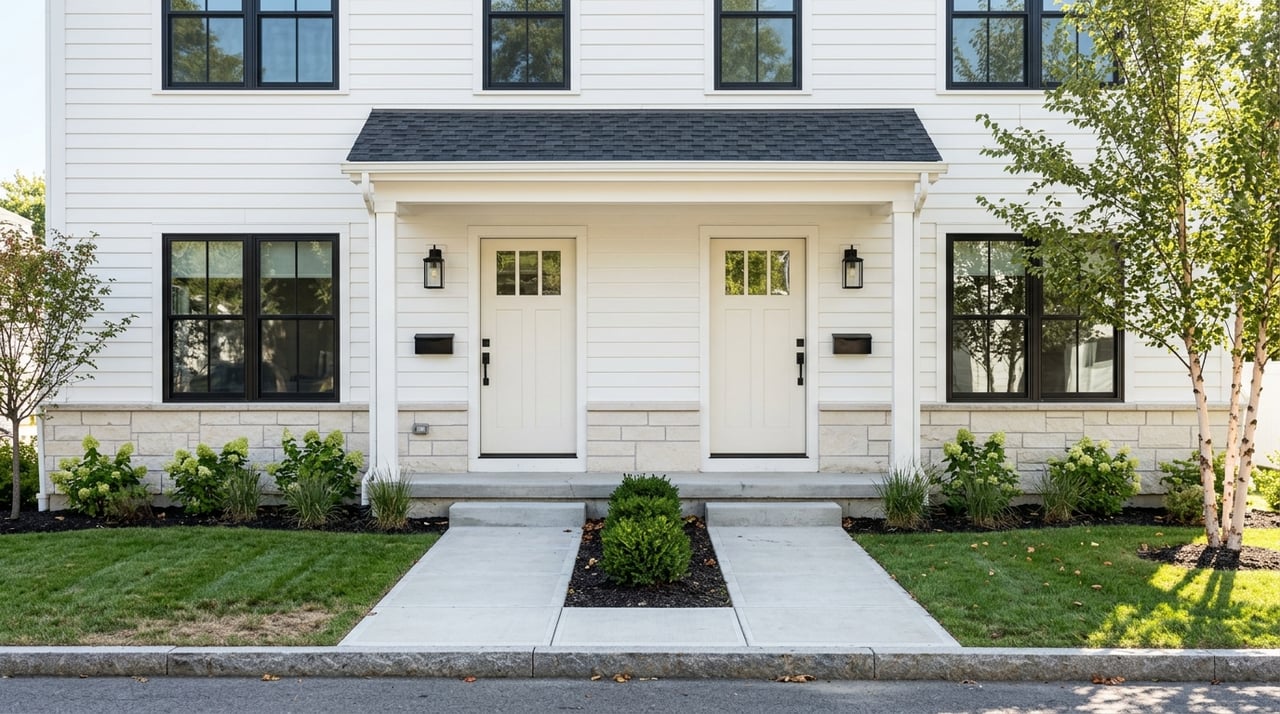
If Saint Paul home prices feel high and monthly payments look tight, house hacking can be a smart way to make the numbers work. Buying a duplex and living in one unit while renting the other is a practical option for buyers who want a home and income potential in the same property. In this guide, you’ll learn how house hacking works in Saint Paul, what duplex buyers should watch for, and which local rules can shape your decision. Let’s dive in.
Why house hacking stands out in Saint Paul
Saint Paul has a large renter base and meaningful housing costs, which is part of why duplexes get so much attention from first-time buyers and small investors. Census Bureau QuickFacts reports an owner-occupied housing rate of 52.9%, a median owner-occupied home value of $294,500, and a median gross rent of $1,281.
That combination matters because rental income can help offset your monthly ownership costs. It does not guarantee positive cash flow, but it can improve affordability in a market where many buyers are trying to stretch their budget without giving up location or long-term ownership goals.
Saint Paul’s 1-4 Unit Housing Study also shows that duplexes, triplexes, and fourplexes made up 11% of the housing supply as of 2017. The same study notes that these small multifamily properties declined between 2000 and 2017, which helps explain why well-located duplexes can be hard to find.
What house hacking means
House hacking usually means you buy a property, live in one unit, and rent out one or more other units. In Saint Paul, this idea is especially relevant for duplexes, triplexes, and fourplexes because the city’s planning materials note that owner-occupants can often use typical homebuyer mortgage options for properties with up to four units.
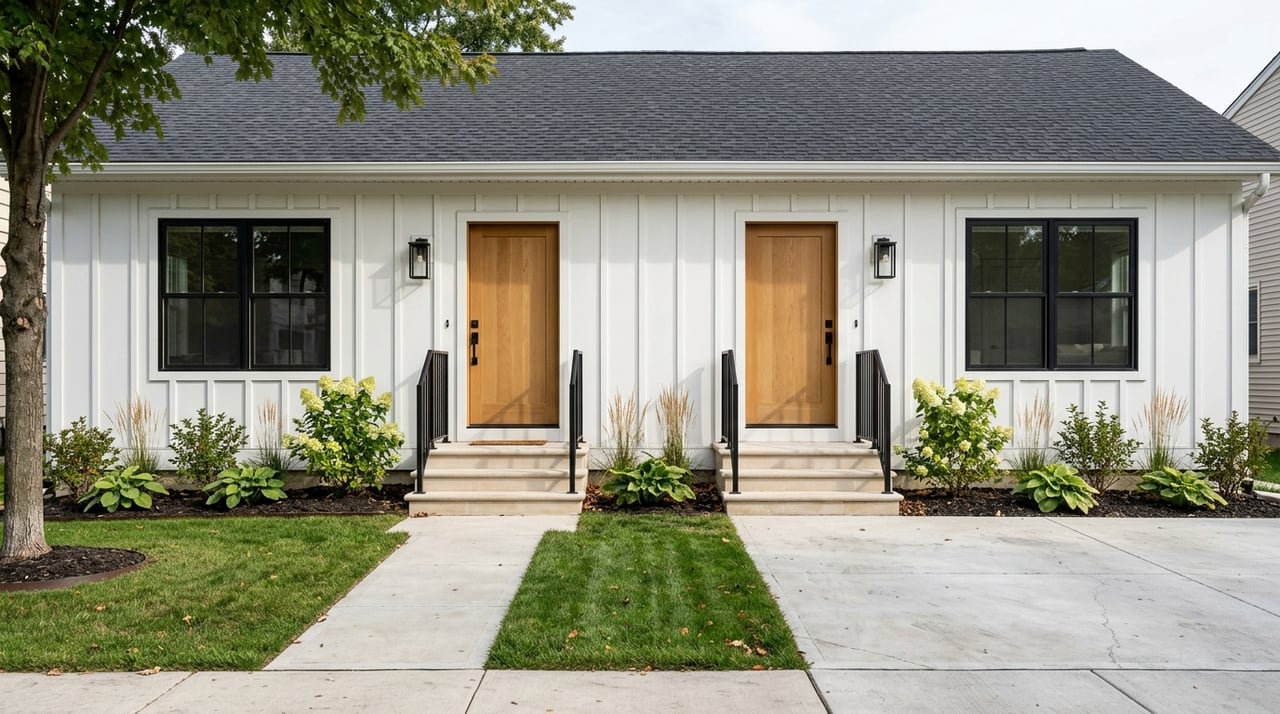
For many buyers, a duplex is the simplest version of this strategy. You get your own living space, a tenant next door or upstairs, and rental income that may help with the mortgage, taxes, insurance, and maintenance.
Why duplexes are a common first step
A duplex can feel more manageable than a larger multifamily property. You still get the experience of being an owner-occupant landlord, but you usually have fewer moving parts than you would with a triplex or fourplex.
Duplexes may also fit buyers who want a middle ground between a single-family home and a larger investment property. You can learn the basics of leasing, maintenance, and budgeting while still using the home as your primary residence.
Saint Paul market facts to know
When you look at duplexes in Saint Paul, it helps to understand the local supply and rental backdrop. The city’s housing study found that rental vacancy averaged 4.4% in 2019, which points to a fairly tight rental market.
The same report also found that many renters were cost-burdened, with 22.5% paying 30% to 50% of income toward rent and 25% paying 50% or more. For a duplex owner, that is a reminder to run conservative numbers and think carefully about affordability, rent growth, and vacancy.
Financing can be a major advantage
One reason buyers consider house hacking is the financing flexibility tied to owner occupancy. Saint Paul’s planning FAQ notes that up to four units can align with typical homebuyer mortgage options when the buyer lives in one of the units.
That can create a useful path for buyers who want rental income without jumping straight into a fully non-owner-occupied investment property. Your exact loan terms will depend on your lender and finances, but owner occupancy can make a meaningful difference in how a purchase pencils out.
Landlord responsibilities start right away
Once you buy a duplex and rent out a unit, you are not just a homeowner. You are also a landlord, which means Minnesota landlord-tenant rules apply.
According to the Minnesota Attorney General, a lease is a legally binding rental contract. Tenants can request a move-in inspection, landlords must keep the unit in reasonable repair and fit for its intended use, and landlords must offer a move-out inspection within five days before the tenancy ends.
The lease must also state who pays which utilities. Landlords must provide a Certificate of Rent Paid to renters, which is another detail many first-time house hackers do not expect.
Saint Paul rental rules matter too
State rules are only part of the picture. Saint Paul also has local requirements that can affect how you operate a duplex.
The city says it does not issue a rental license to landlords, but residential buildings that are not owner-occupied require a Fire Certificate of Occupancy. The city also says landlords of a single-family rental or duplex who do not live on the premises must register the property.
This is important if you plan to live in the duplex now but convert it to a full rental later. A property can be easy to manage as an owner-occupied house hack today and still require a different compliance setup in the future.
Zoning should be checked early
Before you fall in love with a duplex, verify that the current use matches city rules. Saint Paul’s zoning amendments that support a wider range of 1-6-unit housing took effect on November 26, 2023, and the city now uses six residential districts: RL, H1, H2, RM1, RM2, and RM3.
The city says buyers can check a property on the zoning map or request a zoning verification letter. These letters are commonly used by homeowners, lenders, appraisers, and legal advisers, which makes them a useful due-diligence tool.
Saint Paul’s planning FAQ also notes that RT1 currently allows up to a duplex and RT2 currently allows up to a fourplex and townhomes, while the newer H1 and H2 framework is meant to expand neighborhood-scale housing options. Single-family homes remain permitted as well.
Conversions and remodels need a closer look
Some duplex buyers are not just buying a property as-is. They may be thinking about converting space, adding a unit, or making layout changes over time.
In Saint Paul, a general building permit is required to construct, enlarge, alter, repair, move, demolish, or change the occupancy of residences and similar structures. That means even a promising property may need more review before your plan becomes reality.
The city also says single-family dwellings, ADUs, and duplexes generally use the 2020 Minnesota Residential Code. Triplexes, fourplexes, fiveplexes, and sixplexes generally use the 2020 Minnesota State Building Code and require an architect and engineer.
For new multifamily dwellings with three or more units, a pre-application meeting with Building Plan Review staff is required. Site Plan Review is also required for projects involving more than three dwelling units.
Design standards can affect feasibility
In older city neighborhoods, the question is not only whether a property can be used as a duplex. The physical layout matters too.
Saint Paul’s duplex design standards address entrance placement, garage siting, driveway access, and paving. In practical terms, that means parking, alley access, and lot layout can influence whether your plan works well for daily living and future renting.
If you are comparing two similar properties, the easier layout may save time, money, and frustration later. That is especially true if you hope to make updates after closing.
Rent stabilization affects your projections
If you are estimating future rental income, you need to account for Saint Paul’s rent stabilization ordinance. The city says the ordinance generally limits residential rent increases to 3% in a 12-month period, with exceptions.
The city also says the new-construction exception does not apply to newly constructed residential rental properties that received their first building certificate of occupancy after December 31, 2004. That makes local rule review an important part of underwriting a duplex or small multifamily property.
In simple terms, avoid assuming aggressive rent growth. A more conservative model is usually the safer way to evaluate whether a property still works for your budget.
Property taxes can change the math
Owner occupancy may affect your property tax treatment. Minnesota Revenue says homestead classification applies to properties physically occupied by the owner as the principal place of residence and may qualify a property for a reduced classification rate, reduced taxable market value, a property tax refund, or other special programs.
For a house hacker, that can be a meaningful part of the monthly math. It is worth confirming classification details before closing so you understand the real carrying costs.
A smart Saint Paul duplex checklist
Before you make an offer, focus on the details that can make or break the plan:
- Verify the zoning district and whether the current unit count is legal or would need approval.
- Check permit history, certificate-of-occupancy status, and whether the property is owner-occupied or rental-regulated.
- Review the layout, entrances, alley access, parking, and driveway constraints.
- If the property is older or historically designated, ask whether design review or Heritage Preservation Commission involvement may apply.
- Model vacancy, repairs, reserves, and rent-growth limits before you rely on projected income.
- Confirm homestead classification and tax treatment with the appropriate local office and review financing and tax questions with your lender and CPA.
Long-term potential of small multifamily
Saint Paul’s planning materials are generally supportive of small multifamily and conversion-based growth. The city says its housing strategy is meant to increase housing choice, encourage reuse and conversion of existing homes, and make it easier to add neighborhood-scale units.
That does not guarantee appreciation or easy cash flow. Still, it is relevant context if you are weighing a duplex as both a home and a long-term investment.
Is house hacking right for you?
House hacking in Saint Paul can be a strong option if you want to build equity, offset housing costs, and stay flexible for the future. It works best when you go in with realistic expectations about repairs, tenant relationships, zoning, rent rules, and ongoing property expenses.
A good duplex is not just about the asking price. It is about legal use, workable layout, local compliance, and numbers that still make sense under conservative assumptions.
If you want help comparing duplex options in Saint Paul or understanding how a specific property fits your goals, the team at Huerkamp Home Group can help you evaluate opportunities with a practical, data-driven approach.
FAQs
What is house hacking in Saint Paul real estate?
- House hacking in Saint Paul usually means buying a duplex, triplex, or fourplex, living in one unit, and renting out the other unit or units to help reduce your monthly ownership costs.
Can you buy a duplex in Saint Paul with a typical homebuyer mortgage?
- Saint Paul’s planning materials say there can be financing synergy with up to four units because typical homebuyer mortgages can support an owner-occupant who rents out units within a fourplex.
What local rules matter for Saint Paul duplex buyers?
- Duplex buyers should check zoning, permit history, certificate-of-occupancy status, owner-occupancy status, and whether local rental requirements or rent stabilization rules may apply.
Does Saint Paul require a rental license for a duplex?
- The city says it does not issue a rental license to landlords, but residential buildings that are not owner-occupied require a Fire Certificate of Occupancy, and some non-owner-occupied single-family rentals and duplexes must be registered.
How does rent stabilization affect Saint Paul house hacking?
- Saint Paul says residential rent increases are generally limited to 3% in a 12-month period, with exceptions, so duplex buyers should use conservative rent-growth assumptions when evaluating cash flow.
Can owner occupancy help with Saint Paul duplex property taxes?
- Minnesota Revenue says homestead classification may apply when the owner physically occupies the property as a principal residence, and that may affect classification rate, taxable market value, refunds, or other programs.