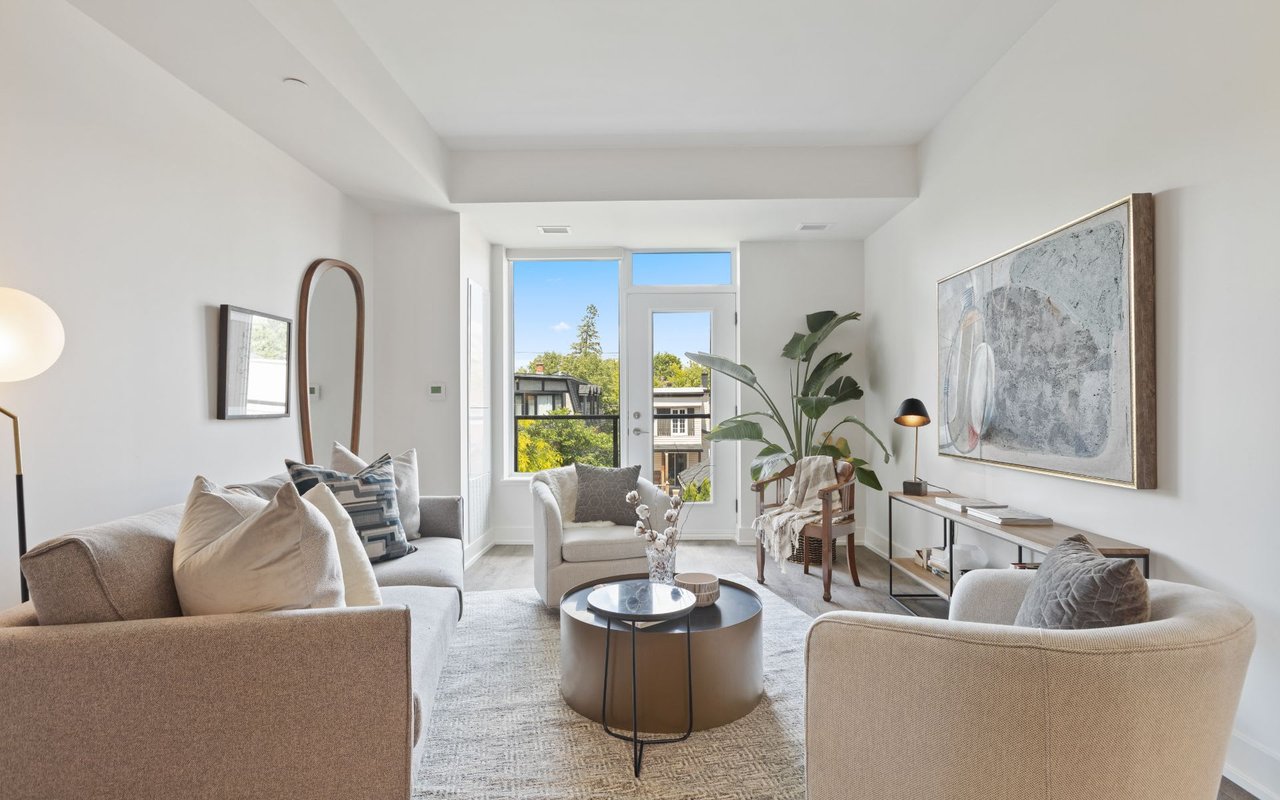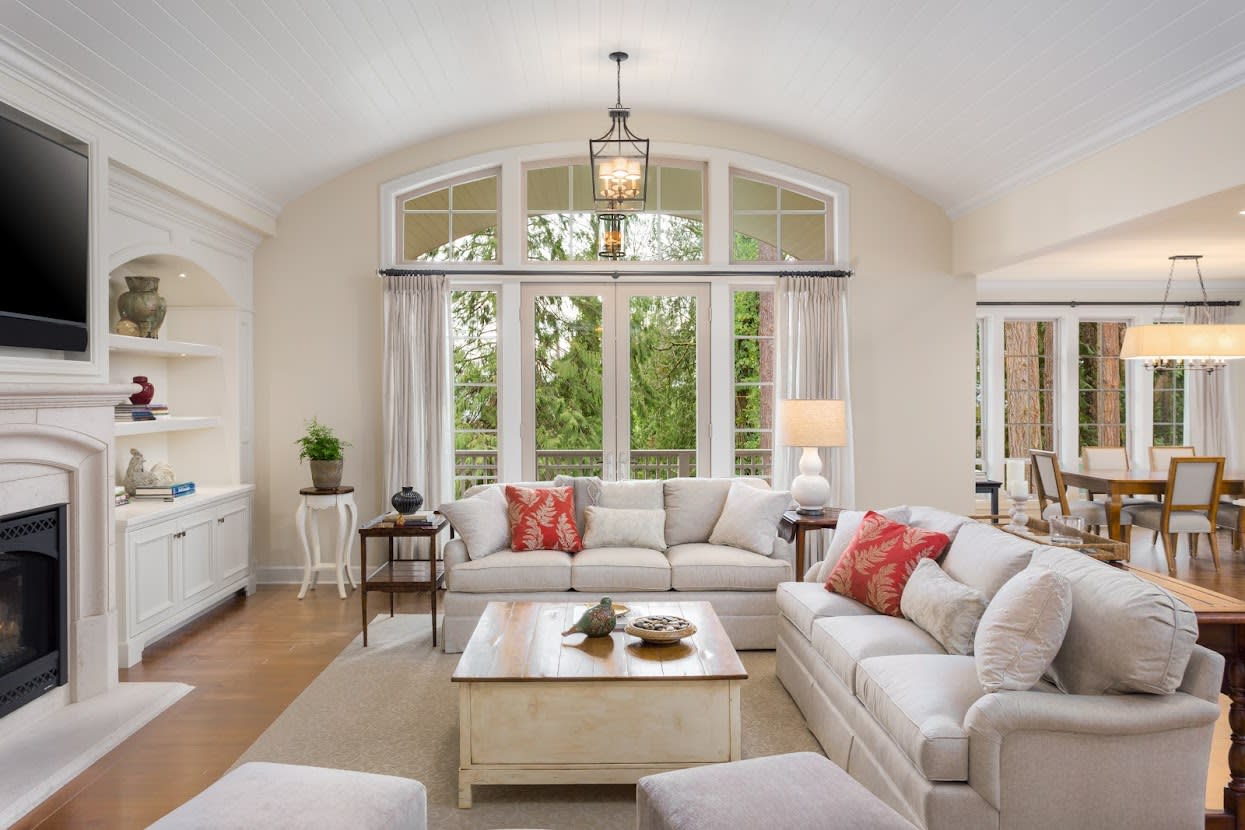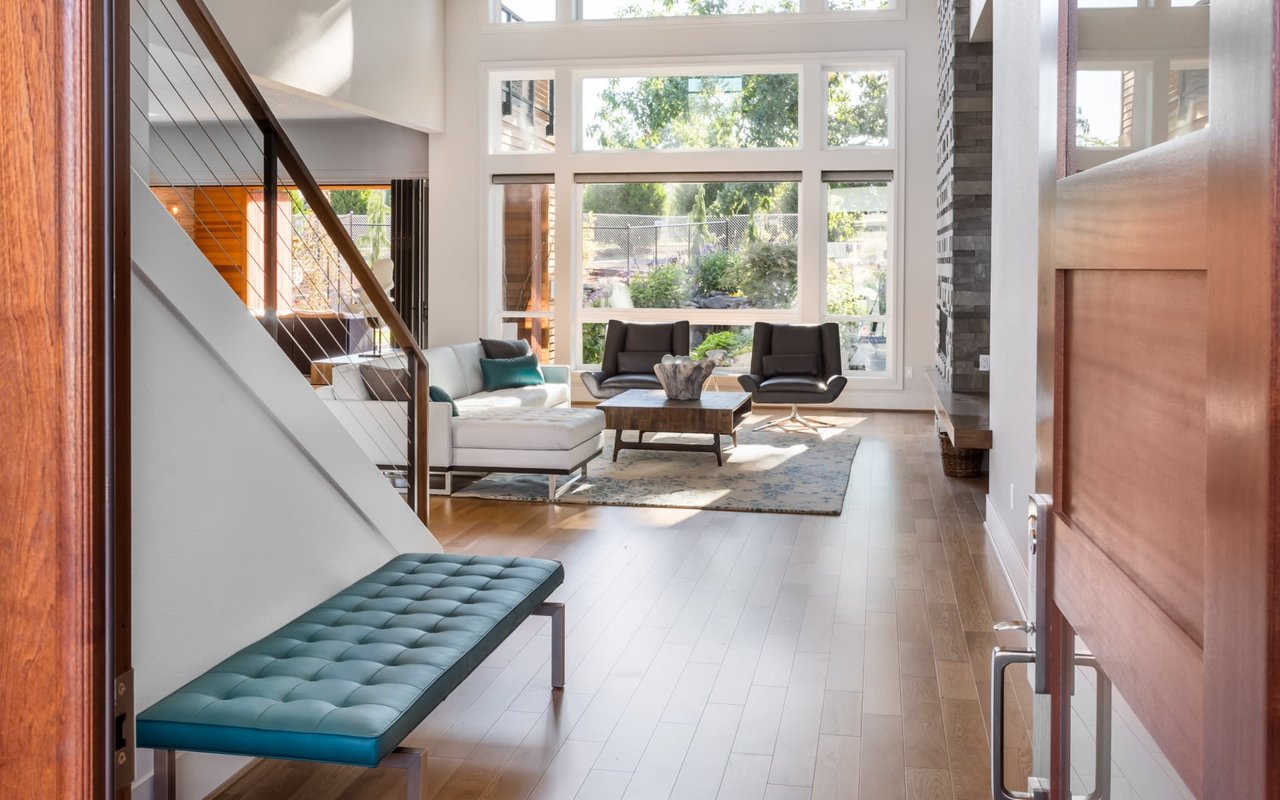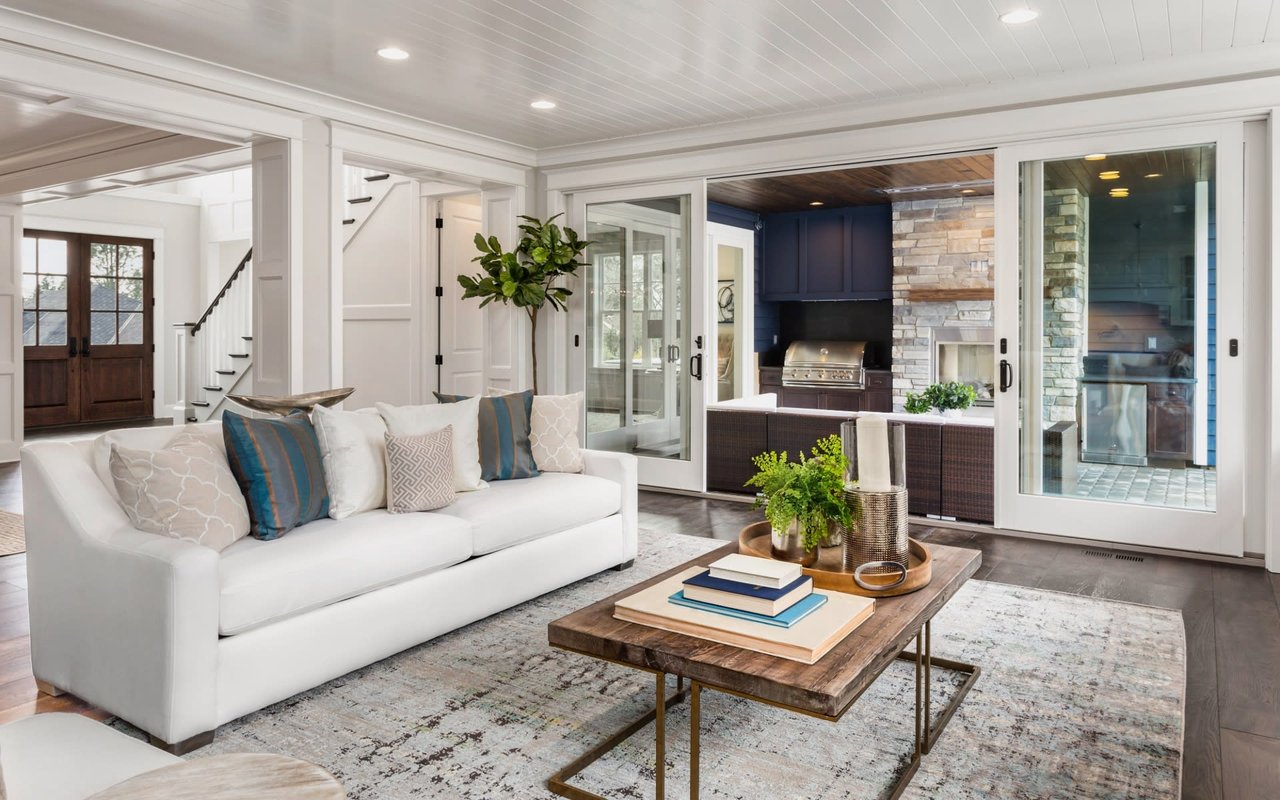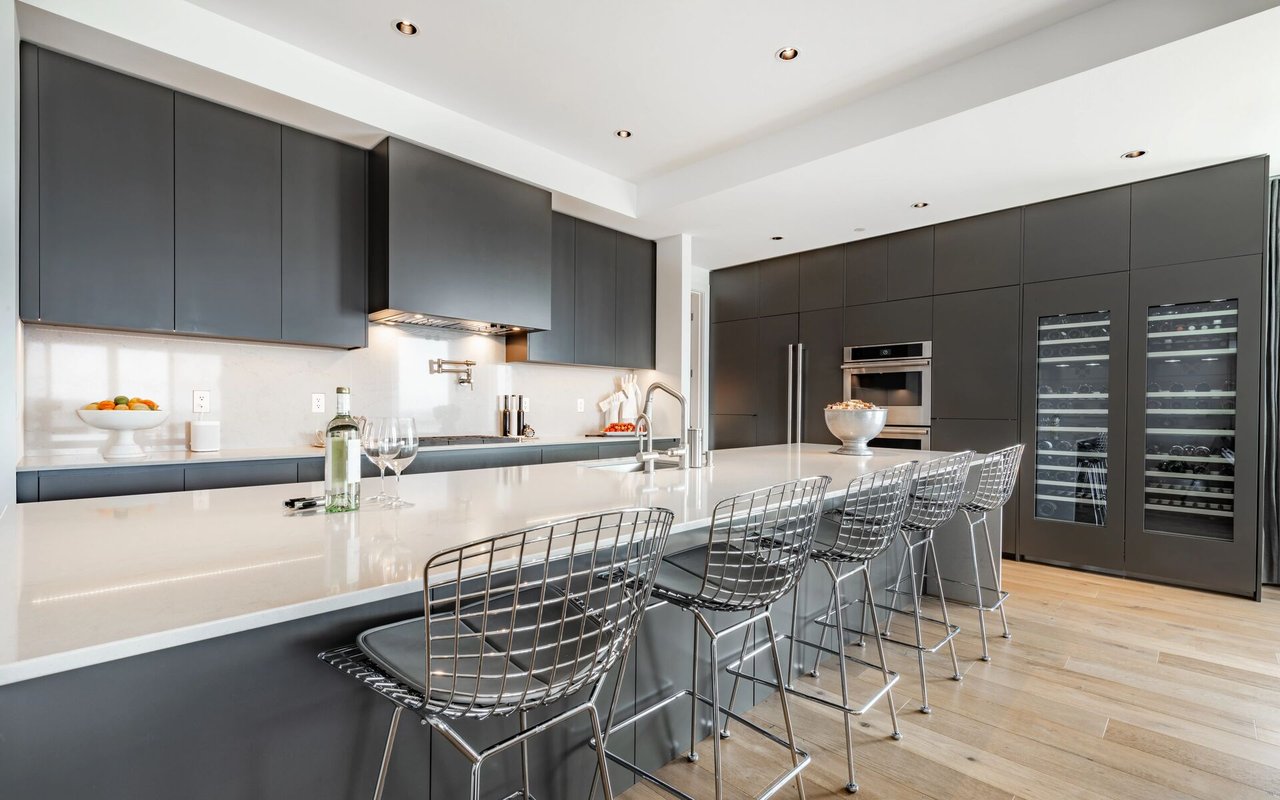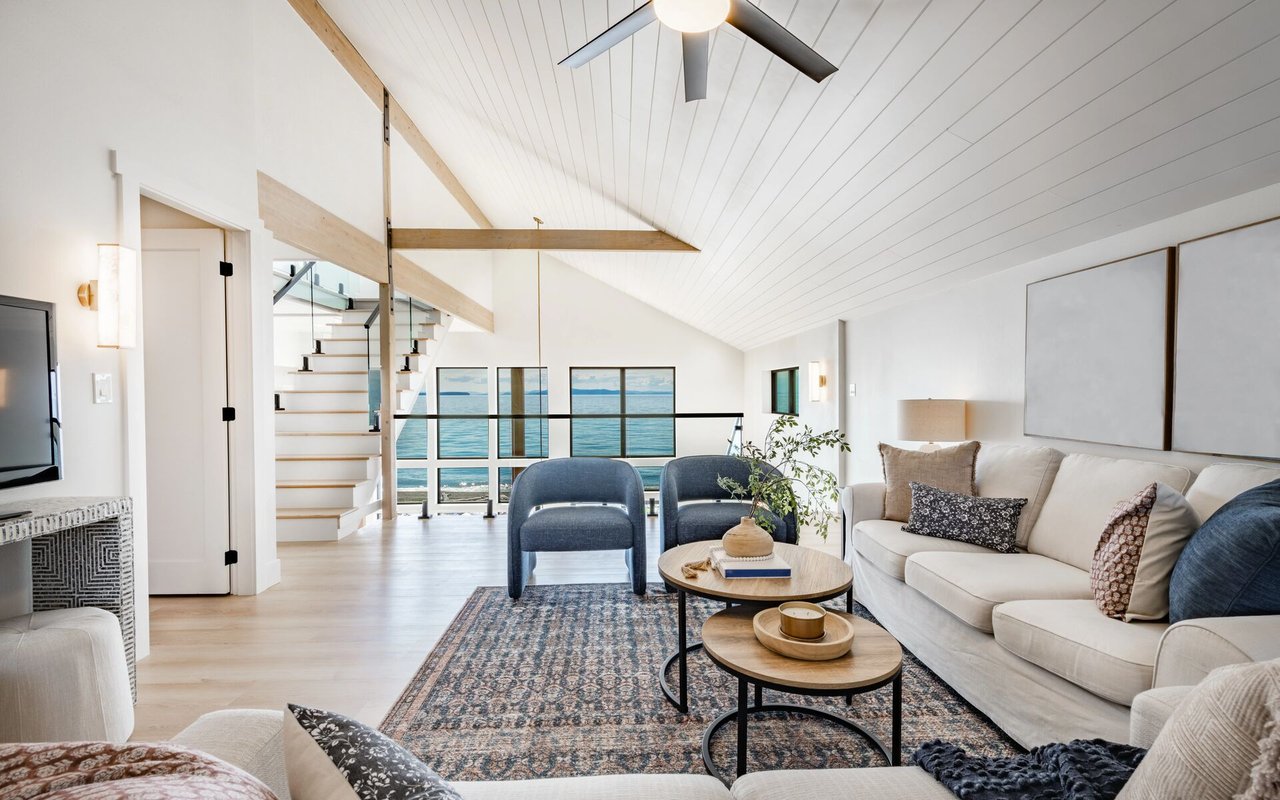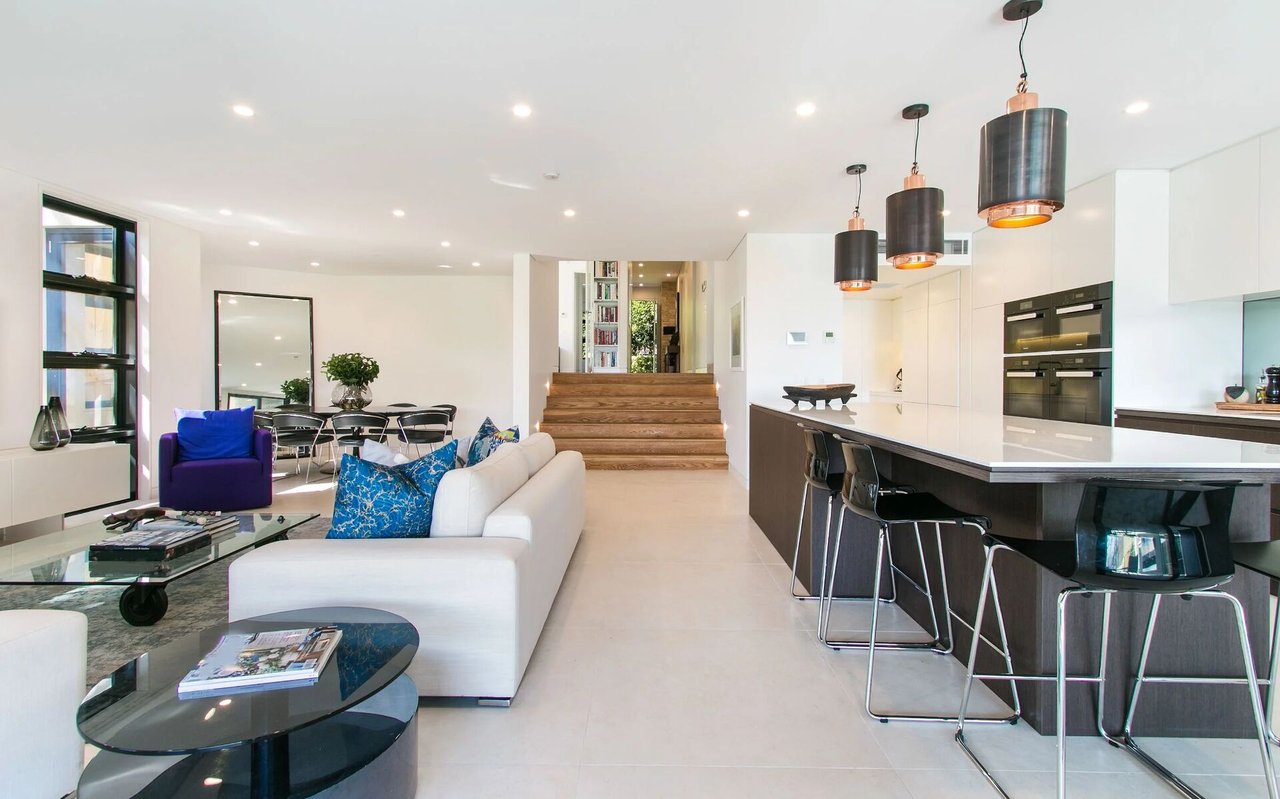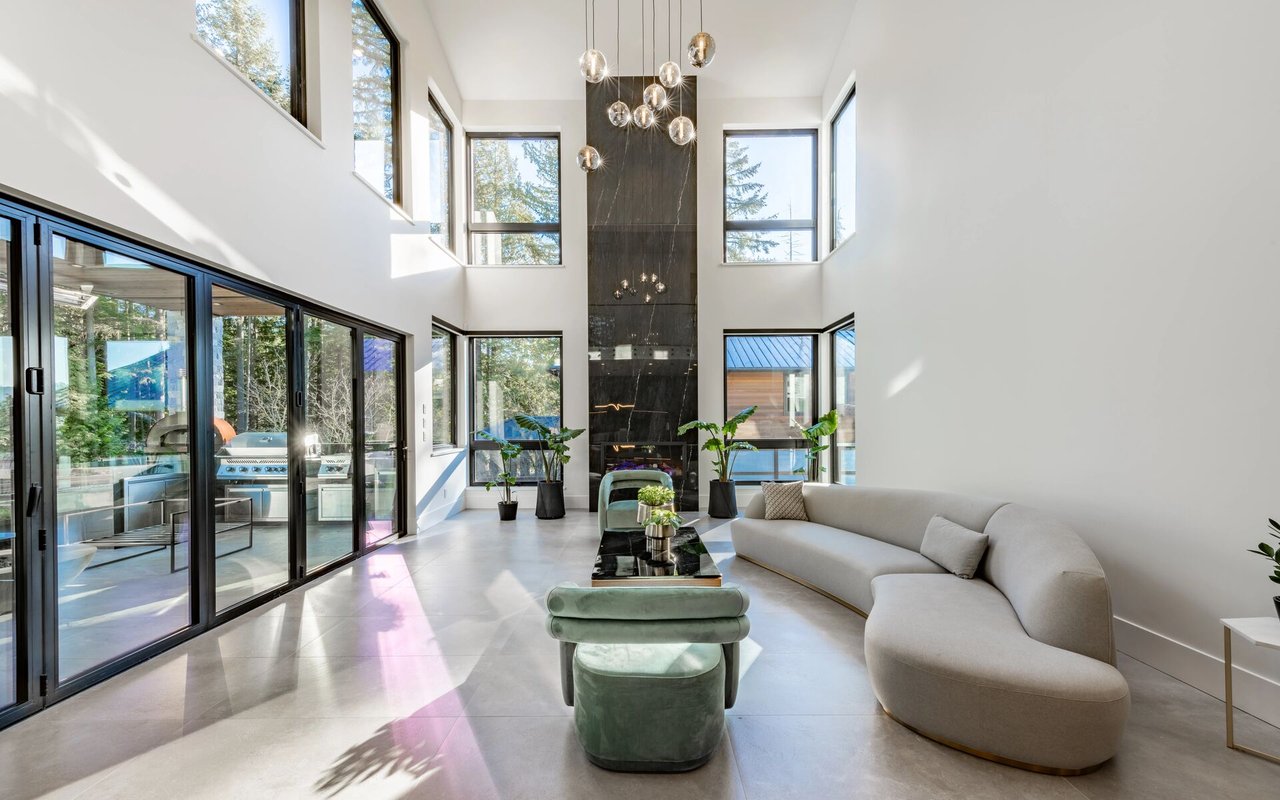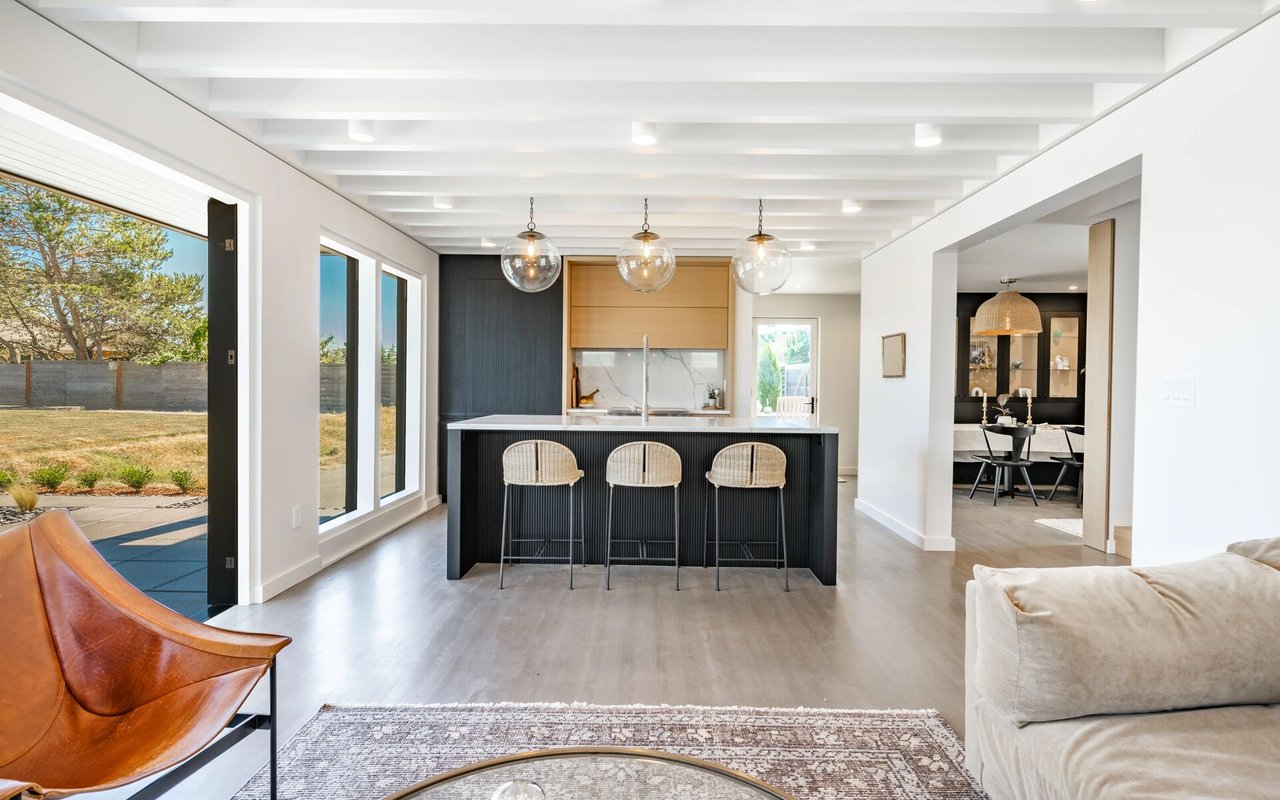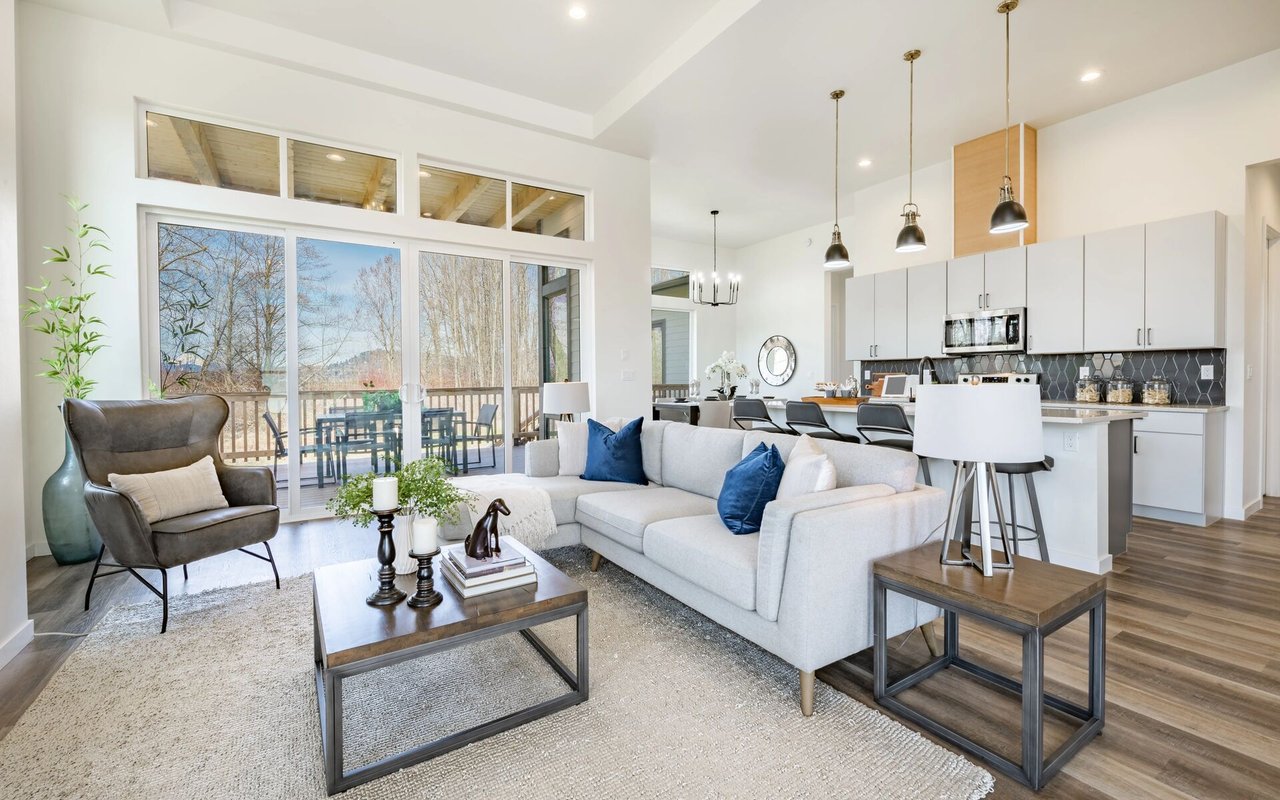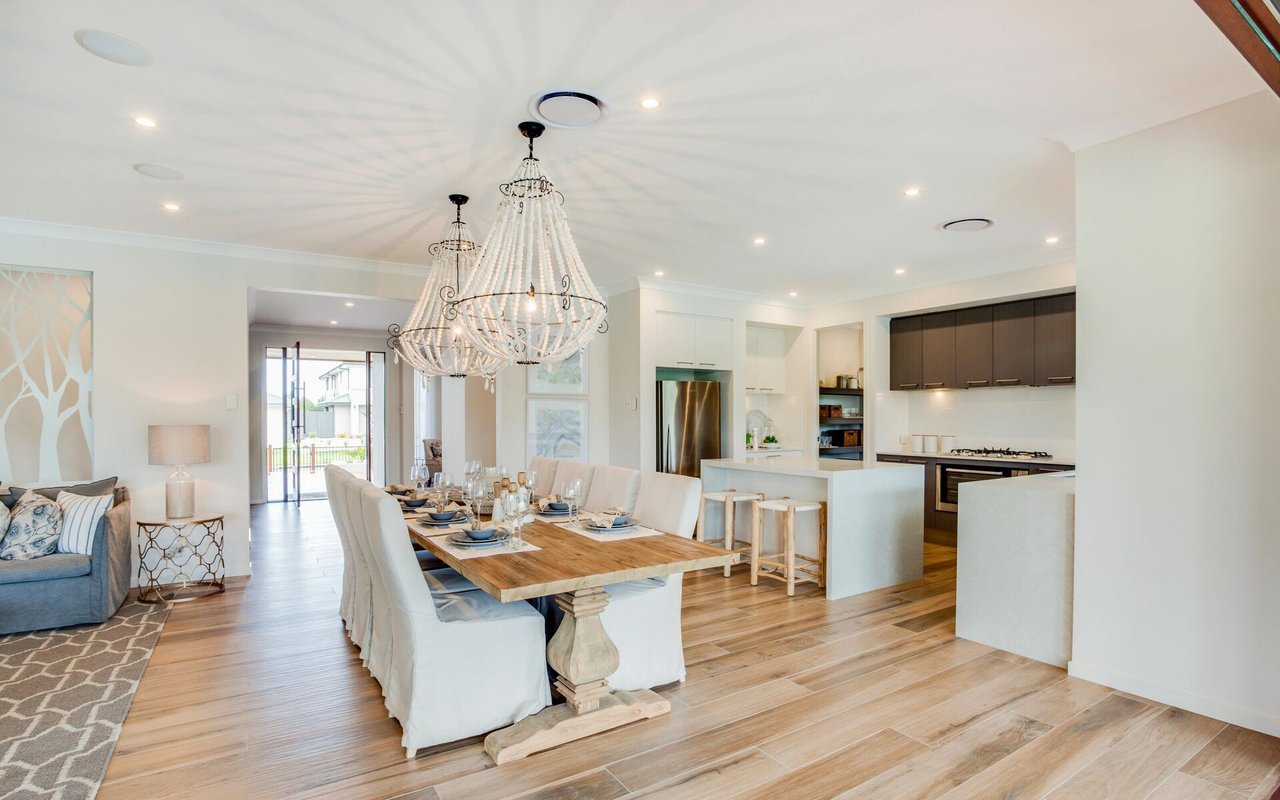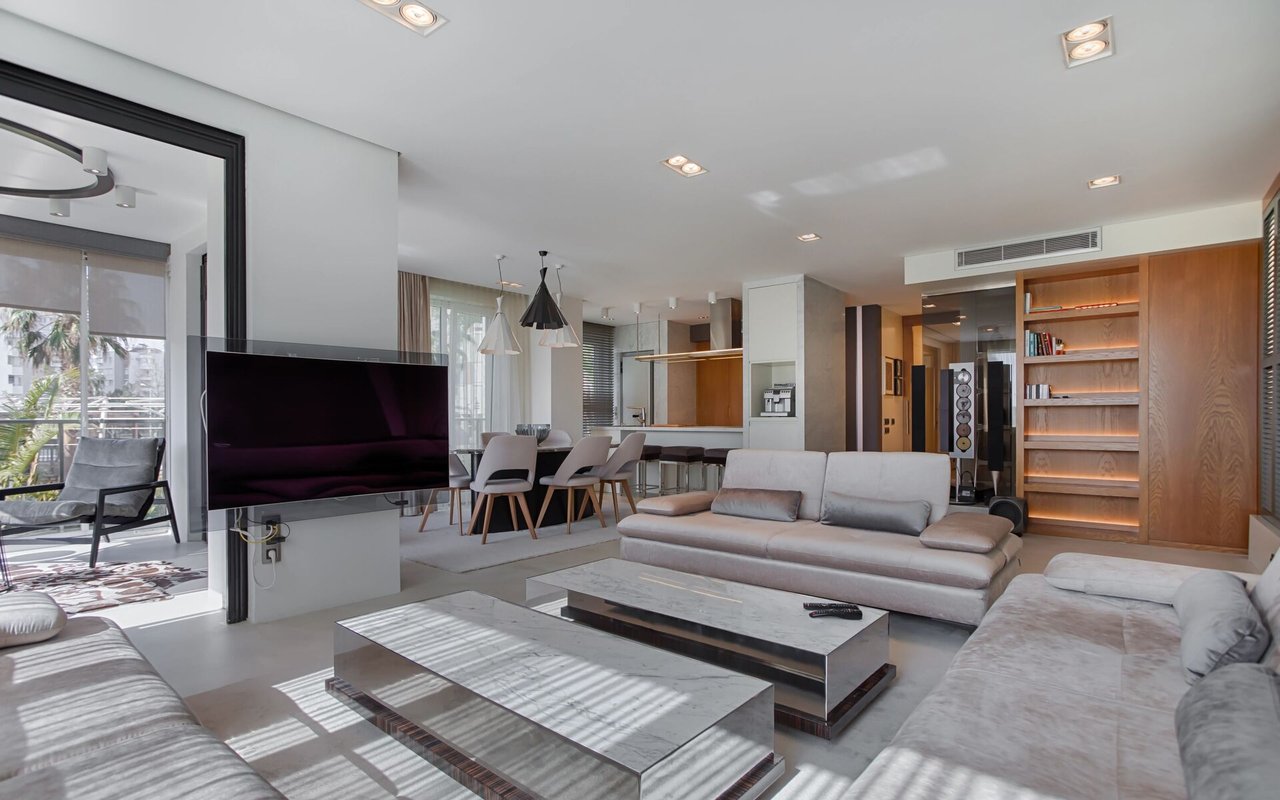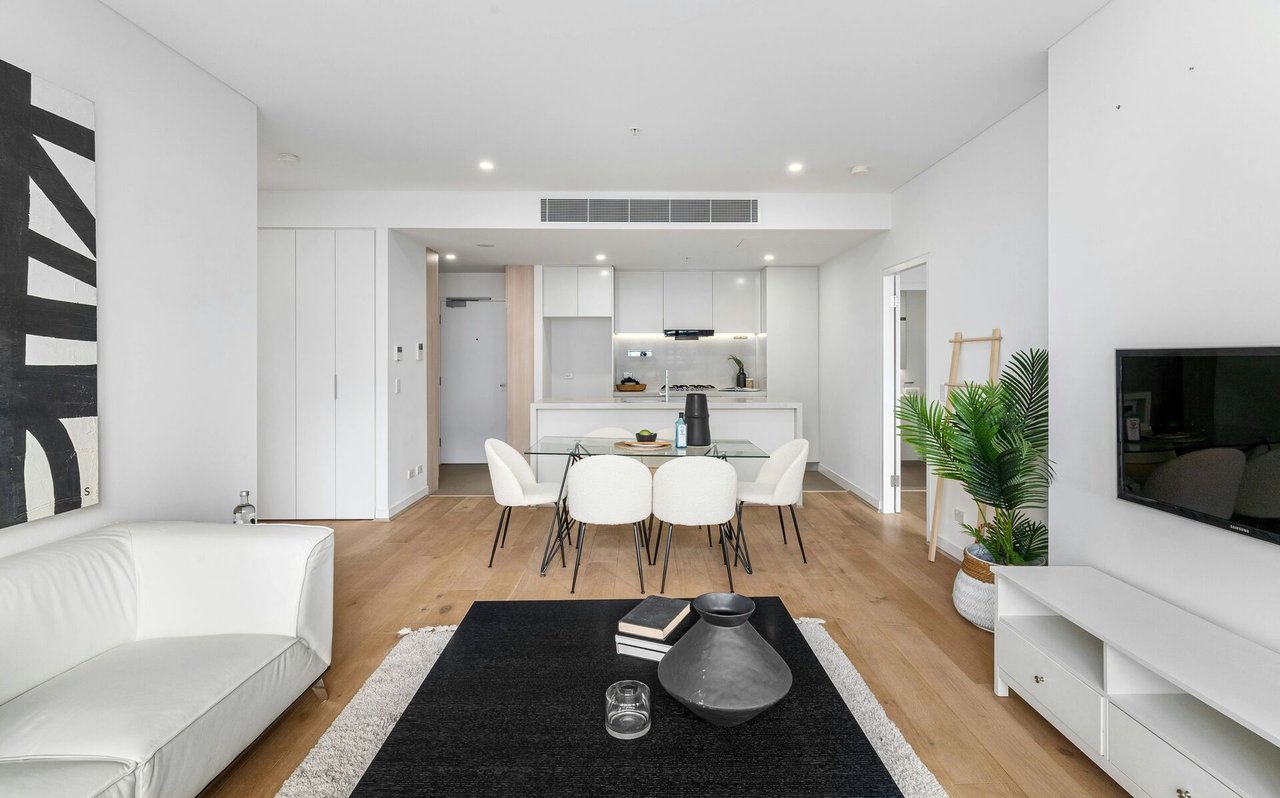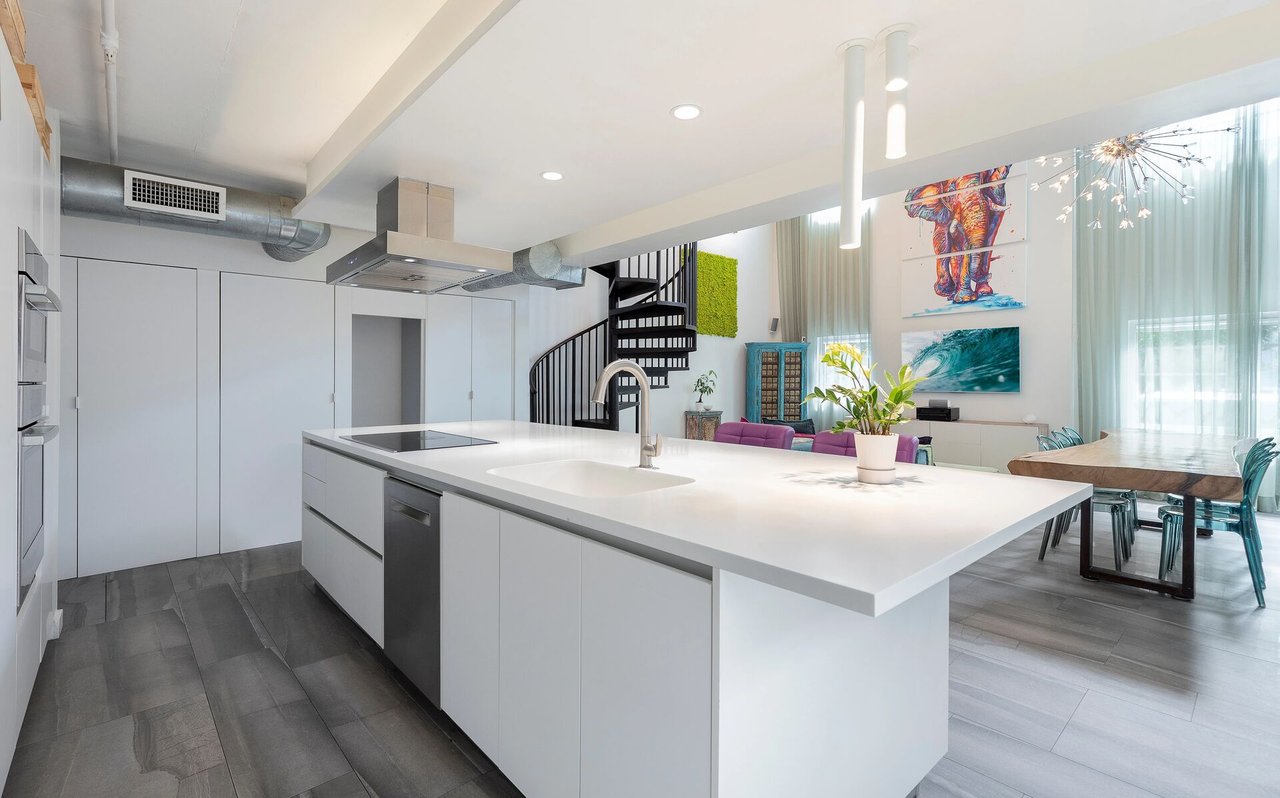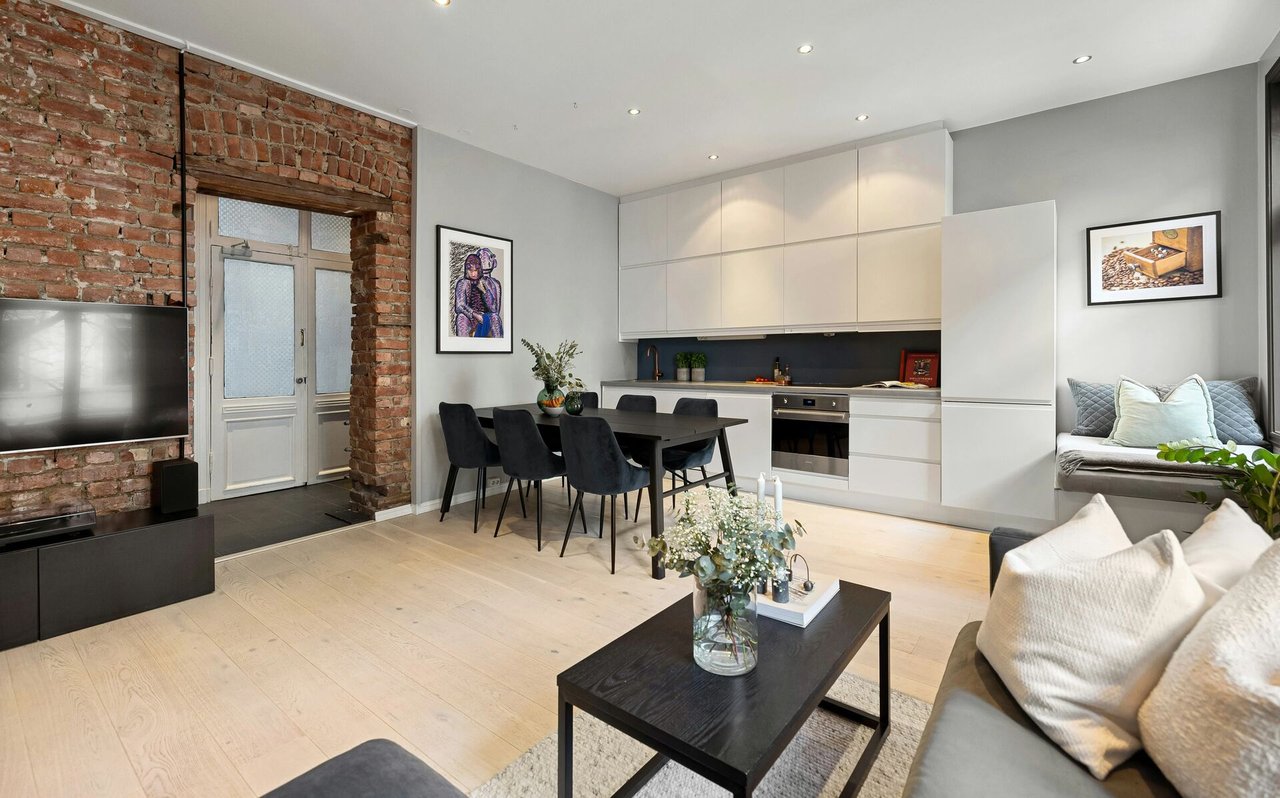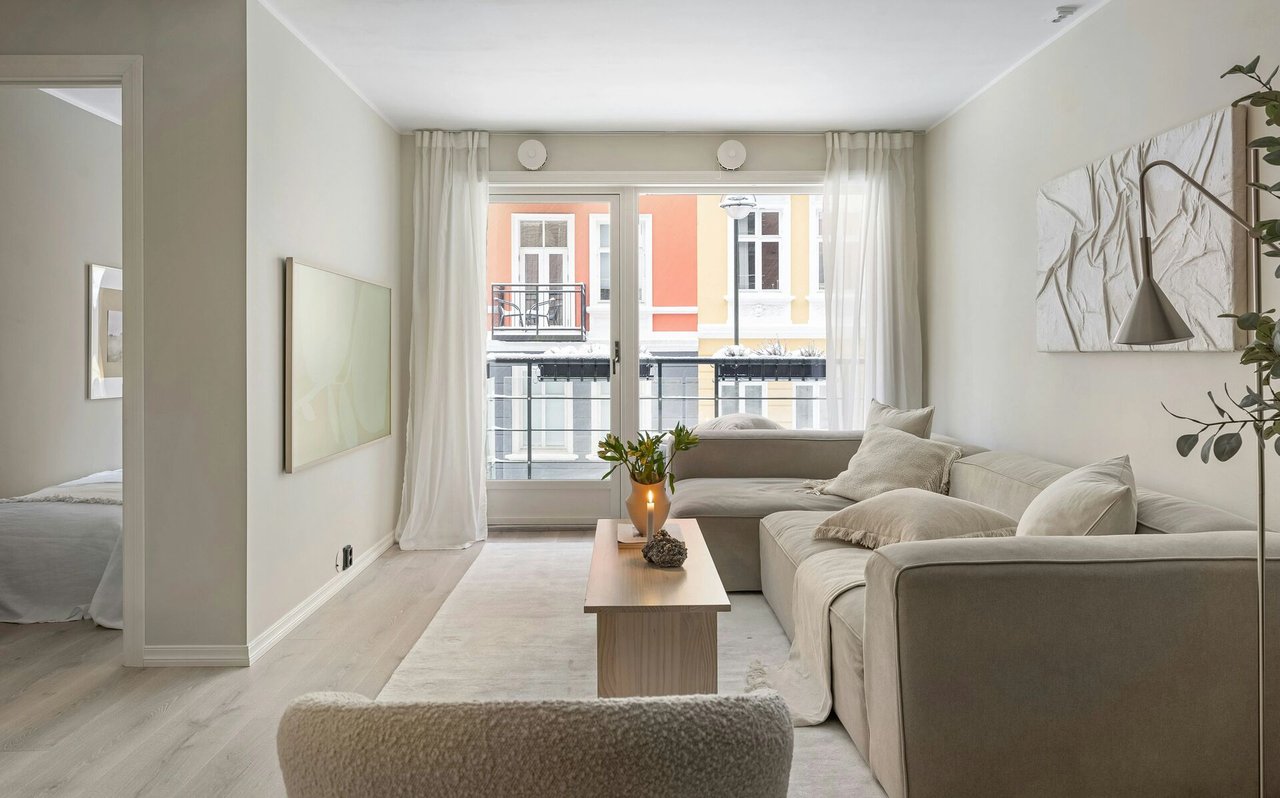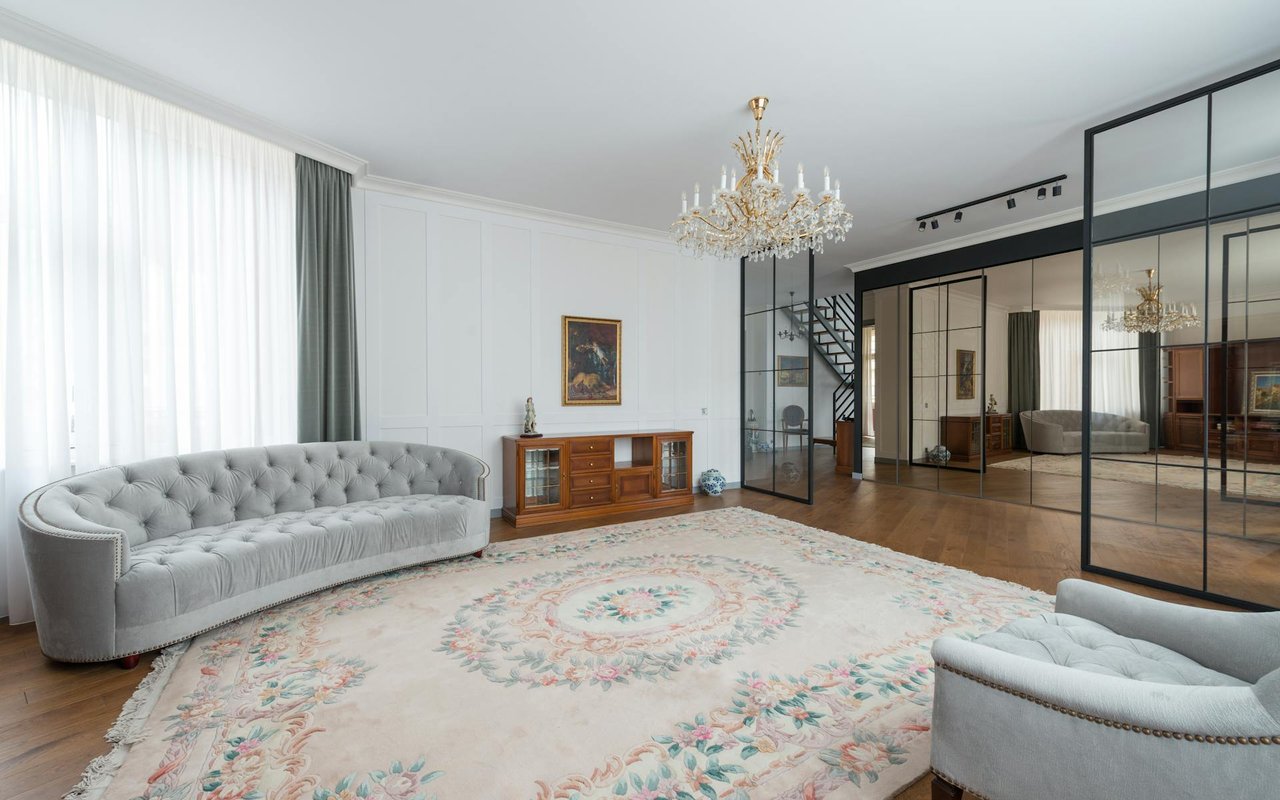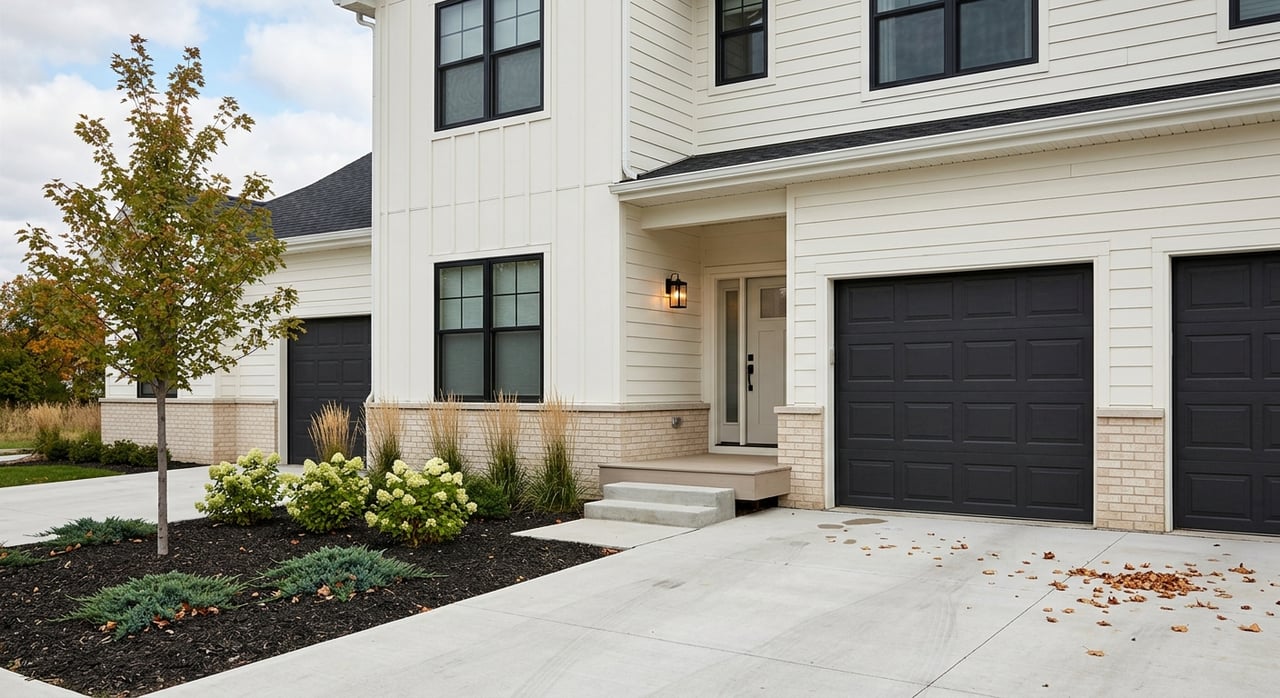
Ready for a home that gives you more freedom and less upkeep? If you love Minnetonka but feel done with constant yard work, stairs, or a house that no longer fits your day-to-day life, you are not alone. Downsizing here is often less about leaving and more about choosing a home that better matches how you want to live now. This guide will help you understand what low-maintenance living looks like in Minnetonka, what to compare before you buy, and how to make a smart move with confidence. Let’s dive in.
Why Minnetonka Works for Downsizers
Minnetonka offers a lot for people who want to stay rooted while simplifying. The city is a fully developed suburb about eight miles west of Minneapolis, with more than 53,000 residents, more than 50 parks and open spaces, and more than 100 miles of trails. If you enjoy familiar routines, nearby services, and outdoor access, that combination can make a rightsizing move feel practical instead of disruptive.
Minnetonka is also largely built out, which shapes the housing market in an important way. The city says there is limited vacant land for new housing, so lower-maintenance options often come through infill and redevelopment rather than large waves of brand-new construction. In other words, you can downsize in Minnetonka, but the best-fit options may be selective rather than abundant.
What Low-Maintenance Living Means Here
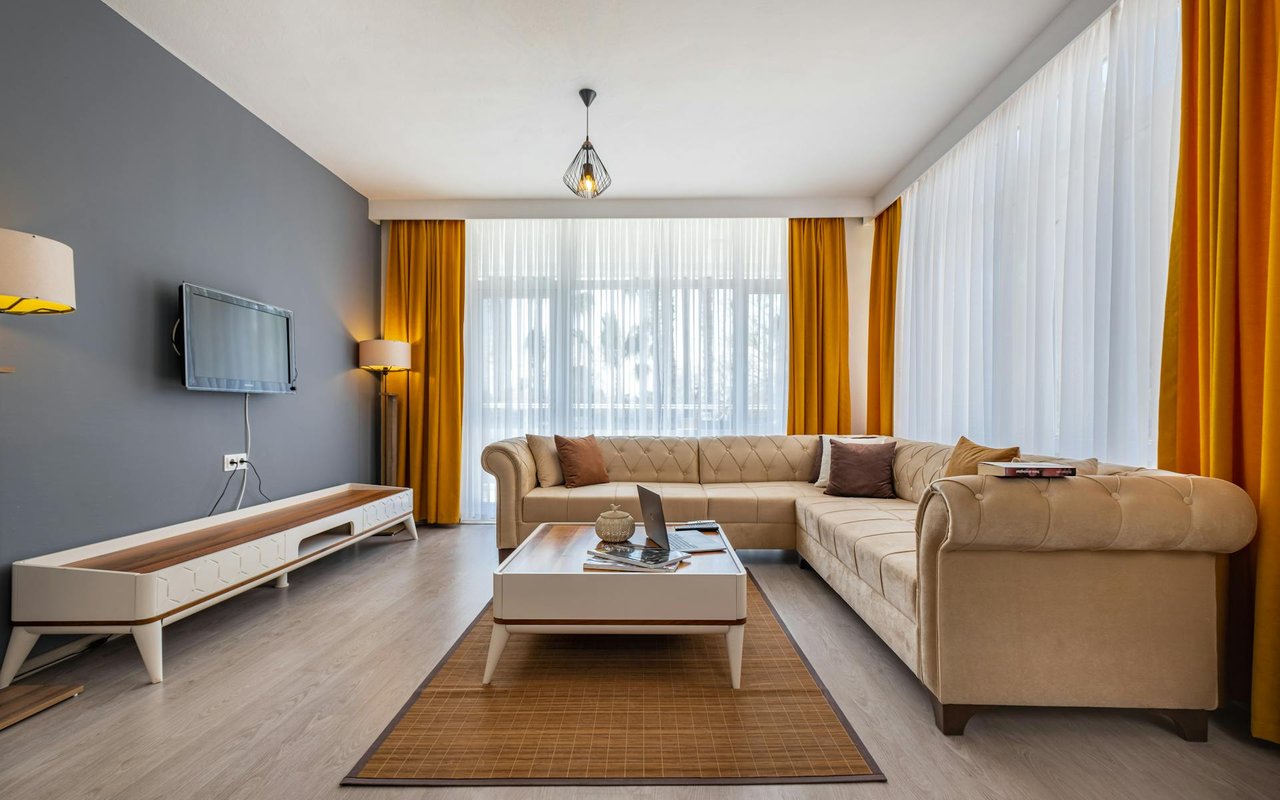
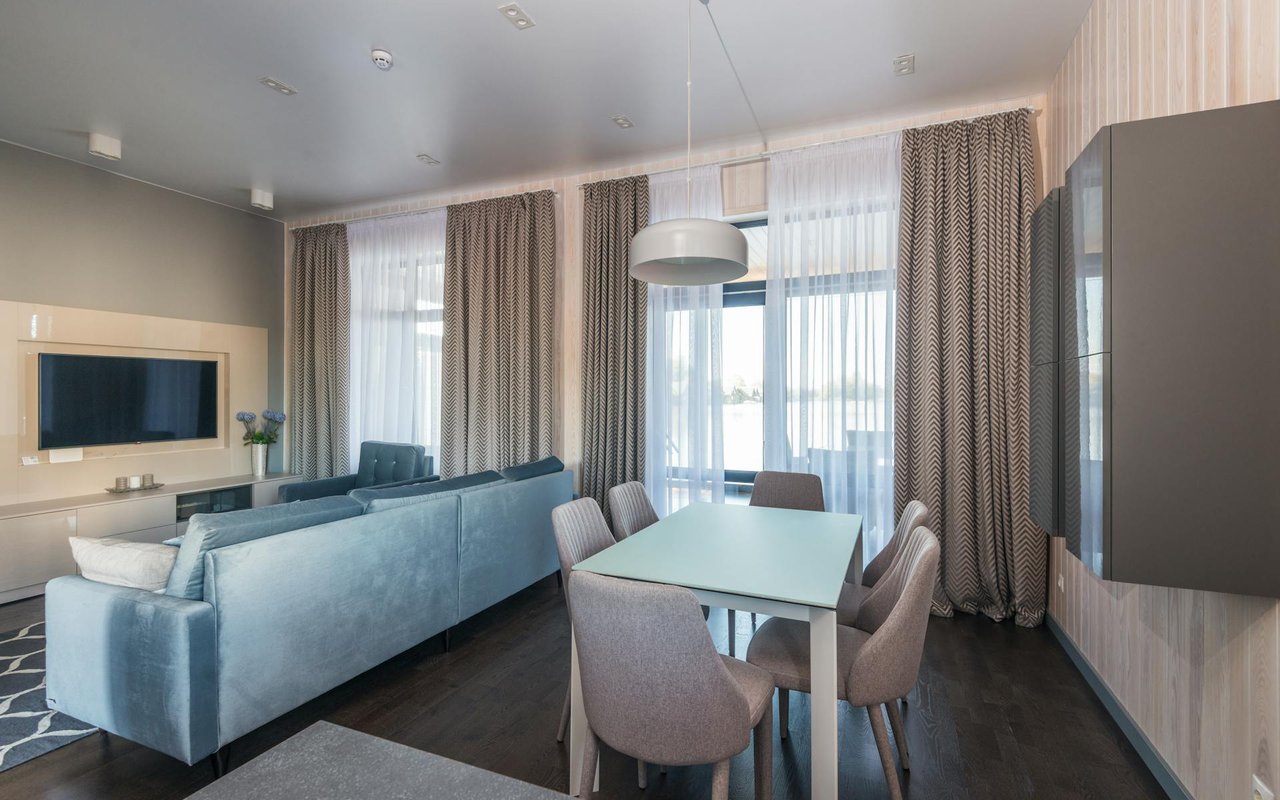
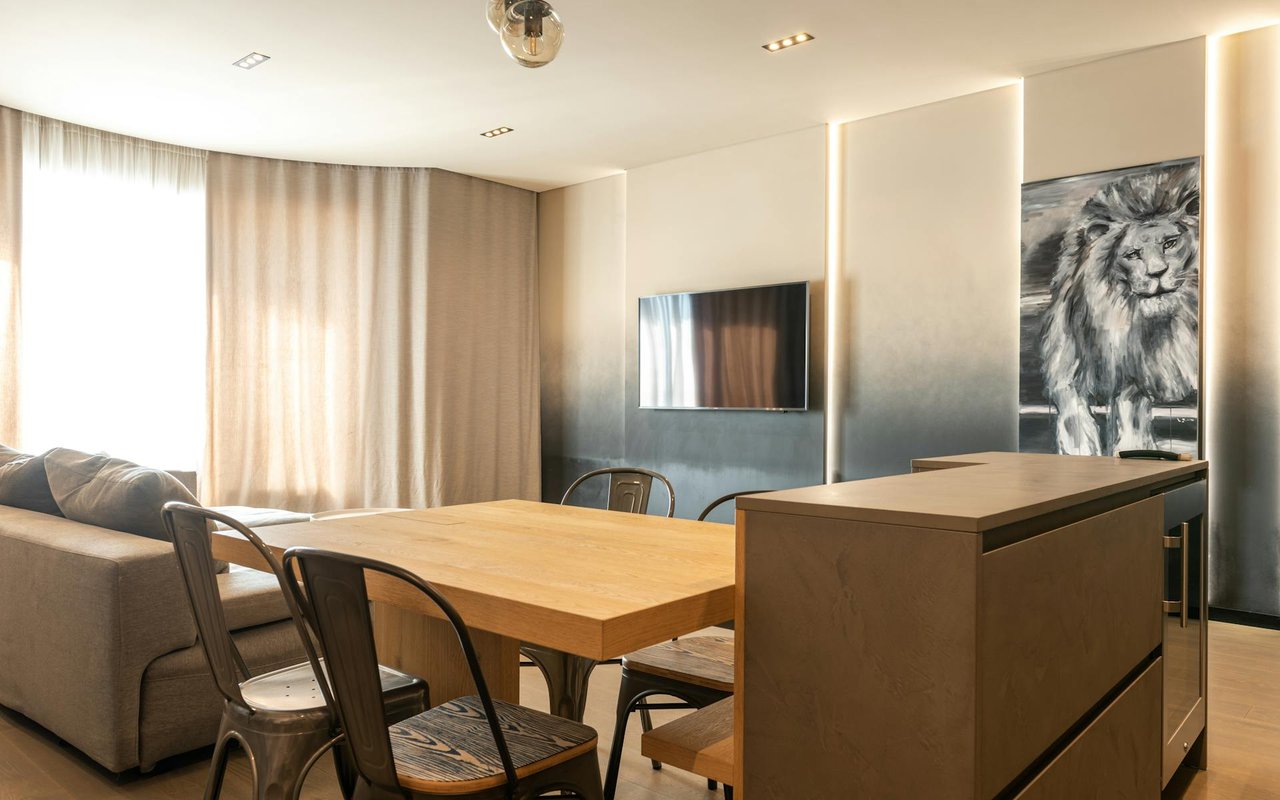
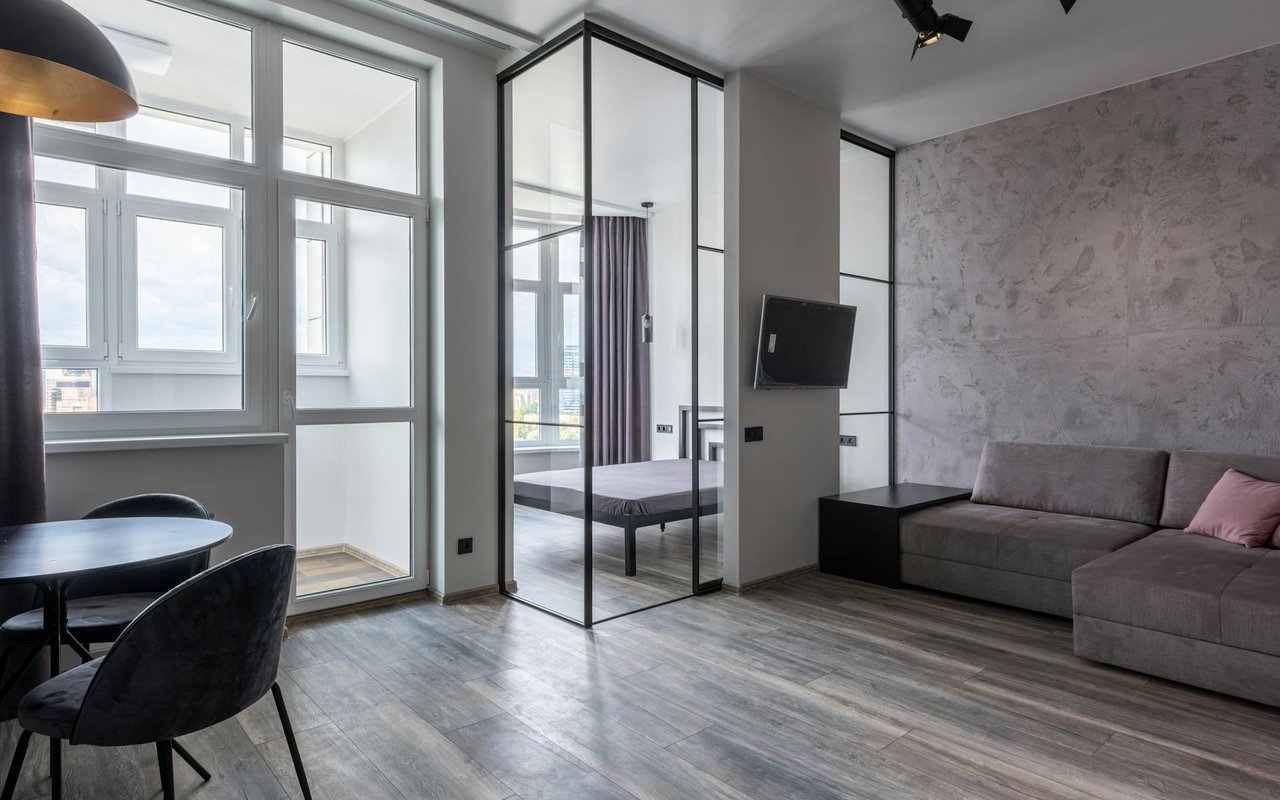
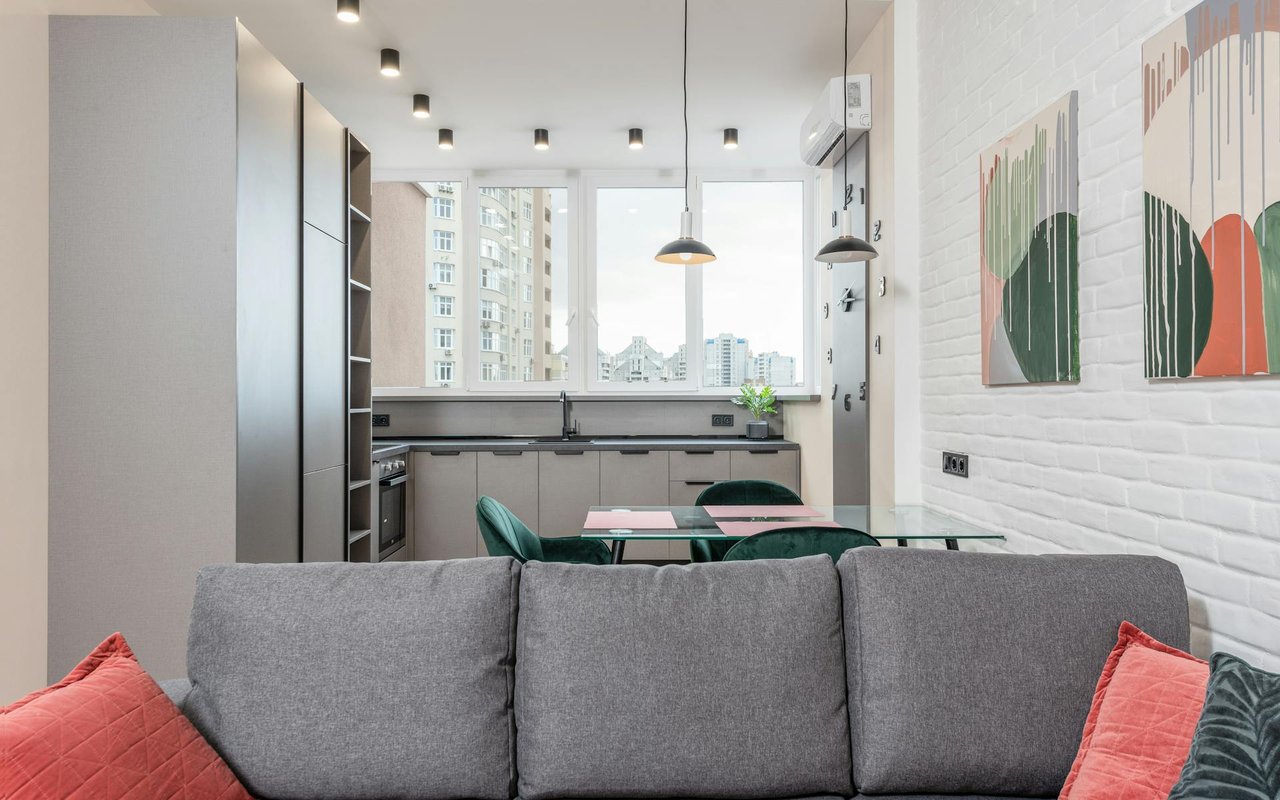
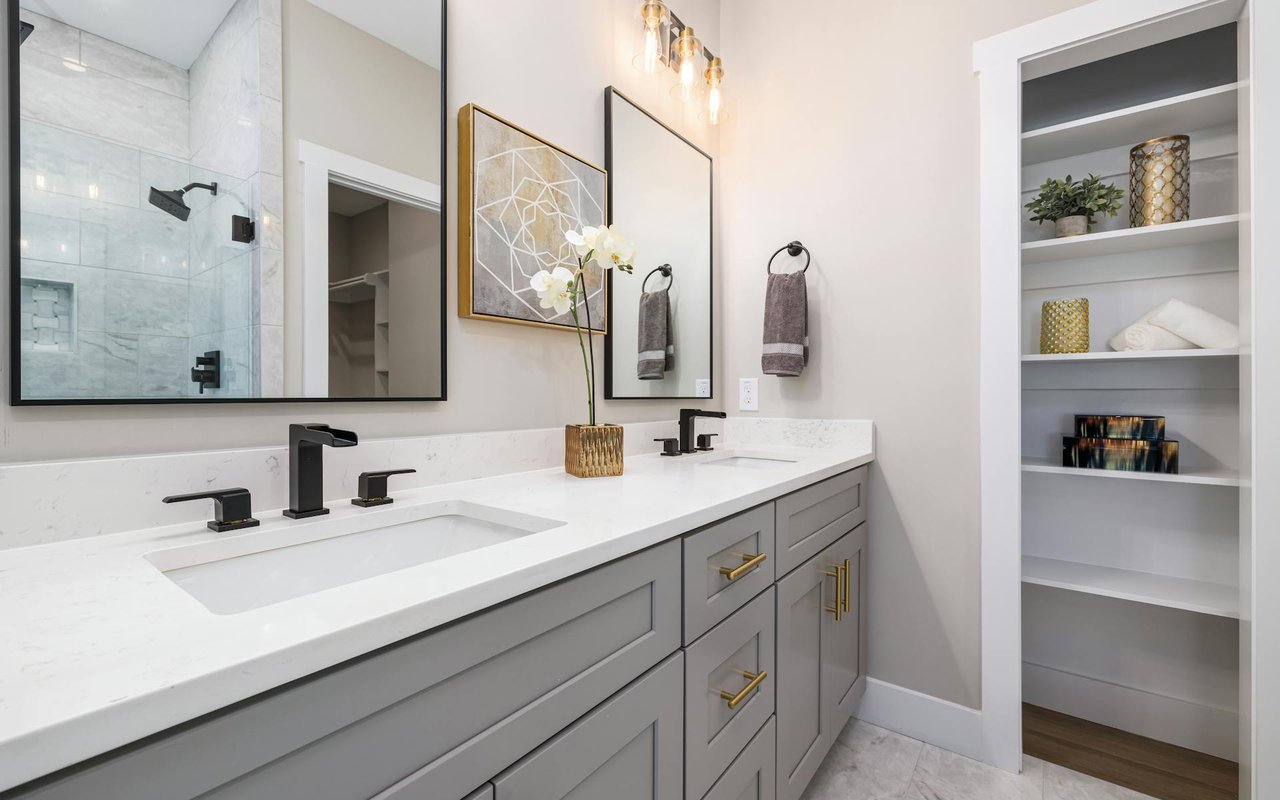
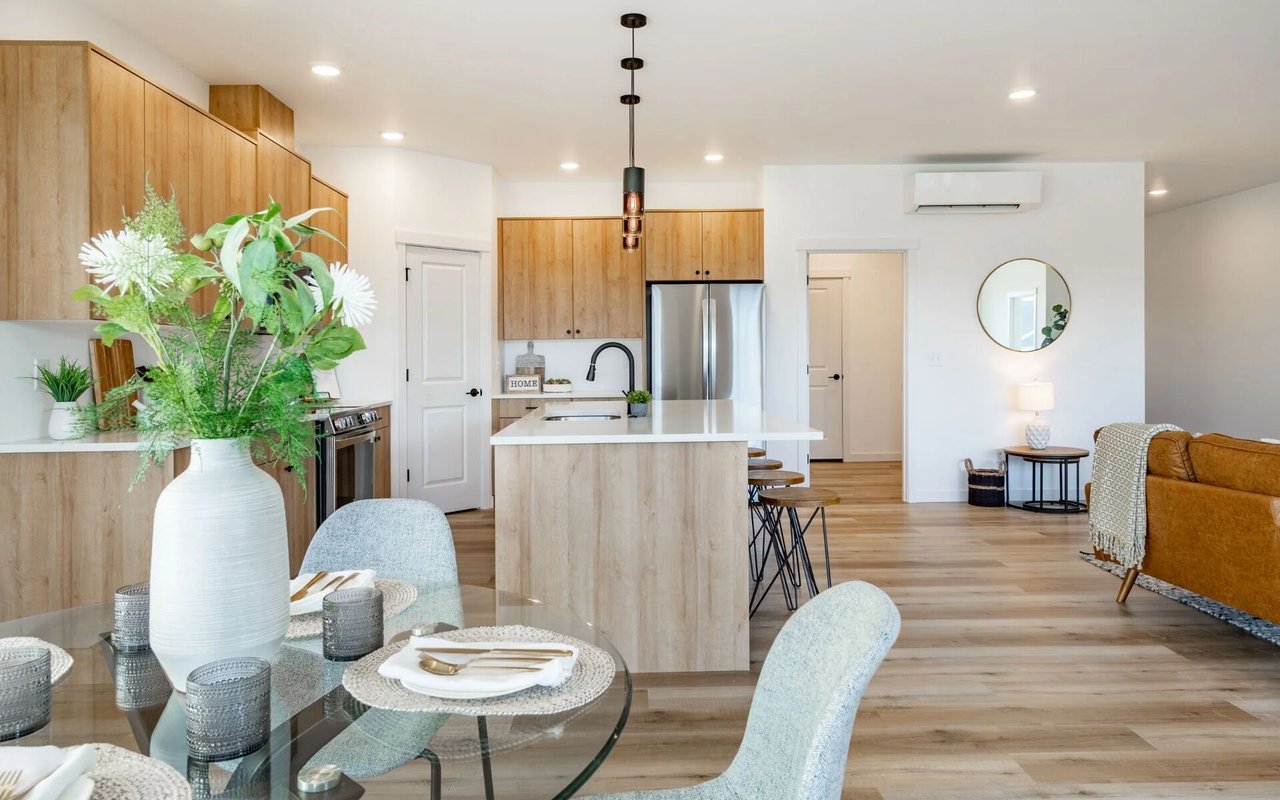
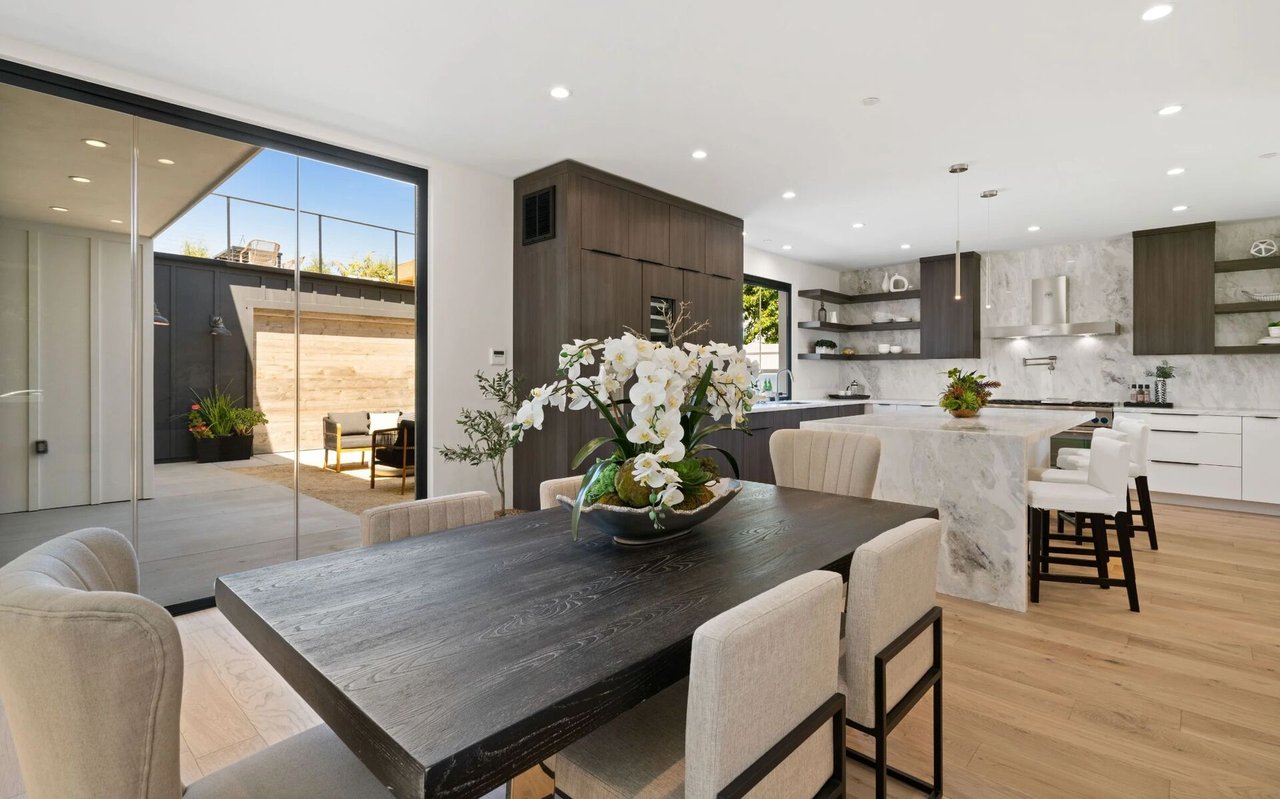
In Minnetonka, low-maintenance living usually means attached housing rather than a detached home with a big yard. The city points to condos, townhomes, age-restricted co-ops, and active senior rental housing as practical options for people who want to age in place or reduce upkeep. For many empty nesters, that means staying in the community while giving up mowing, snow removal, and some exterior maintenance.
That does not mean a smaller detached house is off the table. But a smaller home is not automatically a lower-maintenance home. Minnetonka’s housing planning documents note that older homes often need updates and ongoing work to remain safe, accessible, energy efficient, and habitable, so the details matter.
Best Housing Types to Consider
Condos
A condo can be a strong fit if your goal is to simplify as much as possible. In many condo communities, owners share responsibility for common areas, and the association typically handles items like exterior maintenance, roofs, hallways, landscaping, or amenities. That setup can reduce hands-on chores, but it also means you need to understand dues, rules, and financial health before you buy.
Condos can also be a practical option on price. Minnetonka’s housing chapter notes that many of the more affordable for-sale homes in the city are condominiums and townhomes. If you want to stay in Minnetonka without carrying the cost and upkeep of a larger detached house, condos are worth a close look.
Townhomes
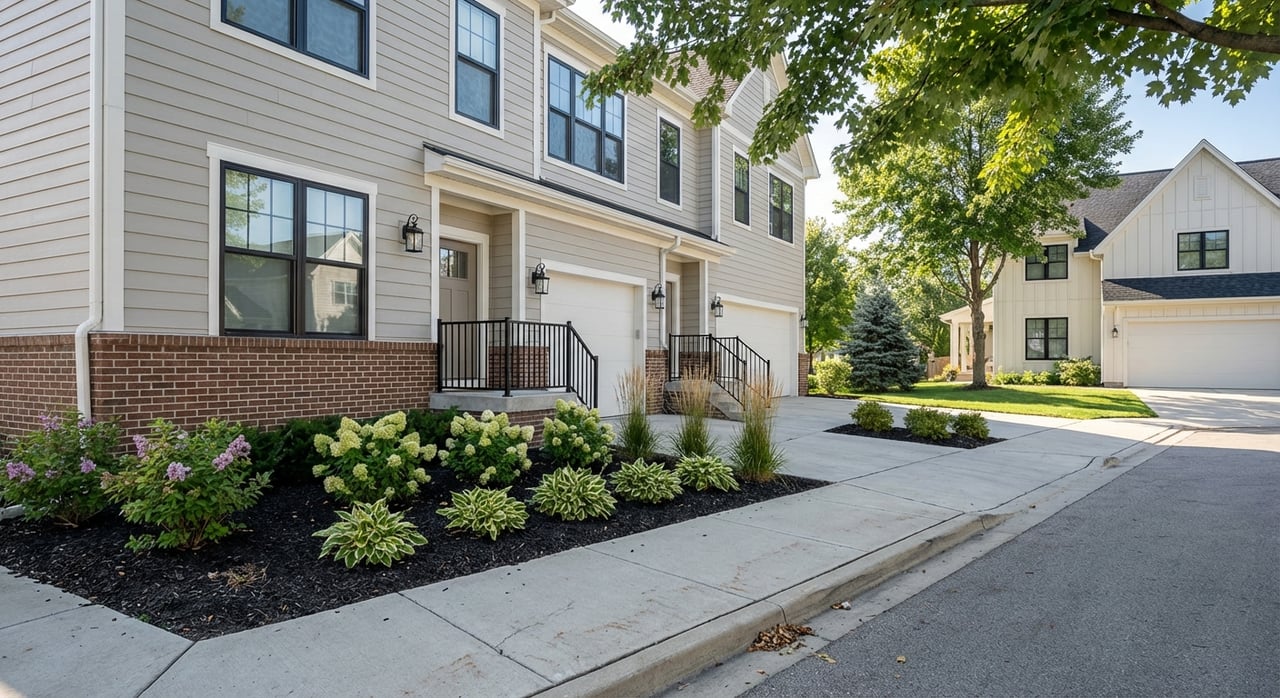
Townhomes often appeal to buyers who want some of the feel of a house with less exterior work. The Minnesota Attorney General notes that townhouse buyers generally own the ground beneath the unit, which is one difference from condo ownership. For some buyers, that ownership structure feels more familiar while still offering the convenience of shared maintenance responsibilities.
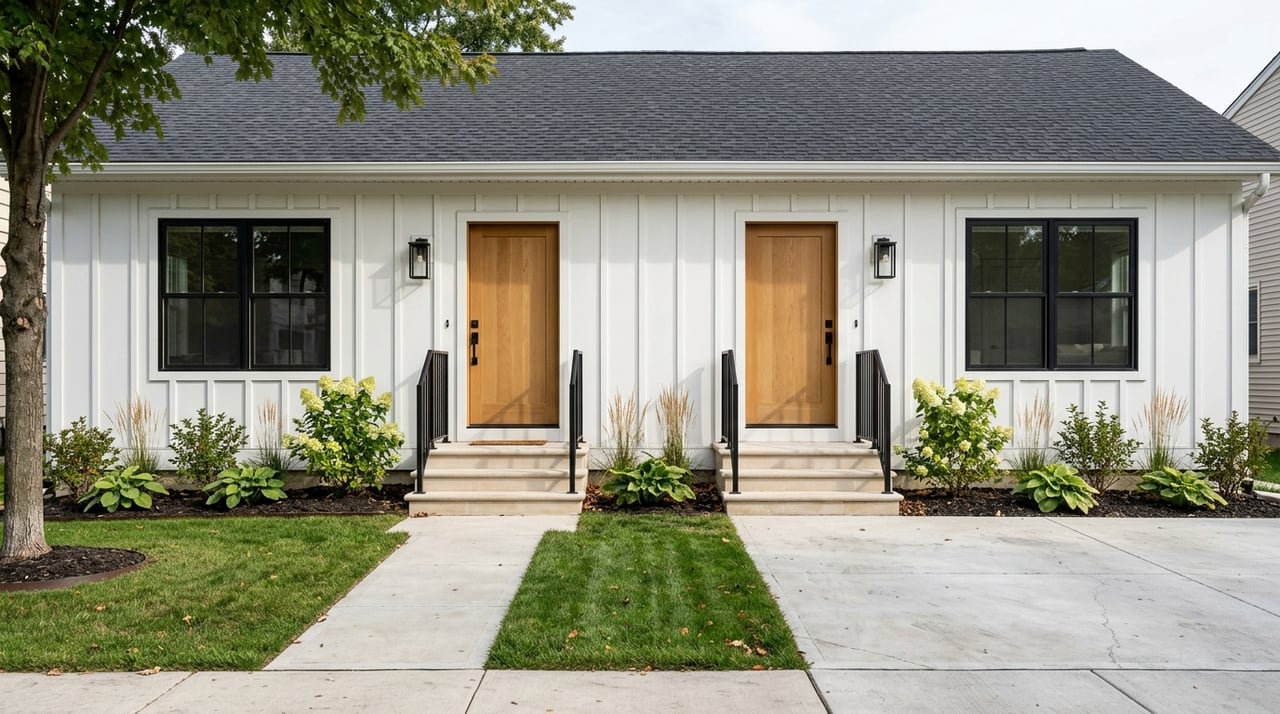
Townhomes can also give you more private-entry living, attached garages, and a simpler day-to-day routine. Still, each association is different, so it is important to verify exactly what the HOA covers and what stays on your to-do list.
Age-Restricted Co-ops and Senior Rentals
For buyers and renters focused on long-term ease, age-restricted co-ops and active senior rental housing may also fit. Minnetonka specifically identifies these housing types as part of its life-cycle housing strategy. If your top priorities are convenience, lower upkeep, and a home that supports changing needs over time, these communities deserve consideration.
Why Older Associations Need Extra Review
Many of Minnetonka’s multi-family properties were built in the 1970s and 1980s. That does not make them a poor choice, but it does mean buyers should pay close attention to maintenance history. Roofs, siding, parking surfaces, elevators, and mechanical systems may all be part of the bigger picture.
This is especially relevant in Minnetonka because the city expects growing interest in programs that help aging condo and townhome communities address deferred maintenance. That is a useful local signal. It tells you that reserve planning and repair funding are not abstract HOA issues here. They are real factors in many established communities.
What to Check Before You Buy
HOA Dues and Services
Start with the basics. Ask what the monthly dues cover and what they do not cover. In a common interest community, the HOA typically maintains common areas, enforces rules, collects dues, and manages finances, but the scope varies from one property to the next.
A lower monthly fee is not always better if it means the association is underfunded. You want a clear picture of what you are paying for and whether that payment is truly reducing your workload.
Reserve Funds and Planned Repairs
Reserve strength matters. In Minnesota, owners in common interest communities can face special assessments if dues do not cover major repairs or emergency costs. That is why reviewing the association’s finances is a key part of the decision, not a side detail.
Ask whether reserve accounts are funded, whether major improvements are planned, and whether recent repairs have already been completed. For older Minnetonka communities, this review can tell you a lot about future costs and peace of mind.
Rules That Affect Daily Life
Low-maintenance living should still feel comfortable. Before buying, read the declaration, bylaws, and rules carefully. The Minnesota Attorney General advises buyers to review restrictions related to pets, guest parking, noise, and renting because these policies can shape your experience more than you might expect.
What feels minor during a tour can feel much bigger after closing. A community that fits your lifestyle on paper and in practice is the goal.
Parking and Storage
Parking and storage are easy to overlook until move-in day. If you have a second car, bikes, seasonal gear, or visiting family, confirm garage dimensions, assigned spaces, visitor parking rules, and any storage restrictions in common areas, balconies, or hallways.
These details are not standard across communities. In a low-maintenance move, convenience often comes down to these everyday features, not just square footage.
Accessibility and Long-Term Fit
If this move is meant to last, think beyond what works today. Check the entry, hallways, common areas, elevators, and unit layout to see whether they support long-term mobility and ease of use. Minnetonka’s housing policy resources highlight accessibility requirements and reasonable accommodation rights, which makes this a smart issue to evaluate early.
A beautiful home that becomes difficult to use in a few years may not be the right downsizing move. The best low-maintenance home supports both convenience now and flexibility later.
Think About Location Differently
Minnetonka is not centered around one single downtown-style core. Its appeal is more spread out, with strong trail access, parks, and connected community pockets. The city maintains more than 100 miles of trails, and the Lake Minnetonka Regional Trail passes through Minnetonka as part of a 15.8-mile route between Hopkins and Carver Park Reserve.
If your goal is to drive less, location matters just as much as the home itself. A property near trail connections, retail nodes, or transit may make daily life easier than one tucked deep into a purely residential area.
Transit Access Can Help
For some downsizers, fewer car trips is part of the plan. Minnetonka’s Plymouth Road Transit Center offers 111 surface parking spaces, bike lockers, and service on Routes 645, 652, 672, and 677. If having transportation options matters to you, nearby access can be a real advantage.
Should You Stay in Minnetonka or Look Nearby?
Staying in Minnetonka makes sense if you want a familiar suburb with a mature housing market, strong trail access, and selective lower-maintenance options. It is especially appealing if your routines, relationships, or preferred services are already nearby. For many buyers, that continuity is a major part of the value.
That said, some downsizers compare Minnetonka with nearby west-metro communities to find the right fit. Hopkins often appeals to buyers who want more urban-style walkability. St. Louis Park can offer a more connected, inner-ring feel. Plymouth and Eden Prairie may suit buyers who still want a suburban setting but are open to a different layout or inventory mix.
The right answer depends on what low-maintenance means to you. If it means familiar surroundings and trail access, Minnetonka may be the best match. If it means a more walkable pattern of daily life, it may be worth comparing nearby options too.
A Smart Downsizing Plan
A successful downsizing move usually starts with clarity, not square footage. Before you begin touring homes, it helps to define what you want your next chapter to feel like.
Use this short checklist to stay focused:
- Decide which chores you want to eliminate
- Set a monthly housing budget that includes dues
- Review parking, storage, and guest access needs
- Ask for HOA documents and financials early
- Compare current convenience with long-term accessibility
- Consider how much driving you want to do each week
When you know your priorities, it becomes much easier to spot the right fit and avoid homes that only seem simple at first glance.
If you are thinking about downsizing in Minnetonka, the key is to look past the label of condo, townhome, or smaller house and focus on the full picture. In a built-out city with older housing stock and selective low-maintenance inventory, the smartest move is the one that balances ease, cost, location, and long-term comfort. When you evaluate each option carefully, you can simplify your life without giving up the parts of Minnetonka you still love.
If you want help comparing low-maintenance options in Minnetonka or planning the sale of your current home, connect with Huerkamp Home Group. Their team can help you build a practical, data-driven plan for your next move.
FAQs
What does low-maintenance living in Minnetonka usually include?
- Low-maintenance living in Minnetonka often means condos, townhomes, age-restricted co-ops, or senior rental housing where exterior upkeep and common-area maintenance are handled by an association or property management.
Are Minnetonka condos and townhomes older communities?
- Many of Minnetonka’s multi-family properties were built in the 1970s and 1980s, so it is important to review maintenance history, reserves, and planned repairs before you buy.
What should you review before buying a Minnetonka HOA property?
- You should review what dues cover, reserve funding, planned improvements, association rules, annual financial information, insurance reporting, parking policies, and the possibility of special assessments.
Can a smaller house in Minnetonka still be high maintenance?
- Yes. A smaller detached home may still require regular exterior work and updates, especially since much of Minnetonka’s single-family housing stock was built between 1950 and 1970.
Is Minnetonka a good place to downsize without leaving the west metro?
- Yes. Minnetonka offers trail access, parks, established neighborhoods, and a range of lower-maintenance housing types, though inventory can be selective because the city is largely built out.
How do you choose between Minnetonka and nearby suburbs for downsizing?
- Start with your priorities. Minnetonka fits buyers who want a trail-rich, established suburb, while nearby places like Hopkins or St. Louis Park may appeal more if walkability is a top goal.