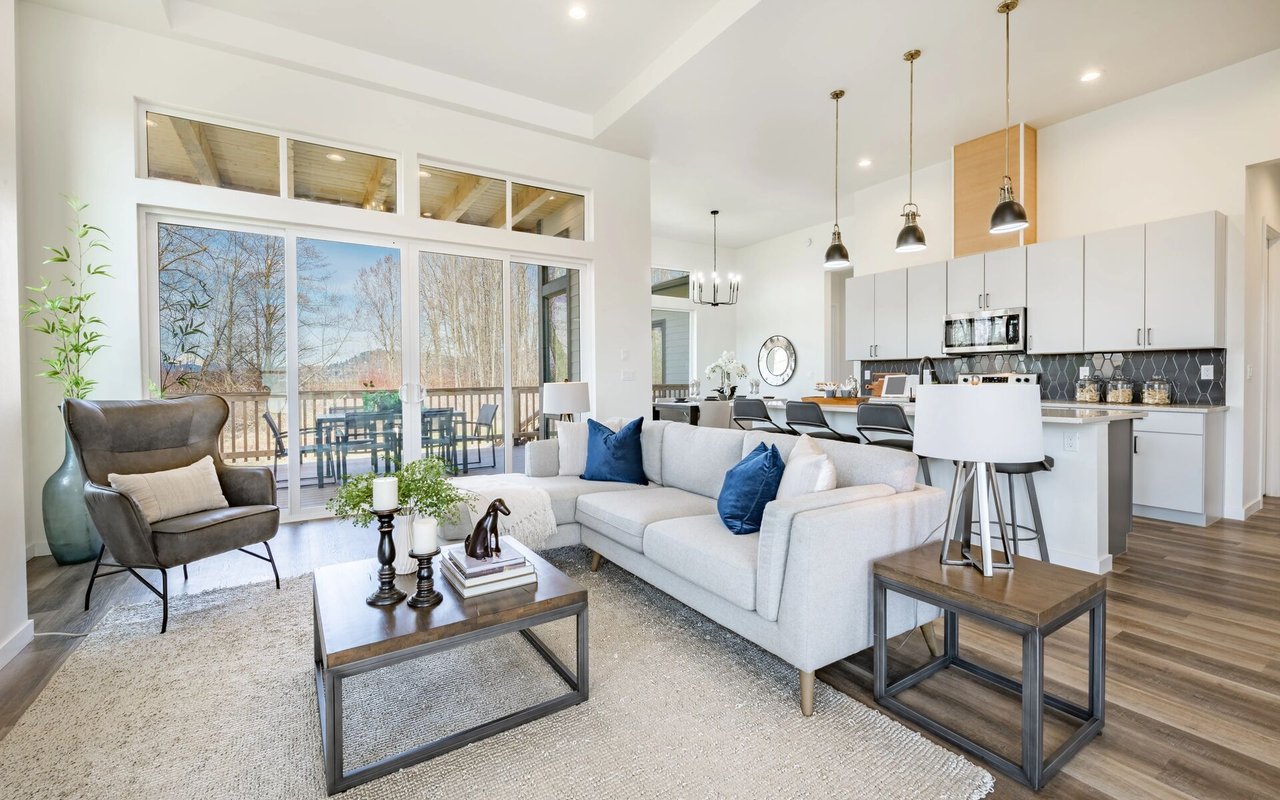
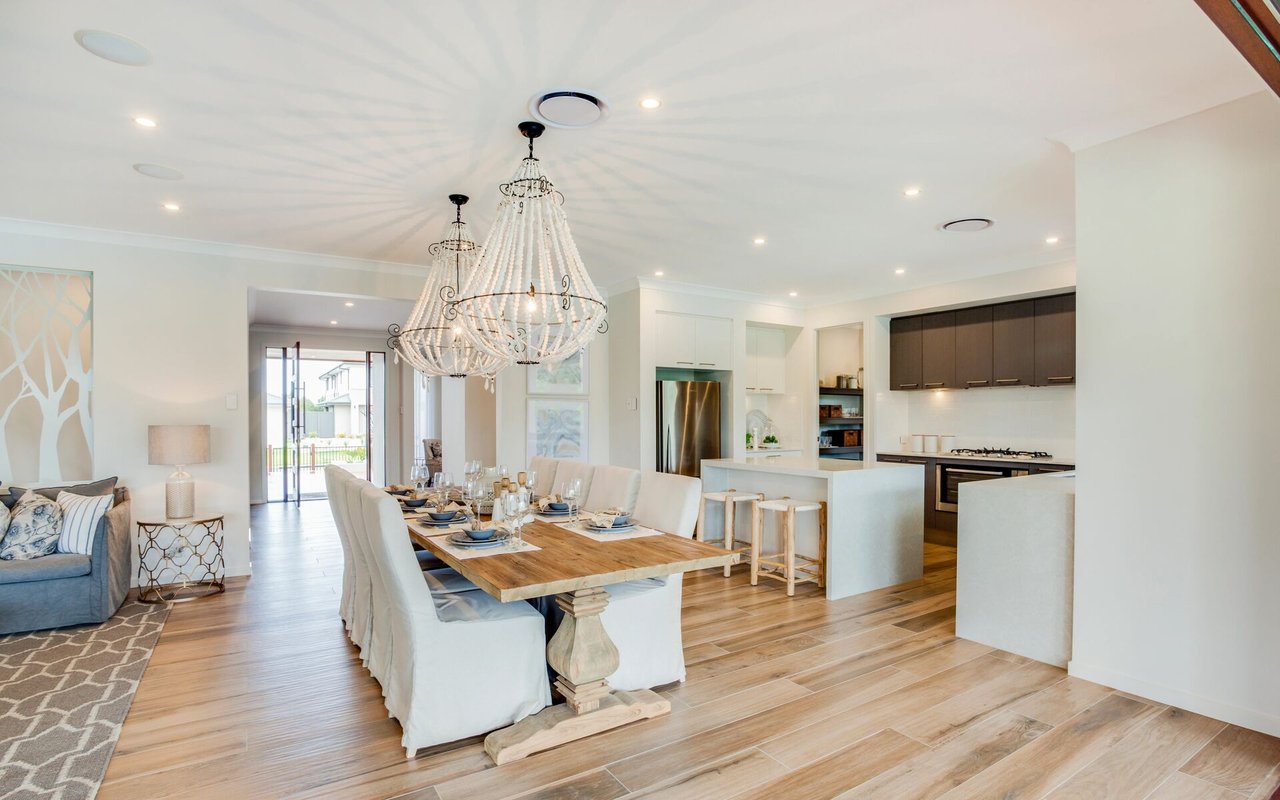
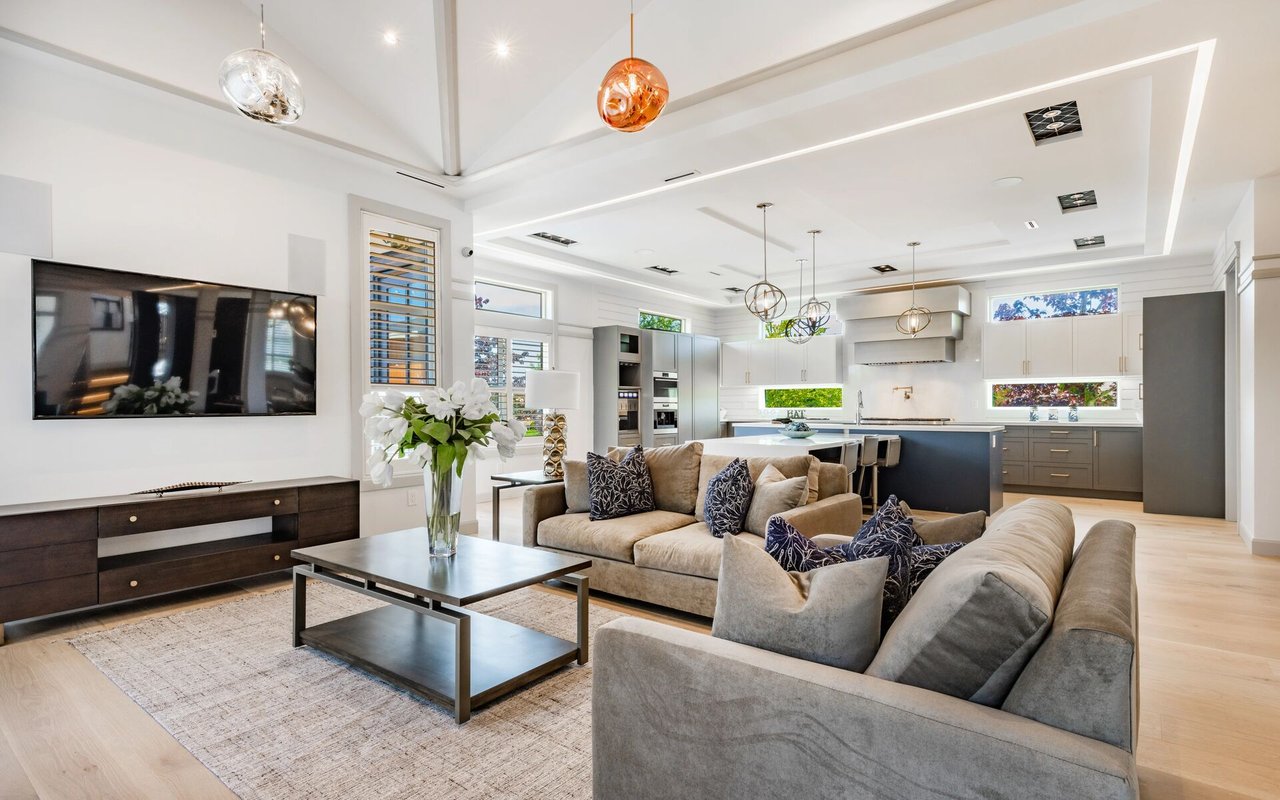
Just how much do we love our pets? Several surveys showed how much pets are affecting the homebuying process. Pets influence many buyers on the types of homes and neighborhoods they search for, becoming the biggest reason their favorite humans decide to become homeowners.
A 2021 Homes survey of 1,600 homeowners who are also pet owners showed that 68 percent of respondents who weren't already living in a pet-friendly home said they have moved for the sole purpose of accommodating their pets.
Another joint survey from Rover and Zillow found that 62 percent of pet parents consider moving to a new home to accommodate their dog. Likewise, listings that mentioned dog-friendly features such as fenced backyards, dog runs, and dog houses sold faster.

House-hunting is no easy task. And with your pets and their needs in mind, it might be even more challenging. While there might not be what you can call a ‘perfect' place, asking these five questions will hopefully get you close to finding the best home for your family and pets.
Every state, county, town, city, and even some neighborhoods have specific laws and ordinances regarding pets. By reading up about local regulations before committing to a neighborhood and a home, you'll be aware of important information such as:
- Pet type and breed restrictions
- Pet licensing and registration
- Types of fences or other structures that you can install in your yard
- The number of pets allowed per residence
- Leash requirements
- Vaccinations
- Loose dogs
- Spay and neuter guidelines
- When local authorities can impound or euthanize your pet
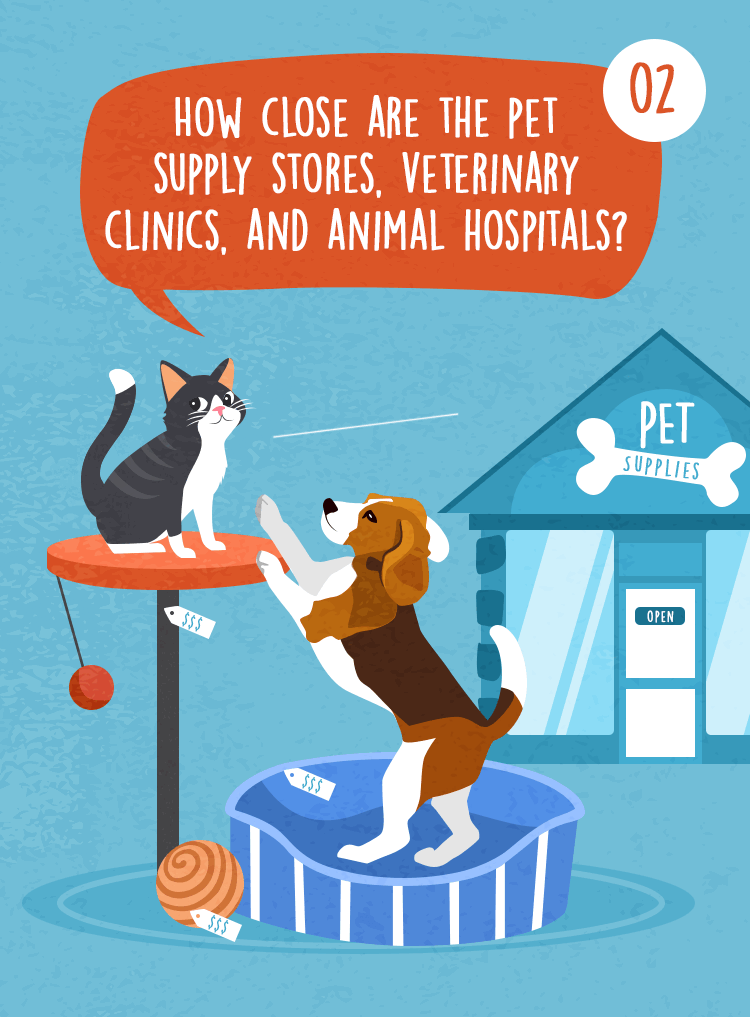
We treat our pets like family and want only the best for them. So when looking for a new home, you must check for the nearest veterinarian and the proximity of other pet services, including supply stores and animal hospitals. This may depend on how far you're moving, so don’t be afraid to ask for recommendations from your current veterinarian. It’s especially crucial if you have a young or senior pet prone to emergencies.
Your real estate agent is your tour guide who can point you in the direction of the local hotspots, including pet-friendly cafes or restaurants, and dozens of other services catered to your pet’s needs.
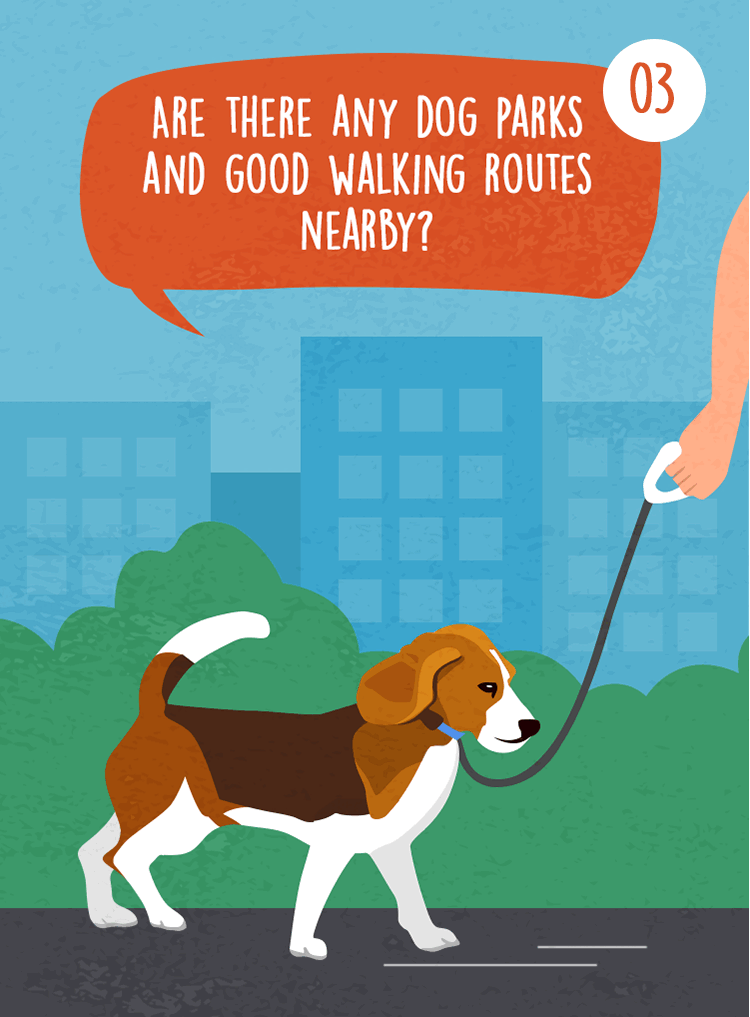
Speaking of your pet's welfare, you may want to consider moving to a community with plenty of sidewalks and good walking routes. Even the most obedient dogs or cats can sneak out and wander about, so you may want to steer clear of busy streets and be aware of how heavy the traffic gets in your neighborhood.
Dog parks are another great amenity to search for when house-hunting with your pets in mind, especially if they need more room to play and exercise. It’s also a must not only for your pet but for you as well, so you’ll both be motivated to walk and exercise more often, especially during leisurely weekends.
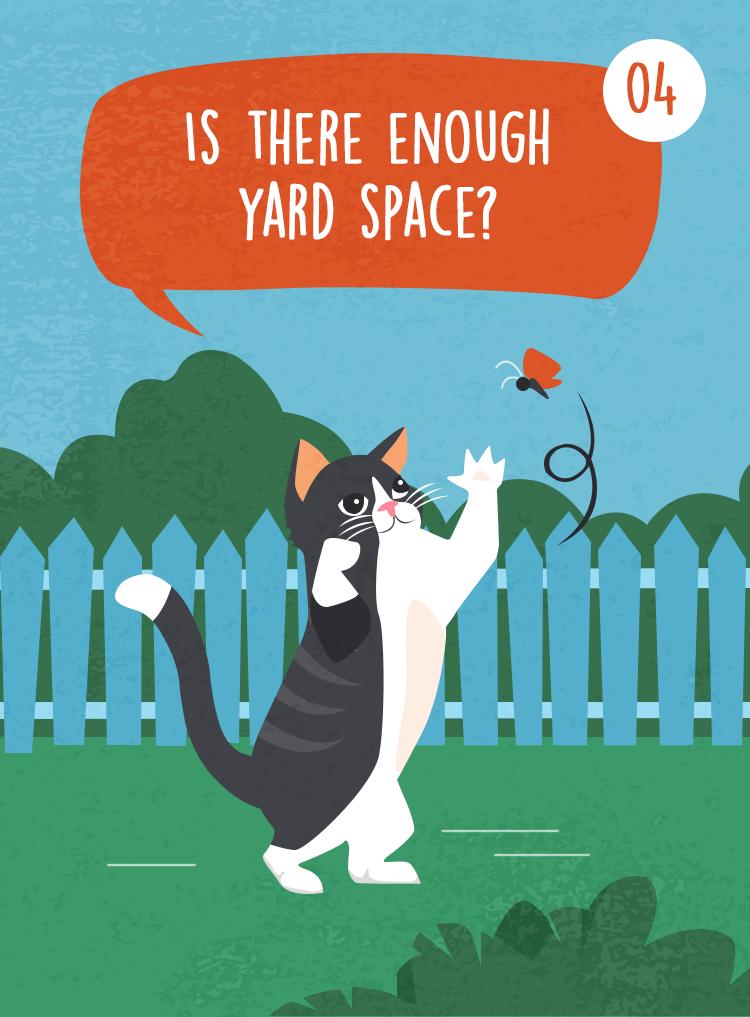
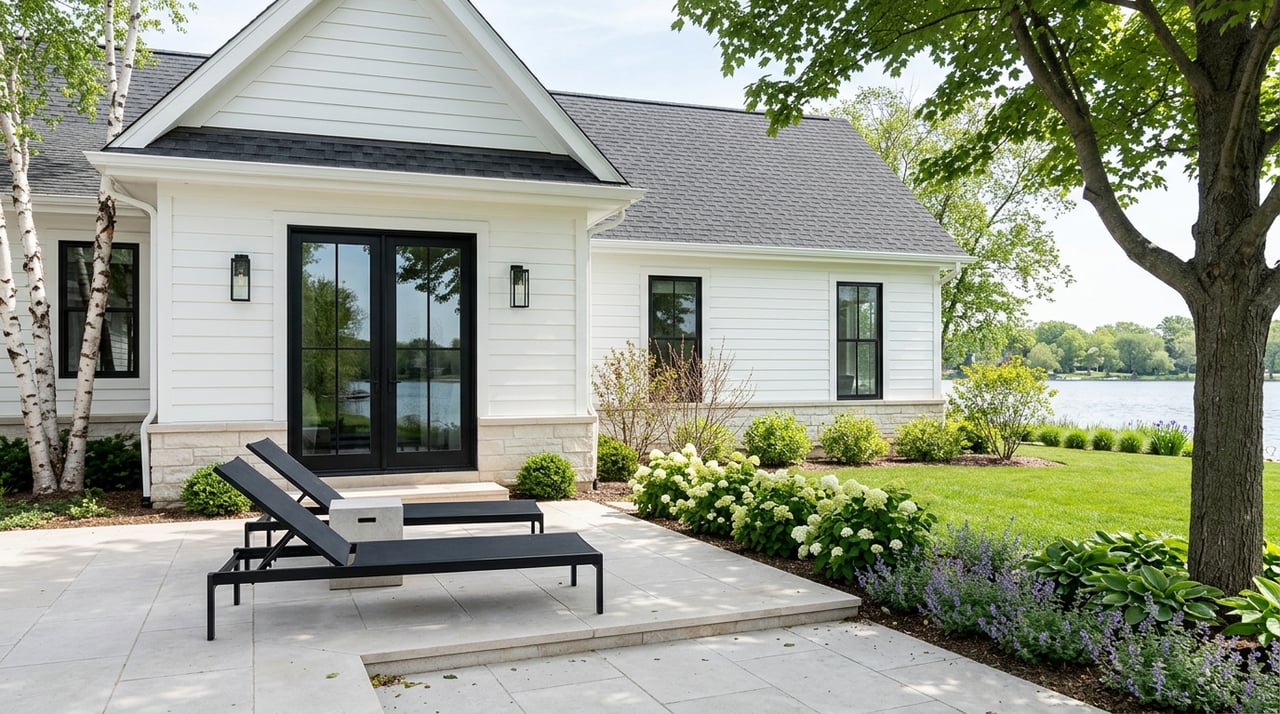
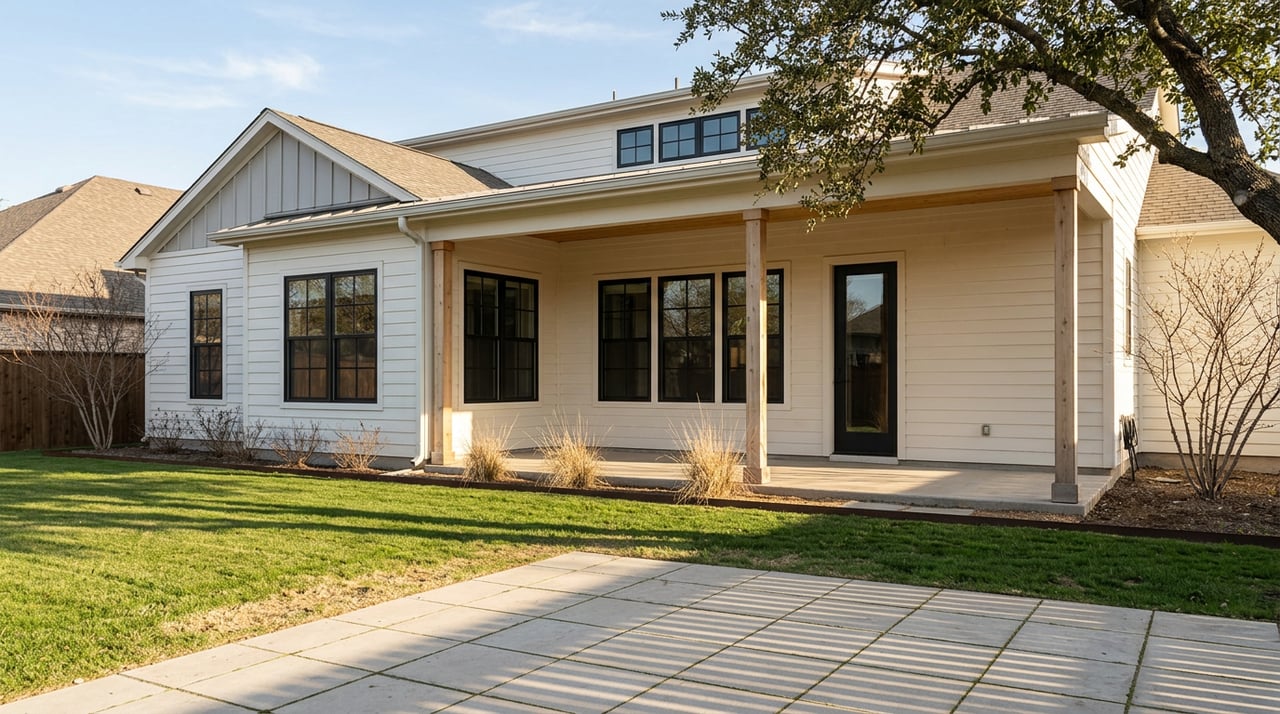
After considering the location and making sure your potential neighborhood is pet-friendly, the yard, or lack thereof, is the second thing to look out for in your potential home. Is the backyard big enough for you and your pet? It's important for dog and cat owners because even if you prefer to keep them indoors, it’s still a good idea to have a yard with room to roam.
A fenced-in yard is your best option to provide safety and security for your pets when they’re enjoying the outdoors. If there is already a fence, inspect it to ensure that it’s still in good condition and that it’s high enough that your dog can’t jump over it. But if a fence is lacking, you may need to factor that cost into your budget. As long as you’ve done your research on local restrictions, it might be easier for you to consider the size, type, and material of the fence that’s allowed and works for your family’s needs.
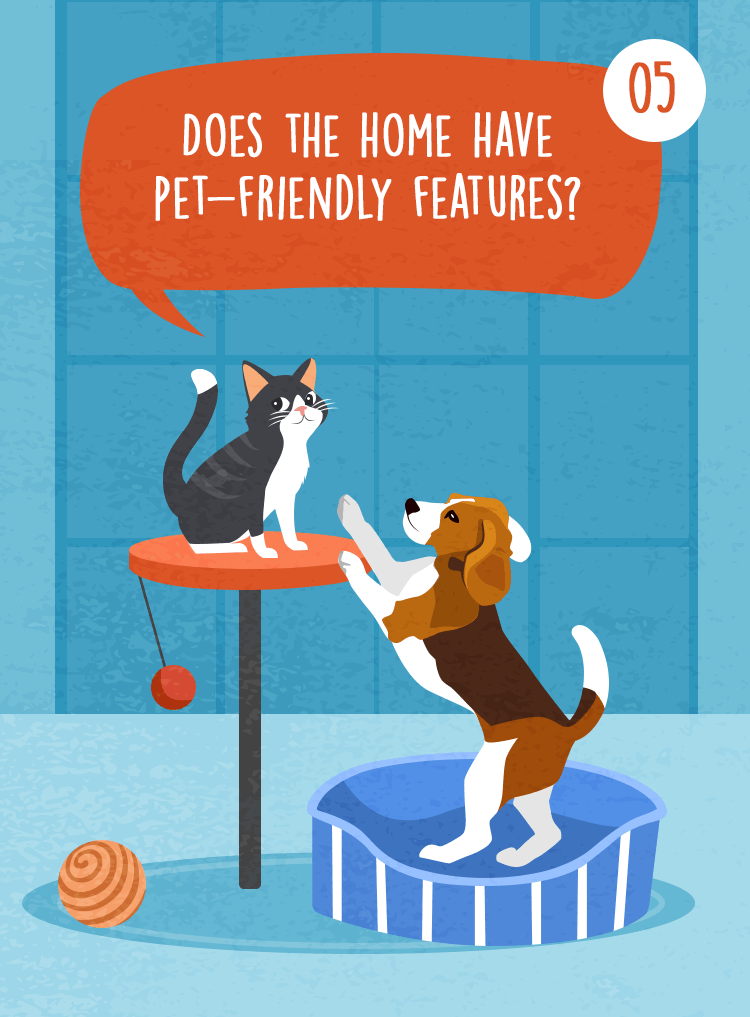
The inside matters just as much as the outside when finding a new place for you and your pets. Here are some of the pet-friendly features to consider:
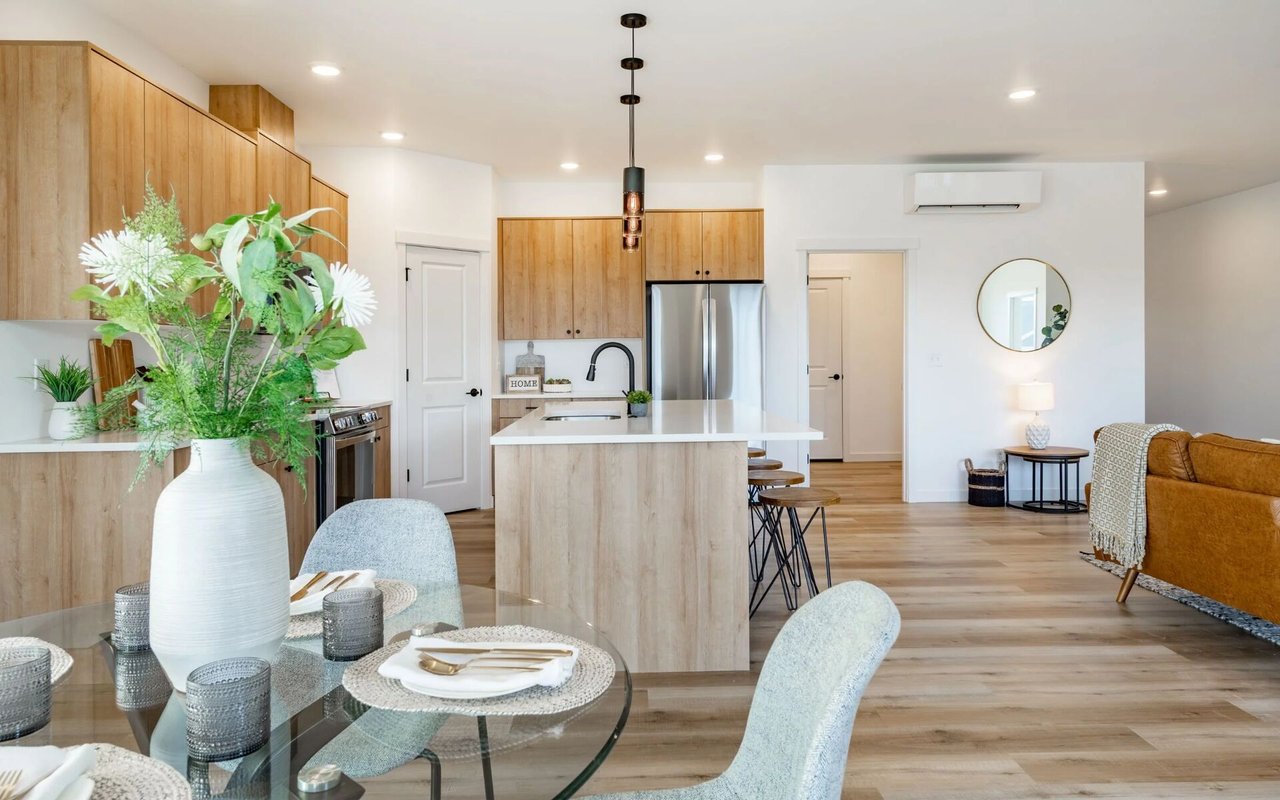
- Durable and pet-appropriate flooring
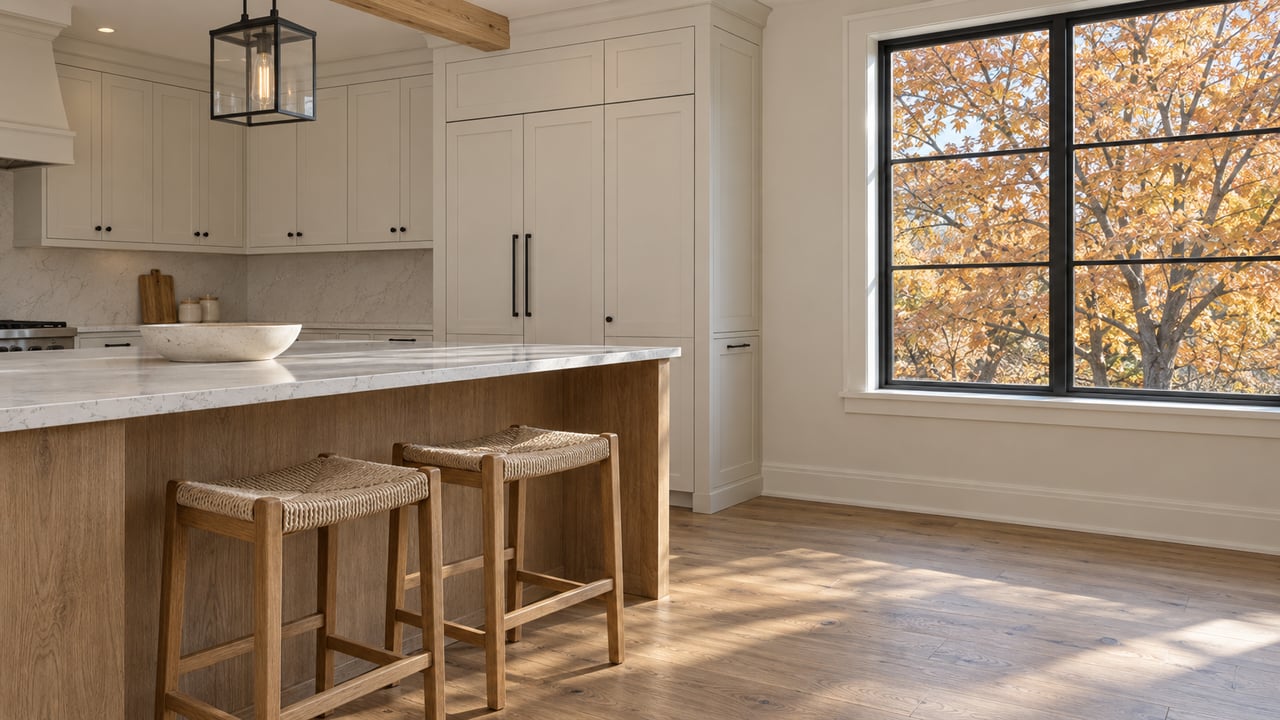
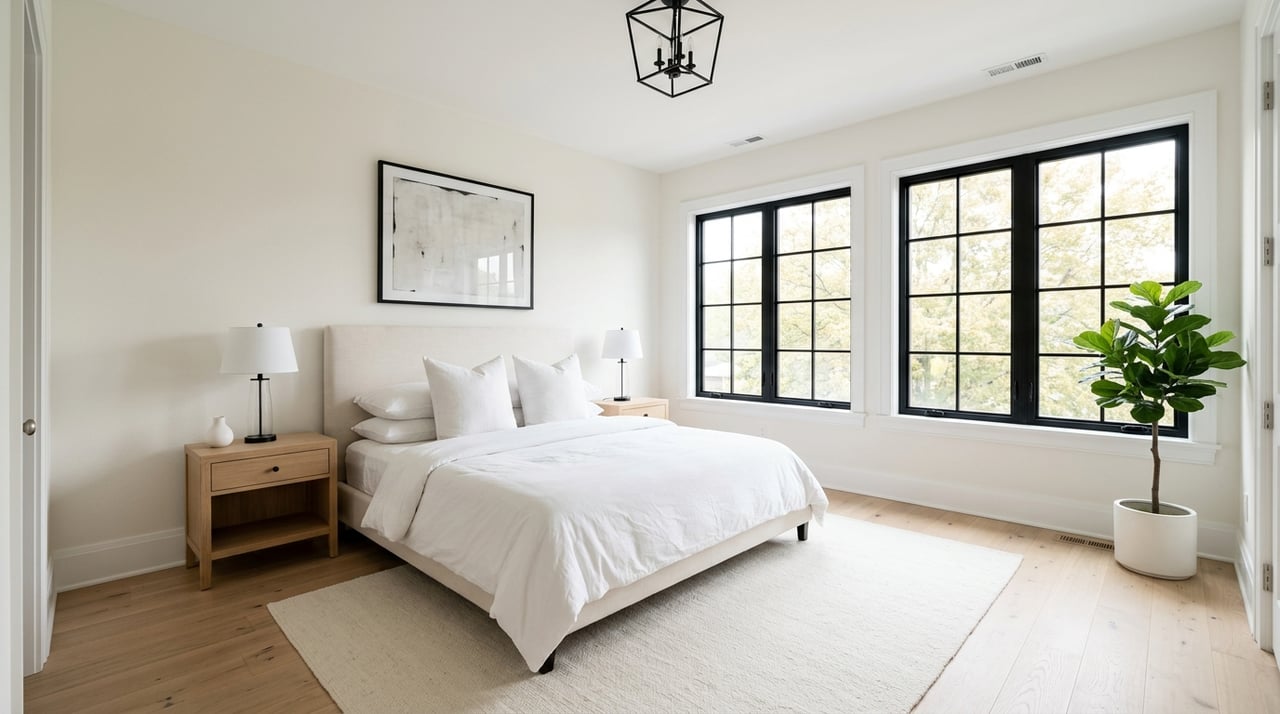
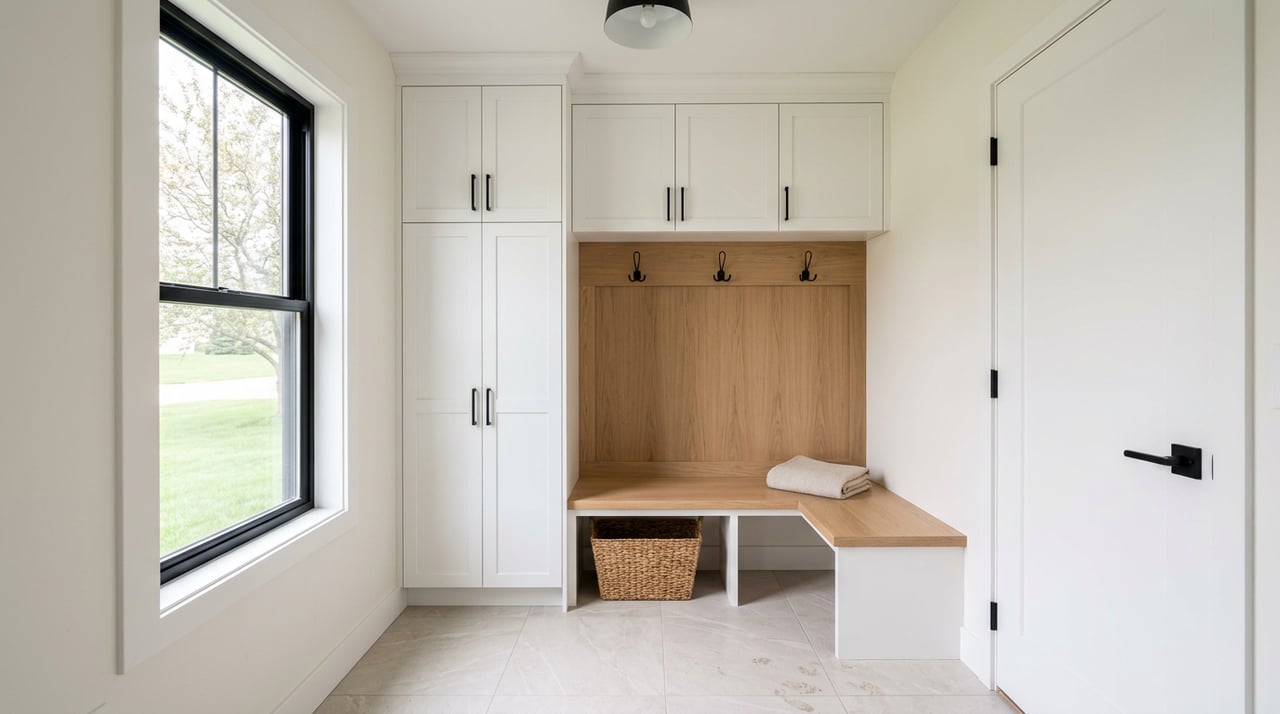
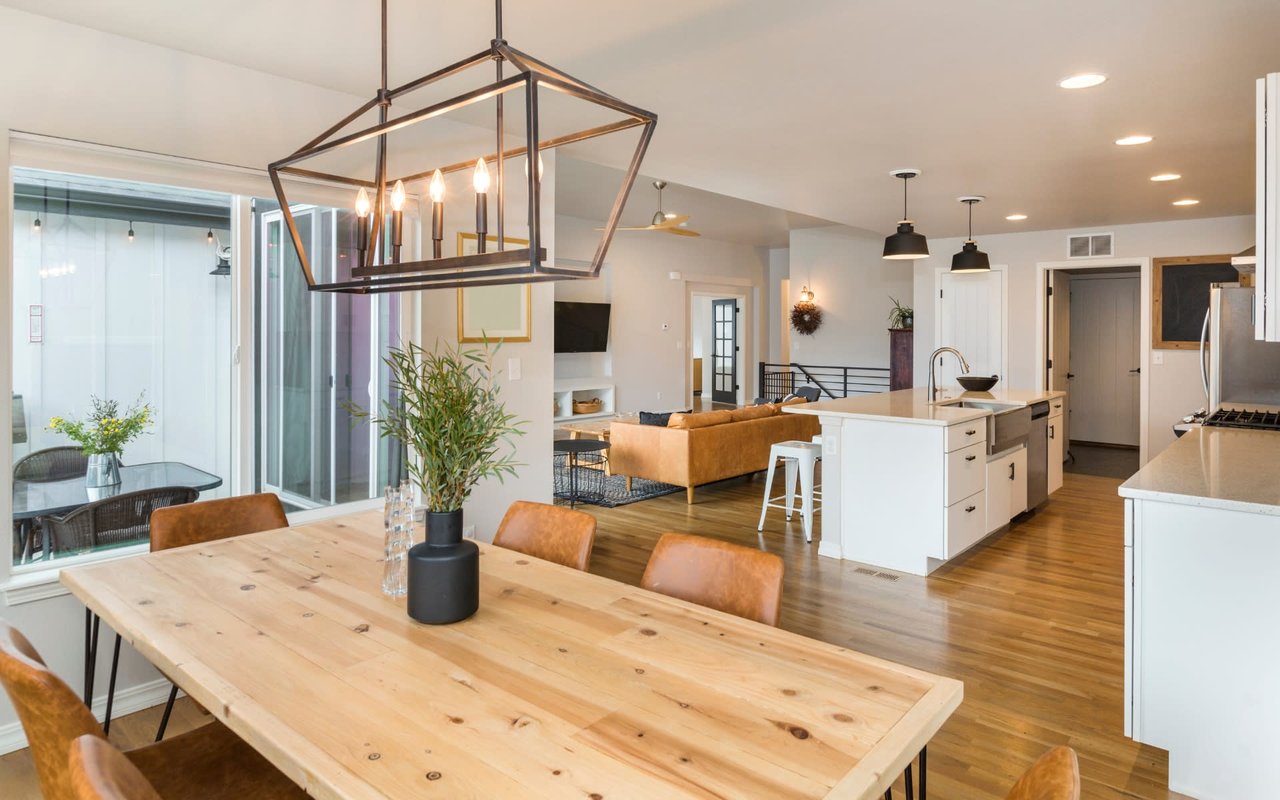
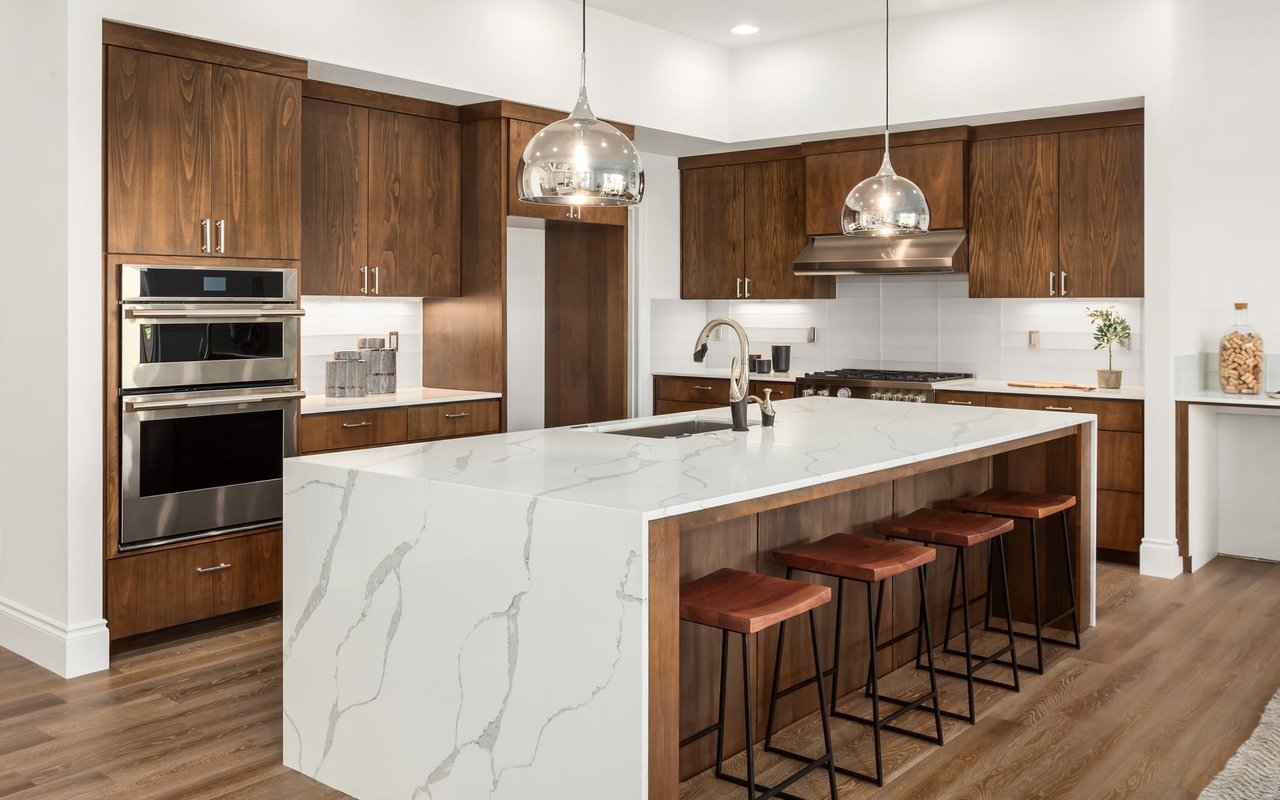
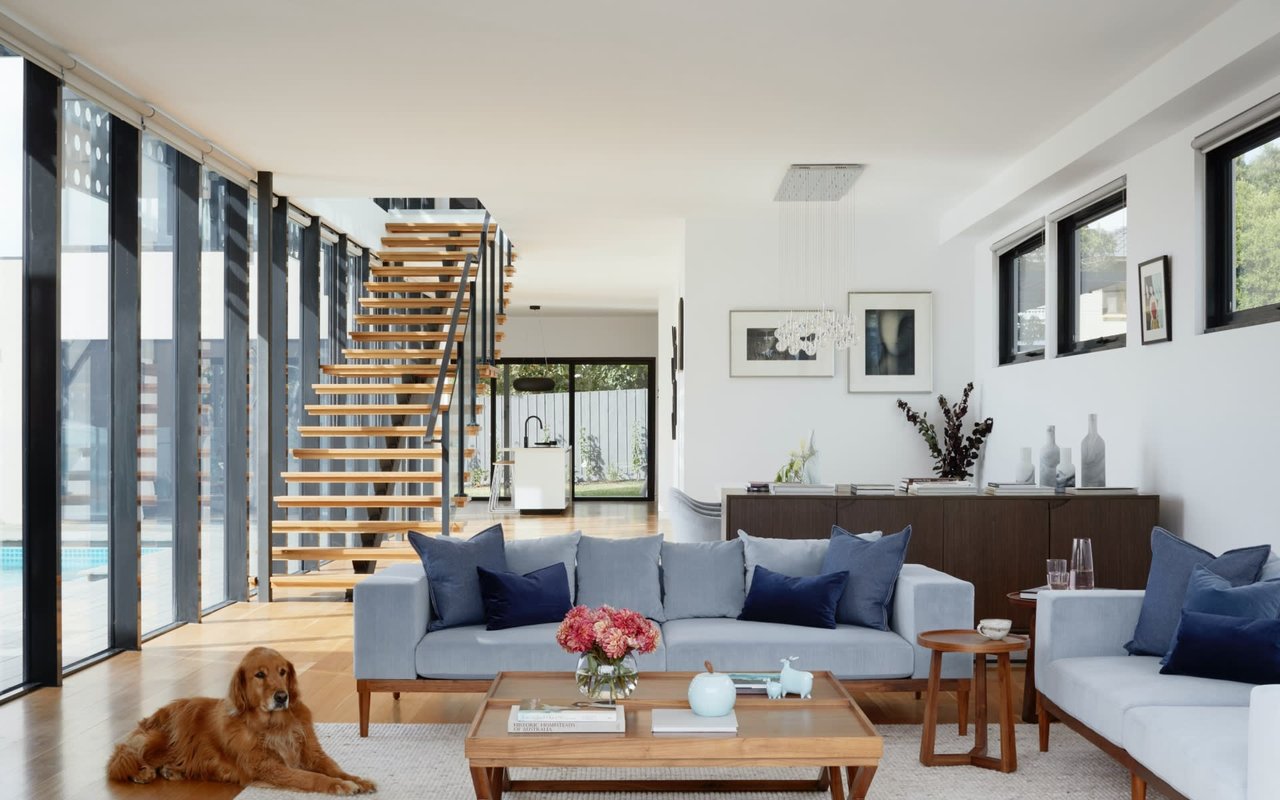
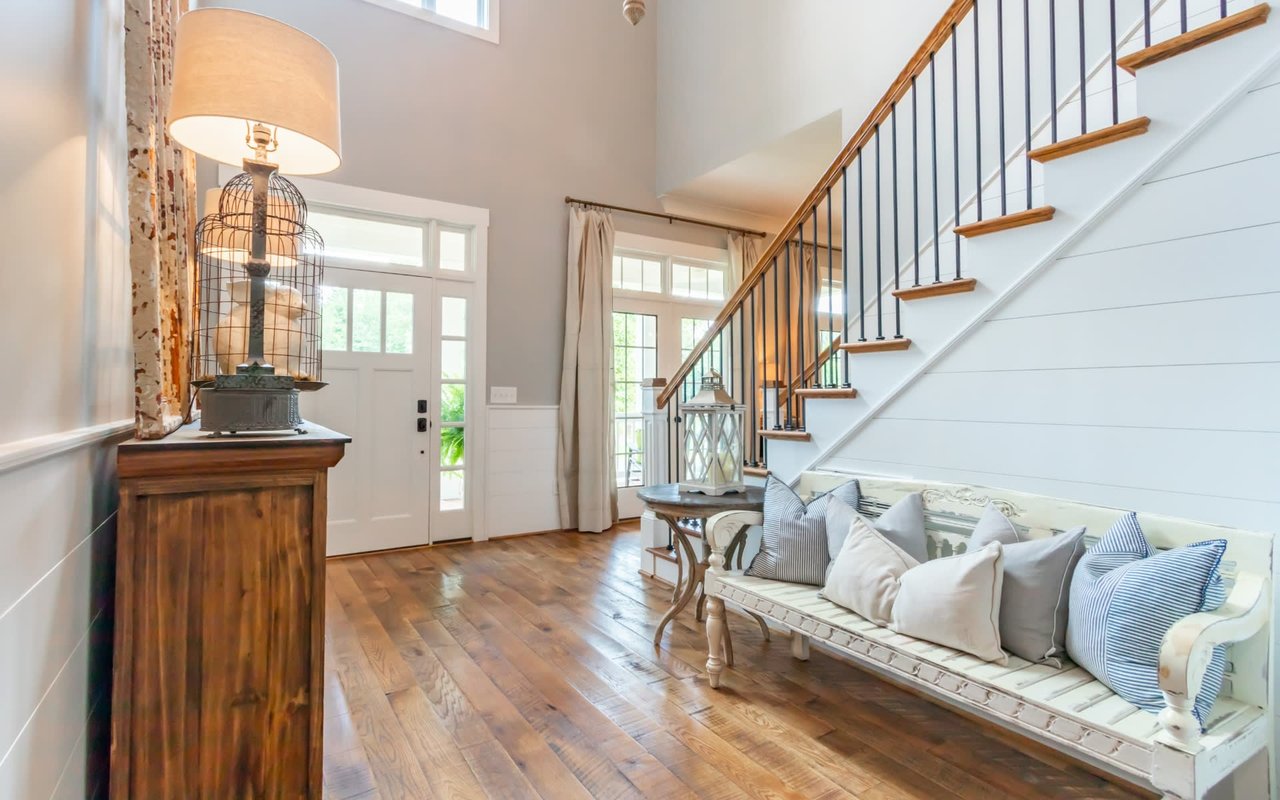
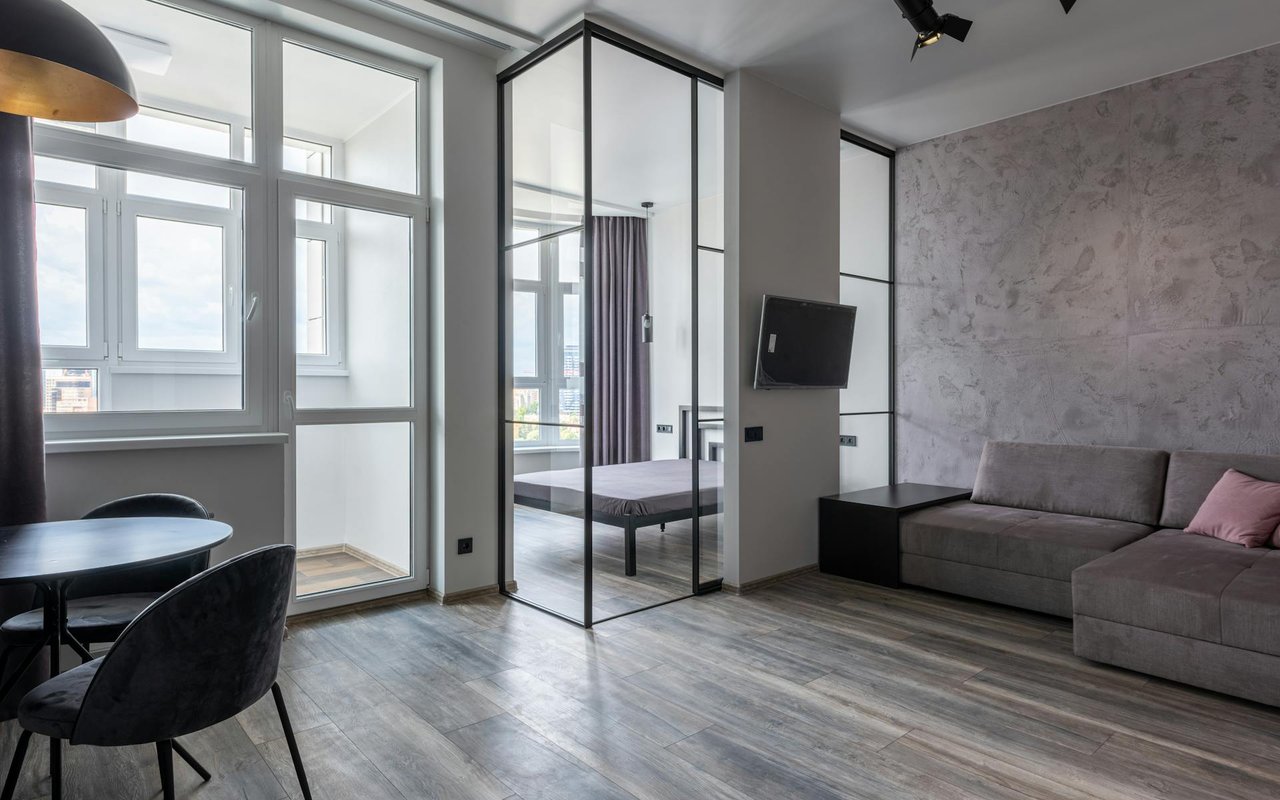
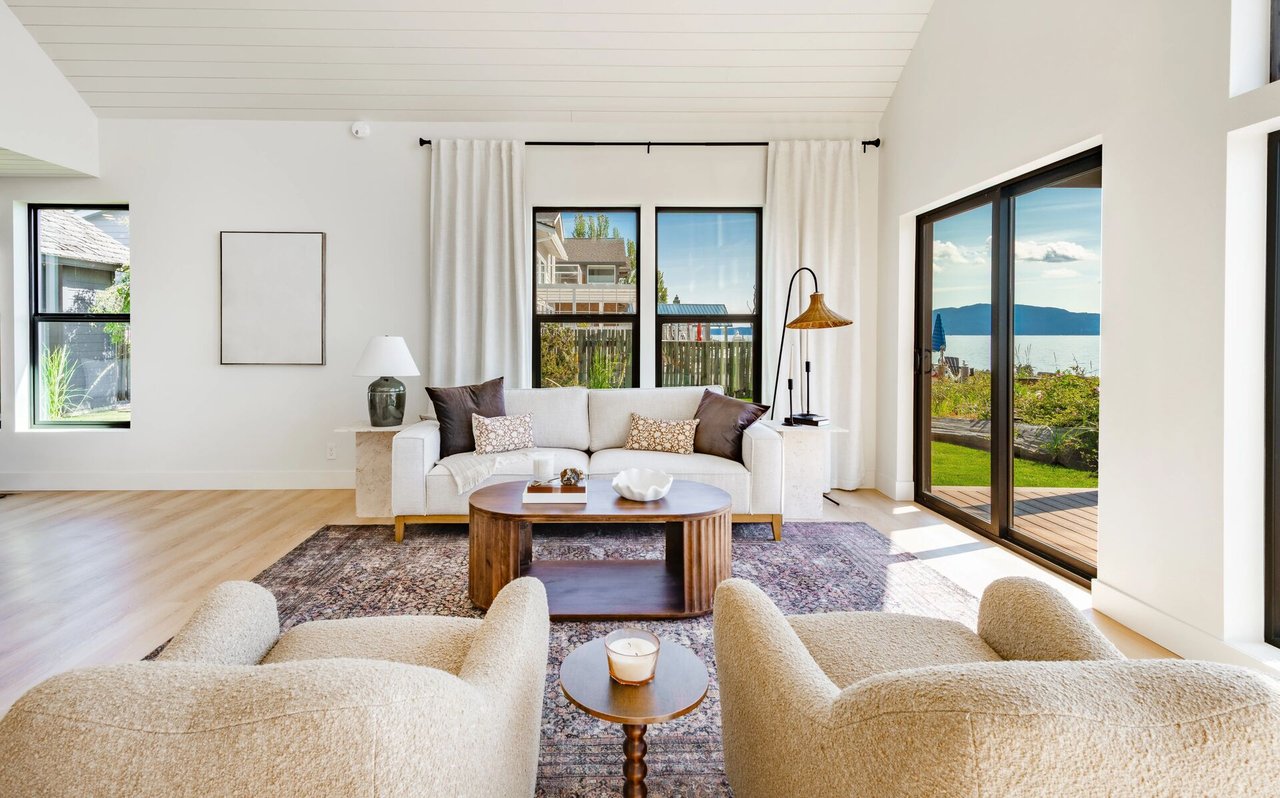
While it all boils down to what fits your lifestyle and tastes best, some of the floorings most recommended by experts are vinyl plank and tile. They’re mostly durable, cost-effective, easy to clean, and scratch- and water-resistant, so they can withstand water bowl spills, accidents, or even skidding paws.
- Adequate space
- Washing station or space for clean-ups
- Pet-friendly layout and design